








Cosmetic dentistry is dental care that improves the appearance of your teeth, gums, and smile. It can change tooth color, shape, size, spacing, and alignment. Common treatments include teeth whitening, dental bonding, porcelain veneers, clear aligners, and gum reshaping.
Some treatments, like whitening or bonding, can be finished in one or two visits. Others, like veneers, Invisalign, or implants, take longer. This guide explains what is considered cosmetic dentistry, how it works, what it costs, and how long results last.
At Vista Dorada Dental in Gilbert, AZ, we help patients with stained, chipped, gapped, uneven, or missing teeth. Schedule a cosmetic dentistry consultation to find the right option for your smile.
What Is Considered Cosmetic Dentistry?
Dental treatment is considered cosmetic when its main goal is to improve how your teeth or smile look, rather than to treat disease. A treatment is usually cosmetic if it changes tooth color, shape, size, spacing, or gum appearance, and the tooth or tissue is otherwise healthy.
Common examples include:
- Teeth whitening
- Dental bonding for chips, small gaps, or uneven edges
- Porcelain or composite veneers
- Clear aligners for mild alignment concerns
- Gum reshaping for uneven-looking gums
Cosmetic dentistry is not a separate specialty recognized by the National Commission on Recognition of Dental Specialties and Certifying Boards. Cosmetic treatments are usually provided alongside general, restorative, or orthodontic care.
Some treatments sit between cosmetic and restorative dentistry. A crown can protect a weak tooth and improve its shape and color. A dental implant replaces a missing tooth, restores chewing, and fills a visible gap in your smile. Insurance often treats these differently from purely cosmetic work.
Cosmetic Dentistry Overview
| Treatment |
What it can improve |
| Teeth whitening |
Stained or dull teeth |
| Dental bonding |
Small chips, gaps, uneven edges |
| Veneers |
Stained, chipped, misshapen, or gapped teeth |
| Clear aligners |
Mild crowding or spacing |
| Gum reshaping |
Uneven-looking gums |
| Dental implants |
Missing teeth |
How Does Cosmetic Dentistry Work?
Cosmetic dentistry works in four stages: an exam and consultation, a treatment plan, the procedure itself, and follow-up care. The exact process and timeline depend on the treatment you choose.
Initial Consultation
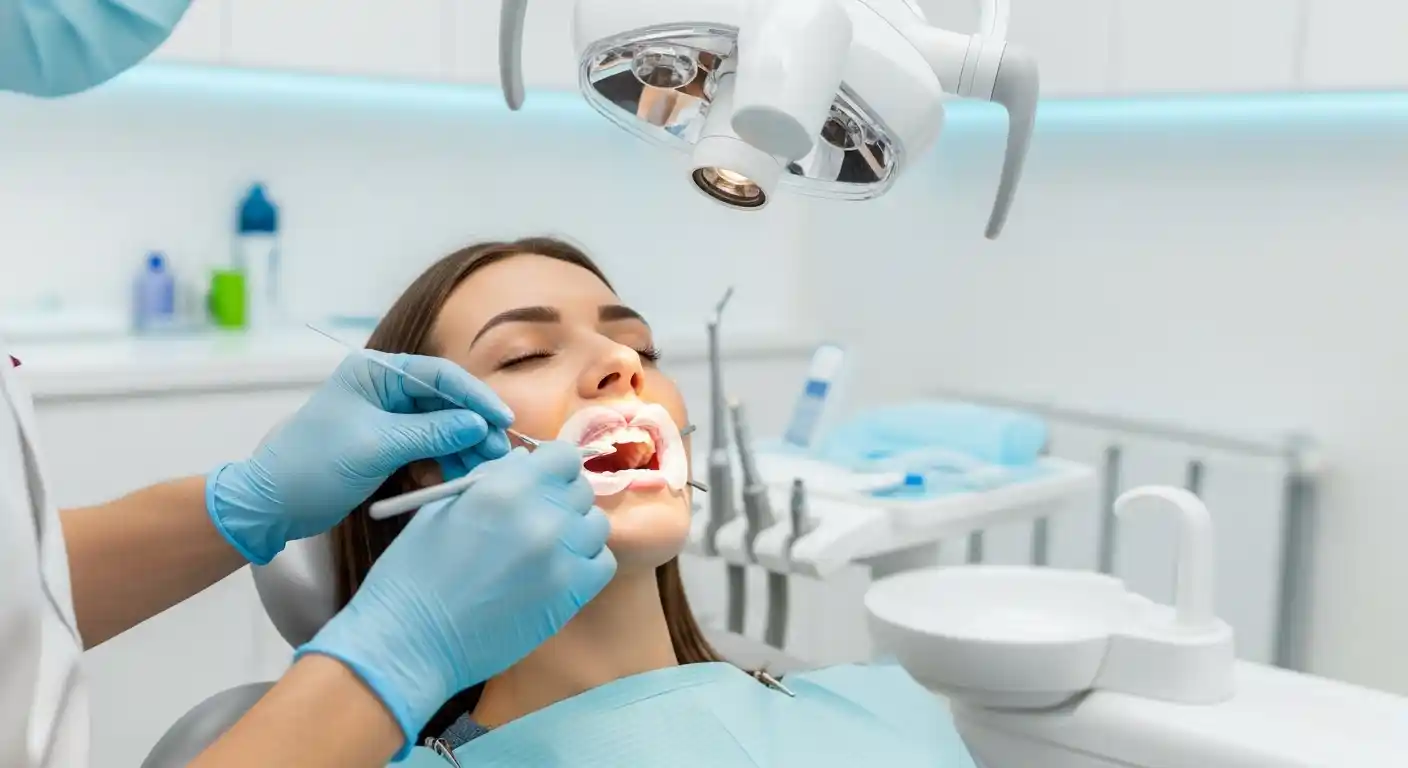
Your first visit is a chance to explain what you would like to change. The dentist examines your teeth, gums, bite, and existing dental work. Photos, X-rays, or digital scans may be taken when needed. This step matters because cosmetic treatment should be planned around healthy teeth and gums.
Treatment Planning
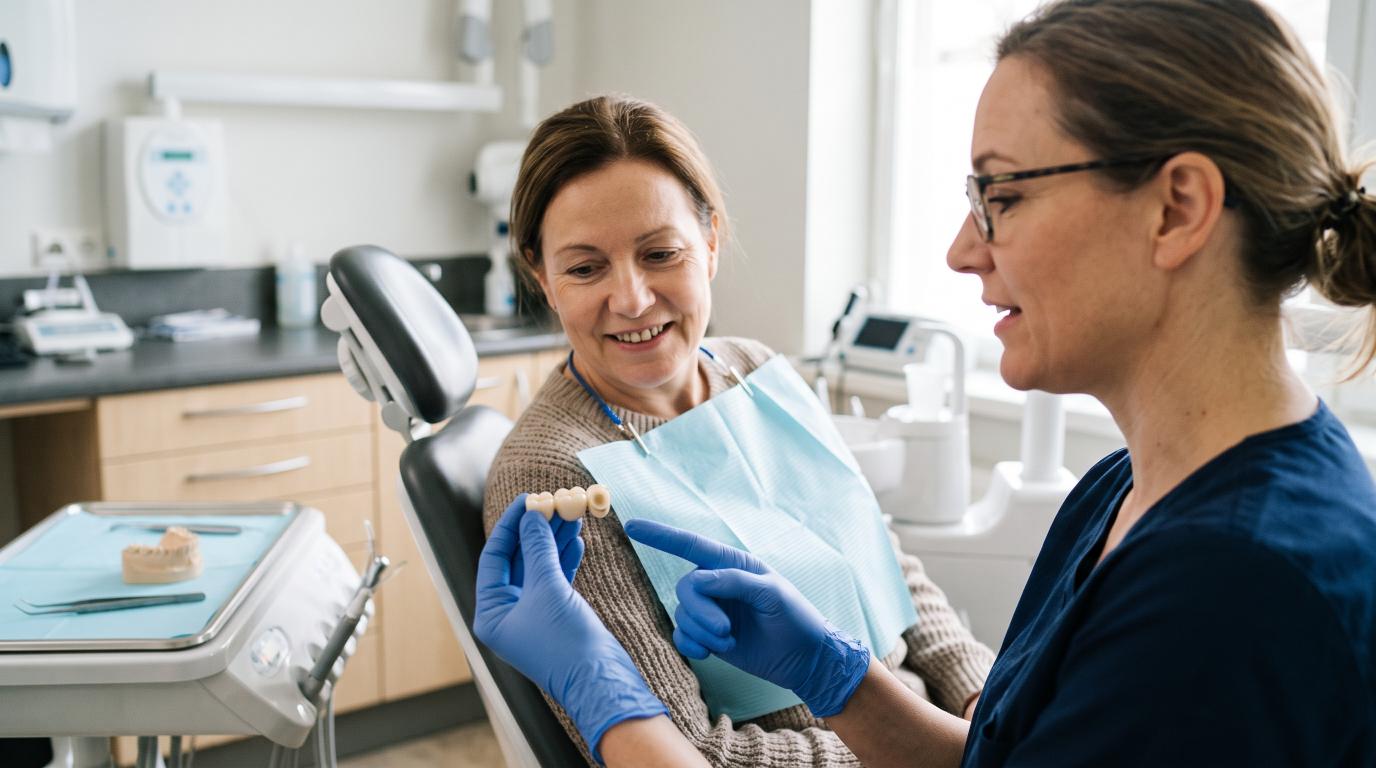
After the exam, your dentist explains the available options and what each can and cannot do. Ask about treatment time, cost, possible risks, expected maintenance, and whether other treatment is needed first. The final plan should reflect both your dental health and your smile goals.
Treatment
Treatment time varies widely.
- Whitening and bonding: often completed in one or two visits
- Veneers: usually several steps over multiple visits
- Clear aligners: typically months of treatment
- Dental implants: several stages with healing time
Your dentist should explain the expected schedule before treatment begins.
Follow-Up and Maintenance
Regular exams and cleanings let your dentist check your teeth, gums, and dental work. Daily brushing and cleaning between teeth remain important. Habits like teeth grinding, biting hard objects, tobacco use, and frequent stain-causing foods or drinks can shorten how long some results last.
Common Cosmetic Dentistry Procedures

Cosmetic dentistry includes several treatments. Some are finished in one visit, while others take months. The right choice depends on what you want to change and on the health of your teeth and gums.
Teeth Whitening
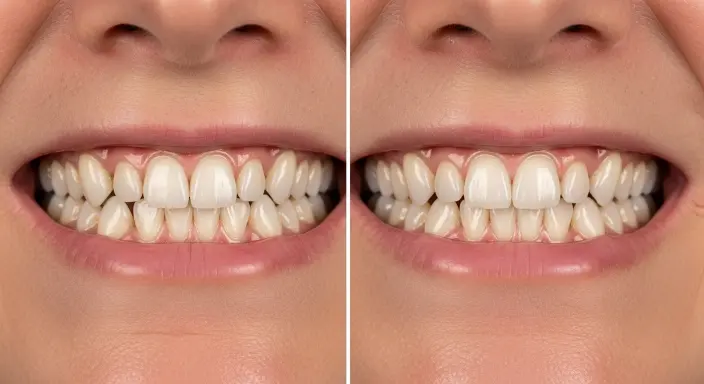
Professional teeth whitening makes natural teeth look brighter. Whitening products usually contain hydrogen peroxide or carbamide peroxide, which break down stains and make them less noticeable.
It can help with stains from food, drinks, tobacco, and normal changes in tooth color. Not every type of discoloration responds the same way, and whitening cannot fix a chip or change tooth shape. It can be done in the dental office or with a dentist-supervised home system.
Dental Veneers
Veneers are thin coverings placed over the front of teeth. They can improve teeth that are stained, chipped, misshapen, uneven, or separated by small gaps.
Porcelain veneers are custom-made to match the desired shape and color. Composite veneers are another option. Some veneer treatments require removing a small amount of enamel, so the change is not reversible. Learn more about porcelain veneers.
Dental Bonding
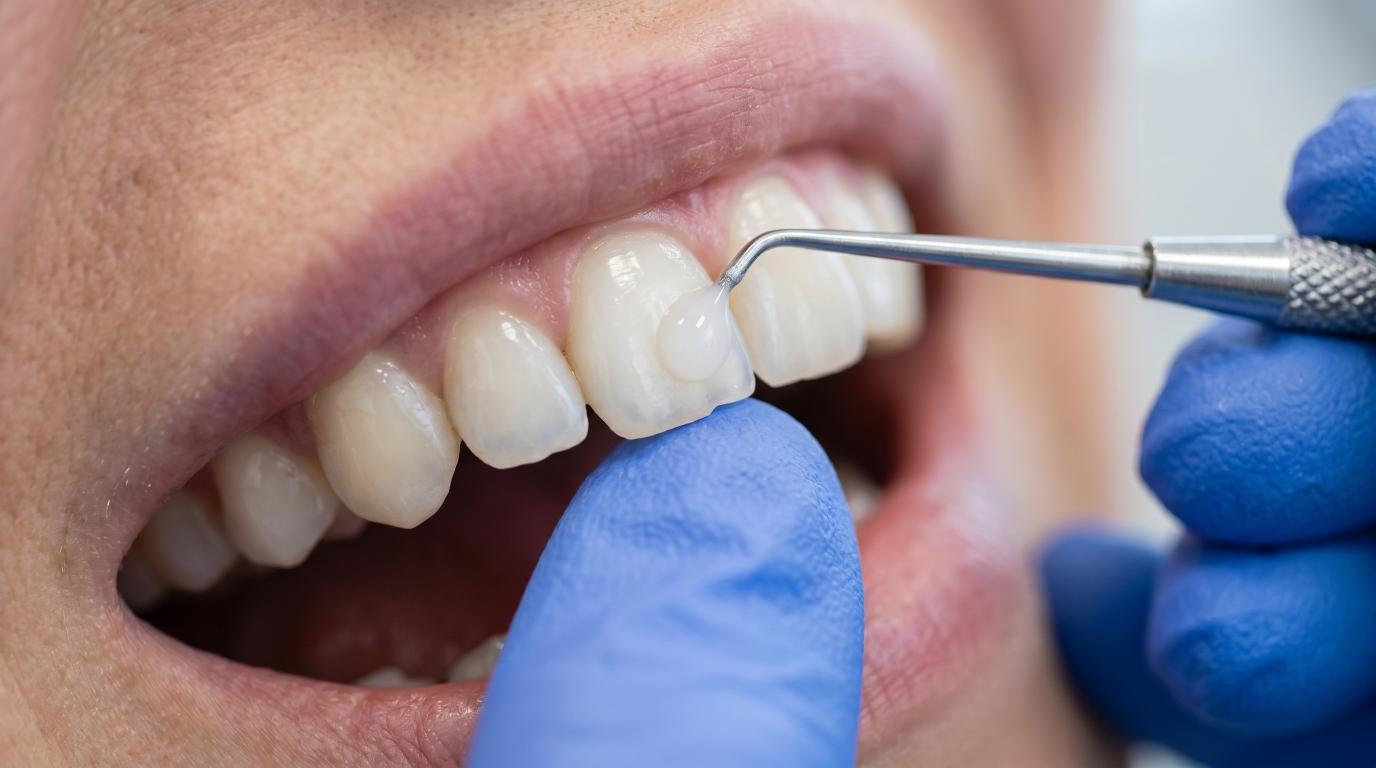
Bonding uses tooth-colored composite resin to change the shape or look of a tooth. The dentist applies the material, shapes it, hardens it with a light, and polishes it.
It is often used for minor chips, small gaps, uneven edges, or teeth that look slightly short. Bonding can often be done in one visit, but the material can stain or chip over time and may need repair or replacement.
Clear Aligners
Clear aligners are removable orthodontic appliances that gradually move teeth into better positions. They may help with certain cases of crowding or spacing.
Aligners are both cosmetic and orthodontic, since they also affect how teeth fit together. They are not right for every case, and complex tooth movement or bite problems may need a different approach. Vista Dorada Dental offers Invisalign for adults and children in Gilbert, AZ.
Dental Implants
A dental implant is placed in the jaw and supports a replacement tooth. Implants are both cosmetic and restorative: they fill a visible gap and also help restore chewing.
Treatment involves several stages and healing time. Whether implants are appropriate depends on your oral health and jawbone, so a full evaluation is needed.
Gum Reshaping
Gum reshaping (contouring) adjusts the gum line to improve the balance of your smile. It may be considered for uneven gums or teeth that look short because of excess gum tissue. It is often combined with other cosmetic treatments.
Smile Makeovers
A smile makeover combines two or more treatments in one planned approach. For example, a patient might whiten teeth first and then use bonding to reshape a chipped tooth, or combine whitening with veneers. Aligners are sometimes completed before other work.
The goal is not to do more procedures, but to choose treatments that work together for your concerns.
What Problems Can Cosmetic Dentistry Fix?
Cosmetic dentistry may help with many common concerns, including:
- Stained or discolored teeth
- Teeth that look chipped or cracked
- Small spaces between teeth
- Uneven or irregular tooth shapes
- Mild tooth alignment concerns
- Teeth that appear worn or shortened
- Missing teeth
- Uneven-looking gums
The right solution depends on what is causing the problem. For example, whitening may improve tooth color but cannot repair a chip. Bonding may improve a small chip but may not be the best way to correct major crowding. A dental examination helps identify the cause before treatment begins.
Benefits of Cosmetic Dentistry
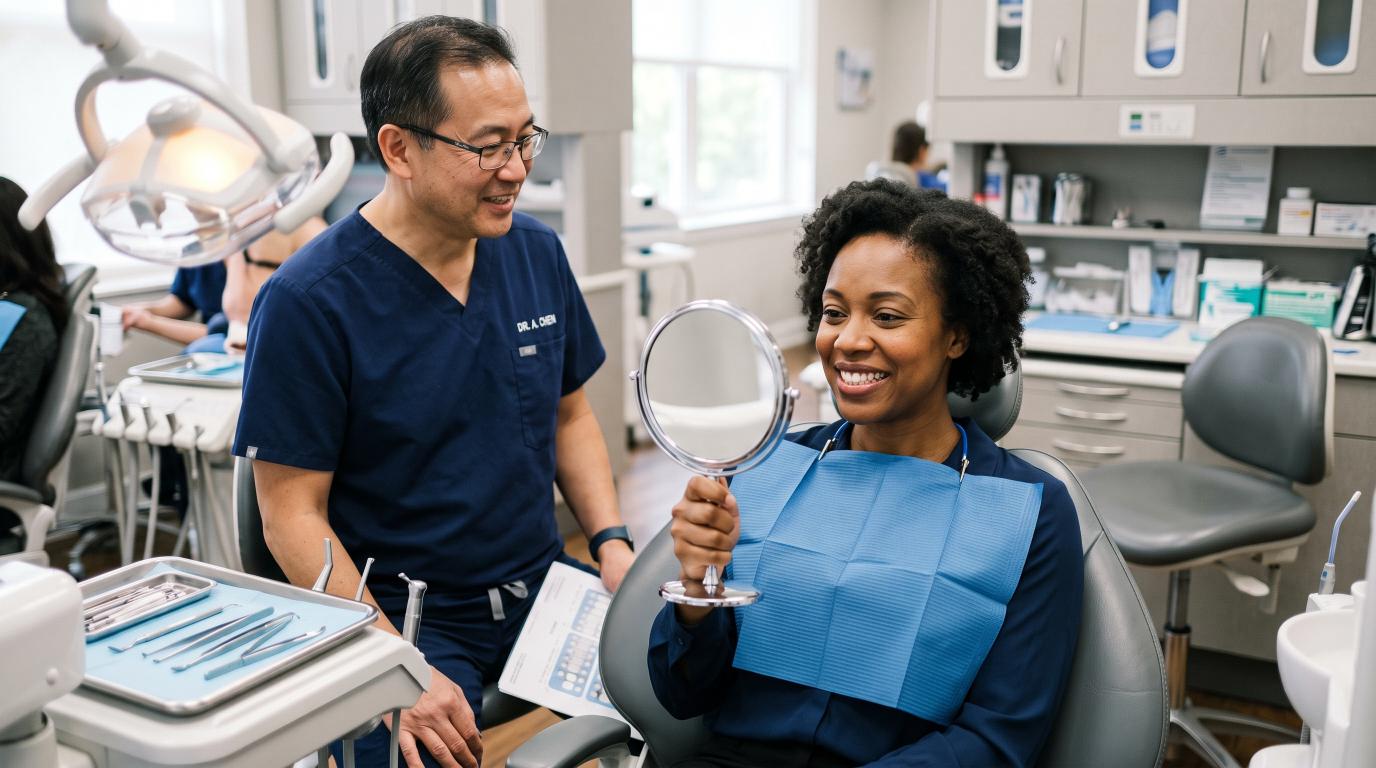
One of the main benefits of cosmetic dentistry is that treatment can focus on a specific feature you would like to change. Professional whitening may brighten natural teeth. Bonding or veneers may create more even tooth shapes. Orthodontic treatment may improve spacing or alignment.
Replacing a missing tooth can improve both the appearance and function of the smile. Cosmetic care can also help patients feel more comfortable with their smiles. Results may last for years with good care, although no dental treatment should be considered maintenance-free or permanent.
Another advantage is flexibility. Cosmetic treatment does not always require a complete smile makeover. Sometimes one small change is enough to address the concern that matters most to the patient.
Who Can Benefit From Cosmetic Dentistry?
Cosmetic dentistry can benefit people with many different smile concerns, from discoloration and small chips to gaps, worn teeth, or mild alignment issues. The right treatment depends on your age, oral health, and what you want to improve.
Adults
Adults commonly seek cosmetic dental care because of staining, worn teeth, old dental work, small gaps, chips, missing teeth, or alignment concerns.
Treatment can range from a simple whitening procedure to a longer plan involving several types of dental care. Age alone does not determine whether someone is a good candidate. The health of the teeth and gums is usually more important.
Teens
Some cosmetic or orthodontic treatments may be appropriate for teenagers, but recommendations depend on age, tooth development, oral health, and the specific concern.
For example, orthodontic treatment is commonly used during the teen years. Other cosmetic procedures may be delayed until teeth and surrounding structures have developed further. A dentist should evaluate each case before treatment.
Is Cosmetic Dentistry Safe?
Cosmetic dental procedures are generally considered safe when they are properly planned and performed for an appropriate patient. However, every procedure has possible limitations and risks. The condition of your teeth and gums should be evaluated before treatment. Active decay, gum disease, infections, or other oral health problems may need attention first.
Some treatments also involve permanent changes to the teeth. For example, traditional veneer treatment may require enamel removal and is not considered reversible. A professional dental examination helps you understand both the possible benefits and the limits of treatment before making a decision.
Are Cosmetic Dentistry Procedures Painful?
The amount of discomfort depends on the procedure. Teeth whitening may cause temporary sensitivity in some people. Bonding usually requires little tooth preparation. Procedures that involve reshaping teeth, working on the gums, or placing implants may require local anesthesia or other comfort measures.
Some soreness or sensitivity may also happen after treatment. Your dentist can explain what you are likely to feel during and after your specific procedure. If dental visits make you nervous, mention this during your consultation so comfort options can be discussed.
How Long Does Cosmetic Dentistry Last?
There is no single lifespan for cosmetic dentistry. Whitening results may fade as teeth become exposed to foods, drinks, tobacco, and normal aging. Bonding can wear, stain, or chip. Veneers are designed for longer-term use but can still become damaged and may eventually need replacement. Orthodontic results usually require retainers to help maintain tooth position.
Your daily habits have a major effect on cosmetic dental work. Good brushing, daily cleaning between teeth, regular checkups, and avoiding hard objects can help protect both natural teeth and dental restorations.
Patients who grind or clench their teeth should also tell their dentist because grinding can place extra force on teeth and restorations.
How Much Does Cosmetic Dentistry Cost?
There is no single cosmetic dentistry price because treatment plans can be very different. A patient whitening their teeth will have a different treatment plan from someone receiving several veneers or replacing a missing tooth.
Cost may depend on:
- The type of procedure
- The number of teeth being treated
- The materials used
- The complexity of the case
- Dental imaging or planning needed
- The number of appointments
- Whether several procedures are combined
Insurance coverage also varies. Procedures performed only to improve appearance may not be covered. Coverage may be different when treatment is needed for dental health or function. For example, the ADA notes that veneers are generally considered cosmetic and may not be covered unless they are considered medically necessary. The best way to understand cost is to receive an individual treatment plan and estimate after a dental examination.
Cosmetic Dentistry vs. Restorative Dentistry
Cosmetic and restorative dentistry have different main goals, but there can be overlap.
|
Cosmetic Dentistry |
Restorative Dentistry |
|
Primarily improves appearance |
Primarily repairs or replaces teeth |
|
Focuses on color, shape, size, spacing, and symmetry |
Focuses on health, strength, structure, and function |
|
Common examples include whitening and veneers |
Common examples include fillings, crowns, and bridges |
|
Some procedures may also improve function |
Restorative work may also improve appearance |
Dental implants are a good example of where the two areas can meet. They replace missing teeth, help restore function, and can also improve the appearance of a smile.
How to Choose the Right Cosmetic Dentist
Start by choosing a licensed dentist who takes time to examine your oral health before recommending cosmetic work. Ask about the dentist’s experience with the procedure you are considering. You can also ask how treatment will be planned, what alternatives are available, and what type of maintenance may be needed later.
Make sure you understand the realistic outcome. No dentist should make the decision for you based only on appearance. A good treatment discussion should cover benefits, limitations, risks, cost, timing, and what happens if future repair or replacement is needed. Most importantly, healthy teeth and gums should remain the foundation of the treatment plan.
How to Maintain Your Cosmetic Dentistry Results
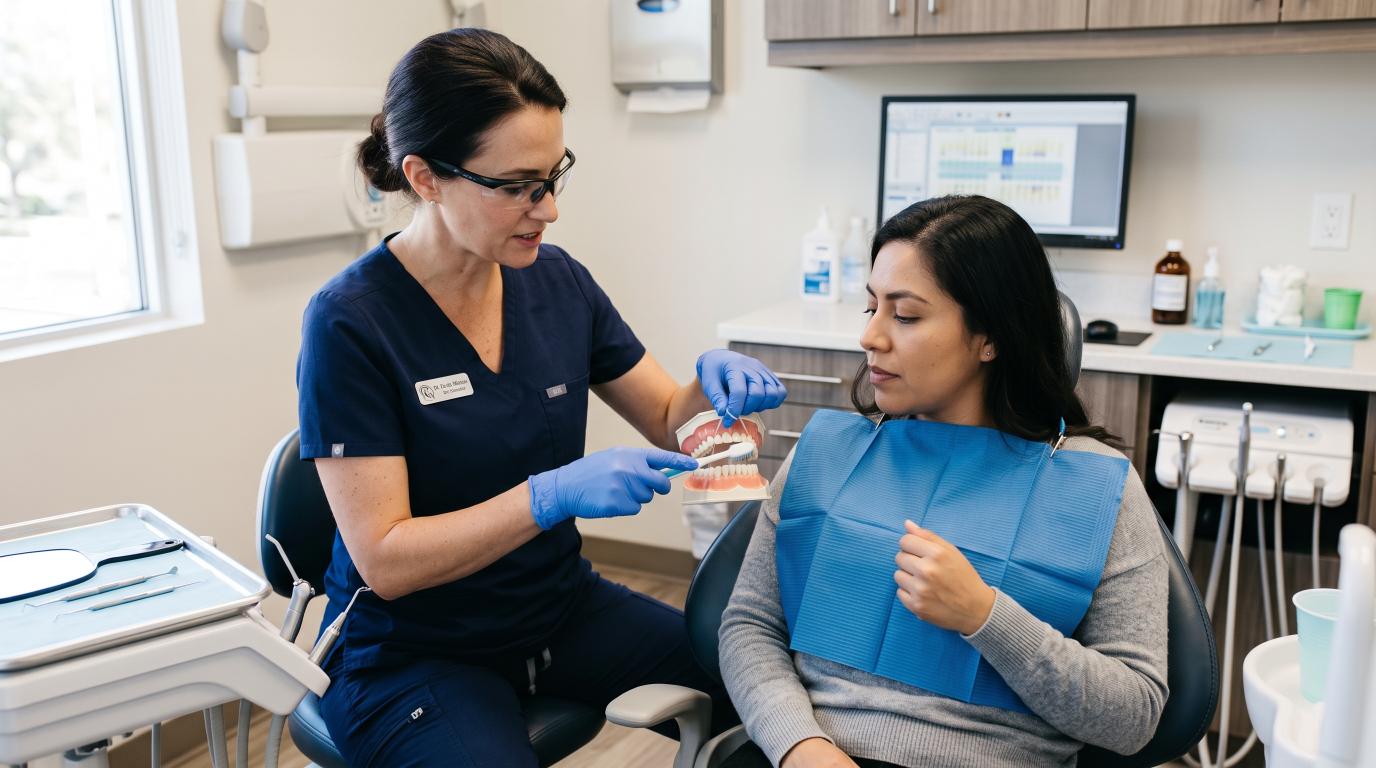
Your cosmetic dental work needs the same daily care as the rest of your smile. Brush your teeth twice a day using fluoride toothpaste. Clean between your teeth every day with floss or another method recommended by your dentist. Continue regular dental checkups and professional cleanings.
Avoid using your teeth to open packages, crack nuts, chew ice, or bite other hard objects. These habits can damage both natural teeth and dental restorations. If you grind your teeth, discuss it with your dentist. A protective appliance may be recommended in some cases.
You should also follow any care instructions given for your specific treatment. Whitening, veneers, bonding, implants, and aligners each have different maintenance needs.
Conclusion
Cosmetic dentistry is dental care designed mainly to improve the color, shape, spacing, alignment, proportion, or overall appearance of your smile. Teeth whitening, dental bonding, veneers, clear aligners, and gum reshaping are common examples. Some treatments, including dental implants and certain restorations, can improve both appearance and dental function.
How cosmetic dentistry works depends on what you want to change. A dentist first evaluates your teeth, gums, bite, and oral health before recommending treatment. Some procedures can provide noticeable results in one or a few visits, while orthodontic treatment, implants, or larger smile makeovers may take longer. Cost and how long results last also depend on the procedure, materials, daily habits, and ongoing dental care.
Cosmetic dentistry can provide value when the treatment matches your concerns, expectations, oral health, and budget. It is not necessary to change every tooth or completely redesign your smile. For many patients, addressing one concern such as discoloration, a chipped tooth, a small gap, or uneven alignment may be enough to create the improvement they want.
Explore Cosmetic Dentistry in Gilbert, AZ
If you are considering cosmetic dentistry in Gilbert, AZ, Vista Dorada Dental can help you understand which options may fit your smile goals and oral health. From stains and chips to gaps, alignment concerns, or missing teeth, treatment should be planned around your individual needs.
Schedule a consultation with Vista Dorada Dental in Gilbert, AZ, to discuss your concerns, compare cosmetic dentistry options, and learn what may work best for your smile.
Frequently Asked Questions
What is the most common cosmetic dental procedure?
Teeth whitening is one of the most common and well-known cosmetic dental treatments. It is designed to brighten natural teeth by reducing the appearance of stains and discoloration. Bonding, veneers, and clear aligners are also common options.
Is cosmetic dentistry worth it?
It depends on your goals, oral health, budget, and expectations. Cosmetic treatment may be worthwhile if there is a specific part of your smile you would like to change. A consultation can help you compare the expected benefit with the cost and maintenance involved.
Can cosmetic dentistry fix crooked teeth?
Certain mild alignment concerns may be improved with clear aligners or other cosmetic approaches. More complex crowding or bite problems may require orthodontic treatment. A dental examination can determine which approach is appropriate.
Can cosmetic dentistry fix gaps between teeth?
Yes, some gaps can be improved with dental bonding, veneers, or orthodontic treatment. The best choice depends on the size of the gap, tooth position, bite, and condition of the surrounding teeth.
Is cosmetic dentistry permanent?
Not usually. Whitening can fade, bonding and veneers may need repair or replacement, and aligner results need retainers. Good care helps results last longer.
Does insurance cover cosmetic dentistry?
Purely cosmetic work is often not covered, but plans differ. Treatment that also restores damaged or missing teeth may qualify for some benefits. Check your plan and estimate first.
How long does a cosmetic dental procedure take?
Treatment time depends on the procedure. Some whitening and bonding treatments may require only a short number of visits, while veneers, orthodontic treatment, implants, or a larger smile makeover can take longer. Your dentist can provide a more accurate schedule after examining your smile.