






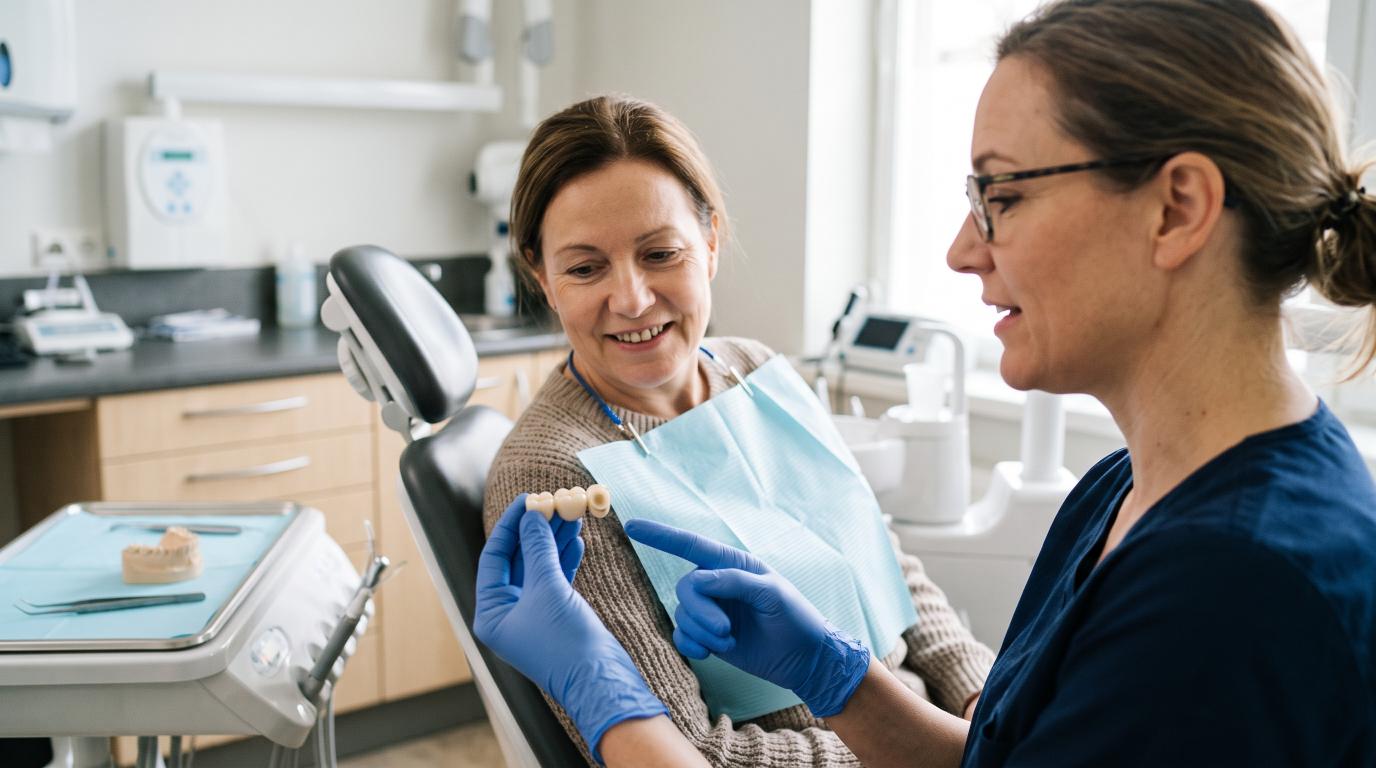

To protect your teeth from grinding, a properly fitted night guard can help reduce tooth wear and damage during sleep. Managing stress, recognizing daytime clenching, and addressing related health concerns may also help. However, a night guard protects your teeth without necessarily stopping the grinding itself.
At Vista Dorada Dental in Gilbert, AZ, our team helps patients identify signs of teeth grinding and understand their treatment options. Whether you experience morning jaw pain, tooth sensitivity, or worn enamel, this guide explains the causes, warning signs, and practical ways to protect your teeth from further damage.
What Is Teeth Grinding (Bruxism)?
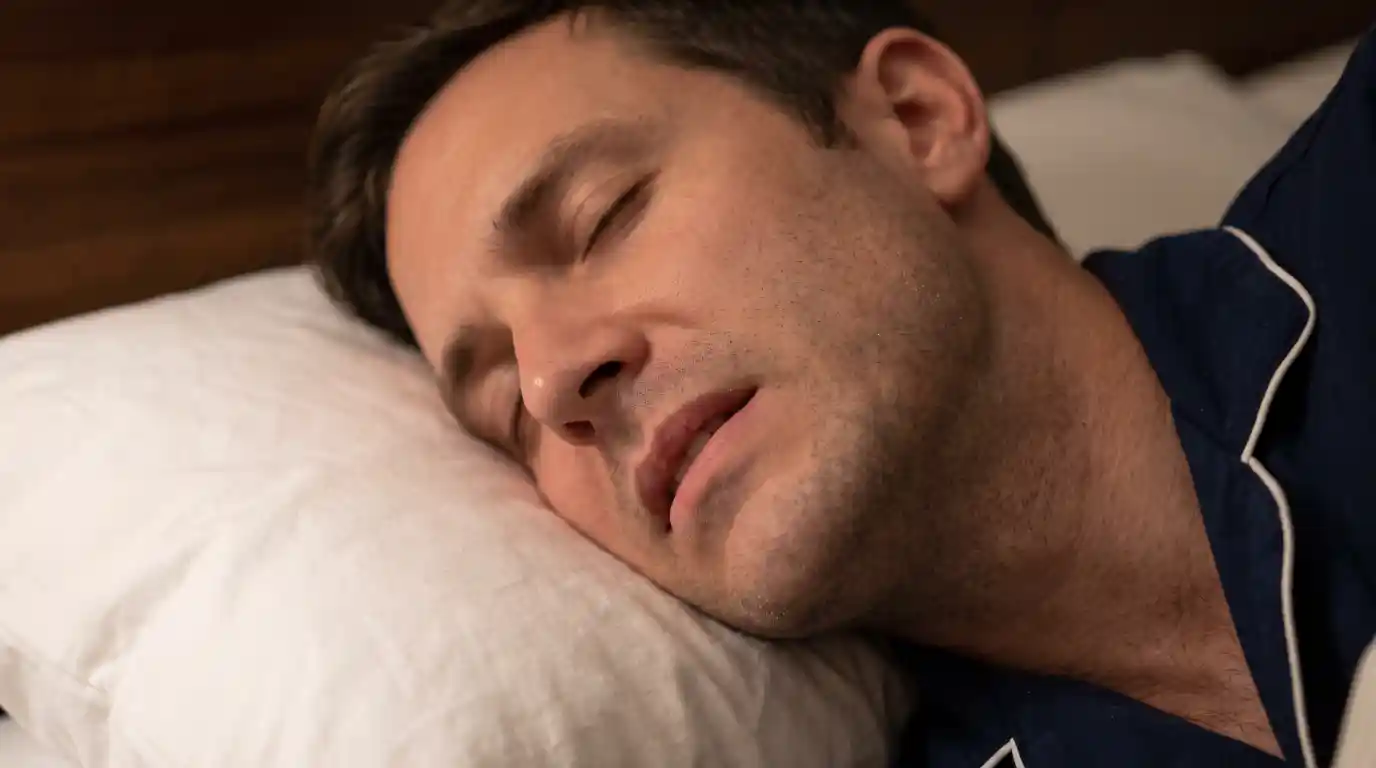
Teeth grinding, also called bruxism, occurs when a person repeatedly clenches, grinds, or presses their teeth together. It can happen while awake or during sleep, sometimes without the person realizing it.
Awake bruxism often involves clenching during concentration or stress, while sleep bruxism involves involuntary jaw muscle activity during sleep. Frequent or severe grinding may contribute to tooth wear, jaw discomfort, and damage to dental restorations. However, mild cases do not always require treatment.
Daytime vs. Nighttime Bruxism
Daytime bruxism usually involves clenching or holding the jaw muscles tense while working, concentrating, or experiencing stress. Because it happens while awake, some people can learn to recognize the habit and relax their jaw when they notice tension.
Nighttime bruxism occurs during sleep and may involve grinding or clenching without conscious awareness. A sleeping partner may hear grinding sounds, while other people notice morning jaw soreness or headaches. Both types can affect the teeth and jaw, but their management approaches may differ.
How to Stop Clenching Your Teeth During the Day
Daytime teeth clenching often happens without you noticing, especially while working, driving, or concentrating. Unlike nighttime grinding, awake clenching may be easier to manage by recognizing the habit and changing your resting jaw position.
These simple steps can help reduce daytime clenching:
- Keep your teeth slightly apart: When your jaw is relaxed, your upper and lower teeth should not remain pressed together. Check your jaw position throughout the day.
- Set regular reminders: Use phone notifications or sticky notes to remind yourself to relax your jaw and avoid unnecessary clenching.
- Manage daily stress: Take short breaks, practice slow breathing, or try relaxing activities when you notice tension building.
- Avoid unnecessary jaw strain: Limit habits such as chewing pens, biting nails, or repeatedly chewing gum, especially if your jaw feels sore.
- Pay attention to symptoms: If you frequently experience jaw tightness, headaches, or tooth sensitivity, discuss these concerns with the dental team.
According to the National Institute of Dental and Craniofacial Research, increasing awareness of jaw position and using reminders to keep teeth apart may help reduce awake bruxism. These habits can support better jaw comfort, although persistent clenching may require professional evaluation.
Why Teeth Grinding Happens
Teeth grinding does not always have one identifiable cause. Research suggests that stress, lifestyle habits, certain medications, and sleep-related factors may contribute to bruxism. Understanding these factors can help determine which management strategies may be appropriate.
- Stress and Anxiety: Emotional stress and increased tension are commonly associated with bruxism, especially daytime jaw clenching. Some people notice they press their teeth together when concentrating or feeling anxious.
- Sleep Disorders and Sleep Apnea: Sleep bruxism and obstructive sleep apnea can occur together, but one does not necessarily cause the other. Loud snoring, breathing interruptions during sleep, or persistent daytime sleepiness may indicate a need for a sleep evaluation.
- Lifestyle Habits: Caffeine, alcohol, and tobacco use have been associated with teeth grinding. These habits can also affect sleep and overall health, making them important to discuss during an evaluation.
- Medications and Medical Conditions: Certain medications, including some used for depression or attention deficit hyperactivity disorder, may be associated with bruxism. Patients who notice grinding after a medication change should consult their prescribing healthcare professional rather than stopping medication independently.
- Family History and Other Risk Factors: Bruxism can occur in several members of the same family, suggesting that genetics may contribute. Age, stress levels, and other individual factors can also influence the likelihood of grinding.
Identifying possible contributing factors may help guide treatment, although the exact cause of teeth grinding is not always clear.
Why Teeth Grinding Is Harmful
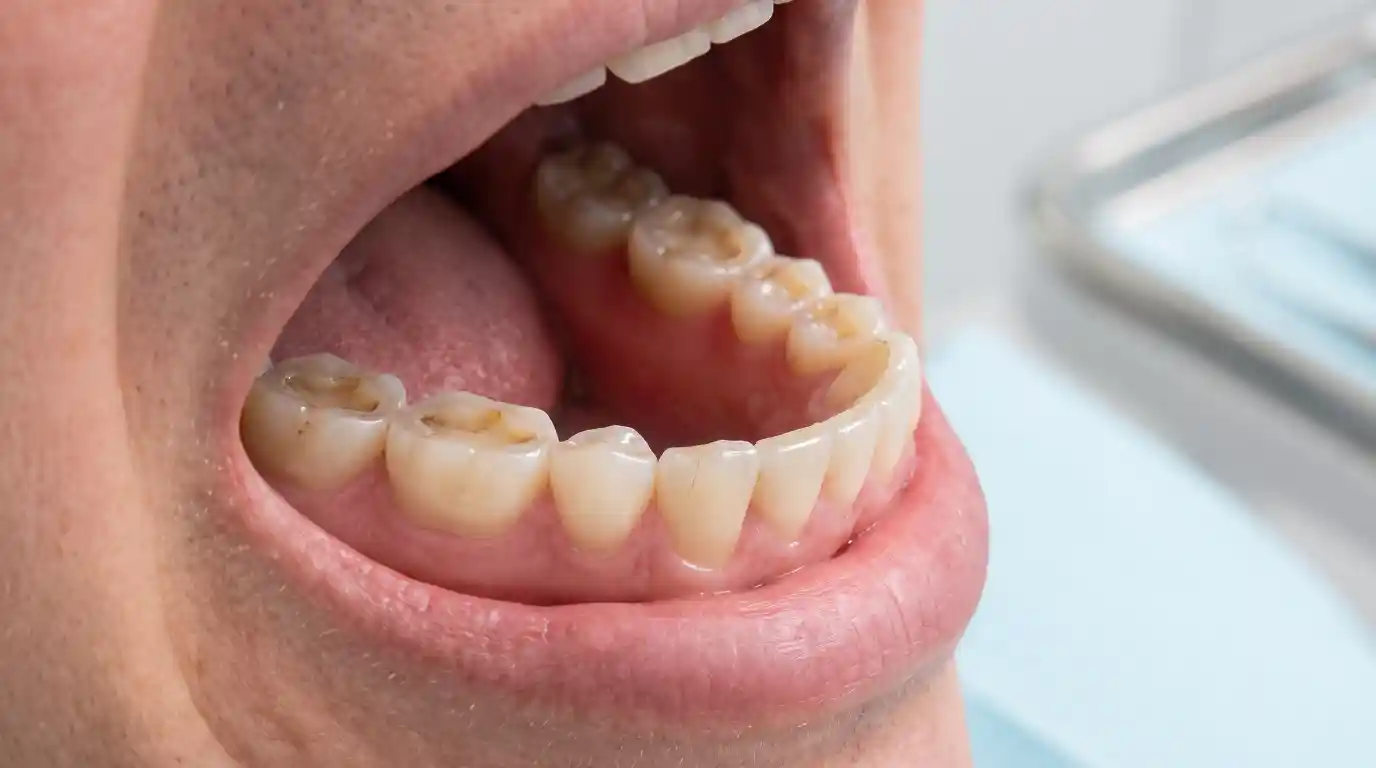
Grinding puts far more pressure on your teeth than normal chewing, and over time this pressure adds up to real damage. The repeated force from grinding can crack fillings, crowns, and even natural teeth, sometimes without any pain until the damage has already progressed.
Constant grinding puts stress on the jaw joint, which can lead to TMJ disorders, clicking or popping sounds, and ongoing discomfort when chewing or talking. Left untreated, grinding can lead to worn down enamel, gum recession, and a higher risk of tooth decay, since damaged enamel no longer protects teeth as well as it should.
Signs and Symptoms of Teeth Grinding
Teeth grinding can happen while you are awake or asleep, and some people do not recognize the habit until symptoms develop. Common warning signs include changes in the teeth, jaw discomfort, and recurring headaches.
- Tooth Pain and Sensitivity: Frequent grinding may wear down enamel and expose sensitive tooth structures. This can cause discomfort when eating hot, cold, or sweet foods.
- Jaw Pain and Muscle Tightness: Waking up with a sore, tired, or stiff jaw may indicate nighttime clenching or grinding. Some people also notice discomfort when chewing.
- Headaches and Facial Pain: Repeated jaw muscle activity may contribute to headaches around the temples or soreness in the face. These symptoms can have other causes, so a dental examination may be needed.
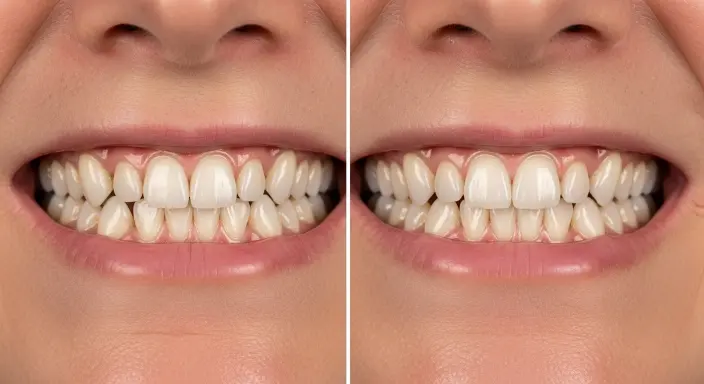
- Worn, Chipped, or Cracked Teeth: Flattened chewing surfaces, chipped enamel, or damaged restorations may be signs of grinding. However, tooth wear alone cannot confirm that grinding is currently happening.
- Grinding Sounds During Sleep: A sleeping partner may hear clicking or grinding sounds at night, even when the person grinding their teeth remains unaware of the habit.
Recognizing these signs can help you decide when to seek an evaluation. Persistent jaw pain, tooth sensitivity, or visible tooth damage should be discussed with the dental team.

Home Remedies to Reduce Teeth Grinding
Some home-care habits may help relieve jaw tension and manage factors associated with teeth grinding. Although these approaches cannot guarantee that nighttime grinding will stop, they may improve comfort and support healthier sleep habits.
- Apply a warm compress: Place a comfortably warm compress against the jaw for a short period to help relax sore muscles. Avoid excessive heat that could irritate the skin.
- Practice relaxation techniques: Slow breathing, meditation, or another calming activity before bedtime may help manage stress-related tension.
- Maintain a consistent sleep schedule: Going to bed and waking up at regular times may support better sleep quality.
- Limit caffeine and alcohol: Reducing these substances, particularly later in the day, may help manage factors associated with sleep bruxism.
- Avoid unnecessary jaw strain: Limit chewing gum, biting pens, or eating very hard foods when your jaw feels painful or tired.
Gentle jaw movements may help some people with muscle discomfort, but avoid forceful stretching or exercises that increase pain. If jaw soreness continues, ask the dental team whether professional evaluation or guided exercises would be appropriate.
Professional Treatments for Bruxism
Treatment usually depends on what is causing the grinding and how severe it has become, which is why a dentist typically starts by evaluating your specific situation before recommending a plan.
Custom-Fitted Night Guards
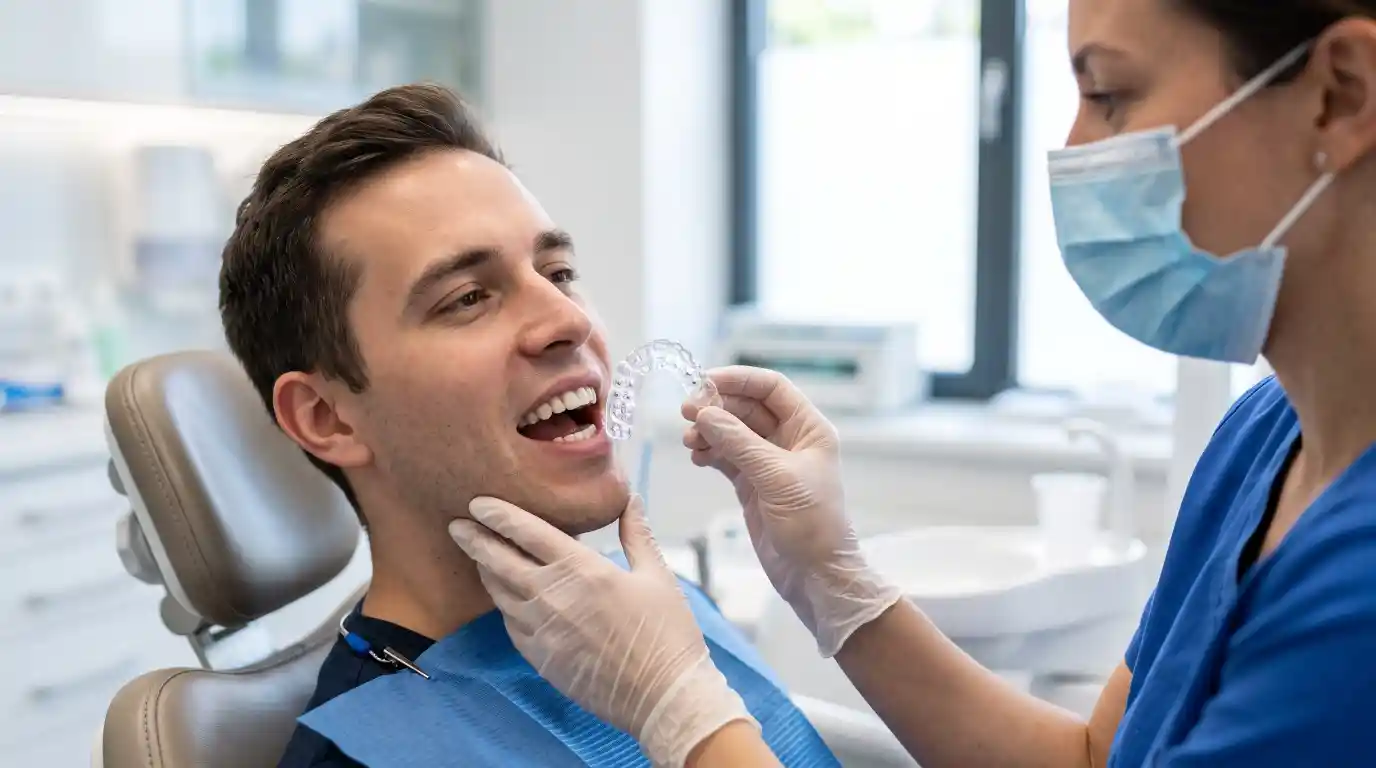
Unlike drugstore versions, a custom guard is made to match your exact bite, making it more comfortable and far more effective at protecting your teeth. Because it is molded specifically for your mouth, it stays in place better through the night and distributes the force of grinding evenly, rather than concentrating pressure on just a few teeth the way an ill-fitting guard might.
Treating the Underlying Cause
If stress, sleep apnea, or another condition is driving the grinding, treating that root cause directly is often the most effective long term solution. A night guard protects your teeth from damage, but it does not stop the grinding itself, so addressing what is actually triggering it, whether that means stress management, a sleep study, or another approach, gives you the best chance at real, lasting improvement.
Physical Therapy for Jaw Muscles
For patients with ongoing jaw pain, physical therapy focused on the jaw and neck muscles can relieve tension and improve range of motion. A physical therapist can teach specific stretches and exercises designed to loosen tight muscles around the jaw, which can reduce pain and make everyday actions like chewing or talking more comfortable.
How to Clean and Maintain Your Night Guard
A night guard helps protect your teeth from grinding-related damage, but regular cleaning and proper storage are important for keeping the appliance in good condition. A poorly maintained or damaged guard may become uncomfortable and may need replacement.
Follow these steps to care for your night guard:
- Rinse after each use: Wash the guard with cool water after removing it in the morning to clear away saliva and loose debris.
- Clean it gently: Use a soft toothbrush and a cleaner recommended for your appliance. Follow the dental team’s instructions because cleaning requirements can vary by material.
- Avoid hot water: High temperatures can distort some night guard materials and affect their fit.
- Store it properly: Allow the guard to dry as instructed and keep it in a clean, ventilated protective case.
- Check for damage: Look for cracks, rough edges, changes in fit, or excessive wear. Contact the dental team if the guard becomes uncomfortable or damaged.
The American Dental Association recommends regular cleaning, proper storage, and checking mouthguards for damage. Bring your night guard to routine dental appointments so the dental team can evaluate its condition and fit.
How Dentists Diagnose Teeth Grinding
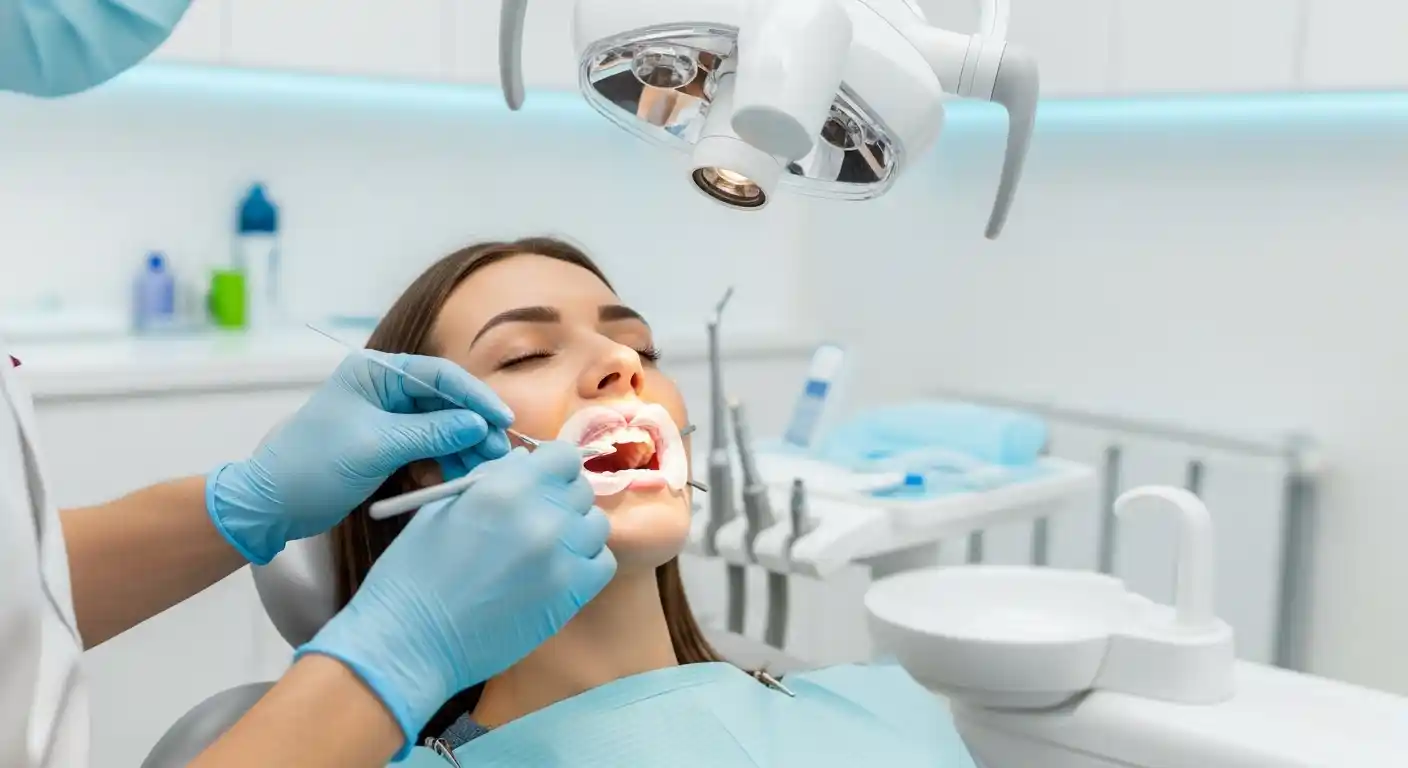
A dentist can often spot bruxism right away by checking for wear patterns, flattened teeth, or damage to fillings and crowns during a routine exam. If sleep apnea is suspected as an underlying cause, your dentist may recommend a sleep study to get a clearer picture of what is happening at night.
Severe jaw pain or suspected TMJ disorders may call for a referral to an oral surgeon or TMJ specialist for more advanced evaluation and treatment.
When to See a Dentist
Knowing when a sore jaw is just tension, and when it is a sign of something more serious, can save you from bigger dental problems down the road.
Warning Signs You Shouldn’t Ignore
Ongoing jaw pain, frequent headaches, or noticeably worn teeth are all signs it is time to schedule a dental visit rather than waiting it out. These symptoms often build up slowly, so it is easy to write off a sore jaw as a bad night’s sleep, when in reality your body may be telling you that grinding has already started to cause real damage. Catching these signs early usually means simpler, less expensive treatment.
Emergency Symptoms That Need Immediate Care
A cracked tooth, sudden severe jaw pain, or a jaw that feels stuck or locked should be treated as a dental emergency and addressed right away. These symptoms tend to appear suddenly and can affect your ability to eat, speak, or open your mouth comfortably, so it is best to contact your dentist immediately rather than waiting for your next scheduled visit.
Conclusion
Protecting your teeth from grinding starts with recognizing warning signs and understanding the factors that may contribute to bruxism. A properly fitted night guard can help limit tooth damage, while stress management, healthy sleep habits, and daytime jaw awareness may provide additional support. Not everyone who grinds their teeth requires treatment, but persistent jaw pain, tooth sensitivity, or visible wear should be evaluated. Regular dental examinations and appropriate care can help protect your teeth and manage complications before further damage develops.
Protect Your Smile With Vista Dorada Dental
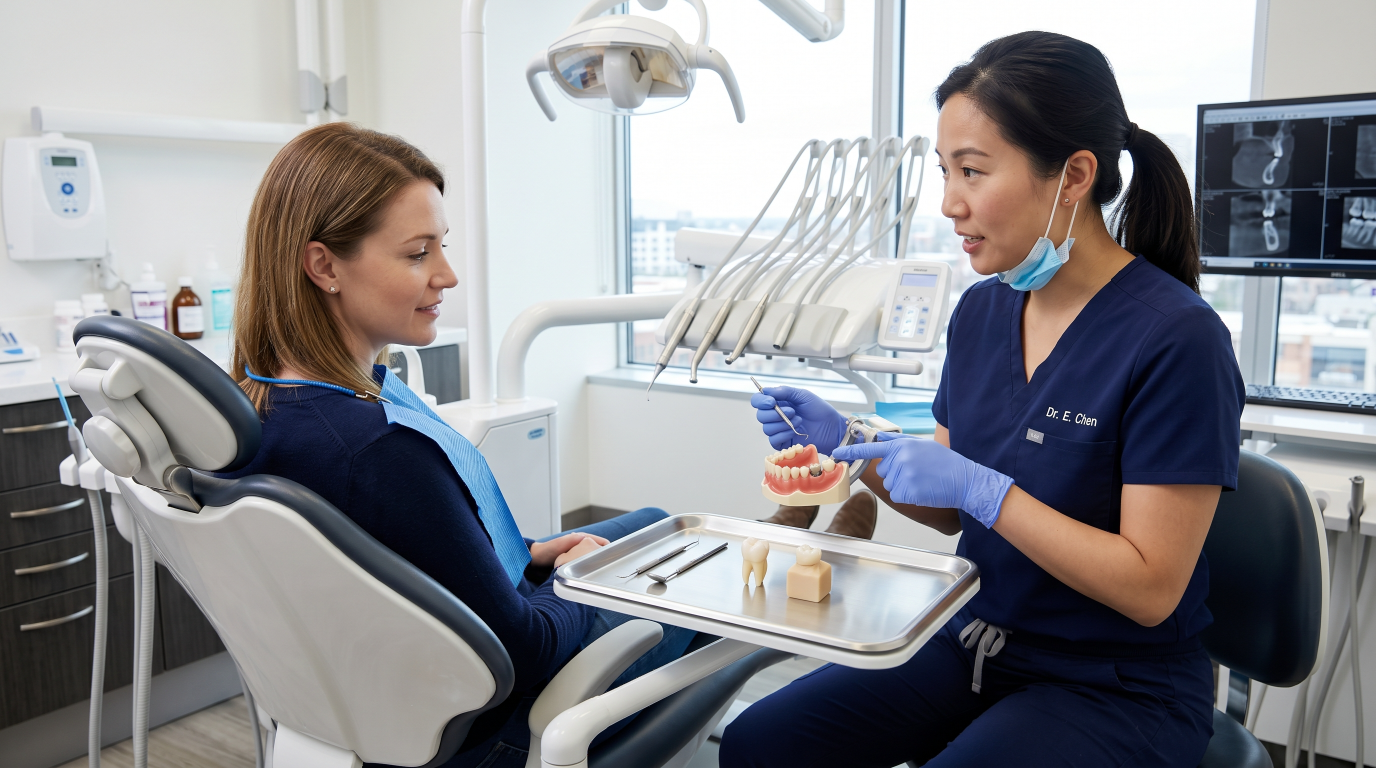
If you think you might be grinding your teeth, do not wait for the damage to get worse. The team at Vista Dorada Dental in Gilbert, AZ can check for signs of wear, fit you for a custom night guard, and build a treatment plan around your specific needs.
Whether you are dealing with jaw pain, worn teeth, or morning headaches, our friendly team is ready to help you find real relief. Contact us today to schedule a visit and start protecting your smile for the long run.
Frequently Asked Questions
How Do I Stop Grinding My Teeth at Night?
A night guard can protect your teeth from damage but may not stop nighttime grinding. Managing stress, improving sleep habits, and discussing possible contributing factors with the dental team may help determine suitable treatment.
Is a Night Guard the Best Way to Protect My Teeth?
A properly fitted night guard is a commonly recommended way to protect teeth from grinding-related damage. Custom guards can be adjusted to fit individual dental needs, but the most suitable appliance depends on the patient’s condition.
Can Stress Cause Teeth Grinding?
Yes, stress and anxiety are associated with bruxism, particularly daytime clenching. However, sleep bruxism can involve several factors, and stress is not the only possible contributor.
How Do I Know if I’m Grinding My Teeth While Sleeping?
Morning jaw soreness, headaches, and reports of grinding sounds from a sleeping partner may indicate sleep bruxism. A dental examination can identify possible signs, but tooth wear alone cannot confirm active grinding.
Can Teeth Grinding Damage Dental Crowns, Fillings, or Veneers?
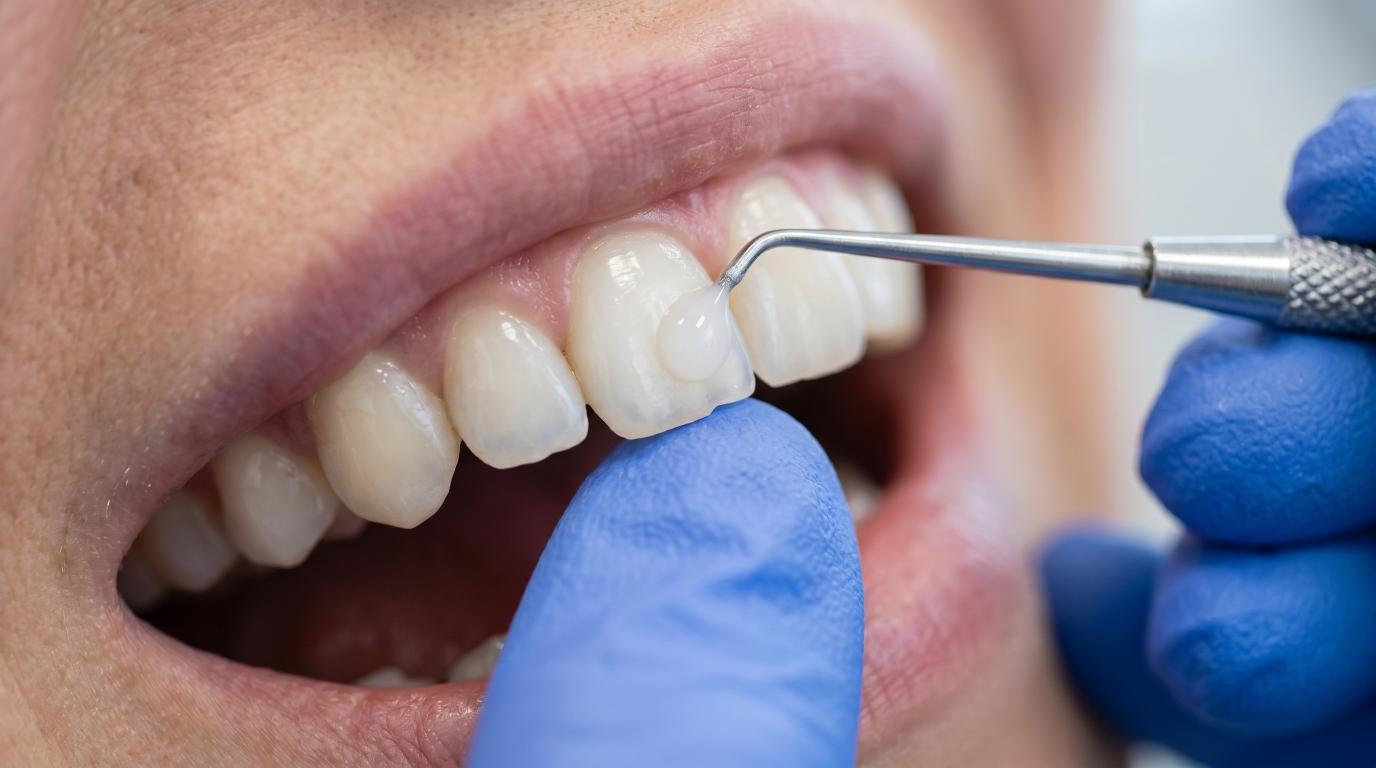
Yes, repeated grinding forces may damage crowns, fillings, veneers, and natural teeth. A dental examination can help determine whether a protective night guard or restoration repair is appropriate.
What Happens if Bruxism Is Left Untreated?
Frequent or severe grinding may contribute to worn enamel, cracked teeth, jaw muscle pain, and damaged restorations. Mild cases may not require treatment, but persistent symptoms or tooth damage should be evaluated.