







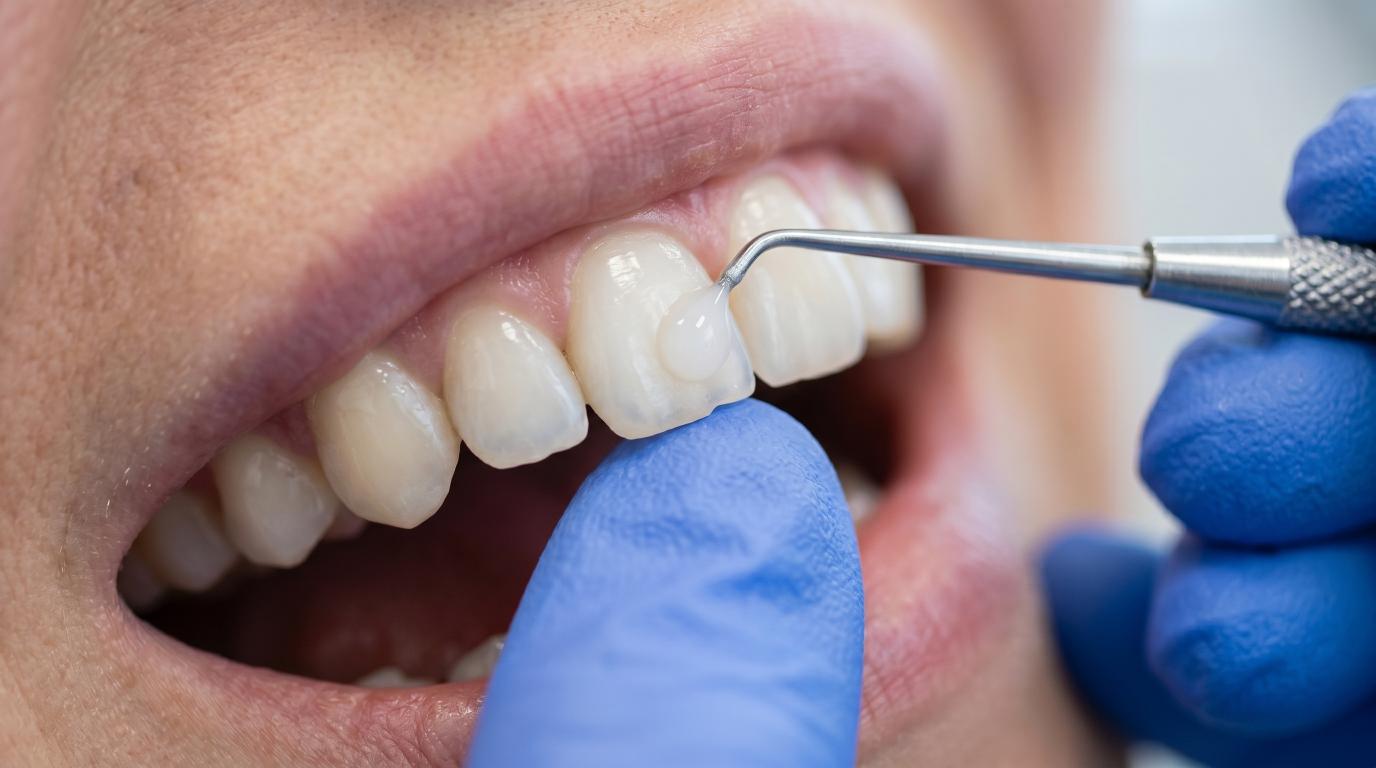

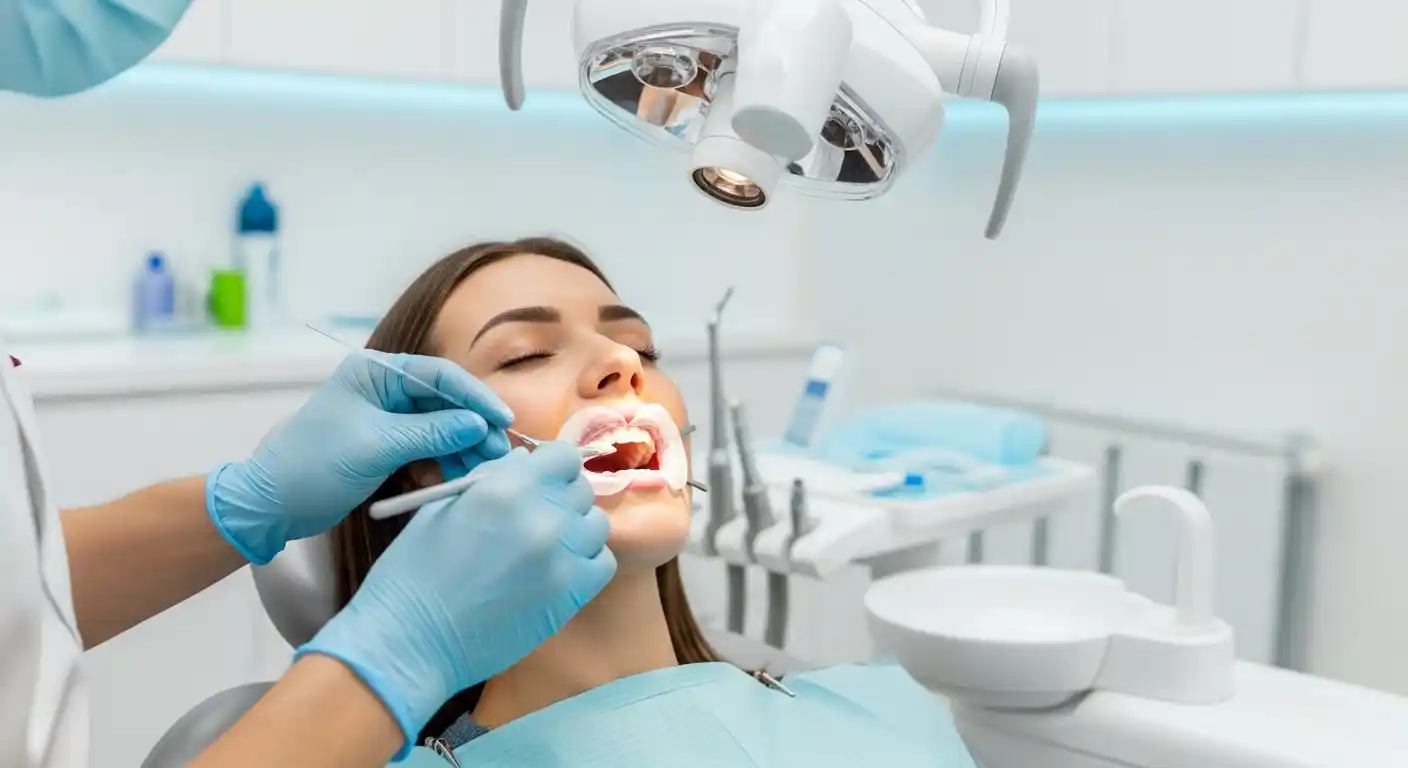
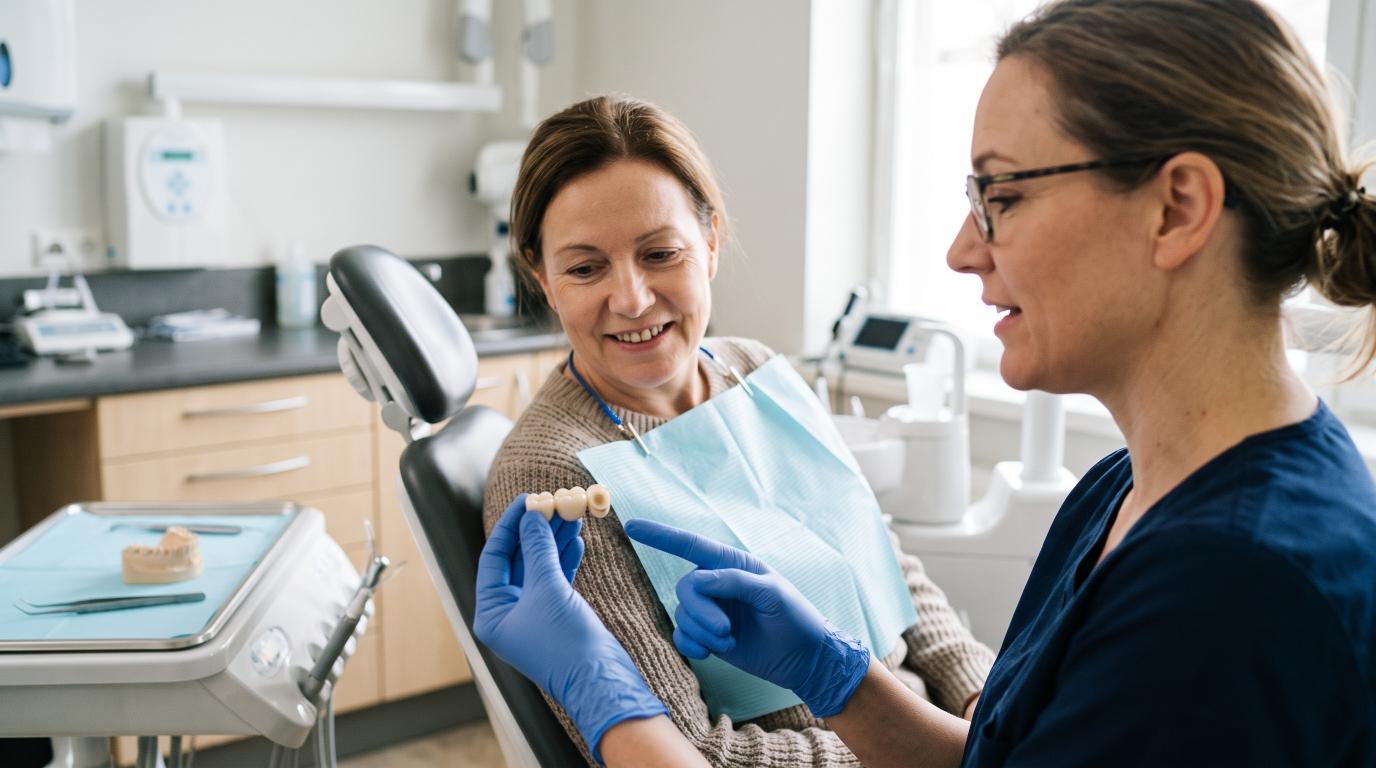

A dental crown is a custom-made cap that covers a damaged, weakened, or heavily restored tooth to help restore its shape, strength, and function. Crowns are commonly used for cracked teeth, large cavities, worn-down teeth, and certain teeth treated with root canal therapy. They can also be placed over dental implants to replace missing teeth.
At Vista Dorada Dental in Gilbert, AZ, our team helps patients understand when a crown may be needed and which restoration is suitable. This guide explains the different types of dental crowns, how the procedure works, their benefits, possible risks, costs, and long-term care.
What Is a Dental Crown?
A dental crown is a custom-made restoration that covers the visible portion of a tooth to restore its shape, appearance, and function. It helps protect weakened tooth structure and allows the tooth to withstand normal biting and chewing forces.
Crowns are often recommended when a tooth has extensive decay, a large filling, significant wear, or damage that cannot be adequately repaired with a smaller restoration. They may also be used after root canal treatment or attached to dental implants.
Dental crowns can be made from ceramic, metal, or a combination of materials. The most suitable option depends on the tooth’s location, remaining structure, biting pressure, and appearance goals.

When Do You Need a Dental Crown?
A dental crown may be needed when a tooth is damaged, weak, cracked, worn down, or treated with a root canal and needs extra protection.
Broken or Cracked Teeth
A dental crown may be recommended when a tooth has a fracture or crack that weakens its structure. By covering the affected tooth, a crown can help support the remaining structure and reduce stress on damaged areas during chewing.
However, not every cracked tooth requires a crown, and some severe fractures may not be restorable. A dental examination helps determine the extent of the damage and whether a crown can provide appropriate protection.
Large Fillings That Weaken Teeth
Every time a cavity is filled, some natural tooth structure is removed. When a tooth has a very large filling, especially one that takes up most of the tooth, the remaining walls become thin and fragile. A crown covers the entire tooth and prevents those thin walls from fracturing under pressure.
After Root Canal Treatment
A dental crown is often recommended after root canal treatment, particularly for molars and premolars that experience strong chewing forces. These teeth may have lost significant natural structure because of decay, fractures, or previous restorations.
A crown can help protect the remaining tooth structure and restore function after treatment. However, not every root canal-treated tooth requires a crown. The decision depends on the tooth’s location, condition, and how much healthy structure remains.
Worn-Down Teeth
Teeth grinding, also called bruxism, and acid erosion from diet or acid reflux can wear teeth down significantly over time. When a tooth becomes too short or flat to function properly, a crown rebuilds it to the correct height and shape so your bite works the way it should.
Cosmetic Improvements
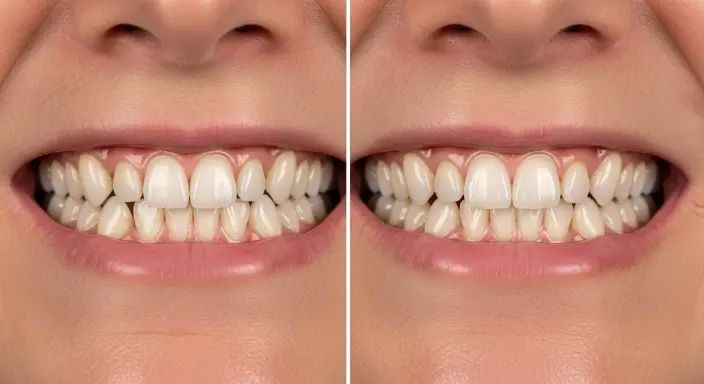
Crowns are sometimes used to improve the appearance of a tooth that is severely discoloured, misshapen, or poorly proportioned. While veneers are often the first choice for cosmetic work, a crown is a better option when the tooth also has structural damage that needs addressing at the same time.

Dental Crown vs Filling: What’s the Difference?
A dental filling repairs a damaged or decayed portion of a tooth, while a dental crown covers the entire visible tooth to provide broader protection. The right treatment depends on how much healthy tooth structure remains and the extent of the damage.
Fillings are commonly used for small to moderate cavities when enough natural tooth remains to support the restoration. Crowns may be recommended for teeth with extensive decay, large existing fillings, or fractures that require additional support.
For example, a small cavity may only need a filling, while a severely damaged tooth may benefit from a crown. A dental examination can help determine which restoration is appropriate for maintaining tooth strength and function.
Types of Dental Crowns
Dental crowns are available in several materials, including porcelain, zirconia, metal, porcelain-fused-to-metal, and resin. Each material differs in appearance, strength, wear resistance, and suitability for certain teeth.
Porcelain Crowns
Porcelain crowns are tooth-colored ceramic restorations designed to closely resemble natural teeth. They are often considered for visible teeth because of their appearance. However, some porcelain materials may be more susceptible to chipping under heavy biting pressure.
Zirconia Crowns
Zirconia crowns are made from a strong ceramic material that can be used for both front and back teeth. They offer durability along with a tooth-colored appearance, although their translucency and appearance vary by material. A dentist can determine whether zirconia is appropriate based on the tooth’s location and bite.
Metal Crowns
Metal crowns are made from gold alloys or other dental metals. They are known for durability and resistance to fracture, making them useful for certain back teeth. Their main limitation is their metallic appearance, which may be noticeable when smiling.
Porcelain-Fused-to-Metal Crowns
Porcelain-fused-to-metal crowns combine a metal framework with an outer porcelain layer. They provide structural support while offering a tooth-colored appearance. However, the porcelain can chip, and the metal edge may become visible near the gumline in some cases.
Resin Crowns
Resin crowns are made from tooth-colored composite materials and are often used for temporary or selected longer-term restorations. They may wear or discolor more readily than some ceramic and metal options. Their suitability depends on the expected duration of use and the forces placed on the tooth. The choice of crown material depends on the tooth’s condition, location, appearance, and functional needs.

Dental Crown Procedure Step by Step
Learn what happens during a dental crown procedure, from the first examination and tooth preparation to placing and fitting the final crown.
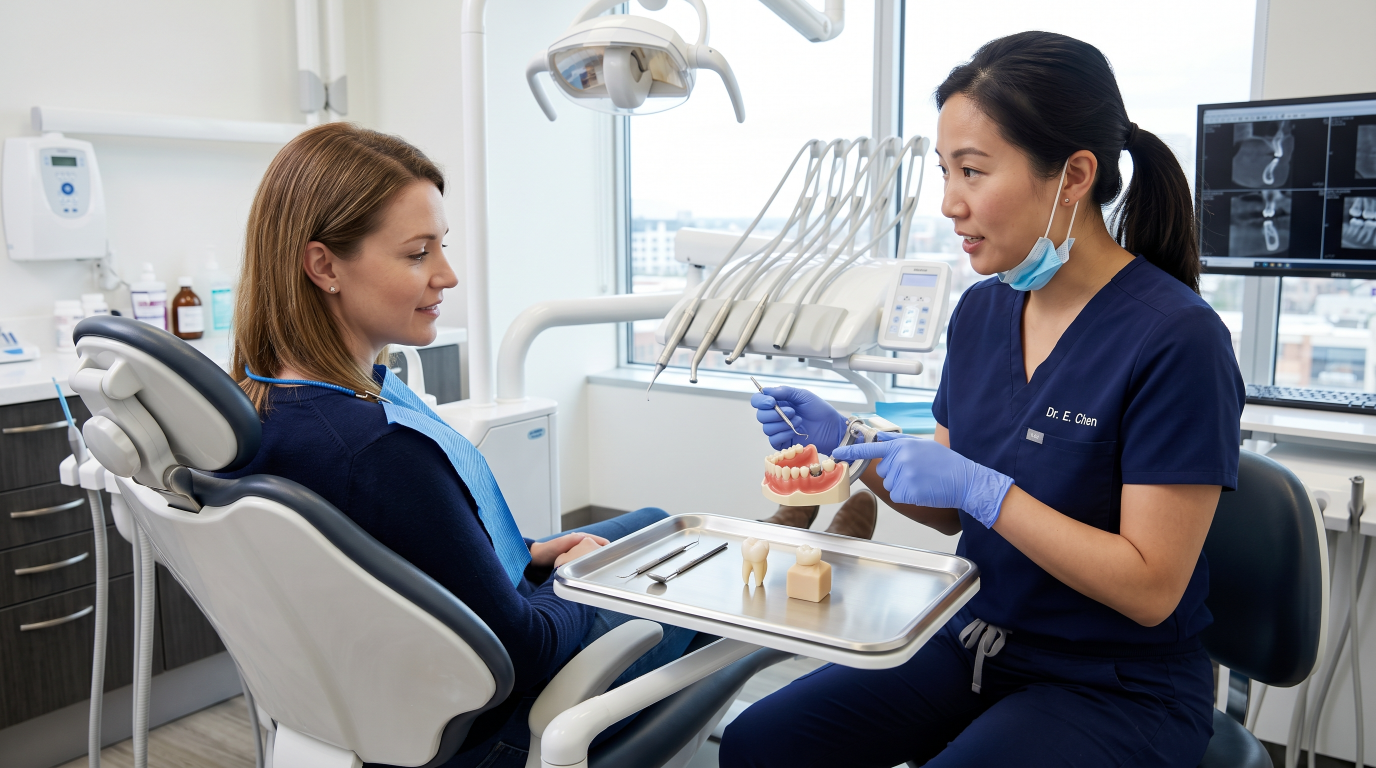
Initial Dental Examination
Before any treatment begins, your dentist will examine the tooth thoroughly and take X-rays to assess how much damage is present, whether the roots and surrounding bone are healthy, and whether a crown is the right treatment. If the tooth has significant decay or infection, that needs to be addressed first.
Tooth Preparation
On the day of the procedure, the tooth is numbed with local anesthesia. The dentist then reshapes the tooth by removing a thin layer from all sides to create room for the crown to fit over it. If the tooth is severely broken down, the dentist may need to build it up with filling material first so there is enough structure to support the crown.
Taking Impressions or Digital Scans
Once the tooth is prepared, an impression or digital scan of the mouth is taken. This gives the dental lab an exact model to work from so the crown fits perfectly against neighboring teeth and your bite feels natural. A physical impression uses putty material, while a digital scan uses a small camera to capture a precise 3D image.
Temporary Crown Placement
After the impression is taken, a temporary crown made from acrylic is placed over the prepared tooth to protect it while the permanent crown is being made in the lab. This process usually takes one to two weeks. The temporary crown is not as strong as the permanent one, so some care is needed during this period.
Final Crown Fitting
When the permanent crown is ready, you return to the office for final placement. The dentist removes the temporary crown, checks the fit and color of the new crown, makes any minor adjustments needed, and then cements it permanently in place. This appointment is usually quick and straightforward.
How Long Does a Dental Crown Procedure Take?
A traditional dental crown procedure usually requires two appointments, while a same-day crown may be completed in a single visit. The total treatment time depends on the tooth’s condition, required preparation, and method used to make the crown.
During a traditional procedure, the first visit involves preparing the tooth and taking an impression or digital scan. A temporary crown may be placed while a dental laboratory creates the final restoration. At the second appointment, the permanent crown is checked, adjusted, and secured.
Vista Dorada Dental also offers same-day CEREC dental crowns in Gilbert, allowing eligible patients to receive a crown in one appointment. The dental team can explain which option is appropriate and how much appointment time to expect.
Are Dental Crowns Painful?
Getting a dental crown is generally manageable, and local anesthesia is commonly used to reduce discomfort during tooth preparation. Patients may feel pressure or vibration while the tooth is being shaped, but the area is usually numbed during treatment. After the procedure, mild sensitivity or gum tenderness can occur as the surrounding tissues recover. This discomfort often improves within a few days, although recovery varies depending on the tooth’s condition and any additional treatment performed. If pain becomes severe, continues to worsen, or makes biting uncomfortable, contact the dental office for an evaluation. A dentist can check whether the crown or underlying tooth requires attention.
Benefits of Dental Crowns
Dental crowns help protect damaged teeth, restore chewing function, and improve the appearance of teeth affected by decay, fractures, or significant wear. They provide coverage when a filling or smaller restoration may not offer enough support. A properly fitted crown can help distribute biting pressure across the restored tooth and reduce the risk of further damage to weakened areas.
Tooth-colored crowns can also improve the appearance of discolored or misshapen teeth. Another benefit is preserving natural teeth when sufficient healthy structure remains. With appropriate care and regular dental examinations, crowns can provide reliable function for many years.
Risks and Disadvantages of Dental Crowns
Dental crowns have some limitations, including the need to remove natural tooth structure during preparation and the possibility of sensitivity, damage, or replacement over time. Although crowns are designed for durability, they are not free from complications. Some patients experience temporary sensitivity to hot or cold foods after treatment.
Crowns may also become loose, chip, or wear down, particularly when exposed to heavy biting forces or teeth grinding. The natural tooth beneath a crown can still develop decay, especially around the crown’s edges. Maintaining good oral hygiene and attending regular dental checkups can help reduce these risks. A dentist should examine a crown that feels loose, painful, or uncomfortable when biting.
How Long Do Dental Crowns Last?
Dental crowns commonly last around 10 to 15 years, although some may need replacement sooner and others can last considerably longer. Their lifespan depends on the crown material, remaining tooth structure, biting pressure, and daily oral care.
Teeth grinding, chewing hard objects, and untreated decay around the crown can affect its durability. The fit of the restoration and the condition of the underlying tooth also influence how long it remains functional.
Regular brushing, flossing, and dental checkups help protect crowned teeth. If a crown becomes loose, develops visible cracks, or causes discomfort when biting, a dental examination can determine whether it needs adjustment, repair, or replacement.
How to Care for a Dental Crown
Caring for a crown is not complicated. Brush twice a day and floss once a day, paying attention to the area where the crown meets the gumline. Bacteria and plaque collect there just like on natural teeth, and if not cleaned regularly, decay can develop on the tooth structure underneath the crown. Avoid chewing on ice, hard candy, or using your teeth to open packages, as these habits can crack or dislodge a crown.
If you grind your teeth at night, talk to your dentist about a nightguard to protect the crown while you sleep. Keep your scheduled dental checkup appointments so your dentist can monitor the crown and catch any issues before they become bigger problems.
Dental Crown Cost
The cost of a dental crown varies depending on the material used, the condition of the tooth, and the complexity of the treatment. Crowns generally require a greater investment than simple fillings because they involve additional tooth preparation and a custom-made restoration.
Factors such as the type of crown, laboratory work, and any additional treatment can affect the final cost. A tooth that requires buildup or other restorative care may have different treatment expenses than one needing only a crown.
Dental insurance may cover part of the cost when a crown is medically necessary, but coverage depends on the individual plan. At Vista Dorada Dental in Gilbert, AZ, patients can discuss available treatment options and receive a personalized cost estimate before proceeding.
Dental Crown Alternatives
Alternatives to dental crowns include porcelain veneers, inlays, onlays, and other restorative treatments, depending on how much healthy tooth structure remains. The best option depends on the extent of the damage and whether the tooth needs cosmetic improvement or additional support.
- Porcelain veneers: Cover the front surface of a tooth and are generally considered for cosmetic improvements when the tooth is structurally healthy.
- Dental inlays: Restore damaged areas within the chewing surface of a tooth without covering the entire tooth.
- Dental onlays: Repair larger damaged areas and cover one or more chewing cusps while preserving other parts of the tooth.
- Dental implants: May be considered when a severely damaged tooth cannot be saved and needs replacement.
A crown provides broader coverage than a veneer or partial restoration. A dental examination can help determine whether a less extensive treatment can adequately restore the tooth.

Need a Dental Crown in Vista Dorada?
If you have a cracked, weakened, or heavily restored tooth, a dental crown may help protect it and restore comfortable function. The right treatment depends on the condition of the tooth and the amount of healthy structure remaining.
At Vista Dorada Dental in Gilbert, AZ, our team can evaluate your tooth, explain suitable restorative options, and help you understand the treatment process. Book your appointment to learn whether a dental crown is appropriate for your needs.
Conclusion
Dental crowns can restore damaged teeth, provide additional protection, and improve chewing function when smaller restorations are not sufficient. Different crown materials offer varying benefits, and the treatment process depends on the condition of the tooth and the type of restoration selected.
Although crowns can last for many years, proper oral hygiene and routine dental checkups remain important for maintaining the underlying tooth. If you have a cracked tooth, a large filling, or a tooth treated with root canal therapy, a dental examination can help determine whether a crown is the right treatment.
Frequently Asked Questions
Are dental crowns permanent?
Crowns are not considered permanent because they do eventually wear down and may need replacement after 10 to 15 years or more. However, the tooth preparation done to fit the crown is permanent, meaning the tooth will always need some form of crown coverage going forward.
Can a crown fall off?
The crown can come loose if the dental cement breaks down, if the tooth underneath develops decay, or if the crown is very old. If your crown falls off, keep it safe, avoid chewing on that side, and call your dentist as soon as possible.
Can you eat normally with a crown?
Once a crown is fully cemented and your bite feels comfortable, you can eat normally. It is best to avoid extremely hard or sticky foods as a general precaution to extend the life of the crown.
How do you clean a dental crown?
Clean it exactly as you would a natural tooth. Brush twice a day with fluoride toothpaste and floss daily. Pay special attention to the gumline around the crown, as this is where plaque tends to build up.
Are crowns covered by insurance?
Most dental insurance plans cover a portion of the crown cost when it is medically necessary. Coverage typically applies after a waiting period and after your annual deductible is met. Check your specific plan for details on what percentage is covered and whether there is an annual maximum that applies.
Can a Tooth Still Decay Under a Crown?
Yes, the natural tooth underneath a dental crown can still develop cavities, especially around the edges where the crown meets the tooth. Plaque buildup and poor oral hygiene can increase this risk. Brushing twice daily, flossing regularly, and attending routine dental checkups help protect the underlying tooth. If a crown becomes loose or causes discomfort, schedule a dental examination.