
What Is Cosmetic Dentistry? A Complete Guide to Treatments, Benefits & Results
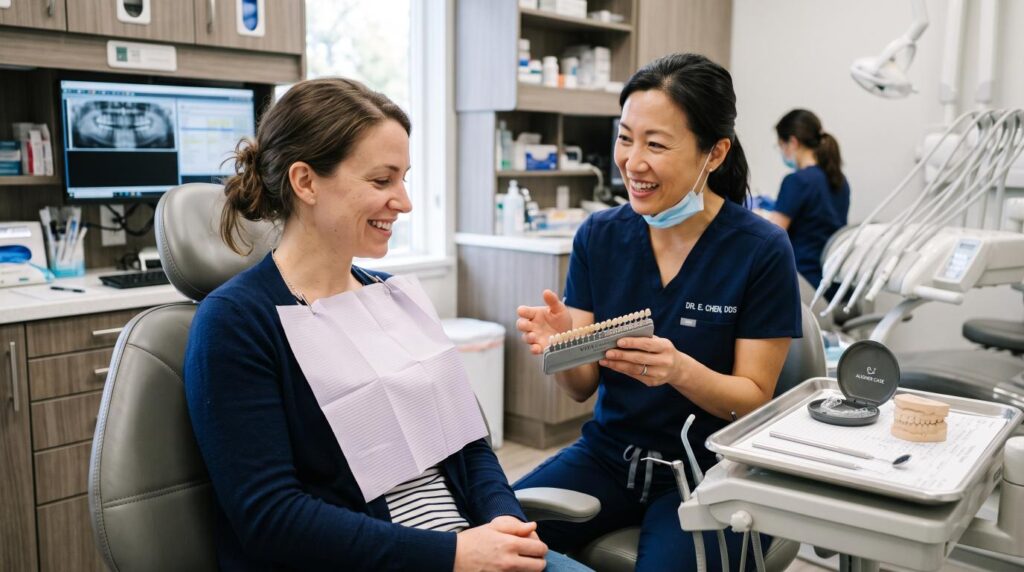
Cosmetic dentistry is dental care that improves the appearance of your teeth, gums, and smile. It can change tooth color, shape, size, spacing, and alignment. Common treatments include teeth whitening, dental bonding, porcelain veneers, clear aligners, and gum reshaping. Some treatments, like whitening or bonding, can be finished in one or two visits. Others, like veneers, Invisalign, or implants, take longer. This guide explains what is considered cosmetic dentistry, how it works, what it costs, and how long results last. At Vista Dorada Dental in Gilbert, AZ, we help patients with stained, chipped, gapped, uneven, or missing teeth. Schedule a cosmetic dentistry consultation to find the right option for your smile. What Is Considered Cosmetic Dentistry? Dental treatment is considered cosmetic when its main goal is to improve how your teeth or smile look, rather than to treat disease. A treatment is usually cosmetic if it changes tooth color, shape, size, spacing, or gum appearance, and the tooth or tissue is otherwise healthy. Common examples include: Teeth whitening Dental bonding for chips, small gaps, or uneven edges Porcelain or composite veneers Clear aligners for mild alignment concerns Gum reshaping for uneven-looking gums Cosmetic dentistry is not a separate specialty recognized by the National Commission on Recognition of Dental Specialties and Certifying Boards. Cosmetic treatments are usually provided alongside general, restorative, or orthodontic care. Some treatments sit between cosmetic and restorative dentistry. A crown can protect a weak tooth and improve its shape and color. A dental implant replaces a missing tooth, restores chewing, and fills a visible gap in your smile. Insurance often treats these differently from purely cosmetic work. Cosmetic Dentistry Overview Treatment What it can improve Teeth whitening Stained or dull teeth Dental bonding Small chips, gaps, uneven edges Veneers Stained, chipped, misshapen, or gapped teeth Clear aligners Mild crowding or spacing Gum reshaping Uneven-looking gums Dental implants Missing teeth How Does Cosmetic Dentistry Work? Cosmetic dentistry works in four stages: an exam and consultation, a treatment plan, the procedure itself, and follow-up care. The exact process and timeline depend on the treatment you choose. Initial Consultation Your first visit is a chance to explain what you would like to change. The dentist examines your teeth, gums, bite, and existing dental work. Photos, X-rays, or digital scans may be taken when needed. This step matters because cosmetic treatment should be planned around healthy teeth and gums. Treatment Planning After the exam, your dentist explains the available options and what each can and cannot do. Ask about treatment time, cost, possible risks, expected maintenance, and whether other treatment is needed first. The final plan should reflect both your dental health and your smile goals. Treatment Treatment time varies widely. Whitening and bonding: often completed in one or two visits Veneers: usually several steps over multiple visits Clear aligners: typically months of treatment Dental implants: several stages with healing time Your dentist should explain the expected schedule before treatment begins. Follow-Up and Maintenance Regular exams and cleanings let your dentist check your teeth, gums, and dental work. Daily brushing and cleaning between teeth remain important. Habits like teeth grinding, biting hard objects, tobacco use, and frequent stain-causing foods or drinks can shorten how long some results last. Common Cosmetic Dentistry Procedures Cosmetic dentistry includes several treatments. Some are finished in one visit, while others take months. The right choice depends on what you want to change and on the health of your teeth and gums. Teeth Whitening Professional teeth whitening makes natural teeth look brighter. Whitening products usually contain hydrogen peroxide or carbamide peroxide, which break down stains and make them less noticeable. It can help with stains from food, drinks, tobacco, and normal changes in tooth color. Not every type of discoloration responds the same way, and whitening cannot fix a chip or change tooth shape. It can be done in the dental office or with a dentist-supervised home system. Dental Veneers Veneers are thin coverings placed over the front of teeth. They can improve teeth that are stained, chipped, misshapen, uneven, or separated by small gaps. Porcelain veneers are custom-made to match the desired shape and color. Composite veneers are another option. Some veneer treatments require removing a small amount of enamel, so the change is not reversible. Learn more about porcelain veneers. Dental Bonding Bonding uses tooth-colored composite resin to change the shape or look of a tooth. The dentist applies the material, shapes it, hardens it with a light, and polishes it. It is often used for minor chips, small gaps, uneven edges, or teeth that look slightly short. Bonding can often be done in one visit, but the material can stain or chip over time and may need repair or replacement. Clear Aligners Clear aligners are removable orthodontic appliances that gradually move teeth into better positions. They may help with certain cases of crowding or spacing. Aligners are both cosmetic and orthodontic, since they also affect how teeth fit together. They are not right for every case, and complex tooth movement or bite problems may need a different approach. Vista Dorada Dental offers Invisalign for adults and children in Gilbert, AZ. Dental Implants A dental implant is placed in the jaw and supports a replacement tooth. Implants are both cosmetic and restorative: they fill a visible gap and also help restore chewing. Treatment involves several stages and healing time. Whether implants are appropriate depends on your oral health and jawbone, so a full evaluation is needed. Gum Reshaping Gum reshaping (contouring) adjusts the gum line to improve the balance of your smile. It may be considered for uneven gums or teeth that look short because of excess gum tissue. It is often combined with other cosmetic treatments. Smile Makeovers A smile makeover combines two or more treatments in one planned approach. For example, a patient might whiten teeth first and then use bonding to reshape a chipped tooth, or combine whitening with veneers. Aligners are sometimes completed before other work. The goal is not
Can Emergency Rooms Remove Teeth? What You Need to Know

No. Most emergency rooms (ERs) do not pull teeth. ER doctors can manage severe pain, bleeding, infections, and facial injuries, but tooth extractions usually require a dentist or oral surgeon. Some hospitals can perform extractions when dental specialists are available, especially during serious infections or injuries. For people wondering if emergency rooms remove teeth, the next step depends on how serious the problem is. Vista Dorada Dental in Gilbert, AZ, provides emergency dental exams to determine whether a damaged or infected tooth can be treated or needs removal. If you have trouble breathing or swallowing, rapidly spreading facial swelling, uncontrolled bleeding, or a major facial injury, seek emergency hospital care. For most toothaches and broken teeth without these warning signs, an emergency dentist is the better choice. Will the ER Pull Your Tooth? Why Most Do Not Usually no, because tooth extraction requires dental training, specialized instruments, and an examination of the tooth and surrounding bone. Most hospital emergency departments are equipped to manage urgent medical conditions rather than perform routine dental procedures. Tooth Extraction in the Emergency Room: What Can the ER Actually Do? If you go to the ER hoping for a tooth extraction, this is what an emergency department may provide instead: Pain medication or local anesthesia to control discomfort. Antibiotics when there are signs of a spreading or systemic bacterial infection. Treatment for bleeding or injuries involving the mouth and face. Drainage of certain infections when medically appropriate. Assessment of serious swelling and its effect on breathing or swallowing. However, ER doctors generally cannot perform fillings, root canals, crown repairs, or routine tooth extractions. A 2015 Kansas Journal of Medicine study reviewed 676 dental visits to one Kansas City emergency department in 2012, representing approximately 1.4% of its visits. Medication was provided during 90% of dental visits, while providers reported using dental nerve blocks and infection drainage rather than extractions. These findings describe one hospital, but they help explain why emergency treatment often controls symptoms without resolving the underlying dental problem. The Cleveland Clinic dental emergency guide also explains that patients generally need follow-up dental treatment after receiving emergency hospital care. Can Emergency Rooms Remove Teeth in Special Cases? Yes, some hospitals pull teeth, but only when an oral surgeon is available. Hospital-based extractions are more likely when a dental condition requires specialized medical treatment. Severe Dental Infections A dental infection can sometimes spread beyond the tooth into surrounding facial or neck tissues. When this happens, hospital treatment may be necessary to control the infection and protect the patient’s health. If an infected tooth is the source of a serious infection, an oral surgeon may remove it as part of treatment. Other procedures, such as draining an abscess, may also be necessary. Major Facial or Jaw Injuries Accidents can cause broken teeth, jaw fractures, and injuries to surrounding tissues. These situations sometimes require care from oral and maxillofacial surgeons who can treat both dental and facial injuries. Not every hospital has these specialists available. Patients with urgent dental problems can contact a hospital to ask about its dental services, but life-threatening symptoms should never be delayed while checking availability. When Should You Go to the ER for a Dental Emergency? The right choice depends on whether you need emergency medical treatment or care for the tooth itself. A hospital emergency department is appropriate when a dental problem threatens breathing, causes uncontrolled bleeding, or involves a serious facial injury. An emergency dentist can usually assess tooth pain, damaged restorations, and infections that do not have these warning signs. Dental Problem Where to Go Reason Trouble breathing or swallowing ER immediately Swelling or infection may affect the airway Rapidly spreading facial or neck swelling ER May indicate a serious infection Fever with facial swelling or feeling seriously unwell ER May indicate an infection affecting the body Bleeding that will not stop ER Requires urgent bleeding control Broken jaw or major facial injury ER May require hospital treatment and surgery Severe toothache without medical warning signs Emergency dentist Identifies and treats the source of pain Broken tooth or lost filling or crown Emergency dentist Assesses the damage and appropriate repair Localized dental abscess without systemic warning signs Emergency dentist promptly Requires dental assessment and treatment Knocked-out permanent tooth Emergency dentist immediately Quick treatment improves the chance of saving it Minor chip or mild discomfort Regular dentist Often can be assessed during normal hours If you cannot reach a dentist and your pain is severe or your symptoms are worsening, seek urgent medical assessment rather than leaving the problem untreated. When Should You See an Emergency Dentist Instead? An emergency dentist is usually the better choice when the problem is mainly limited to the teeth or gums and you do not have signs of a life-threatening medical emergency. You may need an emergency dentist for severe tooth pain, a broken tooth, a damaged filling or crown, a localized dental abscess, a loose tooth, or a tooth that may need extraction. A knocked-out permanent tooth also needs very fast attention. Contact a dentist immediately. If the tooth injury happened with serious facial trauma, heavy bleeding, loss of consciousness, or another major injury, emergency medical care may also be necessary. Can an Emergency Dentist Remove a Tooth? Yes. An emergency dentist can often remove a tooth when an examination shows that extraction is the right treatment. The dentist will first determine why the tooth hurts and whether it can be saved. Some painful teeth can be treated with a filling, crown, root canal, or another procedure. Extraction is usually considered when the damage or infection is too severe for predictable repair. Before removing the tooth, the dentist may take X-rays to examine its roots and the surrounding bone. The type of extraction will depend on the condition and position of the tooth. A simple extraction may be possible when the tooth can be reached easily above the gumline. A surgical extraction may be required for teeth that are broken, trapped below
Can Sinuses Cause a Toothache? Signs and Relief
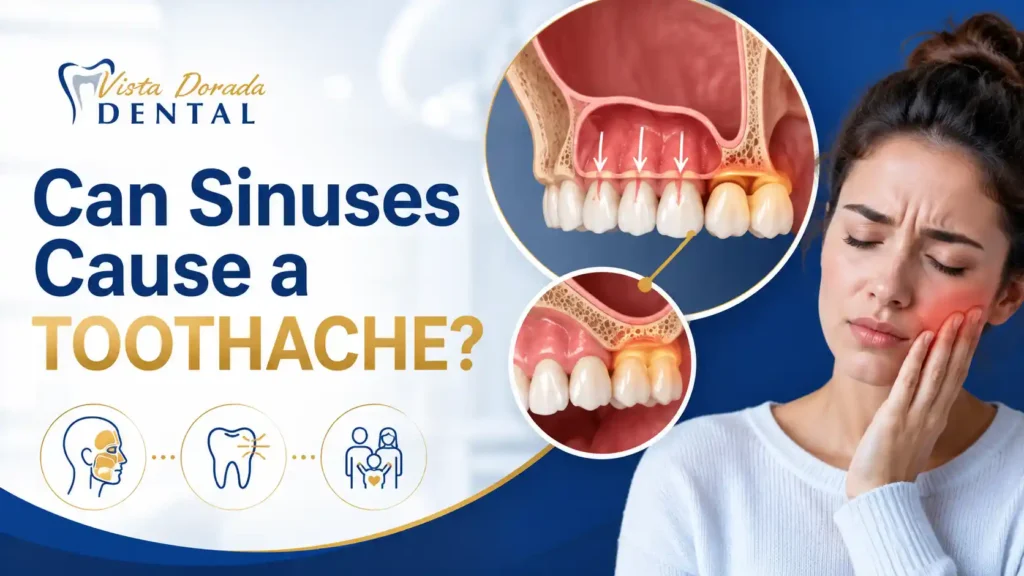
Yes, sinuses can cause a toothache, especially in the upper back teeth. The maxillary sinuses sit close to the roots of these teeth. When sinus tissue becomes swollen, pressure can irritate nearby nerves and create a dull ache across several teeth. Sinus tooth pain often occurs with nasal congestion, facial pressure, headache, postnasal drip, or a reduced sense of smell. It may also feel worse when you bend forward. In contrast, pain focused on one tooth, sensitivity to hot or cold, or sharp pain while biting is more likely to come from a dental problem. At Vista Dorada Dental in Gilbert, AZ, our team can help determine whether persistent tooth pain is related to your sinuses or an underlying dental issue. Mild sinus-related pain may improve as congestion clears, while fluids, warm compresses, saline rinses, and suitable pain relief may help. However, see a dentist if one tooth remains painful or the discomfort continues after your sinus symptoms improve. Seek urgent dental or medical care for fever with facial swelling. Difficulty breathing or swallowing requires emergency medical attention. Why Sinus Problems Can Affect Your Teeth Sinus problems can cause tooth pain because the maxillary sinuses sit close to the roots of your upper back teeth. When these sinuses become inflamed due to a cold, allergies, or infection, pressure and irritation can affect nearby nerves, creating discomfort that feels like a toothache. The maxillary sinuses are air-filled spaces inside the cheekbones, just above the upper jaw. In some people, only a thin layer of bone separates the sinus floor from the roots of the upper premolars and molars. This close relationship allows sinus inflammation to cause referred pain, meaning discomfort is felt in the teeth even when they are healthy. Sinus-related tooth pain commonly occurs alongside nasal congestion, facial pressure, and headaches. However, pain isolated to one tooth or accompanied by prolonged sensitivity to hot or cold foods may indicate a dental problem rather than sinus inflammation. Which Teeth Are Most Likely to Hurt? Sinus-related tooth pain usually affects the upper back teeth because their roots are close to the maxillary sinuses. The teeth most commonly affected include: Upper premolars: These teeth sit toward the back of the upper jaw and may become uncomfortable when nearby sinus tissue is inflamed. Upper first molars: Their roots can be particularly close to the sinus floor, making them a common location for referred discomfort. Upper second molars: These teeth may also feel sore or sensitive when inflammation affects the maxillary sinuses. Sinus pressure may cause a dull ache across several upper teeth rather than pain in one specific tooth. Discomfort can occur on one or both sides, depending on which sinus is affected. Pain limited to one tooth, especially when biting or eating hot or cold foods, may indicate decay, a cracked tooth, or another dental condition. A dental examination can help identify the actual cause. Can a Sinus Infection Cause Pain in Bottom Teeth? A sinus infection usually causes discomfort in the upper back teeth because their roots are close to the maxillary sinuses. Pain in the bottom teeth is less likely to come directly from sinus pressure, although different conditions can cause overlapping symptoms. If you experience lower tooth pain during a sinus infection, consider whether a separate dental problem may be responsible. Common causes include tooth decay, cracked teeth, gum infections, or inflammation inside a tooth. According to the American Association of Endodontists, tooth pain may result from decay, cracks, or infection. Pain that affects one lower tooth, becomes worse when biting, or causes prolonged sensitivity to hot or cold temperatures should be evaluated. A dental examination can help identify the source of the pain and determine whether treatment is necessary. Simple Ways to Check Where the Pain May Be Coming From You can look for patterns at home, but no self-test can confirm the cause of tooth pain. Avoid pressing, striking, or repeatedly testing a painful tooth. This may increase irritation without giving you a reliable answer. Checking for Nasal and Facial Symptoms Consider whether you also have: Nasal blockage Thick nasal drainage Postnasal drip Reduced sense of smell Pressure below the eyes A recent cold Active seasonal allergies A toothache with several of these symptoms is more likely to involve the sinuses. Tooth pain without nasal symptoms needs more attention from a dentist. Testing Sensitivity to Heat, Cold, and Pressure Notice whether one tooth reacts when you drink something hot or cold. Lingering sensitivity can point toward inflammation inside the tooth. Pain focused on one tooth while biting can also suggest a crack, infection, or damaged tissue around the root. Do not place ice directly against the tooth for testing. Do not keep chewing on the painful side to see whether the pain returns. Sinus Toothache vs. Dental Toothache Sinus-related tooth pain and dental toothaches can feel similar, but certain symptoms may help identify the possible cause. Sinus pressure commonly affects the upper back teeth, while dental problems may cause pain in one specific tooth. However, symptoms can overlap, so a professional examination may be necessary. Feature Sinus Toothache Dental Toothache Pain location Often affects several upper back teeth May affect one specific tooth Type of pain Dull aching, fullness, or pressure Sharp, throbbing, or persistent pain Nasal symptoms Often occurs with congestion or facial pressure Usually absent unless a sinus condition is also present Bending forward Sinus pressure may become more noticeable Not a reliable way to identify the cause Hot or cold sensitivity Less typical May occur with decay or inflammation inside the tooth Pain when biting Not usually limited to one tooth May worsen when chewing or biting Gum swelling Not usually a primary symptom May occur with a dental infection Recommended care Medical evaluation for persistent sinus symptoms Dental examination for ongoing tooth pain These differences can provide clues, but they cannot confirm the cause of a toothache. For example, sinus pressure may increase when bending forward, but this symptom alone cannot distinguish sinusitis
What Is the Fastest Way to Heal Swollen Gums?
The fastest way to heal swollen gums is to remove plaque or trapped food, keep the area clean, and treat the underlying cause. Brush gently with a soft-bristled toothbrush, clean between your teeth, and rinse with warm salt water. A cold compress can also reduce temporary pain and puffiness. Mild swelling caused by irritation or early gingivitis may start improving within a few days. However, home care cannot remove hardened tartar or cure an infected tooth, dental abscess, or advanced gum disease. In these cases, professional dental treatment is the fastest way to achieve lasting relief. If your gums remain swollen for more than a few days, keep getting worse, or become painful, schedule a dental examination. Pus, fever, or rapidly spreading swelling may indicate an infection that needs urgent dental care. Difficulty breathing or swallowing requires emergency medical attention. How to Relieve Swollen Gums at Home The fastest way to reduce swollen gums depends on the cause. If swelling comes from mild irritation or trapped food, gentle cleaning and saltwater rinses may provide temporary relief. However, swelling caused by gum disease or infection may require professional treatment. Follow these steps to manage mild gum swelling at home: Brush gently: Use a soft-bristled toothbrush and fluoride toothpaste twice daily. Avoid scrubbing swollen areas because excessive pressure can make irritation worse. Clean between your teeth: Carefully remove trapped food with floss or an appropriate interdental cleaner. Do not force tools beneath the gums or use sharp objects. Rinse with warm salt water: Mix half a teaspoon of salt into a glass of warm water. Swish gently and spit it out. This may temporarily soothe irritated gums but cannot cure an infection. Apply a cold compress: Hold a cold compress wrapped in a cloth against the outside of your cheek for 10 to 15 minutes to help relieve swelling-related discomfort. Avoid additional irritation: Limit tobacco, alcohol, and foods that aggravate your gums. Avoid mouthwashes that cause burning or dryness. Do not apply undiluted hydrogen peroxide, concentrated essential oils, crushed painkillers, or other harsh substances directly to swollen gums. Never attempt to puncture or drain a swollen bump at home because it may be connected to a dental abscess. Home care may help mild irritation, but it cannot remove hardened tartar or treat every dental infection. Seek a dental examination if swelling persists, worsens, or returns. Suspected infections need prompt professional attention. When to See a Dentist for Swollen Gums Book a dental appointment if the swelling lasts more than several days, keeps returning, or does not improve with home care. Regular bleeding, ongoing bad breath, pain when chewing, or gums that pull away from the teeth also need professional attention. You should also see a dentist if one area of the gum is much larger than the others, a tooth feels loose, or you notice pus or a bad taste. Irritation caused by dentures, braces, or another dental appliance should also be checked. People with diabetes, weakened immunity, or other conditions that affect healing should not delay care. These conditions can increase the risk of gum problems becoming more serious. Warning Signs That Need Urgent Dental Care Seek urgent dental or medical care if the swelling increases quickly or spreads to the cheek, jaw, neck, or area near the eye. Fever, severe pain, difficulty opening the mouth, or feeling weak and seriously unwell may indicate that an infection is spreading. Difficulty breathing, swallowing, or speaking is a medical emergency. Go to an emergency department or contact your local emergency service immediately. Professional Treatments for Swollen Gums A dentist will examine your gums, teeth, bite, dental work, and oral appliances. Dental X-rays may also be needed if the dentist suspects an infection, damaged tooth, or bone loss. The recommended treatment will depend on the cause and severity of the swelling. Professional Dental Cleaning A routine dental cleaning removes plaque and tartar from areas that are difficult to clean at home. This may be enough when gingivitis is present but the deeper tissues and bone around the teeth are still healthy. Daily brushing and cleaning between the teeth are still important after the appointment. Without consistent home care, plaque can begin collecting along the gum line again. Deep Cleaning for Gum Disease Scaling and root planing is a deeper cleaning used to treat Periodontitis. Scaling removes plaque and tartar from above and below the gum line. Root planing smooths the tooth roots so the gums can begin healing and fitting more closely around the teeth. The treatment may require more than one appointment. A local anesthetic may be used to keep the area comfortable. Advanced gum disease may also require medication, further periodontal treatment, or surgery. Treatment for Tooth or Gum Infections A tooth or gum infection requires treatment based on its cause and severity. A dental abscess may need drainage, root canal treatment, periodontal care, or tooth extraction. These procedures help address the source of infection rather than providing temporary relief alone. According to the American Dental Association’s guidelines on dental infections, antibiotics are not necessary for many localized dental infections when appropriate dental treatment is available. They may be prescribed when an infection causes systemic symptoms, such as fever, or in other situations determined by the treating clinician. If you experience pus, increasing swelling, or significant dental pain, seek prompt dental care. Never take leftover antibiotics or attempt to drain an abscess at home. Difficulty breathing or swallowing requires emergency medical attention. Adjustments to Braces, Dentures, or Dental Appliances A dentist or orthodontist can smooth a rough area, repair a damaged appliance, adjust a wire, or improve the fit of dentures. These changes can reduce pressure and allow irritated gums to heal. The dental team can also show you how to clean properly around braces, bridges, implants, retainers, and removable appliances. Prescription Mouthwash or Medication A dentist may prescribe an antimicrobial mouthwash or another medicine based on the cause of the swelling. Follow the instructions carefully because some prescription rinses are
Can Regular Dental Checkups Prevent Major Dental Problems?

Regular dental checkups can help prevent some major dental problems by identifying early signs of tooth decay, gum disease, and damaged teeth before they become more serious. Although checkups cannot prevent every dental condition, routine examinations and preventive care can lower the risk of complications and help protect long-term oral health. At Vista Dorada Dental in Gilbert, AZ, our team provides dental examinations and preventive care tailored to each patient’s needs. This guide explains how regular dental checkups support oral health, what happens during an appointment, how often to schedule visits, and which warning signs should not be ignored. How Regular Dental Checkups Prevent Major Dental Problems Regular dental checkups help reduce the risk of serious oral health problems by identifying early changes in the teeth and gums. During these visits, dental professionals can assess tooth decay, gum inflammation, damaged restorations, and other concerns that may not cause noticeable symptoms. Early detection allows the dental team to recommend preventive care or appropriate treatment before some conditions progress. However, checkups work best alongside daily brushing, flossing, and other healthy habits. Prevent Gum Disease Regular dental checkups can help reduce the risk of gum disease by identifying plaque buildup, gum inflammation, and early signs of periodontal problems. The dentist examines the gums and may measure the spaces between the teeth and gum tissue when necessary. Early gingivitis can often be reversed with improved oral hygiene and professional care. However, advanced gum disease, known as periodontitis, may require specialized treatment to control the condition and protect the supporting tissues. Daily brushing, cleaning between the teeth, and following recommended dental visits are important for maintaining healthy gums. Find Cracked or Damaged Teeth Early Dental checkups may help identify chipped, cracked, or worn teeth before they develop more noticeable symptoms. During an examination, the dentist checks the tooth surfaces, existing restorations, and bite for signs of damage. Small cracks do not always require extensive treatment, but deeper fractures may weaken a tooth or cause discomfort when chewing. Depending on the damage, the dentist may recommend monitoring, bonding, a crown, or another appropriate treatment. Early assessment can help determine whether a damaged tooth needs protection, although not every crack can be prevented from progressing. Screen for Oral Cancer Regular dental examinations can help identify unusual changes in the mouth that may require further evaluation. During an oral examination, the dentist checks the lips, tongue, gums, cheeks, and other oral tissues for suspicious sores, patches, lumps, or changes in appearance. Some potentially serious oral conditions may develop without obvious pain. However, a routine examination cannot detect every case of oral cancer or confirm a diagnosis. If the dentist identifies a suspicious area, further assessment or a biopsy may be recommended. Patients should also report mouth sores that do not heal or other persistent changes between appointments. Check Existing Fillings, Crowns, and Bridges Fillings, crowns, and bridges can wear down, crack, or loosen over time. During regular dental checkups, our dental team examines existing restorations for signs of damage, gaps, or decay around their edges. Identifying these problems early may allow for timely repairs or replacement before further damage affects the surrounding teeth. Can Regular Dental Checkups Help Prevent Fillings? Regular dental checkups may help reduce the need for fillings by identifying early tooth decay before permanent damage develops. During an examination, the dentist checks for changes in tooth enamel and may recommend X-rays to detect decay between teeth or beneath existing restorations. When decay is detected at an early, non-cavitated stage, preventive treatments such as fluoride, improved oral hygiene, and dietary changes may help stop or reverse the damage. According to the American Dental Association’s evidence-based guidance on tooth decay management, some early areas of decay can be managed without drilling or placing a filling. However, once a cavity forms, a filling or another treatment may be necessary. Combining routine dental examinations with consistent home care can help lower cavity risk, although checkups cannot guarantee that fillings will never be needed. How Fluoride and Dental Sealants Help Prevent Cavities Fluoride and dental sealants help protect teeth from decay and may reduce the need for future fillings. Fluoride strengthens enamel and helps repair early mineral loss caused by acids. During regular dental checkups, the dental team can assess cavity risk and recommend professional fluoride treatment when appropriate. Dental sealants are thin protective coatings applied to the chewing surfaces of back teeth. They prevent food particles and bacteria from collecting in deep grooves where cavities often develop. Sealants are especially useful for children and teenagers, although some adults may benefit. According to the Centers for Disease Control and Prevention, sealants can prevent up to 80% of cavities in back teeth over two years. Both preventive treatments can lower cavity risk, but they cannot guarantee that fillings will never be needed. What Happens During a Routine Dental Checkup? A routine dental checkup usually begins with reviewing your medical and dental history. During the examination, the dental team checks your teeth, gums, bite, and oral tissues for signs of cavities, gum disease, damaged restorations, or other concerns. Dental X-rays may also be recommended based on your oral health needs. A professional dental cleaning may be performed during the same appointment to remove plaque and hardened tartar. The dental team may also polish your teeth and provide guidance on brushing, flossing, and other preventive habits. Before the appointment ends, the dentist can explain any findings, discuss whether additional treatment is needed, and recommend an appropriate schedule for future dental visits. Dental Exam vs. Dental Cleaning: What’s the Difference? A dental exam focuses on checking your oral health and identifying problems, while a professional cleaning removes plaque and tartar to help prevent tooth decay and gum disease. Both are important parts of preventive dental care, although they serve different purposes. Feature Dental Exam Dental Cleaning Main purpose Identify oral health problems Remove plaque and tartar Teeth Check for cavities, cracks, and worn fillings Clean tooth surfaces and around the gumline Gum health
How to Deal With Dental Anxiety Before Your Visit

Learning how to deal with dental anxiety starts with identifying what makes dental visits stressful. Talking openly with the dental team, practicing slow breathing, and understanding treatment steps can help you manage fear. You can also ask for breaks or discuss comfort options if dental appointments feel overwhelming. At Vista Dorada Dental in Gilbert, AZ, we understand that dental anxiety can make routine visits difficult. Whether you feel nervous about pain, needles, or past experiences, taking small steps and getting suitable support can make dental care easier to manage. What Is Dental Anxiety? Dental anxiety is the fear, nervousness, or stress a person experiences before or during dental appointments. It can range from mild uneasiness about a routine checkup to intense fear that makes receiving dental care difficult. Some people feel anxious only during certain procedures, while others worry for days before an appointment. Understanding these feelings is an important first step toward managing them and finding appropriate support. Signs You May Have Dental Anxiety Dental anxiety can affect your thoughts, emotions, and physical health before or during an appointment. Common signs include persistent worry, avoiding treatment, and physical symptoms that appear when thinking about dental care. Feeling nervous before an appointment: You may experience tension, restlessness, or difficulty concentrating when thinking about an upcoming dental appointment. Trouble sleeping: Worry about pain, needles, or an unfamiliar procedure may keep you awake the night before a visit. Avoiding dental care: Repeatedly canceling appointments or delaying checkups because of fear can indicate dental anxiety. Physical symptoms: A racing heartbeat, sweating, shaking, nausea, or feeling lightheaded may occur when anxiety becomes intense. Thinking about worst-case outcomes: You may repeatedly imagine painful treatment or worry that something will go wrong. Recognizing these signs can help you understand when anxiety is affecting your dental care and when additional support may be useful. What Causes Dental Anxiety? Dental anxiety can develop from past experiences, personal fears, or uncertainty about dental treatment. Not everyone experiences the same triggers, and some people become anxious even without a previous negative dental visit. Common causes include fear of pain or injections, unpleasant childhood experiences, unfamiliar dental equipment, and feeling unable to communicate during a procedure. Some patients also worry about the condition of their teeth or feel embarrassed about needing treatment. Stories about painful dental experiences can influence expectations, even when someone has never experienced those problems personally. Understanding these causes helps identify the concerns that need attention before or during an appointment. How to Manage Common Dental Anxiety Triggers Dental anxiety management becomes easier when you understand what causes your fear. Some people worry about needles or pain, while others feel uncomfortable with dental sounds, gagging, or losing control during treatment. Identifying these triggers can help you and the dental team choose practical ways to manage them. Managing Fear of Needles and Dental Pain If needles or painful procedures make you nervous, tell the dental team before treatment begins. Ask how the area will be numbed and whether a topical anesthetic may help with injection discomfort. Discussing pain control ahead of time can make dealing with dental anxiety more manageable. Coping With Dental Sounds and Sensory Triggers The sound of dental equipment, bright lights, and unfamiliar sensations can increase anxiety. Ask whether you can wear headphones, listen to calming music, or take breaks when appropriate. Let the dental team know which sounds or sensations bother you most so they can explain what to expect. Managing Gagging and Loss of Control Some patients become anxious because they have a sensitive gag reflex or feel unable to communicate during treatment. Tell the dental team about these concerns beforehand. They may be able to adjust your position, change the approach, or provide short breaks to help you feel more comfortable. How to Deal With Dental Anxiety With Practical Tips Managing dental anxiety often involves a combination of communication, relaxation techniques, and gradual preparation. These practical dental anxiety management tips can help you feel more informed and involved in treatment. Start with the strategies that address your biggest concerns rather than trying everything at once. Talk to Your Dentist Openly Tell the dental team about your fears before treatment begins. Explain whether you worry about pain, injections, or a previous experience. Clear communication allows the team to understand your concerns, explain procedures, and discuss ways to make the visit more manageable. Questions to Ask Before Dental Treatment Asking questions can help reduce uncertainty about dental procedures. Find out what the treatment involves, how discomfort will be managed, and whether breaks are possible. You can also ask the dental team to explain unfamiliar steps before beginning treatment. Start With a Simple Visit If a full dental procedure feels overwhelming, consider scheduling an initial consultation. This gives you an opportunity to meet the dental team, explain your concerns, and become familiar with the environment before deciding on treatment. Taking one manageable step at a time may help build confidence. Relaxation Techniques for Coping With Dental Anxiety Slow breathing and relaxation exercises can help reduce physical tension before an appointment. Try breathing gently and steadily while relaxing your shoulders and jaw. Listening to calming music or focusing on a peaceful image may also help shift your attention away from anxious thoughts. Ask About Sedation Options For some patients, sedation dentistry may help manage moderate or severe dental anxiety. Options can include nitrous oxide or medication-based sedation, depending on the procedure, medical history, and services available. Discuss the possible benefits, risks, and preparation requirements with the dental team before choosing an option. Bring a Support Person Having a trusted friend or family member accompany you may provide reassurance before an appointment. Ask the dental office whether someone can remain with you during the visit or wait nearby. If sedation is planned, you may also need someone to accompany you home, depending on the medication used. Choose a Gentle Dental Clinic Look for a dental office that takes anxiety seriously and allows you to discuss concerns without
How to Care for Dental Braces A Complete Guide

Learning how to care for dental braces starts with brushing carefully around brackets and wires, flossing daily, and choosing foods that will not damage your orthodontic appliances. Good oral hygiene helps prevent plaque buildup, cavities, gum inflammation, and white spots on teeth during braces treatment. At Vista Dorada Dental in Gilbert, AZ, our team encourages patients with braces to maintain healthy teeth and gums throughout orthodontic treatment. This guide explains how to clean braces properly, which tools and foods are most suitable, how to handle common problems, and when to seek dental or orthodontic care. Why Proper Care Matters When You Have Braces Proper braces care is important because brackets and wires create additional spaces where food particles and plaque can collect. Without regular cleaning, this buildup may increase the risk of cavities, swollen gums, bad breath, and white spots caused by early enamel mineral loss. Brushing, flossing, and using fluoride toothpaste help protect teeth while they are being straightened. A peer-reviewed expert consensus on preventing white spot lesions during orthodontic treatment also emphasizes effective plaque removal and fluoride-based preventive care. Taking care of braces also helps prevent loose brackets and damaged wires that may require additional orthodontic appointments. Consistent care supports both oral health and the planned treatment process. How to Care for Dental Braces Every Day Caring for dental braces every day involves regular brushing, cleaning between the teeth, and checking for trapped food around brackets and wires. Brush after meals when possible using a soft-bristled toothbrush and fluoride toothpaste to help protect enamel. Floss at least once daily using a floss threader or orthodontic flosser to clean underneath the wires. An interdental brush can help remove food from small spaces around brackets, while a water flosser may provide additional cleaning support. If brushing is not possible after eating, rinse thoroughly with water and brush when you can. Check your braces regularly for loose brackets, bent wires, or areas irritating the gums, and contact your orthodontist if something appears damaged. Best Tools for Cleaning Braces The best tools for cleaning braces include a soft-bristled toothbrush, orthodontic floss, interdental brushes, and a water flosser. These tools help remove food and plaque from areas around brackets and wires that can be difficult to reach with ordinary brushing. Soft-bristled toothbrush: Gently cleans the tooth surfaces, gumline, brackets, and wires without applying excessive pressure. Orthodontic toothbrush: Designed to make cleaning around braces easier, although a regular soft-bristled toothbrush can also work well. Floss threaders and orthodontic floss: Help guide floss beneath wires so you can clean between neighboring teeth. Interdental brushes: Small brushes that remove trapped food and plaque from spaces around brackets and under wires. Water flosser: Uses a stream of water to dislodge food particles and can supplement brushing and other interdental cleaning. Choose tools that are comfortable to use and suitable for your braces. Your dental team can demonstrate the correct cleaning technique if certain areas are difficult to reach. What to Eat and Avoid With Braces Choosing the right foods can help protect your brackets and wires while making eating more comfortable. Soft foods are usually easier to chew, especially after an orthodontic adjustment. Hard, sticky, and very crunchy foods can loosen brackets, bend wires, or become trapped around braces. Better Choices Avoid or Modify Why Yogurt, eggs, soups Hard candy Can damage brackets or wires Soft rice and pasta Sticky caramel or chewy candy May pull on brackets Cooked vegetables Hard raw carrots Can place too much pressure on braces Bananas and soft fruits Whole apples Cut firm fruits into small pieces Soft bread Hard or crusty bread Can loosen brackets Tender meat cut into pieces Tough meat pulled from bones May put pressure on braces Soft snacks Popcorn kernels and hard nuts Can damage or get stuck around braces Water or milk Frequent sugary or acidic drinks May increase the risk of enamel damage and cavities What Not to Do When Caring for Dental Braces When caring for dental braces, avoid habits that can damage brackets, bend wires, or allow plaque to accumulate. Biting fingernails, chewing pens, and using your teeth to open packaging can place unnecessary pressure on orthodontic appliances. Do not pull, bend, or attempt to adjust brackets and wires yourself. If part of your braces becomes loose or damaged, contact your orthodontist for guidance. Avoid skipping daily brushing and flossing, even when your teeth feel sore after an adjustment. Gentle cleaning remains important for preventing plaque buildup and gum irritation. Following your orthodontist’s instructions can help prevent avoidable appliance damage and interruptions to treatment. How to Protect Your Braces During Sports You can participate in sports while wearing dental braces, but protecting your teeth and orthodontic appliances is important. Wearing a braces-compatible mouthguard during activities with a risk of facial injury can help reduce damage to brackets, wires, and surrounding oral tissues. Unlike standard mouthguards, orthodontic mouthguards are designed to accommodate braces and changes in tooth position during treatment. Ask your orthodontist which type offers appropriate protection for your activities. According to the American Association of Orthodontists, athletes should also keep their mouthguards clean and check them regularly for damage. If a sports injury loosens a bracket or damages a wire, contact your orthodontist for guidance. How to Handle Common Braces Problems Minor discomfort and food getting stuck are common during braces treatment. Knowing how to respond can make these situations easier. Soreness After an Adjustment Teeth may feel tender after braces are first placed or after an adjustment. Soft foods can make chewing easier while your mouth adjusts. Follow any comfort instructions given by your orthodontist. The soreness usually improves as your teeth become used to the new pressure. Food Stuck Around Brackets Rinse with water first. You can then use a toothbrush, floss, or an interdental brush to gently remove the trapped food. Avoid using sharp objects such as needles, pins, or other tools that could hurt your gums or damage your braces. Irritation From Wires or Brackets The inside
What Is a Dental Crown? Types, Procedure, Cost & Benefits
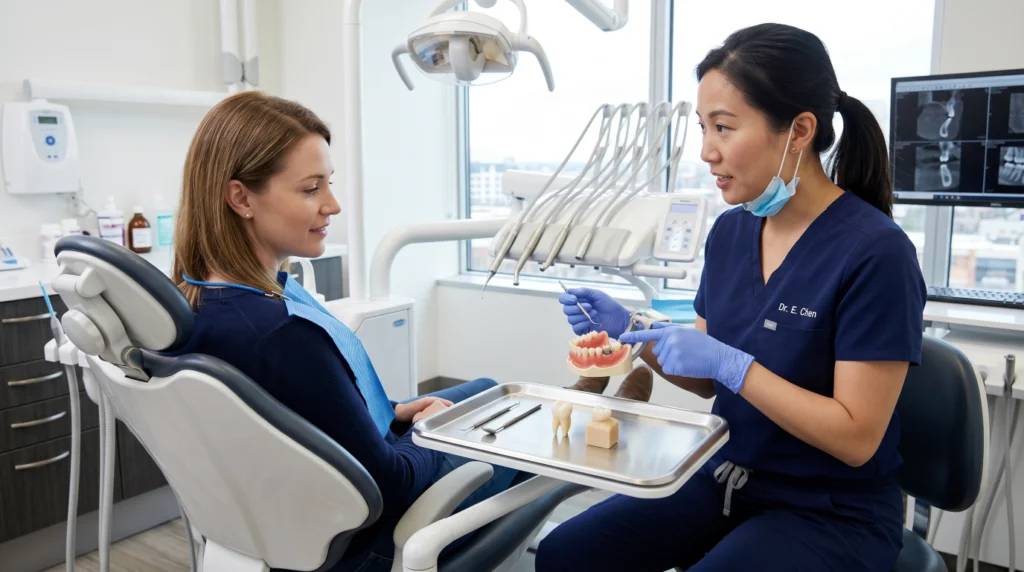
A dental crown is a custom-made cap that covers a damaged, weakened, or heavily restored tooth to help restore its shape, strength, and function. Crowns are commonly used for cracked teeth, large cavities, worn-down teeth, and certain teeth treated with root canal therapy. They can also be placed over dental implants to replace missing teeth. At Vista Dorada Dental in Gilbert, AZ, our team helps patients understand when a crown may be needed and which restoration is suitable. This guide explains the different types of dental crowns, how the procedure works, their benefits, possible risks, costs, and long-term care. What Is a Dental Crown? A dental crown is a custom-made restoration that covers the visible portion of a tooth to restore its shape, appearance, and function. It helps protect weakened tooth structure and allows the tooth to withstand normal biting and chewing forces. Crowns are often recommended when a tooth has extensive decay, a large filling, significant wear, or damage that cannot be adequately repaired with a smaller restoration. They may also be used after root canal treatment or attached to dental implants. Dental crowns can be made from ceramic, metal, or a combination of materials. The most suitable option depends on the tooth’s location, remaining structure, biting pressure, and appearance goals. When Do You Need a Dental Crown? A dental crown may be needed when a tooth is damaged, weak, cracked, worn down, or treated with a root canal and needs extra protection. Broken or Cracked Teeth A dental crown may be recommended when a tooth has a fracture or crack that weakens its structure. By covering the affected tooth, a crown can help support the remaining structure and reduce stress on damaged areas during chewing. However, not every cracked tooth requires a crown, and some severe fractures may not be restorable. A dental examination helps determine the extent of the damage and whether a crown can provide appropriate protection. Large Fillings That Weaken Teeth Every time a cavity is filled, some natural tooth structure is removed. When a tooth has a very large filling, especially one that takes up most of the tooth, the remaining walls become thin and fragile. A crown covers the entire tooth and prevents those thin walls from fracturing under pressure. After Root Canal Treatment A dental crown is often recommended after root canal treatment, particularly for molars and premolars that experience strong chewing forces. These teeth may have lost significant natural structure because of decay, fractures, or previous restorations. A crown can help protect the remaining tooth structure and restore function after treatment. However, not every root canal-treated tooth requires a crown. The decision depends on the tooth’s location, condition, and how much healthy structure remains. Worn-Down Teeth Teeth grinding, also called bruxism, and acid erosion from diet or acid reflux can wear teeth down significantly over time. When a tooth becomes too short or flat to function properly, a crown rebuilds it to the correct height and shape so your bite works the way it should. Cosmetic Improvements Crowns are sometimes used to improve the appearance of a tooth that is severely discoloured, misshapen, or poorly proportioned. While veneers are often the first choice for cosmetic work, a crown is a better option when the tooth also has structural damage that needs addressing at the same time. Dental Crown vs Filling: What’s the Difference? A dental filling repairs a damaged or decayed portion of a tooth, while a dental crown covers the entire visible tooth to provide broader protection. The right treatment depends on how much healthy tooth structure remains and the extent of the damage. Fillings are commonly used for small to moderate cavities when enough natural tooth remains to support the restoration. Crowns may be recommended for teeth with extensive decay, large existing fillings, or fractures that require additional support. For example, a small cavity may only need a filling, while a severely damaged tooth may benefit from a crown. A dental examination can help determine which restoration is appropriate for maintaining tooth strength and function. Types of Dental Crowns Dental crowns are available in several materials, including porcelain, zirconia, metal, porcelain-fused-to-metal, and resin. Each material differs in appearance, strength, wear resistance, and suitability for certain teeth. Porcelain Crowns Porcelain crowns are tooth-colored ceramic restorations designed to closely resemble natural teeth. They are often considered for visible teeth because of their appearance. However, some porcelain materials may be more susceptible to chipping under heavy biting pressure. Zirconia Crowns Zirconia crowns are made from a strong ceramic material that can be used for both front and back teeth. They offer durability along with a tooth-colored appearance, although their translucency and appearance vary by material. A dentist can determine whether zirconia is appropriate based on the tooth’s location and bite. Metal Crowns Metal crowns are made from gold alloys or other dental metals. They are known for durability and resistance to fracture, making them useful for certain back teeth. Their main limitation is their metallic appearance, which may be noticeable when smiling. Porcelain-Fused-to-Metal Crowns Porcelain-fused-to-metal crowns combine a metal framework with an outer porcelain layer. They provide structural support while offering a tooth-colored appearance. However, the porcelain can chip, and the metal edge may become visible near the gumline in some cases. Resin Crowns Resin crowns are made from tooth-colored composite materials and are often used for temporary or selected longer-term restorations. They may wear or discolor more readily than some ceramic and metal options. Their suitability depends on the expected duration of use and the forces placed on the tooth. The choice of crown material depends on the tooth’s condition, location, appearance, and functional needs. Dental Crown Procedure Step by Step Learn what happens during a dental crown procedure, from the first examination and tooth preparation to placing and fitting the final crown. Initial Dental Examination Before any treatment begins, your dentist will examine the tooth thoroughly and take X-rays to assess how much damage is present, whether the roots
Is Getting a Dental Implant Painful?
Dental implant surgery is generally performed with local anesthesia to minimize pain during the procedure. Patients may feel pressure or movement while the implant is placed, but the treatment area should be numb. After surgery, some soreness, swelling, or tenderness is common as the gums and surrounding tissues begin healing. At Vista Dorada Dental in Gilbert, AZ, our team helps patients understand what to expect before, during, and after dental implant treatment. This guide explains how painful dental implants may be, how long discomfort typically lasts, and what can help make recovery more comfortable. What Is a Dental Implant and How Does It Work? A dental implant is an artificial tooth root, commonly made from titanium, that is surgically placed into the jawbone to support a replacement tooth. It provides a stable foundation for a dental crown, bridge, or certain types of dentures. After placement, the surrounding bone gradually integrates with the implant through a process called osseointegration. This healing process generally takes several months, although the timeline varies. Once the implant is ready, a dental restoration can be attached to help restore chewing function and appearance. Treatment may involve multiple appointments, depending on the patient’s oral health and whether additional procedures are needed. Does the Dental Implant Procedure Itself Hurt? Dental implant placement is generally comfortable when local anesthesia effectively numbs the treatment area. Patients are usually awake during the procedure and may notice pressure, vibrations, or movement, but sharp pain should not be expected. Before starting, the dentist checks that the area is adequately numb. The experience can vary depending on the complexity of the procedure, the condition of the surrounding tissues, and individual sensitivity. If discomfort becomes painful during surgery, inform the dental team immediately. The dentist can assess whether additional anesthesia or another adjustment is necessary before continuing. Will You Be Awake During Dental Implant Surgery? Yes, most dental implant procedures can be performed while the patient is awake using local anesthesia. The anesthetic numbs the treatment area to reduce pain, although patients may still feel pressure or movement during the procedure. For patients who experience significant dental anxiety, sedation may be considered alongside local anesthesia. Sedation helps patients relax, while local anesthesia provides pain control at the surgical site. The type of sedation, if needed, depends on the patient’s health and the complexity of the treatment. Before surgery, the dental team can explain the available anesthesia options and help determine the most appropriate approach. What to Expect After Dental Implant Surgery: Pain, Swelling, and Recovery After dental implant surgery, it is normal to experience some soreness, swelling, and tenderness around the treatment area. Discomfort usually becomes noticeable as the local anesthesia wears off and often improves gradually over the following several days. The amount of discomfort varies depending on the number of implants placed, whether bone grafting was needed, and individual healing factors. Mild bleeding or bruising may also occur. Following the dental team’s aftercare instructions can help support recovery and reduce avoidable complications. What Does the Discomfort Feel Like? Discomfort after dental implant surgery often feels like an aching or tender sensation around the gums and jaw. Its intensity varies depending on the procedure and individual healing response. Common symptoms include: Aching or tenderness near the implant site Swelling around the gums or jaw Mild bruising of the surrounding tissues Temporary discomfort when opening the mouth or chewing These symptoms commonly improve over several days. Pain that becomes increasingly severe or fails to improve should be evaluated by the dental team. How Long Does Recovery Take? Initial recovery after dental implant surgery often takes several days to about two weeks, although complete integration of the implant with the jawbone takes several months. The healing timeline depends on the procedure and the patient’s health. First few days: Soreness, swelling, and tenderness may be most noticeable. Within 1–2 weeks: The gum tissue generally shows substantial healing, although some patients need additional recovery time. Over the following months: The implant gradually integrates with the surrounding jawbone through osseointegration. Bone healing does not usually cause continuous pain, but persistent or worsening discomfort at any stage should be assessed by a dentist. Follow-up appointments help confirm that the implant is healing appropriately. What About the Healing Cap Placement? Healing cap placement is generally a minor part of dental implant treatment and may cause temporary tenderness or discomfort. A healing cap, also called a healing abutment, helps shape the gum tissue around the implant before the final restoration is placed. In some cases, the healing cap is attached during the initial surgery. Other patients may need a separate procedure after the implant has integrated with the jawbone. When a second procedure is required, local anesthesia may be used to keep the area comfortable. Recovery and discomfort vary depending on the surgical approach and the condition of the surrounding tissues. Factors That Can Influence Your Pain and Recovery Not everyone experiences the same level of discomfort. Several factors can affect how your body responds after an implant procedure. Additional Procedures Like Bone Grafting If your jawbone is thin or has lost density, a bone graft may be needed before the implant can be placed. This adds a step to the process and can slightly extend recovery time. Your dentist will let you know during the consultation whether this applies to your case. Number of Implants and Overall Health A single implant is typically straightforward with minimal post-procedure soreness. Multiple implants placed in the same session may lead to more noticeable discomfort during recovery. Your overall health also plays a significant role. People in good general health tend to heal faster, while habits like smoking or conditions like uncontrolled diabetes can slow the process and increase the risk of complications. How Dentists Make the Experience as Comfortable as Possible Dentists use local anesthesia, careful treatment planning, and patient communication to help minimize discomfort during dental implant surgery. Before placement, the dental team evaluates the treatment area and confirms that the anesthetic
Can Composite Bonding Fix Crooked Teeth? What You Need to Know
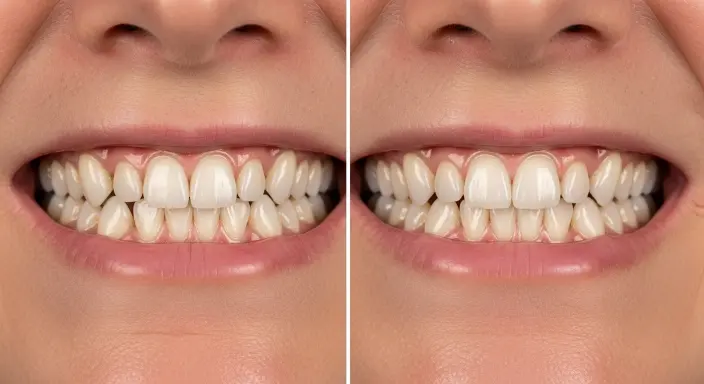
Composite bonding can make slightly crooked teeth appear straighter by reshaping uneven edges, improving tooth symmetry, and reducing the appearance of minor overlaps. However, it does not physically move teeth or correct significant misalignment. For patients with mild cosmetic concerns, bonding may offer a way to improve their smile without orthodontic treatment. At Vista Dorada Dental in Gilbert, AZ, patients can learn whether composite bonding is suitable for their teeth. This guide explains how bonding works for crooked teeth, when it may help, its limitations, and how it compares with Invisalign. What Is Composite Bonding? Composite bonding is a cosmetic dental procedure that uses tooth-colored resin to repair minor damage and improve the shape or appearance of teeth. The dentist applies the resin directly to the tooth, shapes it, and hardens it with a dental curing light. The treatment can repair small chips, close minor gaps, and reshape uneven tooth edges. It may also make slightly crooked teeth look more balanced without changing their actual position. Bonding often requires little or no enamel removal and can be completed in one appointment. However, the amount of preparation and whether the treatment is reversible depend on the condition of the tooth. Can Composite Bonding Actually Straighten Crooked Teeth? No, composite bonding cannot physically straighten crooked teeth. Instead, it changes the shape and appearance of selected teeth using tooth-colored resin, making mild irregularities less noticeable. For example, bonding may reshape an uneven front tooth or improve the appearance of minor rotations. However, the treatment does not reposition teeth, correct significant crowding, or resolve bite problems. Whether bonding is appropriate depends on the degree of misalignment, available tooth structure, and how the upper and lower teeth meet. When Composite Bonding Works for Crooked Teeth Composite bonding may be suitable when: Teeth are only slightly crooked or uneven. Minor shape differences affect the appearance of the smile. The bite is healthy and does not require correction. Enough space is available to apply resin without making teeth look bulky. The patient wants a cosmetic improvement rather than actual tooth movement. When Composite Bonding Is Not Suitable Bonding may not be appropriate when: Teeth have significant crowding or misalignment. The bite requires orthodontic correction. Adding resin would make the teeth appear too thick. Untreated decay or gum disease needs attention. The desired result requires physically moving teeth into alignment. Can Composite Bonding Fix Overlapping Teeth? Composite bonding can improve the appearance of slightly overlapping teeth, but it cannot physically move them into alignment. The treatment involves applying tooth-colored resin to selected areas to make minor overlaps look less noticeable. For example, bonding may help a front tooth that sits slightly behind another tooth appear more even. However, significant overlapping or crowding may leave insufficient space for the resin, making the teeth look bulky or more difficult to clean. If overlapping teeth affect your bite or require actual tooth movement, clear aligners or braces may be more suitable. A dentist can examine the degree of overlap and determine whether bonding can achieve a natural-looking result. How Composite Bonding Fixes Crooked Teeth Composite bonding improves the appearance of mildly crooked teeth by adding and shaping tooth-colored resin on selected surfaces. The procedure often takes one appointment, although treatment time depends on the number of teeth and the changes needed. Consultation and Smile Assessment The dentist examines the teeth, gums, and bite to determine whether bonding is appropriate. If the misalignment is significant or affects oral function, clear aligners or another treatment may be recommended instead. Color Matching A composite resin shade is selected to closely match the surrounding natural teeth. This helps the restoration blend with the smile, although the final appearance depends on the original tooth color and the size of the repair. Surface Preparation The tooth is cleaned and its surface is conditioned to help the resin attach securely. Cosmetic bonding often requires little or no enamel removal, but additional preparation may be necessary in certain cases. Application and Sculpting The dentist applies composite resin to selected areas and carefully shapes it to improve tooth symmetry. For mildly crooked teeth, the material can help smooth uneven edges or make small differences in tooth position less noticeable. Curing A dental curing light hardens the composite resin after it has been shaped. Additional layers may be applied and hardened as needed to create the desired contour. Polishing and Bite Check The dentist smooths and polishes the bonding material, then checks how the teeth meet when biting. Any necessary adjustments are made to improve comfort and ensure the restoration does not interfere with the bite. The cosmetic improvement is usually visible immediately after treatment, although the final result depends on the original tooth position and the amount of bonding needed. Benefits of Composite Bonding for Crooked Teeth Composite bonding can improve the appearance of mildly crooked teeth without physically moving them. It offers several advantages for patients who need minor cosmetic changes rather than orthodontic correction. Quick results: Many cosmetic bonding procedures can be completed in one dental visit. Minimal tooth preparation: The treatment often requires little or no removal of healthy enamel. Natural-looking appearance: Composite resin can be shade-matched and shaped to blend with nearby teeth. Lower initial cost: Small bonding repairs are generally less expensive than porcelain veneers, although fees vary. Repairable material: Chipped or worn bonding can often be polished or repaired without replacing the entire restoration. These benefits depend on the tooth’s condition, degree of misalignment, and biting pressure. A dental examination helps determine whether bonding is suitable for the desired cosmetic improvement. Composite Bonding vs Invisalign: Which One Is Right for You? Composite bonding is generally suitable for minor cosmetic improvements, while Invisalign is designed to physically move teeth into better alignment. The right treatment depends on whether you want to improve how your teeth look or correct their actual position. Feature Composite Bonding Invisalign Main purpose Improves tooth shape and appearance Gradually straightens teeth Best for Mild cosmetic irregularities, small gaps, and uneven