


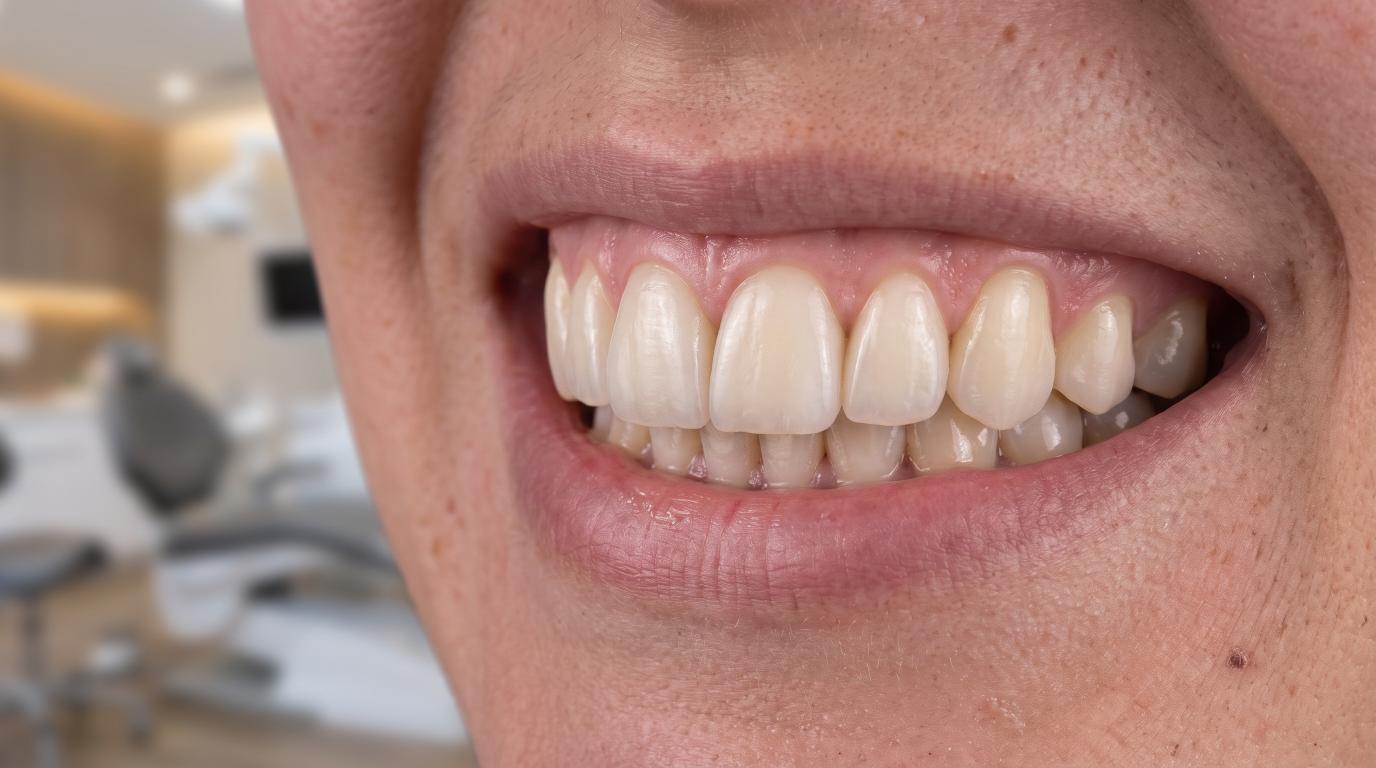
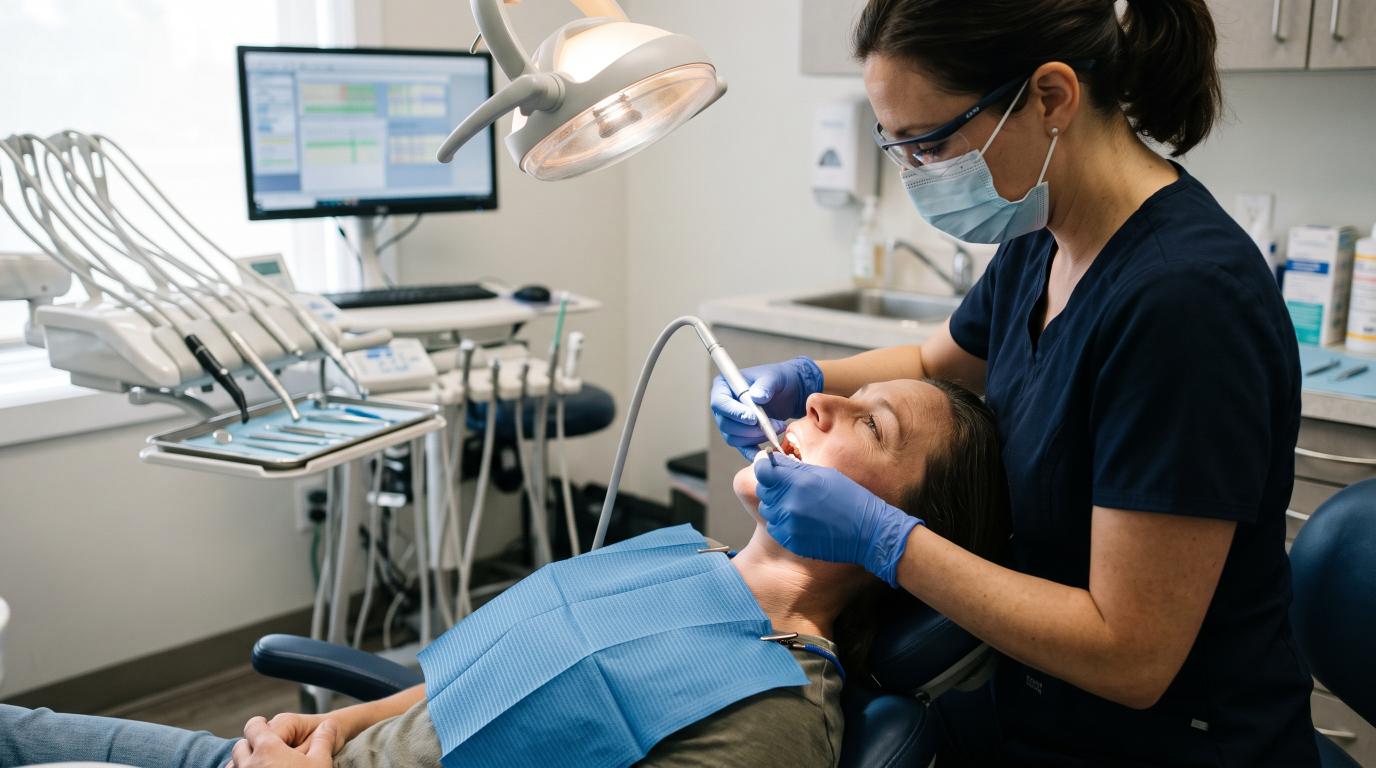
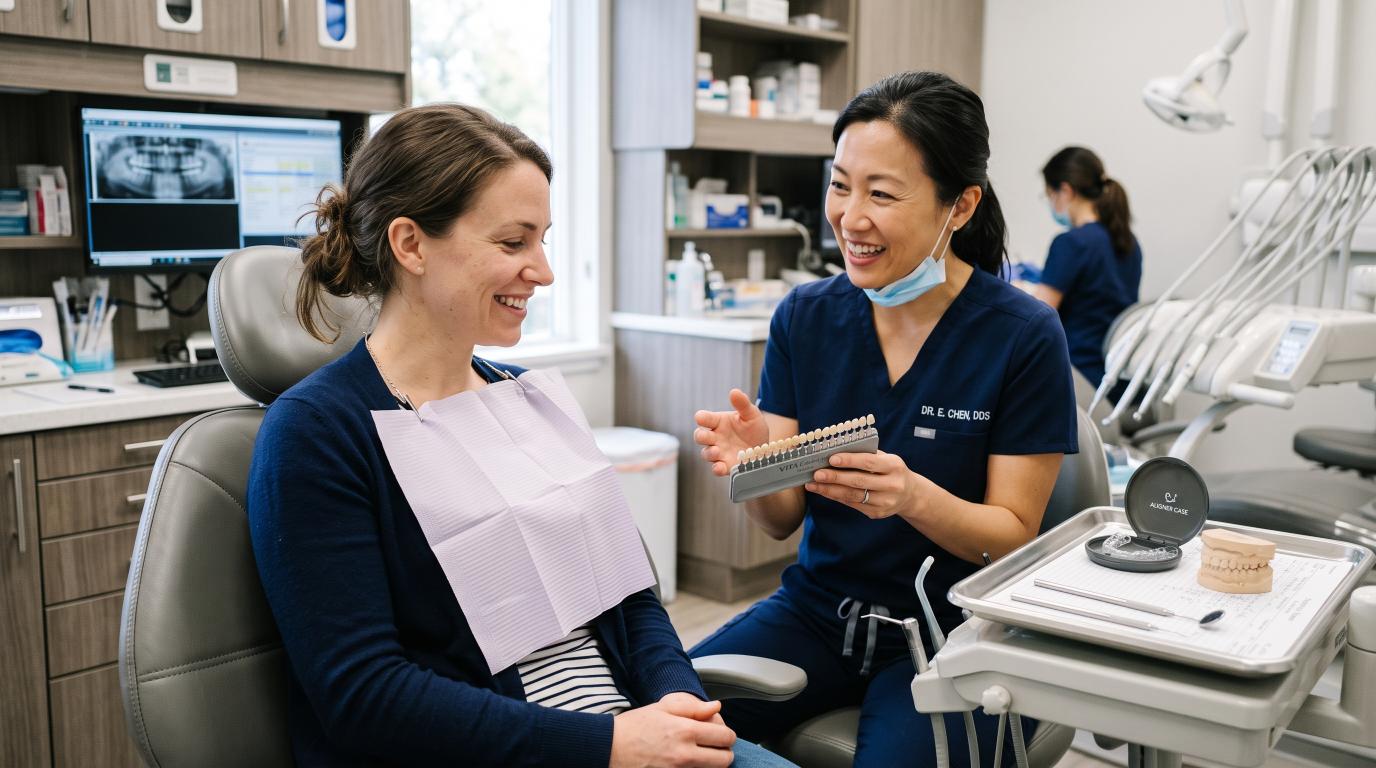

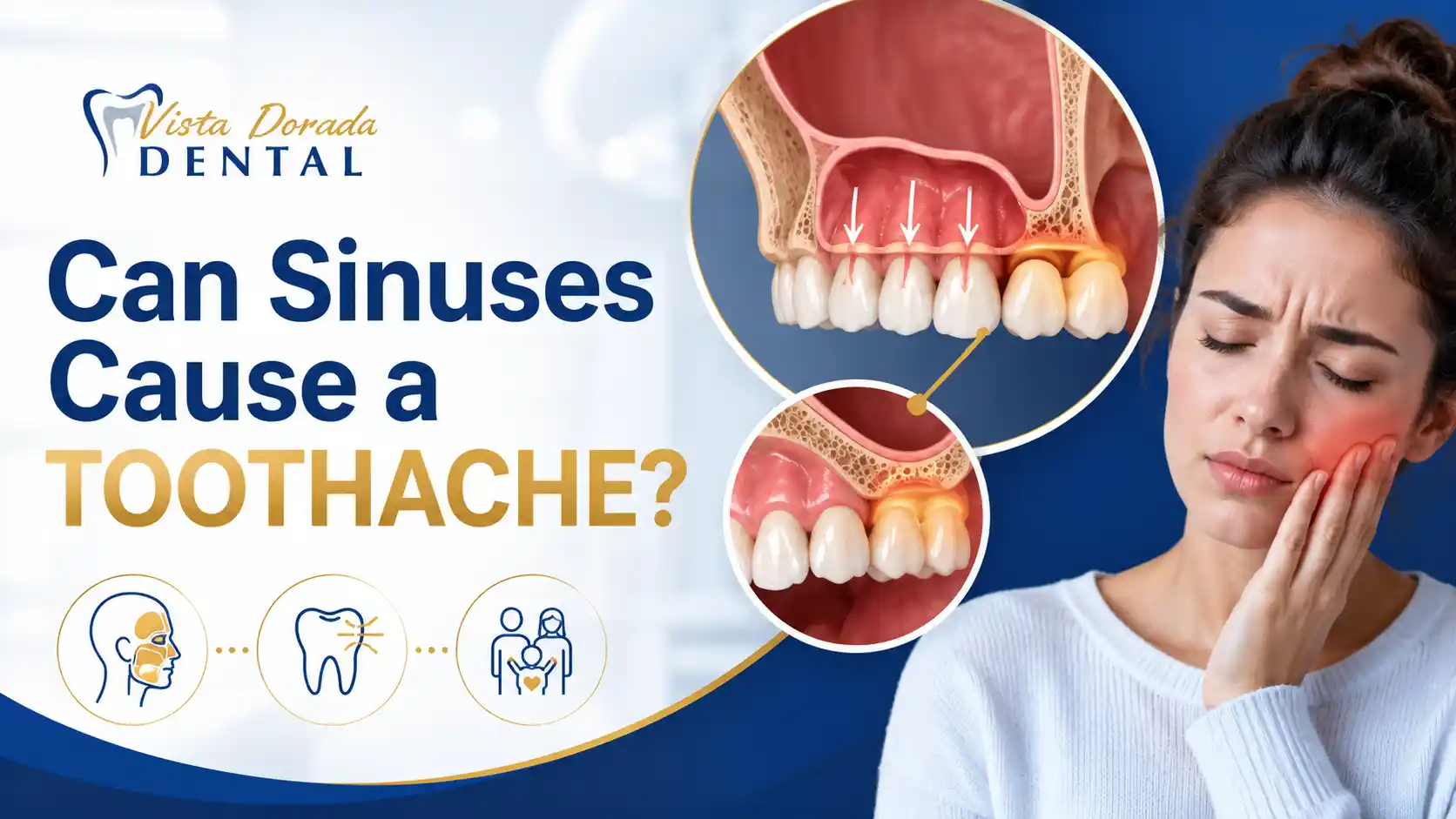

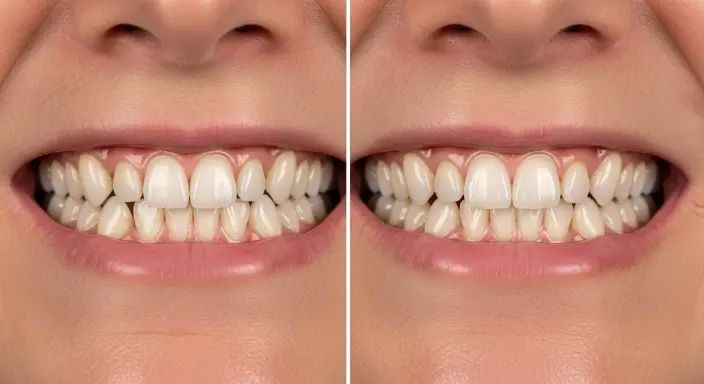
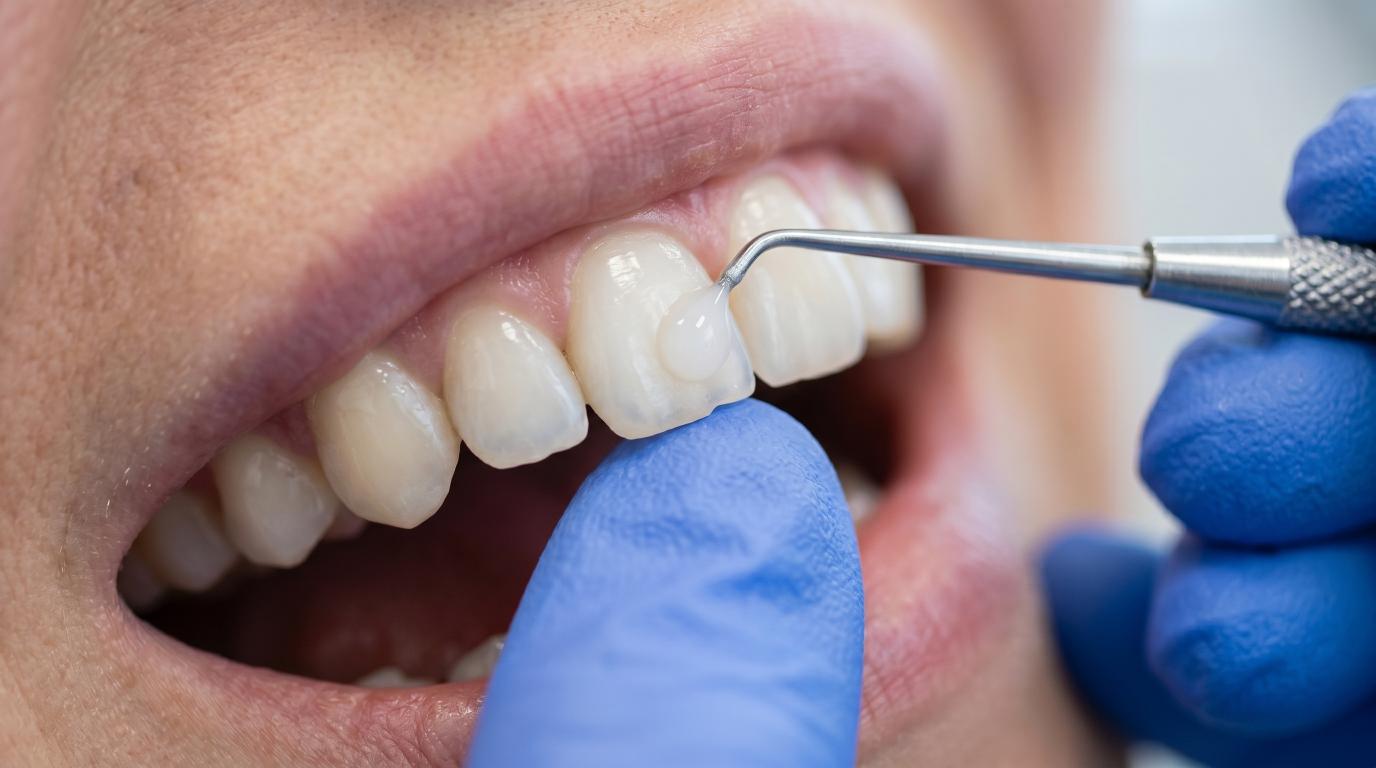

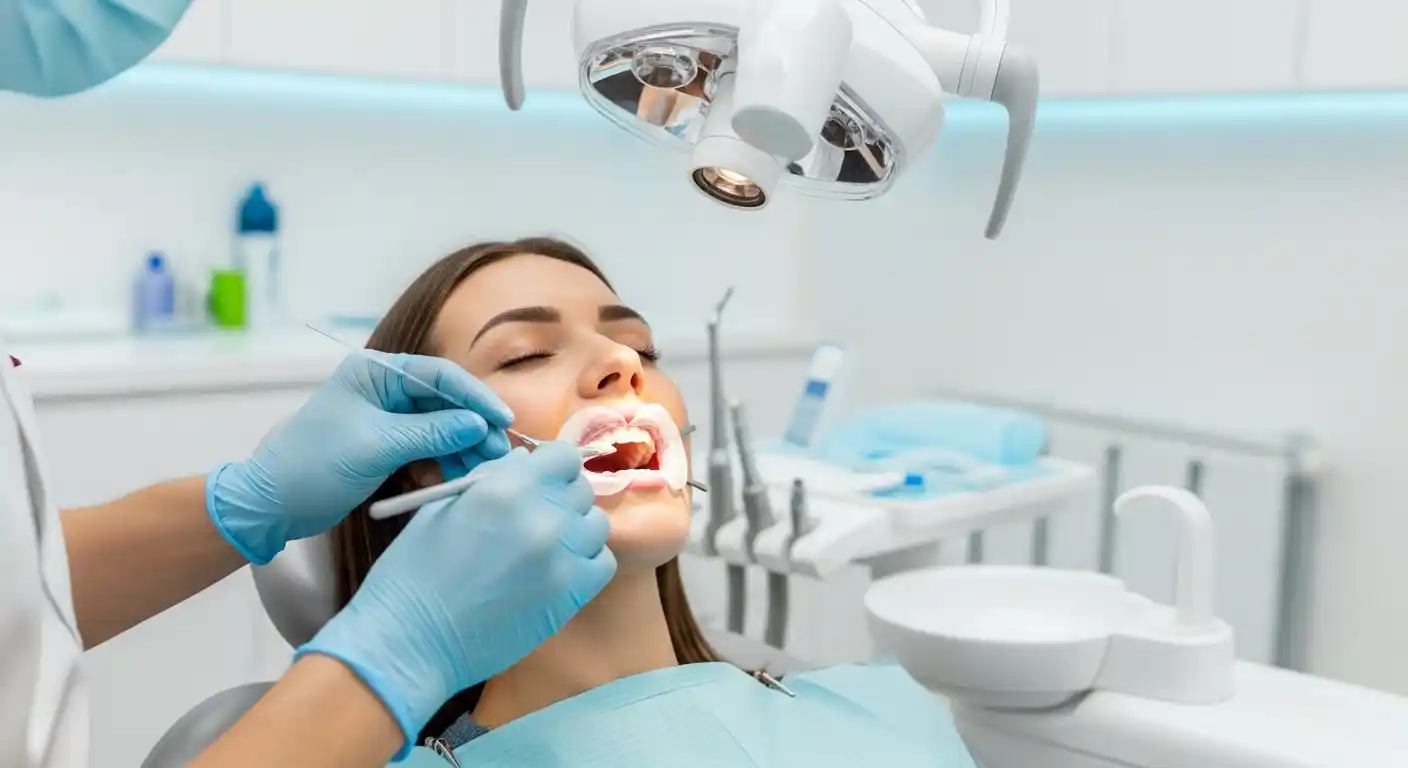
Veneers do not last forever, but preparing a tooth for them often creates a permanent change. Porcelain veneers commonly last 10 to 15 years, while composite veneers often last about 5 to 7 years. The coverings can wear, chip, or loosen. So, are veneers permanent? Not as restorations. However, enamel removed to fit traditional veneers does not grow back, which makes treatment a long-term commitment.
At Vista Dorada Dental in Gilbert, AZ, we help patients look beyond the first results. Before choosing veneers, it is important to understand how they affect your natural teeth, what can go wrong, and when future dental work may be needed.
What Does Permanent Really Mean When It Comes to Veneers?
For veneers, “permanent” refers mainly to the changes made during tooth preparation, not to an unbreakable covering. A bonded veneer is not removed for cleaning. The tooth beneath it may have been reshaped. Before treatment, ask about the preparation and future coverage. Unlike bonded restorations, removable snap-on covers can be taken out. They are not the same treatment.
Why Traditional Veneer Preparation Is Usually Irreversible
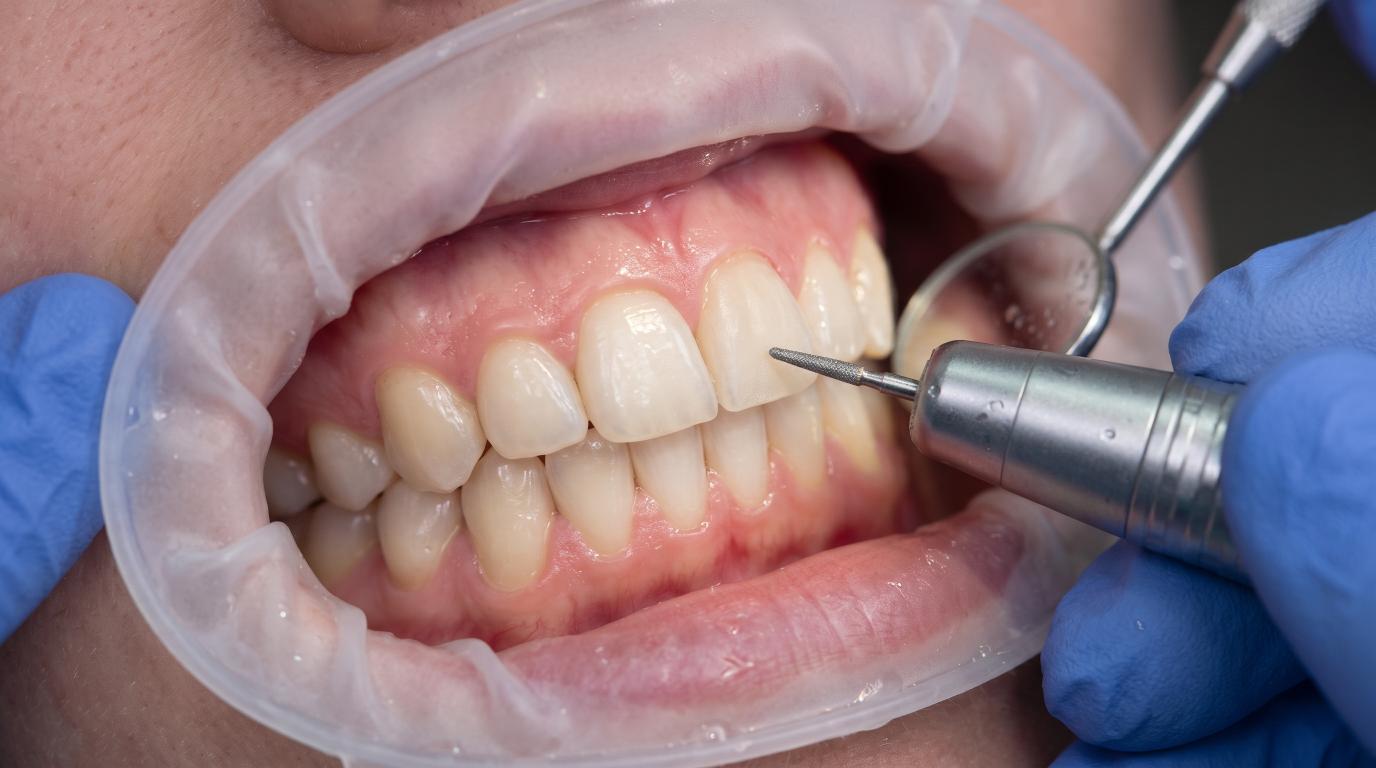
A dentist removes a thin enamel layer to fit a traditional veneer without adding bulk. Enamel cannot regrow. The American Dental Association’s veneer guidance explains why this makes treatment irreversible. The prepared tooth generally needs lasting coverage.
Why Veneers Do Not Last Forever
Veneers face years of chewing. Ceramic can fracture, resin can wear, and bonding can fail. A dentist examines their condition rather than replacing them at a fixed age. Accidental injury can also shorten service life.
How Long Do Different Types of Veneers Last?
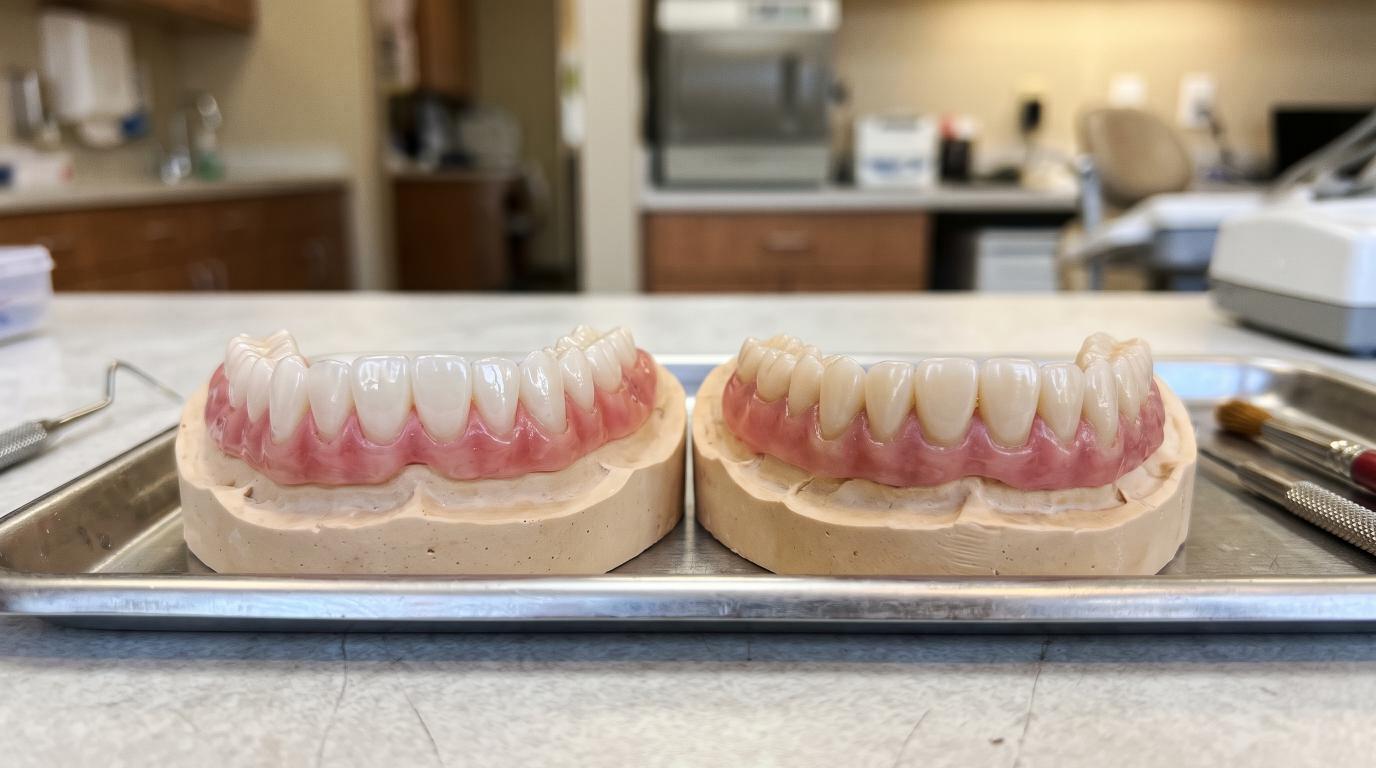
Porcelain veneers commonly last 10–15 years or longer, while composite veneers generally last about 5–7 years. These estimates come from University of Rochester Medicine’s 2026 guidance. They are estimates, not a replacement schedule. Your bite, tooth health, and habits affect longevity. The materials also have different repair options. Wear is not always visible, so appearance alone cannot determine whether replacement is needed.
Porcelain Veneers
Porcelain resists stains and is custom-shaped to reflect light like enamel. A sharp impact or heavy force at the biting edge can still fracture it. Learn about our porcelain veneer treatment.
Composite Veneers
Composite is tooth-colored resin that can stain from coffee or tea and lose shine. A small chip may be restored with fresh resin instead of a whole new veneer.
|
What Matters |
Porcelain Veneers |
Composite Veneers |
|
Typical lifespan |
10–15 years or longer | About 5–7 years |
| Stain resistance | Higher |
Lower |
|
Small-chip repair |
Possible, but more limited | Usually easier |
| Ongoing care | Cleaning and avoiding heavy biting |
Same care; polishing may be useful |
What Determines Whether a Tooth Is Suitable for Long-Term Veneer Treatment?
A good veneer candidate has healthy gums and enough sound tooth structure to support the covering. Untreated disease or weakness must be addressed first. An exam checks remaining tooth structure and past work to decide whether another restoration would be safer. The dentist may recommend addressing oral health before returning to cosmetic goals.
Why Healthy Enamel Matters for Veneer Bonding
Adhesives bond more reliably to enamel than to dentin beneath it. Erosion or past treatment can leave too little enamel. The dentist may recommend another option rather than remove more structure.
How Existing Fillings and Previous Dental Treatment Affect Suitability
A small filling may still allow veneer treatment. A large filling or deep fracture may not. Extensive damage sometimes needs a crown for greater coverage. The tooth’s history matters as much as its current color.
Why Dentists Evaluate the Condition of the Underlying Tooth
A veneer masks discoloration, not decay or infection. The dentist checks for cavities, cracks, and gum disease before treatment, using X-rays when indicated. Any disease needs treatment before veneer placement.
How Does the Bond Between a Veneer and Tooth Affect Its Longevity?
The bond keeps the veneer functioning as part of the tooth. Its reliability depends on the prepared surface, the bonding materials, and careful placement. Moisture or poor fit can weaken it. A moving veneer requires checking the attachment and bite. Even intact ceramic can loosen if the connection fails under repeated force.
The Role of Dental Adhesives and Bonding Cement
For porcelain, the dentist prepares both surfaces, seats the veneer with resin cement, and cures the material when needed. Composite uses related adhesives but is shaped differently. Every layer must be placed correctly for the system to work.
Why Veneers Can Become Debonded
Debonding means a veneer separates from the tooth without necessarily breaking. Limited enamel, placement errors, or heavy pressure can contribute. Repeated loosening requires finding the cause, not just adding cement.
How Dentists Assess Veneer Margins and Bond Integrity
The margin is the small border where the veneer meets the tooth. The dentist checks for steps, gaps, or color changes. Catching floss or roughness warrants an examination.
Does Veneer Survival Always Mean Long-Term Success?
No. In dental research, survival means a restoration remains in use, sometimes despite problems. Success is a stricter measure that considers whether the veneer remains in good condition without important complications. For any survival percentage, check how researchers defined complications and how long they followed patients. Check whether percentages describe veneers or patients, since one person can receive several.
What Is the Difference Between a Surviving and a Successful Veneer?
A veneer with an edge defect may still count as surviving if it has not been replaced. A successful veneer meets the study’s standards for fit, function, and surrounding tissue health. Study definitions differ, which limits direct comparisons.
Why Veneers Can Remain Attached but Still Develop Complications
A 2025 study by Panayong and colleagues assessed 233 ceramic veneers after 9–10 years. It reported 89.3% survival, but 79.4% of all 233 veneers survived with complications. Common findings included poor margin fit, gum inflammation, and discoloration at the edges.
How Clinical Outcomes Differ From Patient Satisfaction
A veneer can look sound to a dentist while trapping food or making flossing painful. Those daily problems matter alongside clinical measurements when deciding whether a restoration needs attention. Ask about both fit and comfort at follow-up visits.
What Changes Can Develop Around Veneers Over Time?
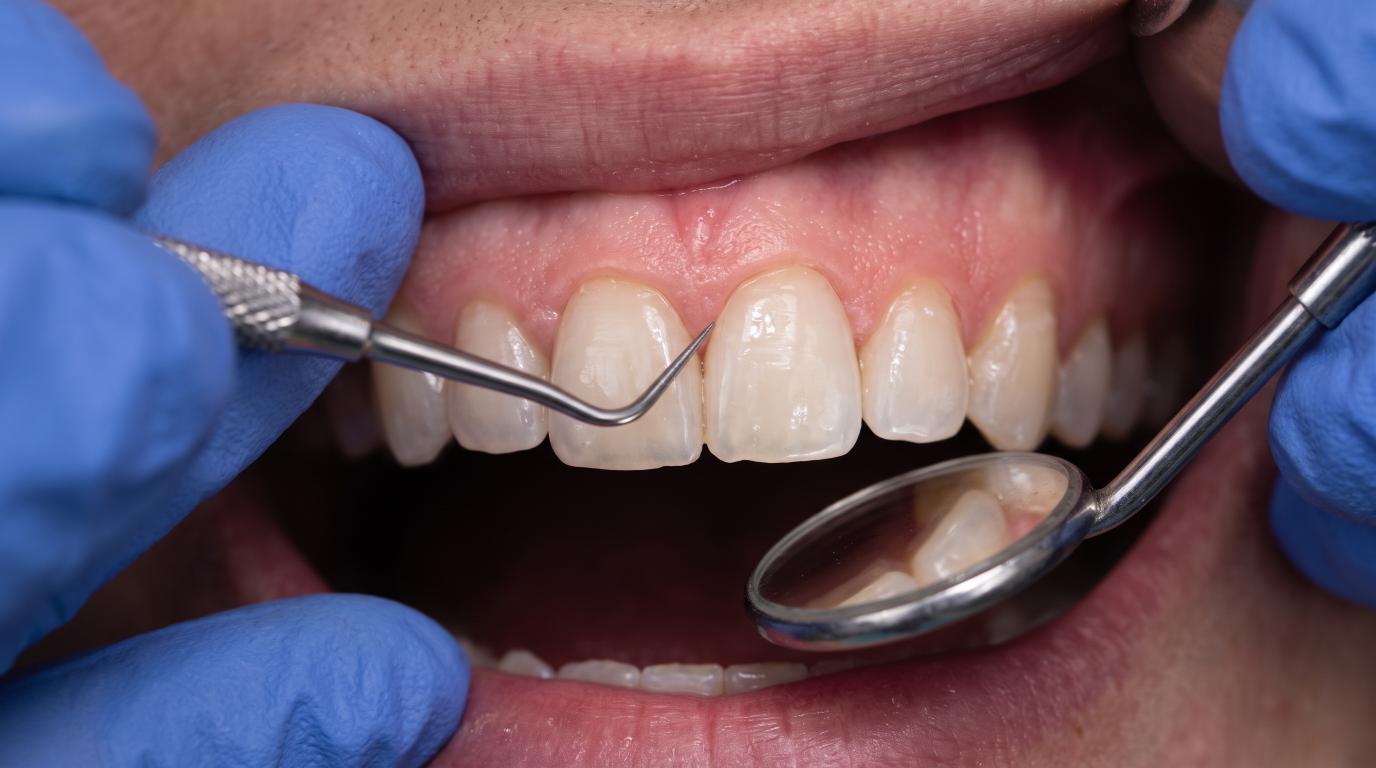
Changes around a veneer can involve the gums, the exposed parts of the tooth, or the living tissue inside it. Possible signs include bleeding, food collecting near an edge, or new sensitivity. These signs do not always mean the veneer must be replaced. An examination helps distinguish plaque problems from decay or damage. Tell the dentist when symptoms started and which teeth are affected.
How Veneer Margins Can Affect Gum Health
A bulky edge can trap plaque, causing redness or bleeding. The dentist checks the cause before recommending cleaning changes, treatment, or adjustment. An irritated area may improve after the source of plaque retention is corrected.
Can Tooth Decay Develop Around a Veneer?
Yes. Veneers leave tooth surfaces exposed to plaque. A cavity forming next to an existing restoration is called secondary caries. Early decay may be hard to see without an exam.
What Changes in Tooth Sensitivity and Pulp Health May Mean
Short-lived sensitivity after preparation can occur, but worsening or lasting pain deserves attention. Causes include exposed dentin, decay, bite problems, or irritation of the nerve-containing dental pulp. Swelling or severe pain requires prompt dental assessment.
When Should a Veneer Be Repaired or Replaced?
A veneer may be repaired when damage is small and its fit remains sound. Replacement is more likely when the shell fractures badly, the edge no longer seals well, or the same problem keeps returning. The dentist also checks the tooth beneath and what caused the damage so the problem does not return. Until the cause is clear, avoid hard biting on the affected tooth and never try to reshape the veneer yourself.
How Dentists Decide Whether a Veneer Can Be Repaired
A small chip in composite can sometimes be rebuilt with fresh resin. Minor porcelain damage may be polished or repaired. A deep crack, loose material, or an overloaded biting edge makes repair less suitable.
When Complete Veneer Replacement Becomes Necessary
Large fractures, repeated loosening, or a poor margin may require replacement. If the original veneer carried too much biting force, its design may change. The dentist also checks neighboring tooth color before ordering a new shell.
What Should You Do If a Veneer Falls Off?
Keep the veneer in a clean container and call a dentist. Never use household glue. Avoid hard chewing on the sensitive tooth and bring the veneer for assessment. A dentist may be able to reuse it if the veneer and tooth are undamaged.
How Dentists Evaluate the Underlying Tooth Before Replacement
After removing a damaged veneer, the dentist looks for decay, cracks, fillings, and remaining enamel. A tooth with good structure may support another veneer. A badly weakened tooth may need a crown or another treatment. The remaining structure determines the next step.
Can Veneers Be Removed and Can You Return to Natural Teeth?
Yes, a dentist can remove veneers, but returning a prepared tooth to its original condition is usually impossible. Removing the covering does not restore lost enamel. What follows depends on the original preparation. Only a dentist should perform removal. Whether the tooth can remain uncovered needs an examination, not a decision based only on the name of the veneer type.
What Happens to Teeth After Prepared Veneers Are Removed?
A prepared tooth may look shorter, uneven, or dull without its covering, and exposed areas may feel sensitive. A dentist plans a new covering based on remaining tooth structure. Leaving sensitive prepared enamel exposed may cause discomfort.
When Composite Veneers May Be Removed
Some composite veneers are added with very little enamel reduction. In those cases, a dentist may carefully polish away the resin while preserving much of the original surface. Earlier reshaping may still prevent full reversal.
Why No-Prep Veneers Are Not Automatically Reversible
No-prep describes a treatment approach, not a promise that removal leaves teeth untouched. The material still needs careful removal; added thickness may not suit every smile. Our Lumineers service explains one thin-veneer option, which still requires individual assessment.
How to Protect Veneers and Maintain Their Condition
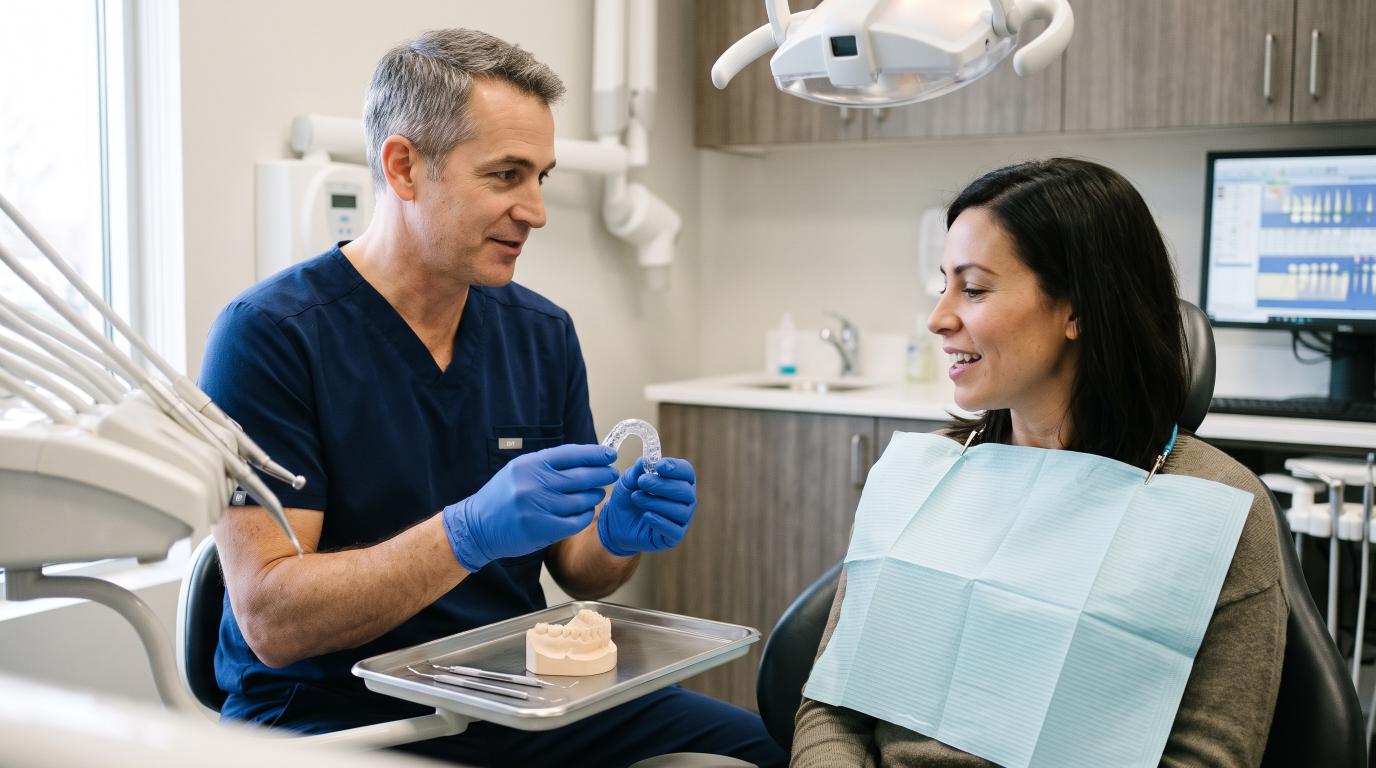
Veneer care protects the natural tooth and gums as well as the visible covering. Clean daily, avoid using teeth as tools, and attend exams. Report new roughness, discomfort, or bite changes. Good habits lower risk without preventing every failure. Simple, consistent habits matter more than special products.
Daily Brushing and Flossing
Brush twice daily with fluoride toothpaste and clean between teeth every day. Use gentle pressure near the gumline rather than scrubbing the veneer edges. If floss catches repeatedly, ask the dental team to check the contact.
Protecting Veneers From Excessive Biting Pressure
Do not chew ice, bite pens, or open packaging with your front teeth. These actions concentrate force on thin edges. Cut hard foods into small pieces. Have sudden bite changes checked.
Why Regular Dental Examinations Matter
At visits, the dentist checks the bite, veneer edges, gums, and nearby tooth surfaces. Small defects may be easier to manage before they become larger. Follow the visit schedule recommended for your dental health.
Using a Night Guard When Recommended
Bruxism is the term for grinding or clenching teeth, sometimes during sleep. It places repeated pressure on restorations. A dentist may recommend a fitted night guard when grinding is found.
Are Veneers Worth the Long-Term Commitment?
Veneers may be worth considering when they address a clear appearance concern and your teeth are healthy enough for treatment. Another option may preserve more enamel. Compare appearance, comfort, and future treatment needs before deciding. If several front teeth are involved, consider whether replacing just one veneer later could affect the overall color match. Discuss the plan for each tooth instead of assuming every tooth needs coverage.
Understanding Future Maintenance and Replacement Expenses
The first fee is not necessarily the final expense. A chipped veneer may need repair, a failed one may need replacement, and grinding may call for a guard. Ask which future services cost extra and whether insurance applies.
When Dental Bonding or Other Alternatives May Be Worth Considering
Small chips and gaps may respond to dental bonding, which can require less enamel removal. Whitening addresses certain stains, while orthodontic treatment changes tooth position rather than covering it. Treatment depends on the cause, not just the desired appearance.
What Questions Should You Ask Before Getting Veneers?
Ask how much enamel will be removed and whether your bite raises the risk of damage. Find out what happens if one veneer fails, how its color will match nearby teeth, and what future treatment could cost. Ask about enamel-preserving alternatives.
Conclusion
Are veneers permanent? The covering is not, but preparation for traditional veneers usually makes a lasting change to the tooth. The best decision considers natural enamel, how the veneer will function, possible complications, and future replacement needs. Consider those trade-offs before choosing a material.
Schedule a Dental Consultation
If you are considering veneers, our team at Vista Dorada Dental in Gilbert, AZ, can examine your teeth, review your bite, and discuss how preparation may affect your natural enamel. We can compare porcelain veneers with other cosmetic treatments and explain what maintenance or future replacement may involve.
Bring questions about sensitivity, fillings, grinding, and costs. We can also explain options for teeth with existing dental work. Call (480) 963-9900 or book an appointment to discuss a suitable approach for your smile.
Frequently Asked Questions
Can You Get Veneers on Just One Tooth?
Yes. One veneer can improve a chipped or discolored tooth. Matching its shade and shape to the surrounding teeth is important, especially if it sits near the center of your smile.
Do Veneers Feel Different From Natural Teeth?
Yes, they may feel unfamiliar at first. Your tongue needs to adjust to the new surface. A sharp edge or a bite that feels uneven should be checked by a dentist.
Can Veneers Affect the Way You Speak?
Yes, temporarily. Changing the length or shape of front teeth can affect certain sounds. Most people adjust, but ongoing speech changes need a review of the veneer’s shape and position.
Can You Eat Normally Immediately After Getting Veneers?
Usually, once the dentist confirms treatment is complete and any numbness has worn off. Follow specific instructions if you have temporary veneers. Avoid biting hard objects with your front teeth.
Can You Have Veneers if You Have Sensitive Teeth?
Sometimes. The dentist should identify the cause of sensitivity first. Exposed dentin, gum recession, and untreated decay may need attention before cosmetic treatment.
Are Dental Veneers Considered Cosmetic or Restorative Treatment?
Veneers are mainly cosmetic because they improve appearance. They may also restore certain chipped or worn surfaces. Insurance coverage depends on the treatment purpose and the details of your plan.