












No. Most emergency rooms (ERs) do not pull teeth. ER doctors can manage severe pain, bleeding, infections, and facial injuries, but tooth extractions usually require a dentist or oral surgeon. Some hospitals can perform extractions when dental specialists are available, especially during serious infections or injuries.
For people wondering if emergency rooms remove teeth, the next step depends on how serious the problem is. Vista Dorada Dental in Gilbert, AZ, provides emergency dental exams to determine whether a damaged or infected tooth can be treated or needs removal.
If you have trouble breathing or swallowing, rapidly spreading facial swelling, uncontrolled bleeding, or a major facial injury, seek emergency hospital care. For most toothaches and broken teeth without these warning signs, an emergency dentist is the better choice.
Will the ER Pull Your Tooth? Why Most Do Not
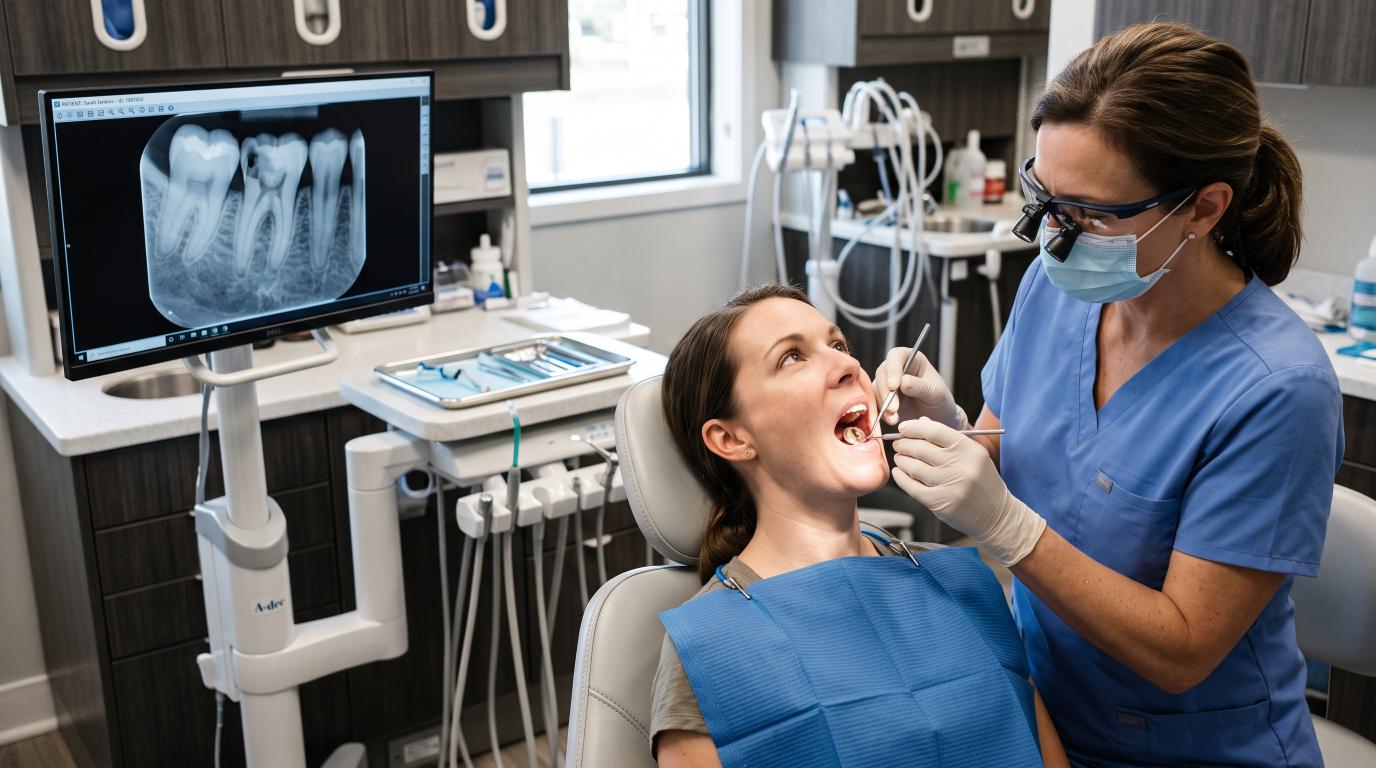
Usually no, because tooth extraction requires dental training, specialized instruments, and an examination of the tooth and surrounding bone. Most hospital emergency departments are equipped to manage urgent medical conditions rather than perform routine dental procedures.
Tooth Extraction in the Emergency Room: What Can the ER Actually Do?
If you go to the ER hoping for a tooth extraction, this is what an emergency department may provide instead:
- Pain medication or local anesthesia to control discomfort.
- Antibiotics when there are signs of a spreading or systemic bacterial infection.
- Treatment for bleeding or injuries involving the mouth and face.
- Drainage of certain infections when medically appropriate.
- Assessment of serious swelling and its effect on breathing or swallowing.
However, ER doctors generally cannot perform fillings, root canals, crown repairs, or routine tooth extractions. A 2015 Kansas Journal of Medicine study reviewed 676 dental visits to one Kansas City emergency department in 2012, representing approximately 1.4% of its visits. Medication was provided during 90% of dental visits, while providers reported using dental nerve blocks and infection drainage rather than extractions.
These findings describe one hospital, but they help explain why emergency treatment often controls symptoms without resolving the underlying dental problem. The Cleveland Clinic dental emergency guide also explains that patients generally need follow-up dental treatment after receiving emergency hospital care.
Can Emergency Rooms Remove Teeth in Special Cases?
Yes, some hospitals pull teeth, but only when an oral surgeon is available. Hospital-based extractions are more likely when a dental condition requires specialized medical treatment.
Severe Dental Infections
A dental infection can sometimes spread beyond the tooth into surrounding facial or neck tissues. When this happens, hospital treatment may be necessary to control the infection and protect the patient’s health. If an infected tooth is the source of a serious infection, an oral surgeon may remove it as part of treatment. Other procedures, such as draining an abscess, may also be necessary.
Major Facial or Jaw Injuries
Accidents can cause broken teeth, jaw fractures, and injuries to surrounding tissues. These situations sometimes require care from oral and maxillofacial surgeons who can treat both dental and facial injuries. Not every hospital has these specialists available. Patients with urgent dental problems can contact a hospital to ask about its dental services, but life-threatening symptoms should never be delayed while checking availability.
When Should You Go to the ER for a Dental Emergency?

The right choice depends on whether you need emergency medical treatment or care for the tooth itself. A hospital emergency department is appropriate when a dental problem threatens breathing, causes uncontrolled bleeding, or involves a serious facial injury. An emergency dentist can usually assess tooth pain, damaged restorations, and infections that do not have these warning signs.
|
Dental Problem |
Where to Go |
Reason |
|
Trouble breathing or swallowing |
ER immediately |
Swelling or infection may affect the airway |
|
Rapidly spreading facial or neck swelling |
ER |
May indicate a serious infection |
|
Fever with facial swelling or feeling seriously unwell |
ER | May indicate an infection affecting the body |
| Bleeding that will not stop | ER |
Requires urgent bleeding control |
|
Broken jaw or major facial injury |
ER | May require hospital treatment and surgery |
| Severe toothache without medical warning signs | Emergency dentist |
Identifies and treats the source of pain |
|
Broken tooth or lost filling or crown |
Emergency dentist | Assesses the damage and appropriate repair |
| Localized dental abscess without systemic warning signs | Emergency dentist promptly |
Requires dental assessment and treatment |
|
Knocked-out permanent tooth |
Emergency dentist immediately | Quick treatment improves the chance of saving it |
| Minor chip or mild discomfort | Regular dentist |
Often can be assessed during normal hours |
If you cannot reach a dentist and your pain is severe or your symptoms are worsening, seek urgent medical assessment rather than leaving the problem untreated.
When Should You See an Emergency Dentist Instead?
An emergency dentist is usually the better choice when the problem is mainly limited to the teeth or gums and you do not have signs of a life-threatening medical emergency. You may need an emergency dentist for severe tooth pain, a broken tooth, a damaged filling or crown, a localized dental abscess, a loose tooth, or a tooth that may need extraction.
A knocked-out permanent tooth also needs very fast attention. Contact a dentist immediately. If the tooth injury happened with serious facial trauma, heavy bleeding, loss of consciousness, or another major injury, emergency medical care may also be necessary.
Can an Emergency Dentist Remove a Tooth?
Yes. An emergency dentist can often remove a tooth when an examination shows that extraction is the right treatment. The dentist will first determine why the tooth hurts and whether it can be saved. Some painful teeth can be treated with a filling, crown, root canal, or another procedure. Extraction is usually considered when the damage or infection is too severe for predictable repair.
Before removing the tooth, the dentist may take X-rays to examine its roots and the surrounding bone. The type of extraction will depend on the condition and position of the tooth. A simple extraction may be possible when the tooth can be reached easily above the gumline. A surgical extraction may be required for teeth that are broken, trapped below the gums, or harder to remove.
How Long Can You Wait to Get an Infected Tooth Pulled?
Waiting rarely makes an infected tooth better, because the source of the infection stays until a dentist treats it. Pain and swelling that ease for a day can come back stronger. Do not wait at all if you have any of the ER warning signs.
Without those signs, book an emergency dentist as soon as you can instead of waiting for a routine visit. A mildly sore tooth can usually wait for a regular appointment, but pain that returns or gets worse should be checked.
What Happens During an Emergency Tooth Extraction?
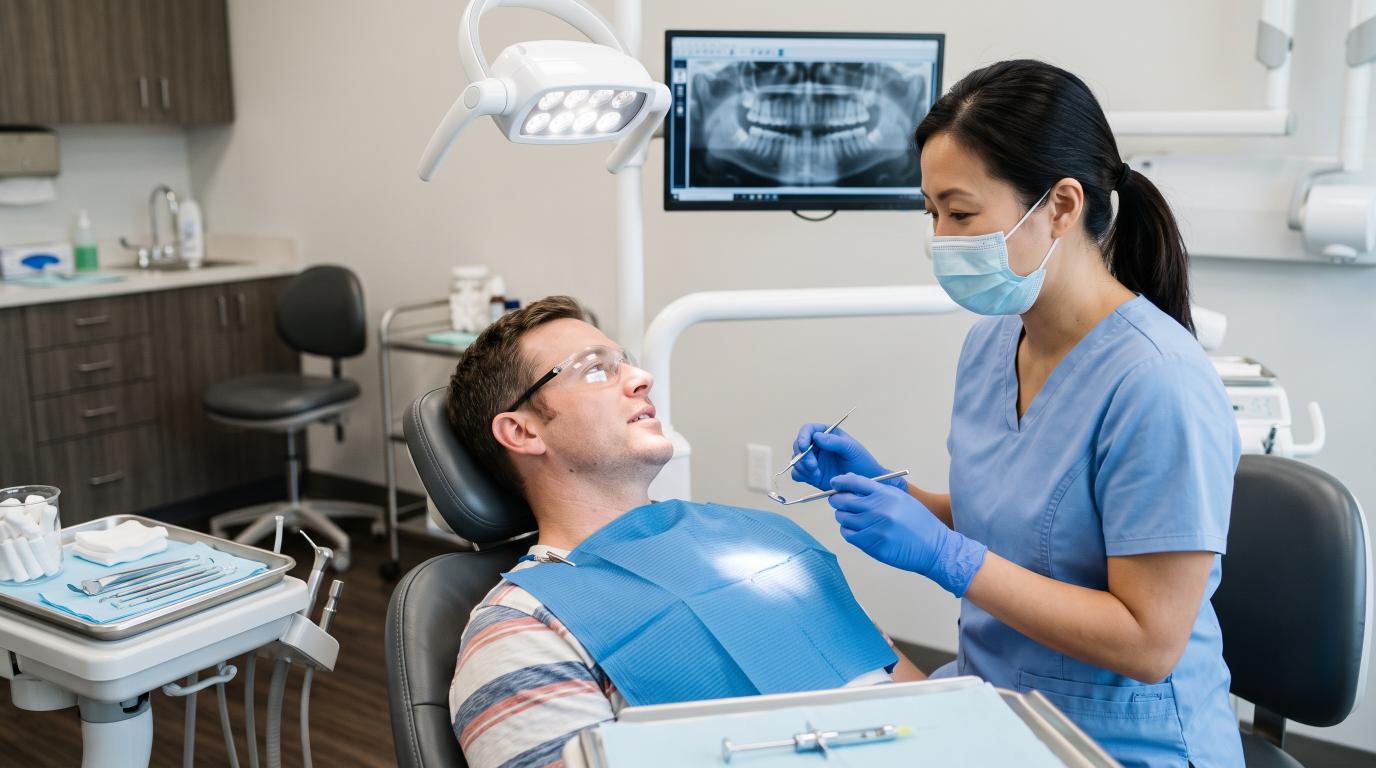
An emergency tooth extraction is usually recommended when a tooth is badly damaged, severely infected, or cannot be saved with another treatment. Before removing the tooth, the dentist first checks your condition carefully and makes sure extraction is the right option. The process is planned to remove the problem tooth safely while keeping you as comfortable as possible.
Dental Examination and X-Rays
The dentist begins by examining the painful tooth, gums, and nearby areas. You may be asked about your pain, swelling, medical history, and any medicines you take. Dental X-rays are often used to check the tooth roots, surrounding bone, infection, and the position of the tooth. This helps the dentist decide whether a simple or surgical extraction may be needed.
Numbing the Tooth and Surrounding Area
Before the extraction begins, local anesthesia is used to numb the tooth and nearby gum tissue. This helps prevent pain during the procedure, although you may still feel pressure or movement. If you are very anxious or the extraction is more complex, the dentist may also discuss other comfort or sedation options when appropriate.
Removing the Tooth
Once the area is fully numb, the dentist gently loosens the tooth from its socket using dental instruments. If the tooth is easy to reach, it may be removed in one piece. A broken, impacted, or difficult tooth may require a surgical extraction, which can involve making a small opening in the gum or removing the tooth in sections.
Controlling Bleeding
After the tooth is removed, the dentist checks the socket and makes sure the area is clean. Gauze is usually placed over the extraction site, and you may be asked to bite down gently for a period of time. This pressure helps slow the bleeding and allows a blood clot to form, which is important for normal healing.
Receiving Aftercare Instructions

Before you leave, the dentist will explain how to care for the extraction site at home. Instructions may include how long to keep the gauze in place, what foods to eat, how to manage discomfort, and how to clean your mouth safely. You may also be told to avoid smoking, using straws, or disturbing the blood clot because these actions can delay healing or increase the risk of dry socket.
What Should You Do While Waiting for Emergency Dental Care?
While waiting for emergency dental care, you can take a few steps to ease tooth pain, reduce swelling, and protect a damaged tooth. Rinsing with warm salt water, applying a cold compress, and using suitable pain medication can provide temporary relief. However, home care cannot repair a damaged tooth or treat the underlying cause of a dental infection.
How to Manage Tooth Pain While Waiting for Care
If you have a toothache or dental discomfort, these steps can help you stay comfortable until your appointment.
Rinse with warm salt water: Mix half a teaspoon of salt into 8 ounces of warm water. Gently rinse your mouth and spit it out.
Remove trapped food carefully: Use dental floss to gently remove food caught between your teeth without irritating the gums.
Apply a cold compress: Hold it against the outside of your cheek for 10 to 15 minutes at a time to help reduce discomfort and swelling.
Use suitable pain relief: Ibuprofen or acetaminophen may help control tooth pain when taken according to the label, provided they are safe for you.
Avoid irritating foods: Stay away from very hot, cold, hard, or sugary foods if they make your tooth hurt. Chew on the opposite side.
Keep your head slightly elevated: Raising your head while resting may help reduce throbbing discomfort.
Never place aspirin directly on your gums: Aspirin can burn or irritate gum tissue and will not treat the cause of your toothache.
These measures can make waiting more manageable, but worsening pain, increasing swelling, or fever requires prompt assessment. Trouble breathing or swallowing requires emergency medical care.
What to Do If a Permanent Tooth Is Knocked Out
A knocked-out permanent tooth needs immediate dental care. The sooner it is returned to its socket, the better its chance of being saved. According to the Cleveland Clinic, treatment within approximately one hour offers a better chance of successful reimplantation. Pick up the tooth by its crown, not the root. If it is dirty, gently rinse it with water or saline without scrubbing or removing attached tissue.
If possible, carefully place it back into its socket without forcing it. If you cannot reinsert the tooth, keep it moist in milk or a tooth-preservation solution and visit an emergency dentist immediately. Do not try to reinsert a knocked-out baby tooth because doing so can harm the developing permanent tooth.
How Long Does Recovery Take After an Emergency Extraction?
Mild bleeding, tenderness, and swelling can occur during the first few days after removal. Most people notice gradual improvement as the extraction site begins healing. During early recovery, avoid smoking, drinking through straws, or disturbing the blood clot. These activities can increase the risk of dry socket, a painful complication that occurs when the clot is lost or breaks down before the area has healed.
Contact your dentist if pain becomes worse after initially improving, swelling increases, or you develop other concerning symptoms. Seek urgent medical care for uncontrolled bleeding or serious symptoms such as difficulty breathing or swallowing.
How Much Does an Emergency Tooth Extraction Cost?
The cost of an emergency tooth extraction depends on the condition of the tooth, the type of extraction needed, and any additional dental care required. A simple extraction is generally less expensive than a surgical extraction because the procedure is less complex. The overall cost may also include a dental examination, X-rays, anesthesia, and follow-up care.
If the tooth is severely damaged, impacted, or difficult to remove, the procedure may require more time and specialized treatment. A dentist can examine the tooth, explain the recommended procedure, and provide a cost estimate before treatment begins.
Why an ER Visit May Cost More Without Resolving the Dental Problem
Visiting an emergency room for tooth pain may result in additional medical expenses without treating the underlying dental problem. Hospitals may charge for examinations, imaging, medications, and other emergency services.
A 2015 Oregon emergency dental study published in the American Journal of Public Health examined the use and costs of emergency department visits for dental problems. The findings help explain why hospital care can involve significant costs even when patients still need treatment from a dentist. For dental problems that do not involve serious medical warning signs, visiting an emergency dentist directly may help avoid the expense of receiving temporary hospital care followed by a separate dental procedure.
Does Insurance Cover Emergency Tooth Extraction?
Insurance coverage depends on your plan, the type of extraction, and where treatment is provided. Dental insurance may cover part of the procedure, although deductibles, waiting periods, and annual coverage limits can affect the amount you pay. Medical insurance may cover medically necessary emergency hospital services, but it does not always cover dental extractions. Before treatment, contact your insurance provider to confirm your benefits and ask the dental clinic about payment options and estimated out-of-pocket expenses.
Get Emergency Dental Care in Gilbert, AZ
A painful, damaged, or infected tooth should not be ignored. Early dental assessment can help determine whether the tooth can be restored or if removal is necessary. At Vista Dorada Dental in Gilbert, AZ, patients can request an emergency dental examination to discuss their symptoms and available treatment options. Contact us for emergency appointments, treatment availability, and the next steps for your dental concern. If you have trouble breathing, rapidly spreading swelling, or another life-threatening emergency, seek hospital emergency care immediately.
Conclusion
Can emergency rooms remove teeth? Most cannot perform routine extractions, although hospitals with qualified dental specialists may provide this treatment in serious cases. ER care is mainly intended to manage medical emergencies, while dentists diagnose and treat the underlying tooth problem. For most painful or damaged teeth without serious medical warning signs, an emergency dental examination is the appropriate next step. Vista Dorada Dental in Gilbert, AZ, can assess the tooth and explain whether it can be repaired or needs removal.
Frequently Asked Questions
Do You Need an Appointment for an Emergency Tooth Extraction?
Many emergency dentists accept urgent appointment requests, but walk-in availability varies. Calling ahead allows the dental clinic to explain its availability and whether you can be seen that day.
Can You Get a Tooth Extracted on the Weekend?
Some emergency dental clinics offer weekend appointments, although availability varies by location. If your regular dentist is closed, call their emergency line or look for a dentist offering weekend emergency services, and confirm whether extractions are available. If you have serious warning signs, go to the ER instead. Otherwise, ask for the first available appointment on the next business day.
Can a Dentist Refuse to Extract an Infected Tooth?
A dentist may postpone an extraction if it cannot be performed safely at that time. The decision depends on the patient’s medical condition, the infection’s severity, and whether specialist treatment is needed.
Can You Get an Emergency Tooth Extraction Without Dental Insurance?
Yes. Dental insurance is not required to receive an emergency extraction, but patients without coverage generally pay the treatment costs themselves. Ask the dental clinic about payment arrangements before the procedure.
Can I Get a Tooth Pulled at the ER If I Have No Dentist?
Usually no. The ER treats pain, swelling, and infection, then refers you to a dentist or an oral and maxillofacial surgeon. If you have no warning signs, an emergency dentist can often examine and extract the tooth in one visit.
Is It Safe to Drive After an Emergency Tooth Extraction?
Driving may be possible after an extraction performed with local anesthesia alone, provided you feel well enough. However, sedation, certain medications, or complications may make driving unsafe. Follow your dentist’s instructions.
Can You Return to Work After an Emergency Tooth Extraction?
Some patients can return to light activities relatively soon after a simple extraction. Surgical extractions, physically demanding work, sedation, or ongoing symptoms may require additional recovery time. Ask your dentist when it is safe to resume work.