







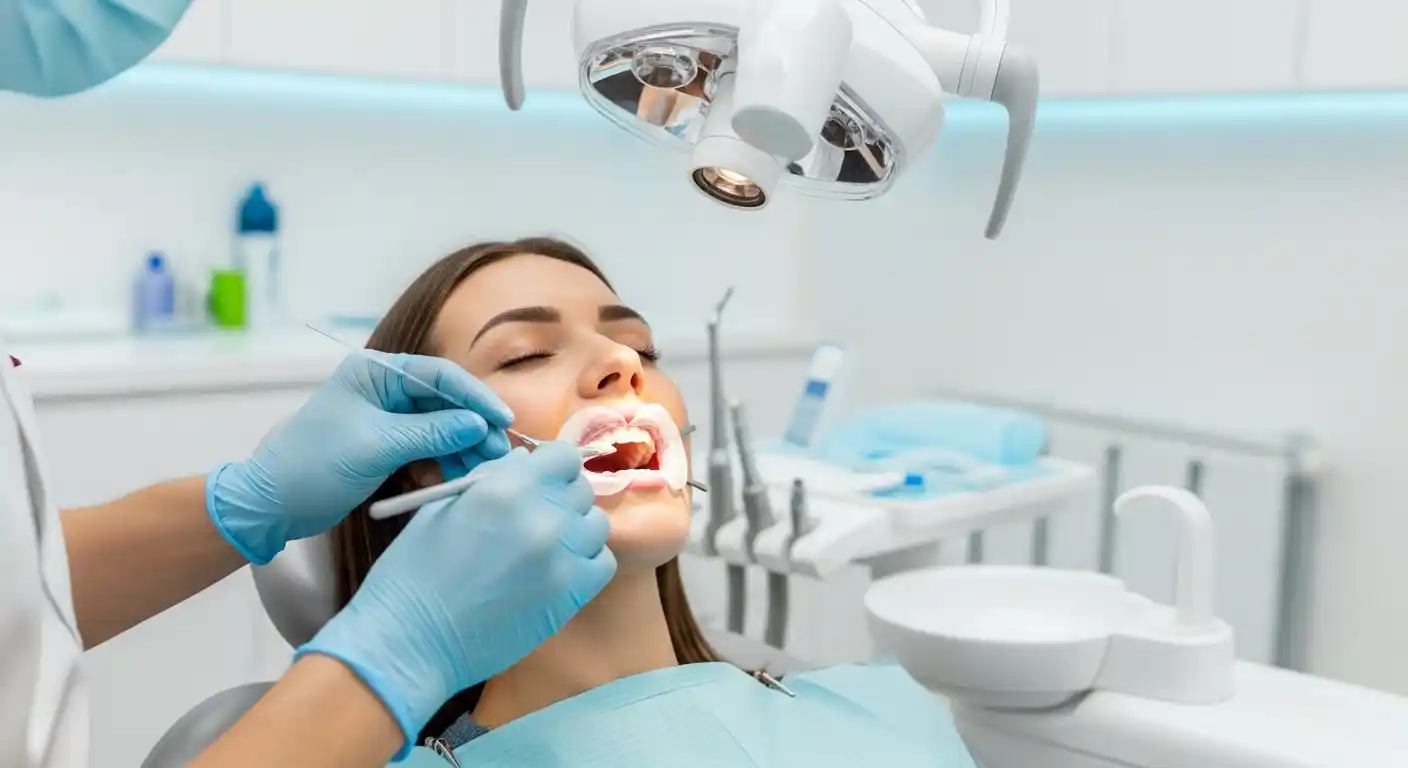
Most adults can start with a professional dental cleaning every six months. People with a history of gum disease may need cleanings every three to four months. But how often should you get a dental cleaning if your teeth feel healthy? The answer depends on your gums, how much tartar collects, and your dental history. A cleaning schedule should be based on what an exam shows, not just a date on the calendar.
At Vista Dorada Dental in Gilbert, AZ, our team checks these factors when planning preventive care. This article explains who may need more frequent visits, when longer gaps might be reasonable, what a cleaning involves, and how to plan for the cost.
How Do Dentists Decide When You Need Another Dental Cleaning?
A dental team recommends your next cleaning based on your risk of cavities and gum disease, the tartar found during your visit, and any treatment you’ve had before. Two people of the same age may leave with different plans because their mouths need different care.
The common twice-yearly schedule grew from the habit of booking regular dental checkups. It is a useful starting point, but it is not a proven deadline for when teeth need cleaning. A 2020 Cochrane review of dental checkup intervals found little to no difference in several oral health outcomes between fixed six-month checkups and checkups scheduled by risk in adults. That research looked at exams, not the ideal cleaning interval.
During a visit, gum measurements, bleeding, areas of tartar, and past dental records help guide the decision. The next appointment should have a clear reason, whether that is routine prevention or closer care for an existing problem.
Dental Cleaning vs. Checkup vs. Deep Cleaning
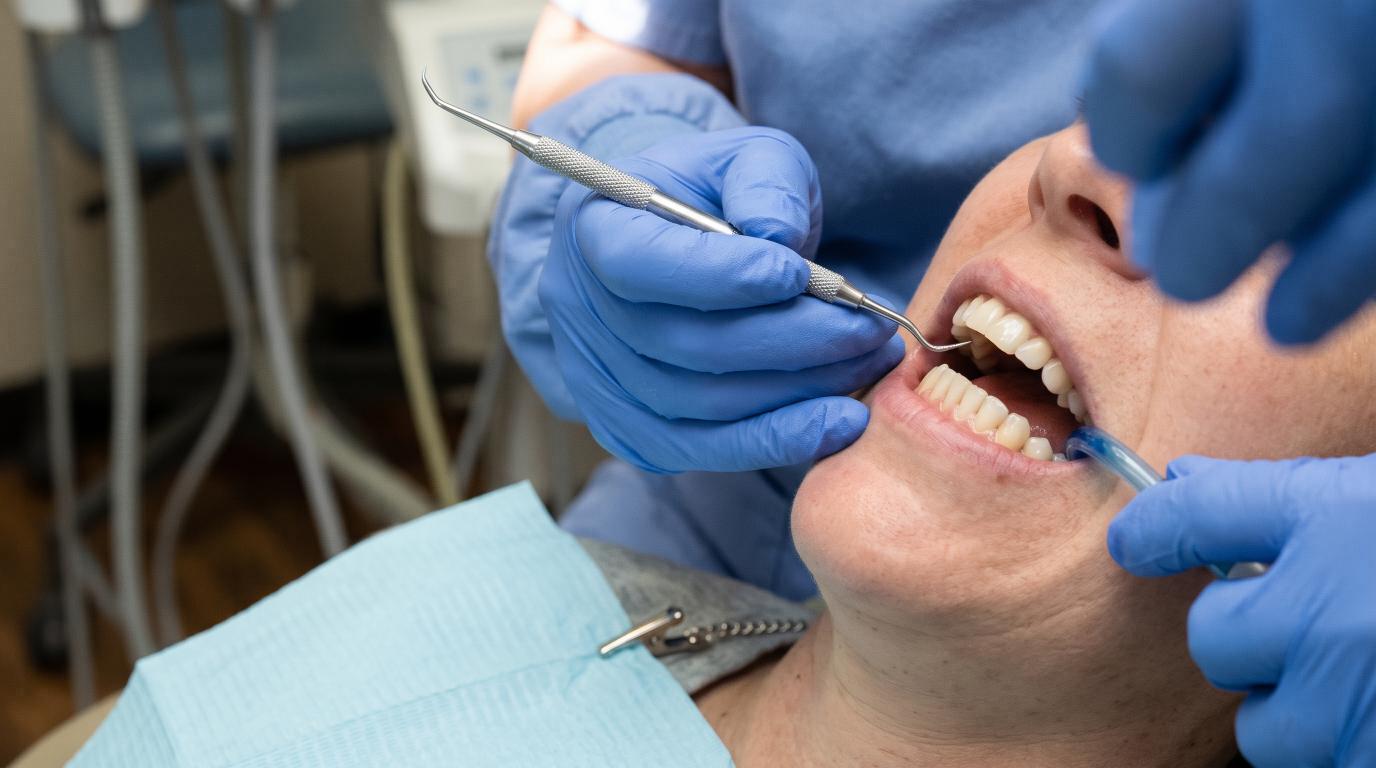
A routine cleaning removes buildup from teeth, a checkup looks for signs of disease, and a deep cleaning treats periodontitis below the gumline. Knowing which service you need matters because the treatment, appointment length, and price can differ.
|
Service |
Main Purpose | What Happens |
| Routine cleaning | Remove plaque, tartar, and some surface stains |
A hygienist scales and polishes tooth surfaces, mainly above and near the gums |
|
Dental checkup |
Find changes in teeth, gums, and other mouth tissues | A dentist examines your mouth and recommends X-rays when needed |
| Deep cleaning | Treat diagnosed periodontitis |
Scaling and root planing remove deposits from affected root surfaces below the gums |
|
Periodontal maintenance |
Help control gum disease after treatment |
The team checks gum pockets and cleans affected areas as needed |
A person with healthy gums usually does not need scaling and root planing. If an exam shows deeper gum pockets or bone loss, the team may recommend treatment before returning to ongoing maintenance. A deep cleaning is not simply a longer version of a regular appointment.
Why Professional Dental Cleanings Matter
Professional cleaning is needed because brushing and flossing cannot remove tartar once it has hardened onto teeth. Home care is still essential, but it has a different job: removing soft plaque before it becomes a hard deposit.
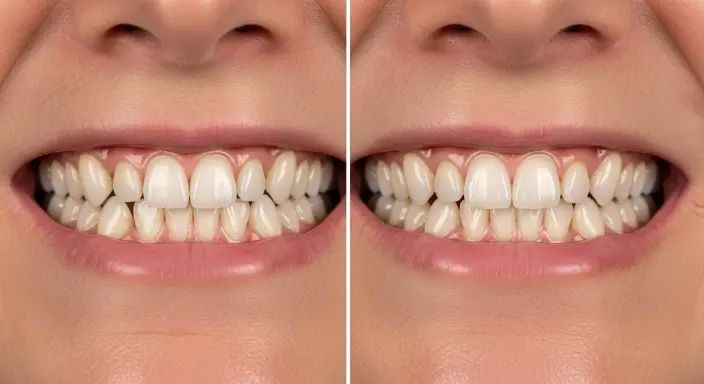
Tartar, also known as dental calculus, is hardened plaque that forms when minerals in saliva collect on tooth surfaces. It often builds up behind the lower front teeth and along the gumline. Unlike soft plaque, tartar cannot be removed through regular brushing or flossing and requires professional cleaning.
The visit also gives the team a chance to find places you have trouble reaching. For example, buildup beside a crowded tooth may point to a brushing angle that needs attention. Removing tartar helps you keep the area clean afterward, but it does not replace the daily work you do at home.
How Does Plaque Turn Into Gum Disease, and What Can Be Reversed?
Plaque can irritate gums when it stays along the gumline, but gum disease does not begin after one fixed number of days. How quickly it develops depends on plaque buildup, smoking, health conditions, and how your gums respond to bacteria.
The progression is easier to understand in three stages:
- Plaque buildup: A soft film of bacteria sticks to teeth. It can be removed with careful brushing and cleaning between teeth.
- Gingivitis: Gums may look red, feel swollen, or bleed during brushing. With better plaque control and professional care, this early inflammation is usually reversible.
- Periodontitis: Deeper inflammation damages the tissues and bone supporting teeth. Treatment can help control the disease, but bone loss does not simply disappear after a cleaning.
The CDC’s explanation of gum disease makes clear why early treatment matters. Bleeding gums do not always mean severe disease, but repeated bleeding deserves an exam. The sooner the cause is found, the more options you may have to protect the tissues around your teeth.
Dental Cleaning Frequency by Age
Age can change the problems a dental team watches for, but it does not set one cleaning schedule for everyone. Children may need help preventing early cavities, while older adults may need extra attention around exposed roots or dental work.
|
Age Group |
Main Concern | What May Affect Cleaning Visits |
| Toddlers and children | New teeth and early cavities |
Brushing habits, cavity history, and whether a full cleaning is appropriate |
|
Teens |
Braces and crowded teeth | Plaque around brackets, inflamed gums, or repeated decay |
| Adults | Gum health and past dental treatment |
Tartar deposits, new cavities, or a history of periodontitis |
|
Seniors |
Exposed roots and hard-to-clean areas |
Dry mouth, medications, dexterity, crowns, or dentures |
Toddlers and Children
A child’s first dental visit should take place after the first tooth appears and no later than the first birthday. That visit is often more about checking development and teaching parents than giving a full cleaning. The American Dental Association’s first-visit guidance notes that a gentle cleaning may be done when appropriate for the child’s age and teeth.
As more teeth appear, the team looks for plaque, early decay, and spots a child cannot brush well. A child with frequent cavities may need closer visits and preventive treatment, while another child may need only routine care and guidance for home.
Older Adults
Older adults do not automatically need extra cleanings, but some changes make dental care more difficult. Medicines may reduce saliva, exposed roots can be prone to decay, and arthritis may make it harder to hold a toothbrush. Crowns and bridges may also leave areas that need special cleaning tools.
The team can check these areas during an exam and help choose a routine that is practical at home. People who wear full dentures still need oral exams to look for sore spots, tissue changes, and problems with denture fit.
What Signs Mean You May Need Cleanings More Often?
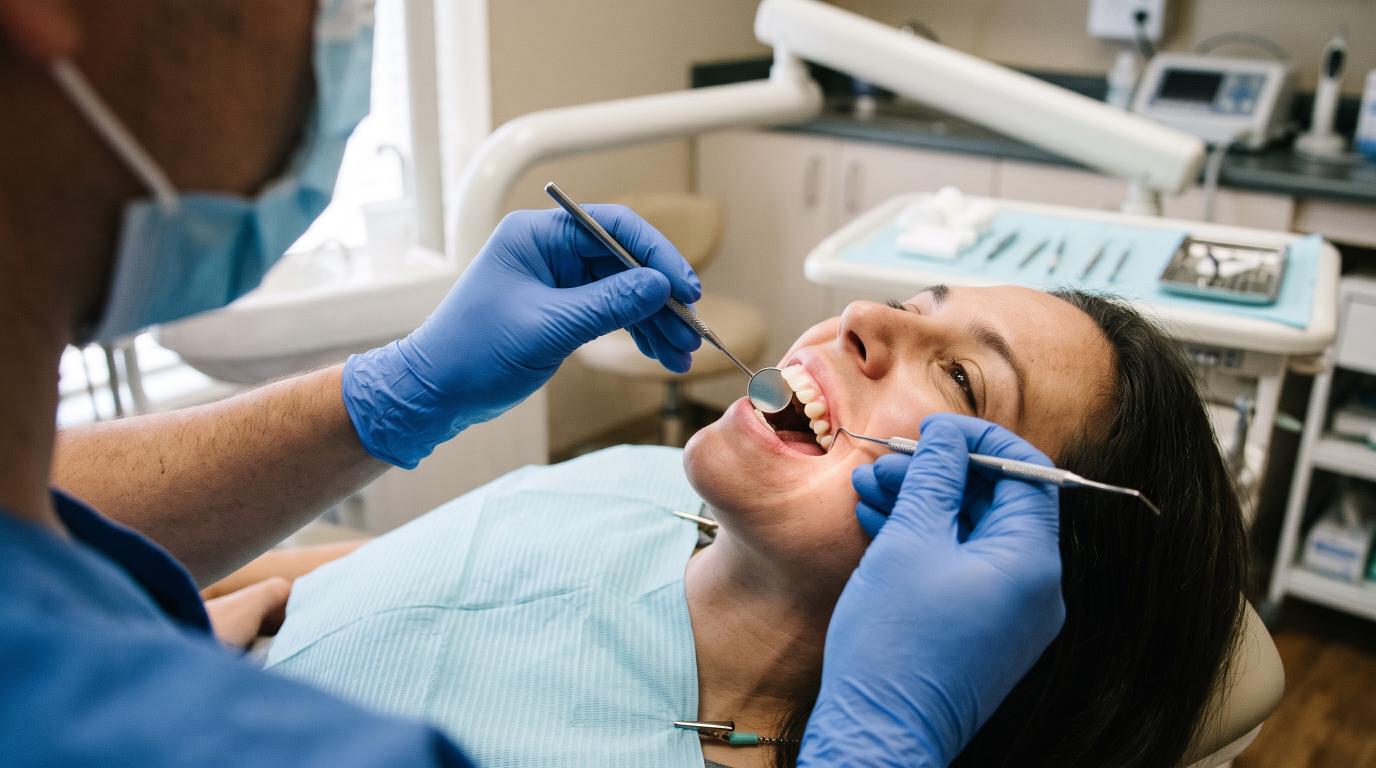
Frequent gum bleeding, previous periodontal treatment, and heavy tartar buildup are reasons to review your cleaning schedule. Other health or dental conditions can also make certain areas harder to keep clean. Each factor matters for a different reason.
Gum Disease and Bleeding Gums
Gums that bleed often, look swollen, or seem to pull away from teeth need an examination. These signs can be caused by inflammation, but an exam is needed to find out how much of the supporting tissue is affected.
After treatment for periodontitis, some patients need periodontal maintenance every three or four months. These appointments involve checking gum pockets and cleaning areas where disease may return. The American Dental Association’s periodontitis guidance explains why ongoing maintenance is important after treatment.
Smoking and Tobacco Use
Smoking increases the risk of periodontitis and makes healing more difficult. It can also reduce visible gum bleeding, which means a problem may be present even if brushing does not cause much blood.
During an exam, a dentist can look for gum recession, changes in pocket depth, and loose teeth. Tobacco use is one reason the team may monitor gum health more closely and discuss steps to reduce the risk of further damage.
Diabetes and Other Health Conditions
Diabetes can make gum inflammation harder to control, especially when blood sugar is frequently high. Some medicines and medical conditions also affect the body’s ability to heal or reduce the saliva that helps protect teeth.
The cleaning plan will depend on the condition of your gums and teeth. For example, a person with diabetes and healthy gum measurements may have different needs from someone with diabetes who has already received treatment for periodontitis.
Pregnancy
Pregnancy hormones can make gums more sensitive to plaque, leading to swelling or bleeding. This is often called pregnancy gingivitis. If your gums change during pregnancy, a dental exam can show whether a routine cleaning or additional treatment is needed.
There is no need to delay necessary dental care solely because you are pregnant. The American Dental Association’s guidance on pregnancy supports preventive dental treatment during pregnancy. Let the office know about your pregnancy and any symptoms when arranging your visit.
Braces, Implants, and Dentures
Braces create small spaces around wires and brackets where plaque can collect. Implants need careful cleaning around the gum tissue, since inflammation near an implant may lead to problems if it is left untreated. Bridges and partial dentures can also hide areas that a toothbrush does not reach easily.
These dental appliances do not all require the same schedule. The team will check whether the surrounding tissues are healthy and show you suitable cleaning tools for the spaces around your dental work.
Fast Tartar Buildup and Dry Mouth
Some people notice rough tartar deposits returning soon after a cleaning. Others have a dry mouth because of medication, mouth breathing, or a health condition. Low saliva can raise cavity risk because saliva helps wash away food and protect enamel.
Tell the dental team if your mouth feels sticky, you need water to swallow food, or buildup comes back quickly. These details help explain why a standard schedule may not work as well for you.
Can You Get Dental Cleaning Once a Year Instead?
An annual cleaning may be reasonable for some adults with healthy gums, little tartar, and a low risk of cavities. It is a decision to make after a dental exam, not a change to make just because your teeth look white or feel smooth. The dentist can compare your gum measurements, X-rays when indicated, and cavity history over time.
For example, a person who rarely develops deposits and has had stable gums for years may be able to space out cleanings. Someone with new bleeding or repeated decay may need a different plan even if they have no pain. Checkups and cleanings do not always have to happen on the same schedule. If your oral health changes between planned visits, contact the office rather than waiting for the next date.
What Happens During a Routine Dental Cleaning?
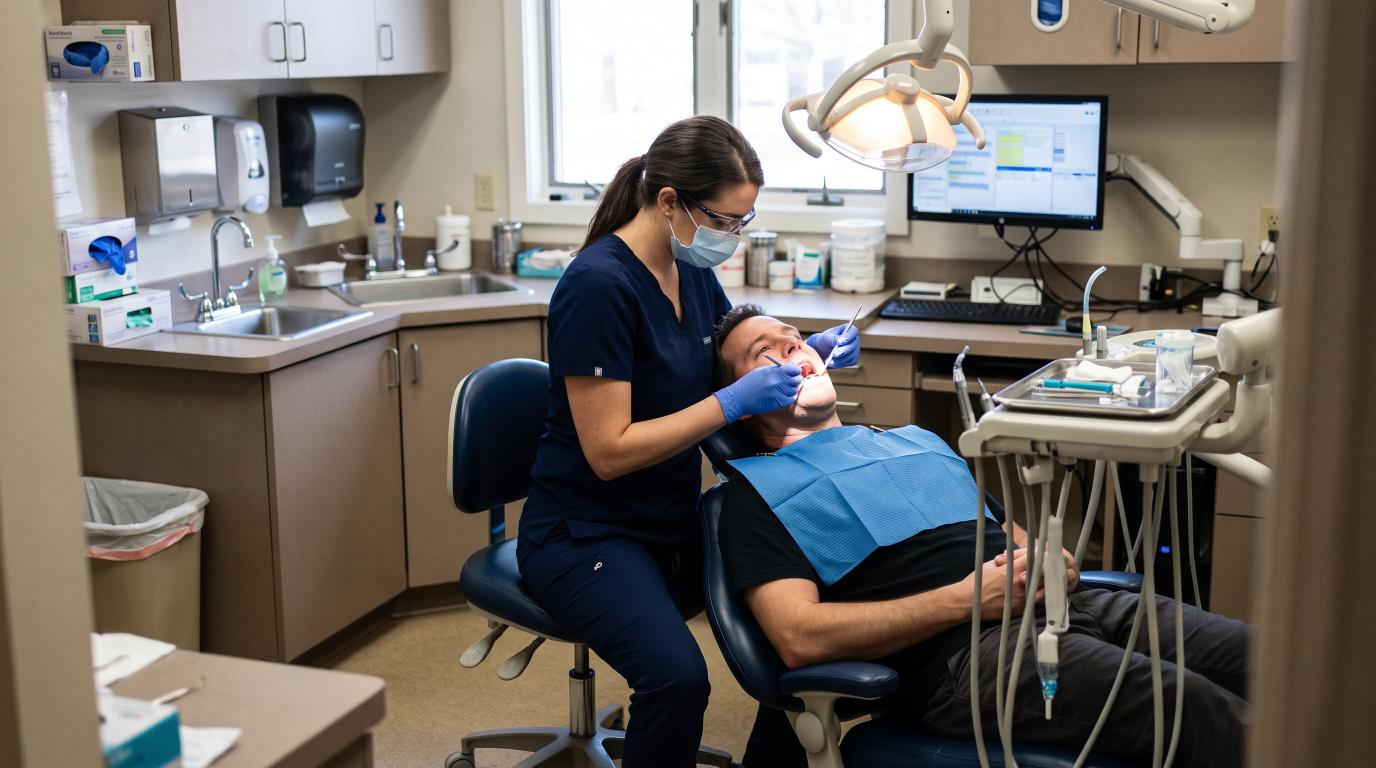
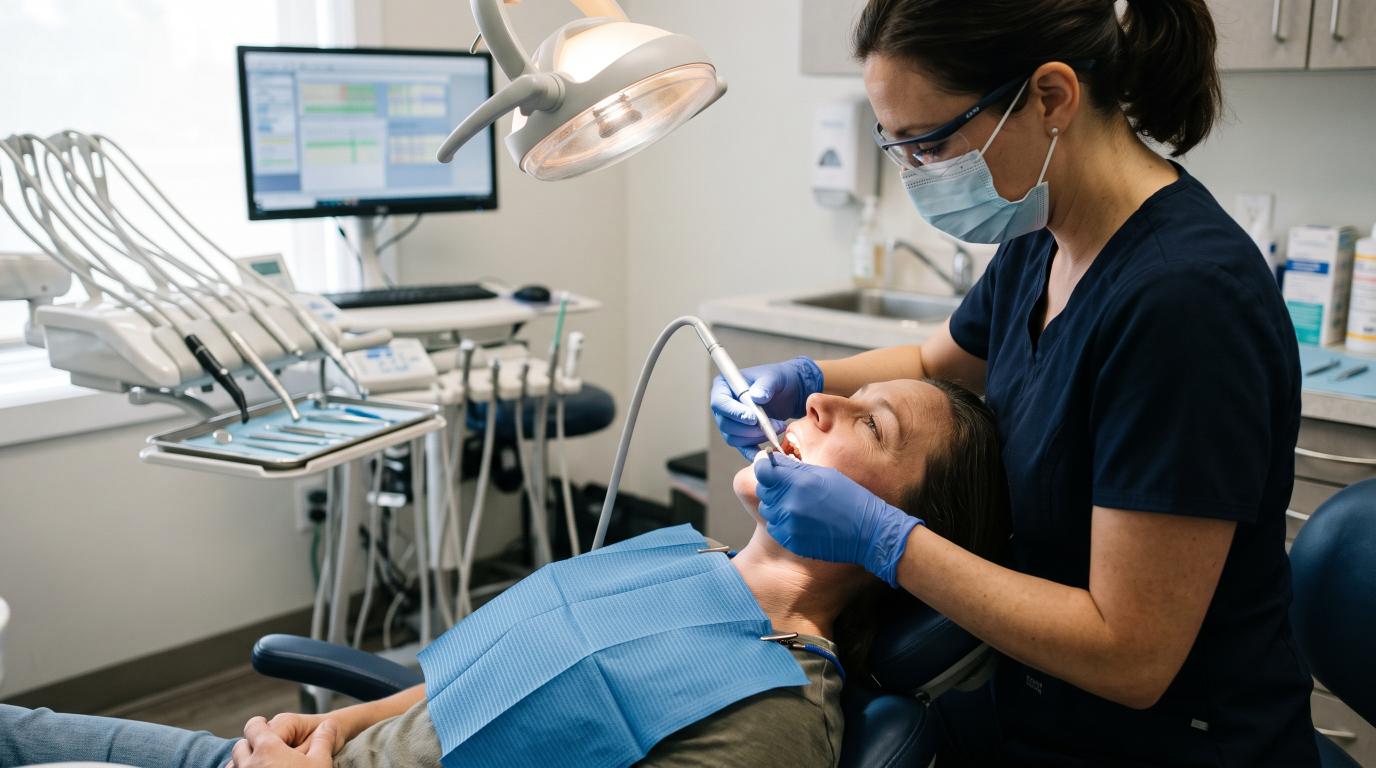
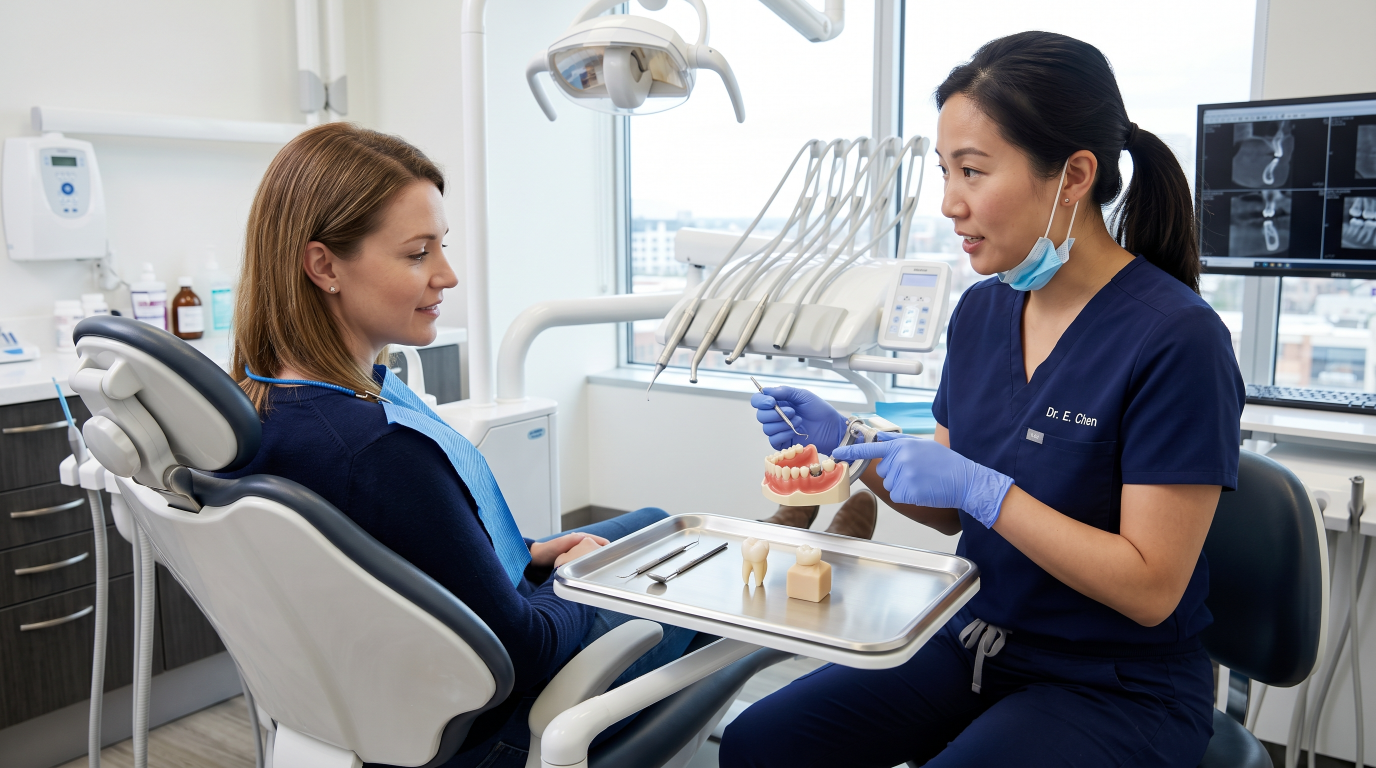
A routine cleaning usually involves checking your mouth, removing plaque and tartar, and polishing the teeth when appropriate. The exact order depends on whether you are a new patient, what the hygienist finds, and whether a dentist is completing an exam during the same visit.
- Review your health history. The team checks for new symptoms, medicines, or changes that could affect treatment.
- Examine the gums. A hygienist looks for swelling and may measure the spaces between teeth and gums with a small probe.
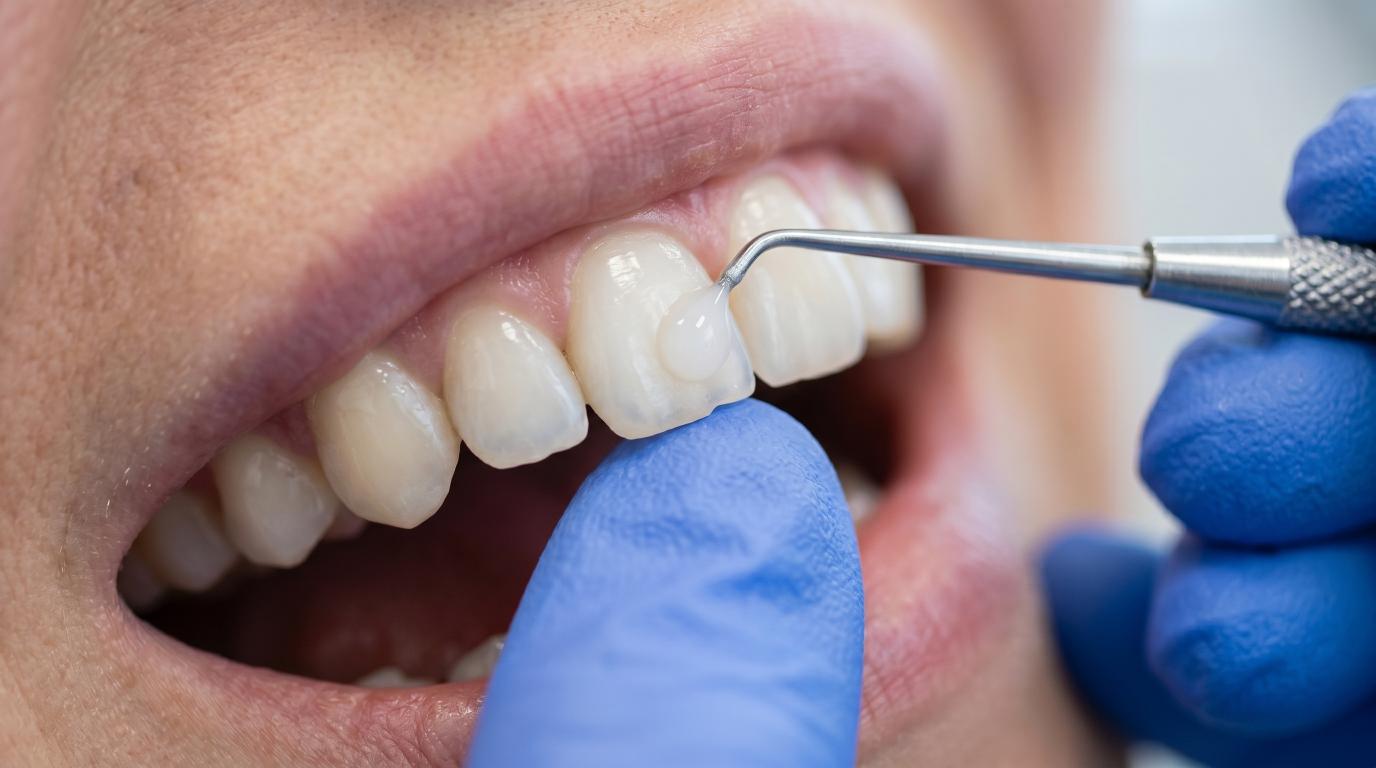
- Remove deposits. Hand instruments or an ultrasonic scaler loosen and remove tartar, including around difficult tooth surfaces.
- Polish the teeth. Polishing may remove surface stains and leave the teeth feeling smooth. It does not change their natural shade.
- Review home care. The hygienist can demonstrate how to reach a spot that keeps collecting plaque.
- Complete the dental exam. A dentist checks for cavities and other concerns if an exam is scheduled that day.
Some patients also benefit from a fluoride treatment. If the exam finds active gum disease, the team should explain why a different treatment may be needed before starting it.
How Long Does a Dental Cleaning Take?
A straightforward cleaning often takes about 30 to 60 minutes, although an appointment with a full exam or X-rays can be longer. Heavy tartar, sensitive gums, and a first visit to a new practice can also add time.
A very short cleaning is not always poor care. If there is little buildup, less scaling may be needed. What matters is whether the relevant surfaces were checked and the deposits that were present were removed. A patient with crowded teeth or heavy tartar may reasonably need more attention than someone with very little buildup.
If you still feel rough deposits afterward or a problem area seems to have been missed, tell the team. They can explain what was done and whether a follow-up is needed.
What Happens If You Skip Cleanings or Have Not Been in Years?
Skipping cleanings allows tartar to remain and can delay finding gum disease or cavities that have not caused pain yet. Missing one appointment does not mean damage will happen right away, but a long gap makes it harder to know what has changed.
When you return, the visit usually begins with a health history, an examination, gum measurements, and X-rays when needed. The team checks for signs of decay, bleeding, deep pockets, and other problems before deciding what treatment to recommend. You might be able to have a routine cleaning at that appointment, or you may need gum treatment over more than one visit.
If cost or nervousness has kept you away, mention it before treatment starts. A clear explanation of the findings and the proposed plan can help you decide what to do next. The important thing is to have your mouth assessed now rather than guess how much care you need.
How Much Does a Dental Cleaning Cost With and Without Insurance?
The cost of a dental cleaning depends on the type of cleaning you need, your oral health, and whether you have dental insurance. Routine cleanings generally cost less than deep cleanings because they involve different levels of treatment. Additional services, such as dental exams or X-rays, may also affect the total amount.
Patients without insurance usually pay the full office fee, while those with insurance may have some or all of their routine cleaning costs covered. However, coverage varies by plan, and services such as deep cleaning or periodontal maintenance may involve additional out-of-pocket expenses.
Here is how costs and coverage generally differ:
|
Service |
Without Dental Insurance |
With Dental Insurance |
|
Routine cleaning |
Patients pay the office’s standard cleaning fee. | May be fully or partially covered under preventive benefits. |
| Dental exam and X-rays | May involve additional charges depending on the services needed. |
Coverage depends on the plan’s diagnostic benefits and limits. |
|
Deep cleaning |
Generally costs more than a routine cleaning, depending on the extent of treatment. | May involve deductibles, copays, or coinsurance. |
| Periodontal maintenance | Fees depend on the care needed to manage gum health. |
Coverage varies, and some plans have separate limits for these visits. |
Before scheduling your appointment at Vista Dorada Dental, contact our Gilbert office to confirm current fees and discuss available payment options. Our team can help you understand the recommended services and review your insurance benefits so you have a clearer idea of your expected costs.
Does Dental Insurance Pay for Two Cleanings Each Year?
Many U.S. dental insurance plans include two routine cleanings per benefit year, but the number covered and what you pay depend on your policy. Some plans require a minimum gap between covered visits; others use calendar-year limits or have separate rules for periodontal care.
Check whether the office is in network and whether an exam or X-rays count toward different limits. A plan that covers routine cleanings may not pay for deep cleaning in the same way. If the dental team recommends an extra visit, the office can help explain what your plan is likely to cover, but the insurer makes the final benefit decision.
Vista Dorada Dental also offers an in-office dental discount plan for patients without insurance. This is a discount program, not dental insurance, and its current fees and conditions should be confirmed with the office.
Does a Dental Cleaning Hurt, and What If You Feel Nervous?
Most routine dental cleanings involve pressure, vibration, or brief sensitivity rather than strong pain. Discomfort is more likely when gums are inflamed, roots are exposed, or there are heavy deposits in sensitive areas.
Tell the hygienist about tender spots before treatment begins. They may be able to change instruments, use a gentler technique, or take breaks. If deeper periodontal treatment is needed, local anesthesia may be used to numb the area. A routine cleaning generally does not need numbing, but the team should explain the options for your situation.
People who have avoided appointments because of anxiety often find it helpful to agree on a hand signal for a pause. You can also ask the team to explain each step before it happens. That gives you more control during the visit without leaving needed care unfinished.
How Can You Reduce Buildup Between Professional Cleanings?
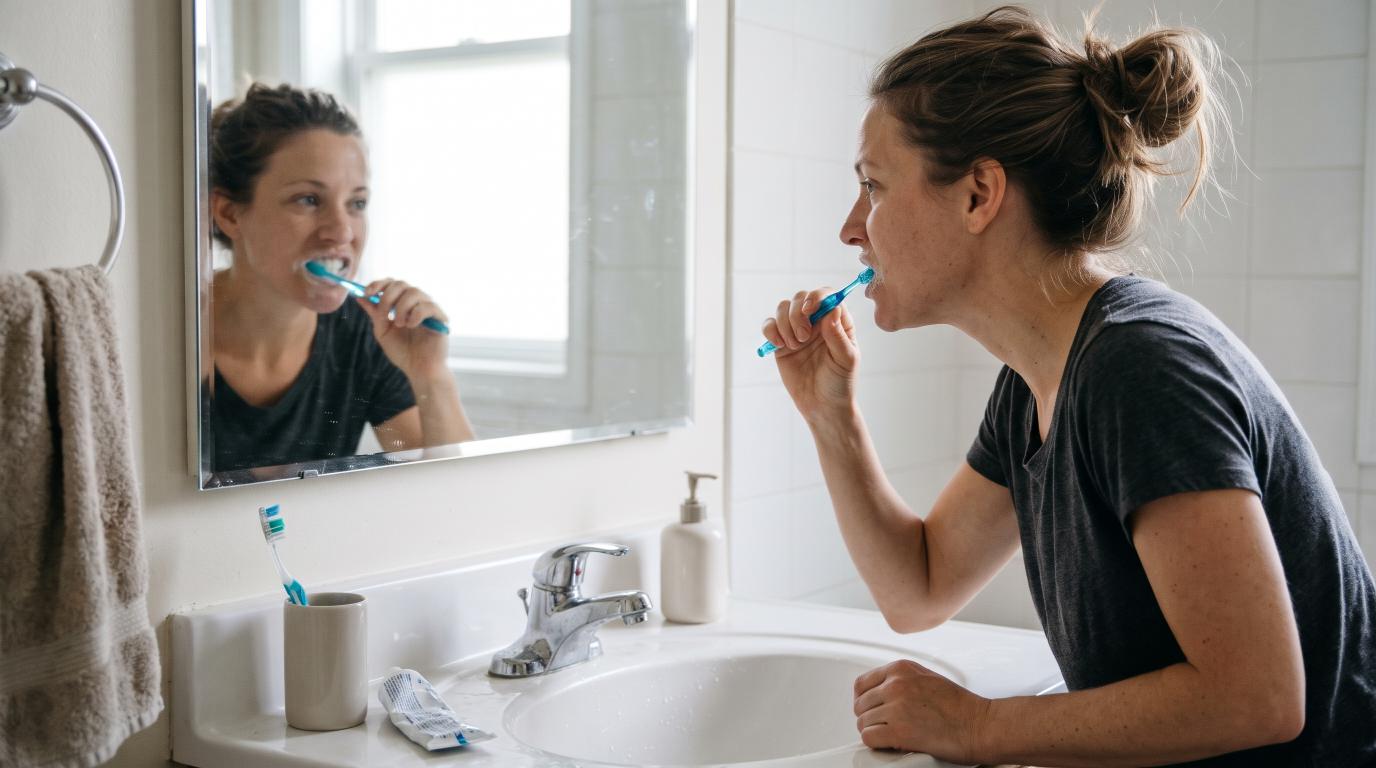
Brushing twice a day with fluoride toothpaste and cleaning between your teeth daily are the main ways to control soft plaque at home. These habits make professional cleanings easier, but they cannot remove tartar that has already hardened.
Use a soft toothbrush and clean gently along the gumline. For spaces between teeth, floss, an interdental brush, or another suitable tool may help. A 2019 Cochrane review of interdental cleaning devices found that some devices may reduce gum inflammation when added to brushing, although much of the evidence was uncertain. A hygienist can help you choose a tool that fits your teeth without hurting your gums.
Can Dental Cleanings Loosen Teeth or Create Gaps?
A properly performed cleaning does not make healthy teeth loose or create new spaces between them. These concerns sometimes arise when a large amount of tartar is removed from teeth affected by gum disease.
For example, tartar may fill a space between teeth and make it look smaller. Once that deposit is removed, the original space becomes visible. A tooth that has lost bone support from periodontitis may also feel more mobile after heavy buildup is cleaned away. The underlying disease caused the loss of support, not the cleaning. Loose teeth or widening gaps should still be examined. They can signal gum disease or other problems that need care beyond a routine cleaning.
Conclusion
The right time for your next cleaning comes from the condition of your teeth and gums, not a rule that applies to every patient. Healthy gums, a low cavity risk, and little tartar may allow a longer gap. Past periodontal treatment or changes in your oral health may call for closer care. A dental exam helps put those details together into a plan you can follow.
You can make that plan more useful by paying attention to changes between visits. Bleeding gums, new sensitivity, or rough deposits that return quickly are worth mentioning. If it has been years since your last appointment, you can still restart with an exam and find out what your mouth needs today. Regular care works best when it fits your actual needs.
Book Your Dental Cleaning at Vista Dorada Dental in Gilbert, AZ
Whether you’re due for a routine cleaning or haven’t visited a dentist in years, Vista Dorada Dental can help you take the next step. Our team in Gilbert, AZ, will examine your teeth and gums, address your concerns, and recommend care based on your oral health needs.
If you’ve noticed bleeding gums, tooth sensitivity, or tartar buildup, scheduling an appointment is a good place to start. Our team can also help you review your insurance benefits and understand your treatment options before moving forward. Ready to schedule your dental cleaning? Call us at (480) 963-9900 or request an appointment online.
Frequently Asked Questions
Should I Brush and Floss Before a Dental Cleaning?
Yes. Brush and clean between your teeth as you normally would before your appointment. You do not need to brush harder than usual or try to remove tartar yourself. Regular cleaning is enough.
Can I Eat Right After a Routine Dental Cleaning?
Usually, yes. You can normally eat and drink after a standard cleaning. If you receive fluoride varnish or numbing medicine, follow the instructions from your dental team. Wait until numbness wears off before chewing so you do not bite your cheek or tongue.
Can a Dental Cleaning Help With Bad Breath?
It can if plaque, tartar, or gum inflammation is causing the odor. Removing those deposits may improve your breath. If bad breath continues, the dentist can check for other causes, such as dry mouth, cavities, or gum disease.
Can I Have a Dental Cleaning if I Have a Cavity?
Often, yes. A cavity does not always stop you from having a routine cleaning. The dentist will check the tooth and explain when it needs treatment. If you have severe tooth pain or swelling, contact the office promptly because you may need an exam before a cleaning.
Can I Get My Teeth Cleaned While Taking Blood Thinners?
In many cases, yes. Most patients do not need to stop prescribed blood thinners for routine dental care. Tell the dental team which medicine you take, since your gums may bleed more easily. Never stop or change a prescribed dose without guidance from the clinician managing it.
Can I Return to Work or School After a Dental Cleaning?
Yes. Most people can return to their normal routine right after a standard cleaning. If you have a different procedure, receive sedation, or need numbing medicine, follow the specific instructions the dental team gives you.