


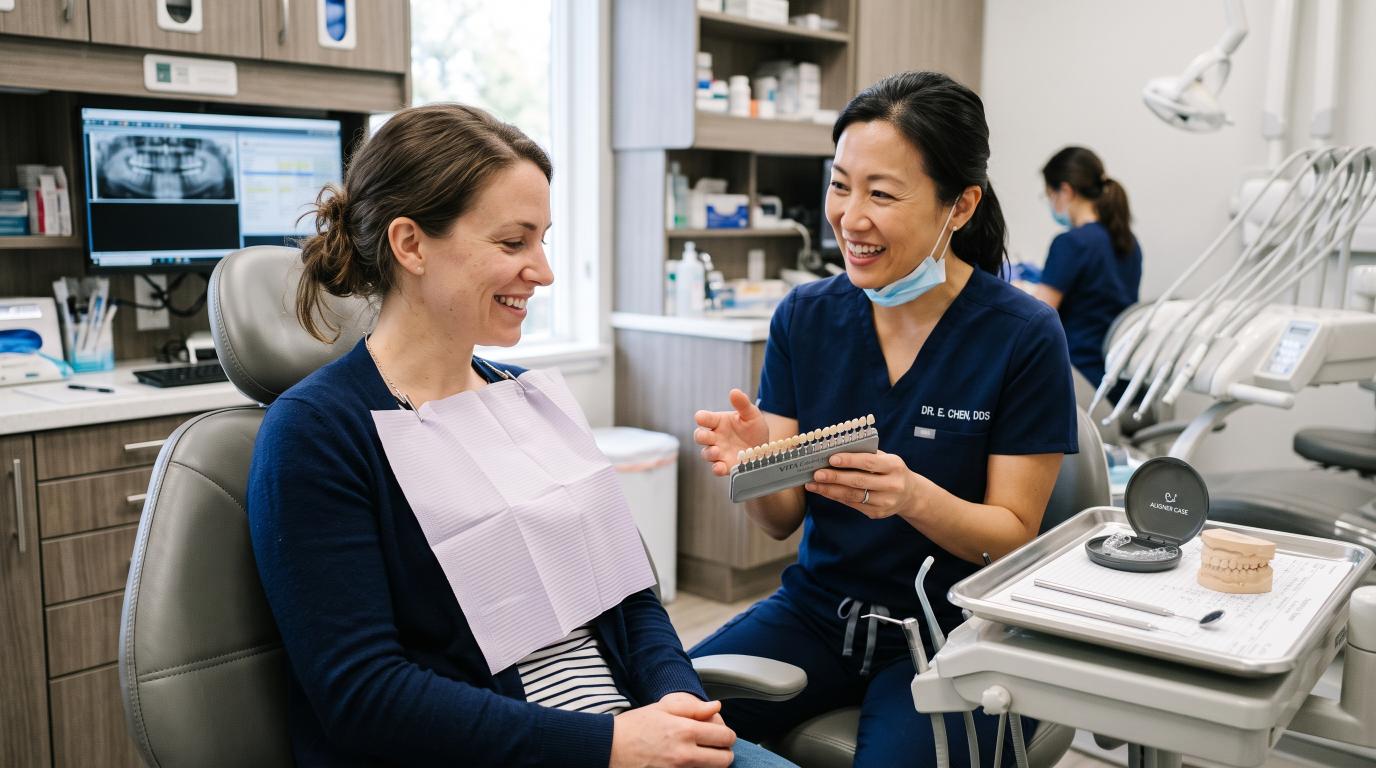






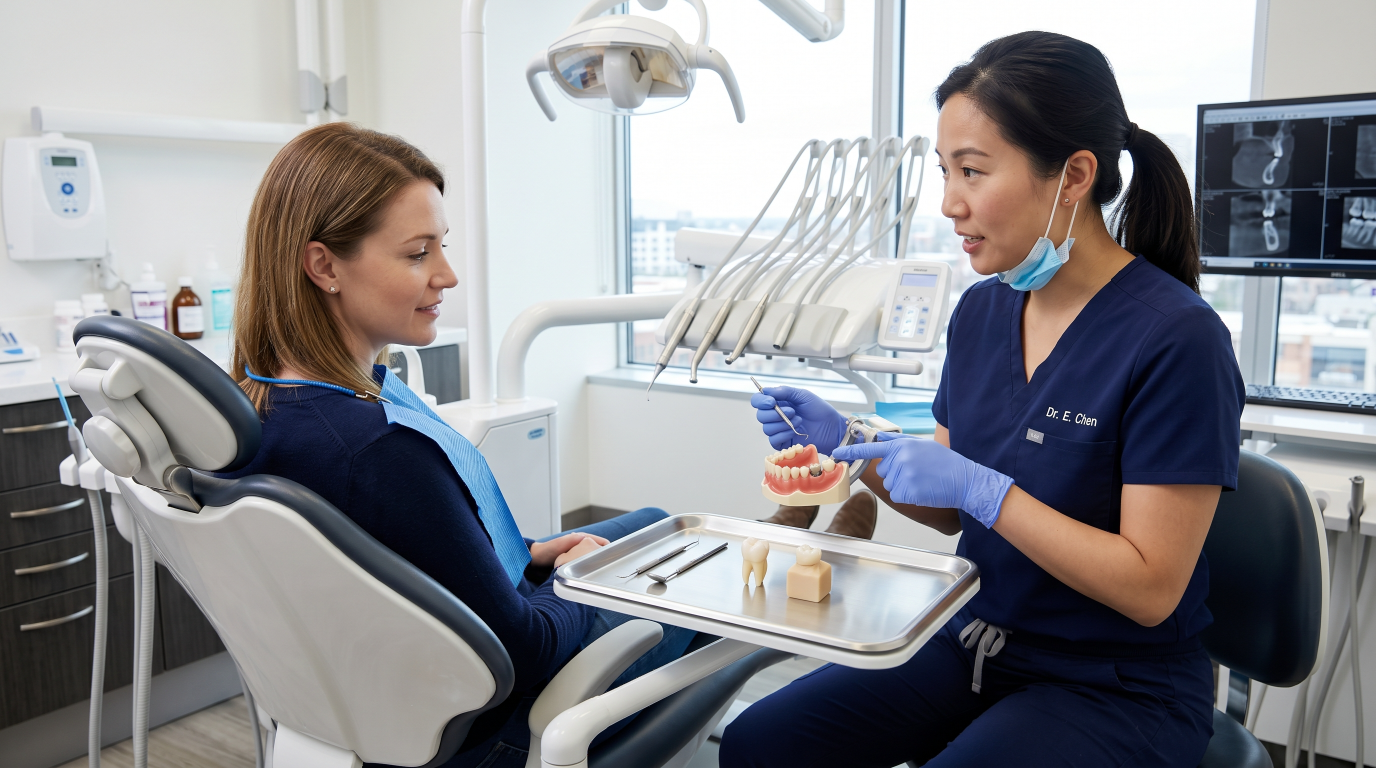


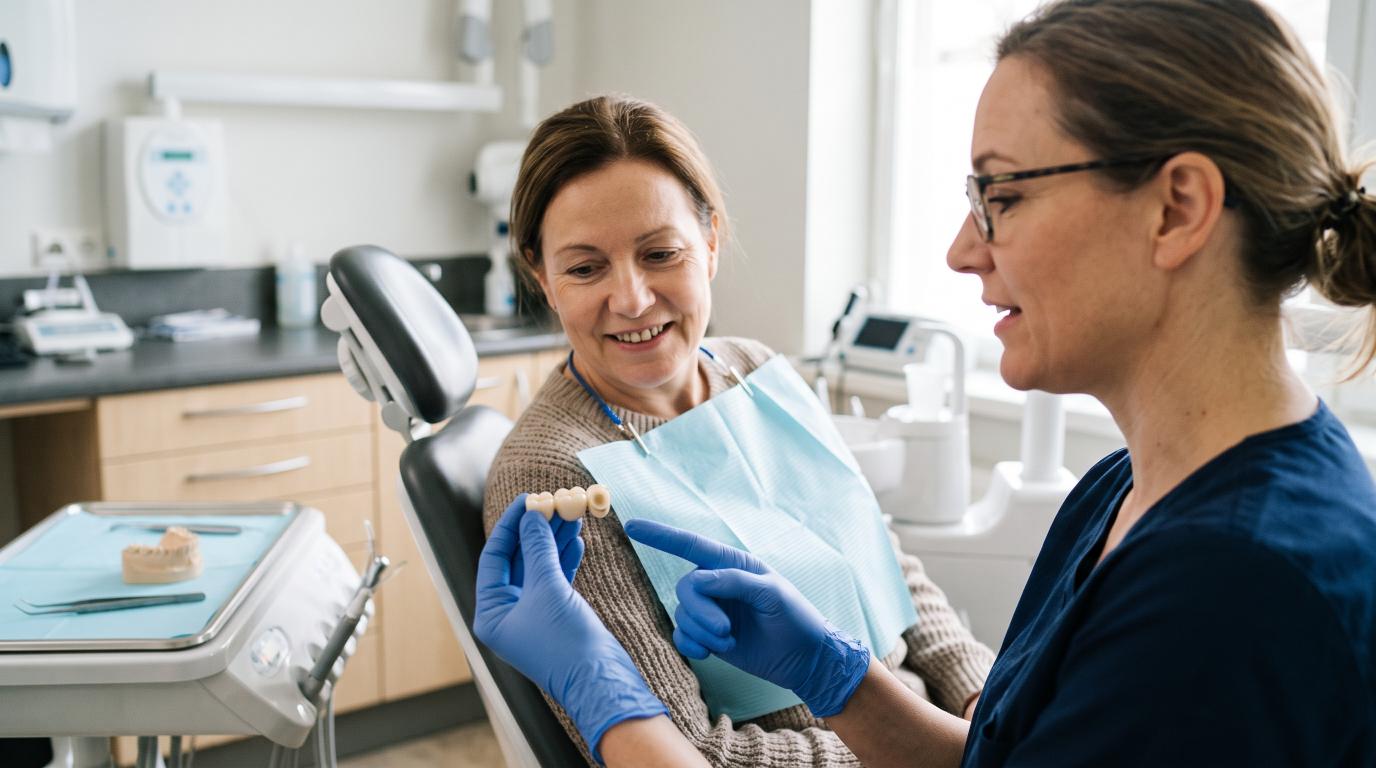

Dental implant surgery is generally performed with local anesthesia to minimize pain during the procedure. Patients may feel pressure or movement while the implant is placed, but the treatment area should be numb. After surgery, some soreness, swelling, or tenderness is common as the gums and surrounding tissues begin healing.
At Vista Dorada Dental in Gilbert, AZ, our team helps patients understand what to expect before, during, and after dental implant treatment. This guide explains how painful dental implants may be, how long discomfort typically lasts, and what can help make recovery more comfortable.
What Is a Dental Implant and How Does It Work?
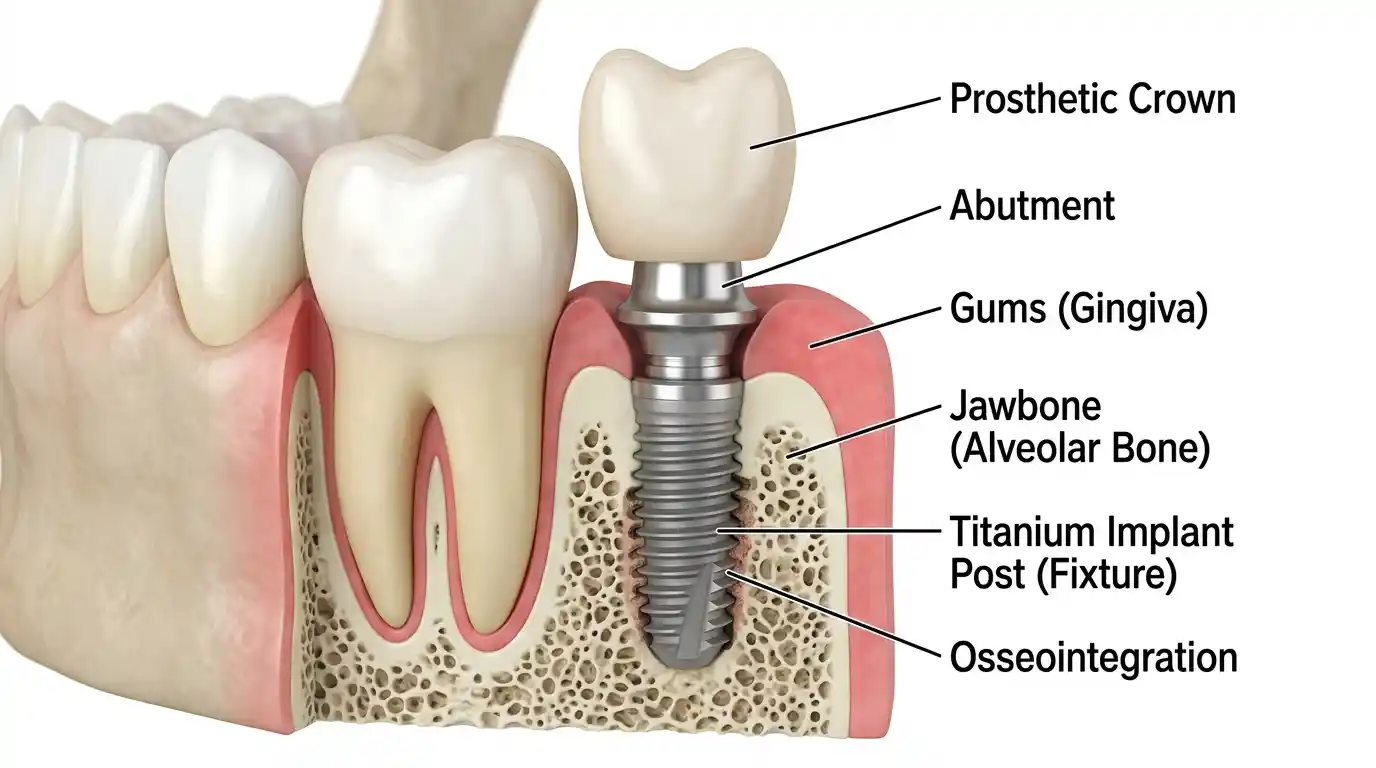
A dental implant is an artificial tooth root, commonly made from titanium, that is surgically placed into the jawbone to support a replacement tooth. It provides a stable foundation for a dental crown, bridge, or certain types of dentures.
After placement, the surrounding bone gradually integrates with the implant through a process called osseointegration. This healing process generally takes several months, although the timeline varies.
Once the implant is ready, a dental restoration can be attached to help restore chewing function and appearance. Treatment may involve multiple appointments, depending on the patient’s oral health and whether additional procedures are needed.
Does the Dental Implant Procedure Itself Hurt?
Dental implant placement is generally comfortable when local anesthesia effectively numbs the treatment area. Patients are usually awake during the procedure and may notice pressure, vibrations, or movement, but sharp pain should not be expected.
Before starting, the dentist checks that the area is adequately numb. The experience can vary depending on the complexity of the procedure, the condition of the surrounding tissues, and individual sensitivity. If discomfort becomes painful during surgery, inform the dental team immediately. The dentist can assess whether additional anesthesia or another adjustment is necessary before continuing.
Will You Be Awake During Dental Implant Surgery?
Yes, most dental implant procedures can be performed while the patient is awake using local anesthesia. The anesthetic numbs the treatment area to reduce pain, although patients may still feel pressure or movement during the procedure. For patients who experience significant dental anxiety, sedation may be considered alongside local anesthesia.
Sedation helps patients relax, while local anesthesia provides pain control at the surgical site. The type of sedation, if needed, depends on the patient’s health and the complexity of the treatment. Before surgery, the dental team can explain the available anesthesia options and help determine the most appropriate approach.
What to Expect After Dental Implant Surgery: Pain, Swelling, and Recovery
After dental implant surgery, it is normal to experience some soreness, swelling, and tenderness around the treatment area. Discomfort usually becomes noticeable as the local anesthesia wears off and often improves gradually over the following several days.
The amount of discomfort varies depending on the number of implants placed, whether bone grafting was needed, and individual healing factors. Mild bleeding or bruising may also occur. Following the dental team’s aftercare instructions can help support recovery and reduce avoidable complications.
What Does the Discomfort Feel Like?
Discomfort after dental implant surgery often feels like an aching or tender sensation around the gums and jaw. Its intensity varies depending on the procedure and individual healing response.
Common symptoms include:
- Aching or tenderness near the implant site
- Swelling around the gums or jaw
- Mild bruising of the surrounding tissues
- Temporary discomfort when opening the mouth or chewing
These symptoms commonly improve over several days. Pain that becomes increasingly severe or fails to improve should be evaluated by the dental team.
How Long Does Recovery Take?
Initial recovery after dental implant surgery often takes several days to about two weeks, although complete integration of the implant with the jawbone takes several months. The healing timeline depends on the procedure and the patient’s health.
- First few days: Soreness, swelling, and tenderness may be most noticeable.
- Within 1–2 weeks: The gum tissue generally shows substantial healing, although some patients need additional recovery time.
- Over the following months: The implant gradually integrates with the surrounding jawbone through osseointegration.
Bone healing does not usually cause continuous pain, but persistent or worsening discomfort at any stage should be assessed by a dentist. Follow-up appointments help confirm that the implant is healing appropriately.
What About the Healing Cap Placement?
Healing cap placement is generally a minor part of dental implant treatment and may cause temporary tenderness or discomfort. A healing cap, also called a healing abutment, helps shape the gum tissue around the implant before the final restoration is placed.
In some cases, the healing cap is attached during the initial surgery. Other patients may need a separate procedure after the implant has integrated with the jawbone.
When a second procedure is required, local anesthesia may be used to keep the area comfortable. Recovery and discomfort vary depending on the surgical approach and the condition of the surrounding tissues.
Factors That Can Influence Your Pain and Recovery
Not everyone experiences the same level of discomfort. Several factors can affect how your body responds after an implant procedure.
Additional Procedures Like Bone Grafting
If your jawbone is thin or has lost density, a bone graft may be needed before the implant can be placed. This adds a step to the process and can slightly extend recovery time. Your dentist will let you know during the consultation whether this applies to your case.
Number of Implants and Overall Health
A single implant is typically straightforward with minimal post-procedure soreness. Multiple implants placed in the same session may lead to more noticeable discomfort during recovery. Your overall health also plays a significant role. People in good general health tend to heal faster, while habits like smoking or conditions like uncontrolled diabetes can slow the process and increase the risk of complications.
How Dentists Make the Experience as Comfortable as Possible
Dentists use local anesthesia, careful treatment planning, and patient communication to help minimize discomfort during dental implant surgery. Before placement, the dental team evaluates the treatment area and confirms that the anesthetic is working effectively.
Patients can discuss concerns about pain, previous dental experiences, or anxiety before the procedure. The dentist can also explain what sensations to expect and establish a way for patients to communicate discomfort during treatment.
If a patient feels pain during the procedure, the dental team can pause and evaluate whether additional pain control is necessary. Understanding the process and knowing what to expect can help patients feel more prepared.
How to Manage Discomfort After Your Implant
Discomfort after dental implant surgery can often be managed with recommended pain relief, cold compresses, and proper aftercare. Following the dental team’s instructions helps protect the surgical site while the surrounding tissues heal.
Recovery after a dental implant is usually smooth, and a few simple steps can help you feel more comfortable:
- Follow your dentist’s instructions: Take any prescribed or recommended medications on schedule
- Keep the area clean: It reduces the risk of infection and support healing
- Eat soft foods: Stick to soft foods like yogurt, soup, and mashed potatoes for the first week.
- Apply a cold compress: Use it during the first 24 hours to help reduce swelling
- Avoid smoking and alcohol: Both can slow healing and increase the risk of complications
Warning Signs to Watch For After Surgery
Increasing pain, worsening swelling, fever, or unusual discharge after dental implant surgery may indicate a complication that needs attention. While mild soreness and swelling are common during early recovery, symptoms should generally begin improving over time.
Contact the dental team if pain becomes more severe after initially improving, swelling continues to increase, or the surgical area develops an unpleasant discharge or persistent bad taste. Bleeding that does not stop with the recommended pressure also requires prompt evaluation.
Severe swelling that affects breathing or swallowing requires emergency medical care. Reporting unusual symptoms early allows the dental team to assess healing and recommend appropriate treatment.

Ready for a Pain-Free Smile? Visit Our Dental Implant Clinic in Gilbert, AZ
If concerns about pain or recovery are making you hesitant about dental implants, understanding the procedure can help you make an informed decision. The experience varies from patient to patient, and the right treatment plan depends on your oral health and individual needs.
At Vista Dorada Dental in Gilbert, AZ, our team can explain the implant process, discuss pain management, and help you understand what recovery may involve. Whether you are visiting from Gilbert, Chandler, Mesa, or the surrounding East Valley, we are here to help.
Schedule a consultation to discuss whether dental implants are appropriate for your smile.
Conclusion
Dental implant surgery is usually performed with local anesthesia to minimize discomfort during placement. Although some soreness, swelling, and tenderness may occur afterward, these symptoms often improve over the following days as the surgical area heals.
Recovery varies depending on the number of implants, additional procedures, and individual health factors. Following aftercare instructions and attending recommended follow-up appointments can support proper healing. A dental consultation can help patients understand the procedure, discuss concerns about pain, and decide whether implants are an appropriate tooth replacement option.
Frequently Asked Questions
Does the Dental Implant Procedure Hurt During Surgery?
Dental implant surgery is generally comfortable because local anesthesia is used to numb the treatment area. Patients may feel pressure or vibrations during implant placement, but sharp pain should not be expected. The dentist checks that the area is adequately numb before beginning the procedure.
What If You Feel Pain During Dental Implant Surgery?
If you experience pain during dental implant surgery, inform the dental team immediately. Although local anesthesia is intended to prevent pain, its effectiveness can vary. The dentist can pause the procedure, evaluate the discomfort, and provide additional anesthesia or make other adjustments before continuing.
How Much Discomfort Should I Expect After Surgery?
Mild to moderate soreness, swelling, and tenderness are common after dental implant surgery. Discomfort is often most noticeable during the first few days and gradually improves as the tissues heal. The amount of pain depends on the complexity of the procedure, the number of implants placed, and individual healing factors.
Is a Dental Implant More Painful Than a Tooth Extraction?
Dental implant surgery is not necessarily more painful than a tooth extraction. Both procedures are usually performed with local anesthesia to minimize discomfort. However, recovery varies depending on the complexity of the treatment, the condition of the surrounding tissues, and individual pain sensitivity. Neither procedure is guaranteed to be less painful than the other.
Is the Healing Cap Placement Painful?
Healing cap placement generally causes less discomfort than the initial dental implant surgery, although some tenderness may occur. In certain cases, the healing cap is placed during implant surgery, while others require a separate appointment. Local anesthesia may be used if additional gum treatment is necessary. Mild soreness afterward usually improves as the gums heal.
How Long Does the Pain Last After a Dental Implant?
Pain after dental implant surgery usually begins improving within several days, with much of the initial discomfort settling during the first week. Gum healing may continue for one to two weeks, while the implant takes several months to integrate with the jawbone. If pain becomes more severe, returns after improving, or persists longer than expected, contact the dental team for an evaluation.