




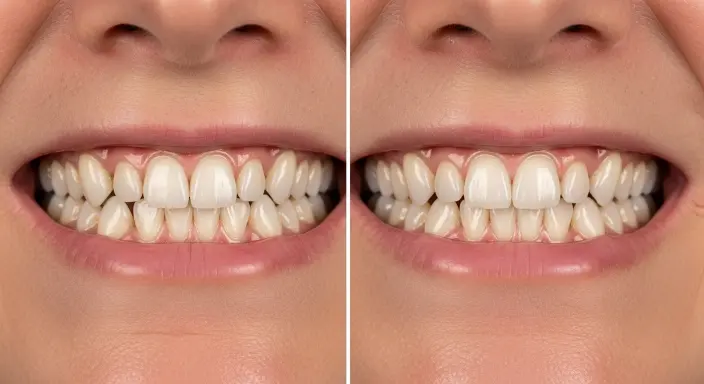

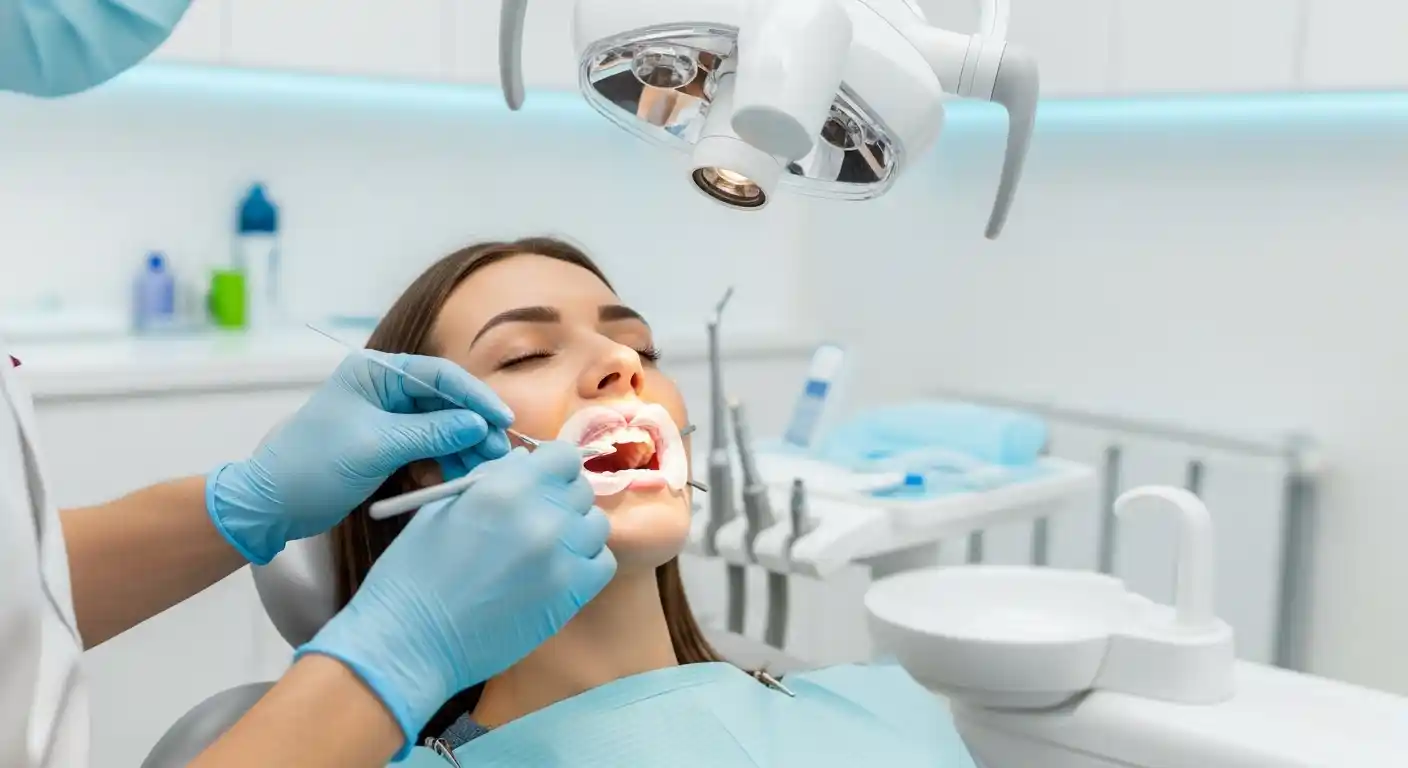
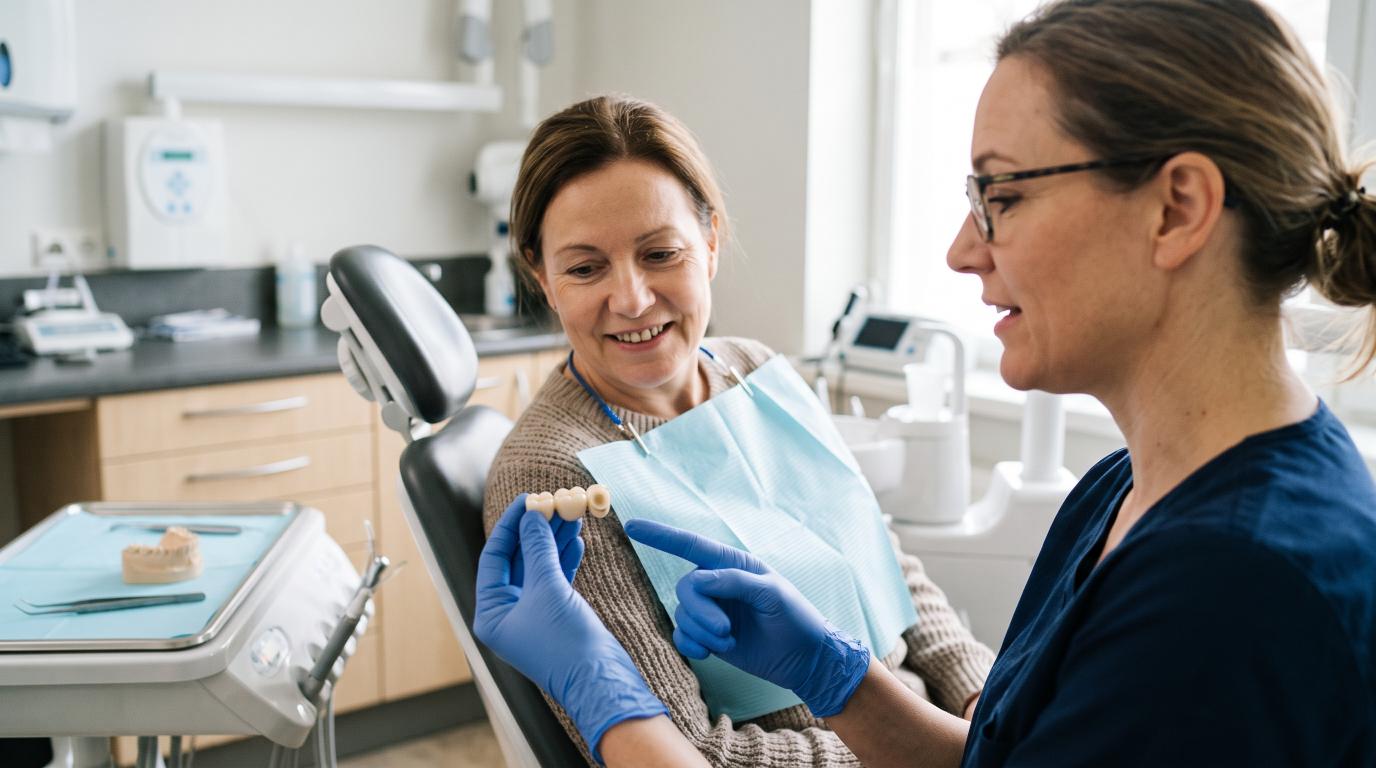

Composite bonding can make slightly crooked teeth appear straighter by reshaping uneven edges, improving tooth symmetry, and reducing the appearance of minor overlaps. However, it does not physically move teeth or correct significant misalignment. For patients with mild cosmetic concerns, bonding may offer a way to improve their smile without orthodontic treatment.
At Vista Dorada Dental in Gilbert, AZ, patients can learn whether composite bonding is suitable for their teeth. This guide explains how bonding works for crooked teeth, when it may help, its limitations, and how it compares with Invisalign.
What Is Composite Bonding?
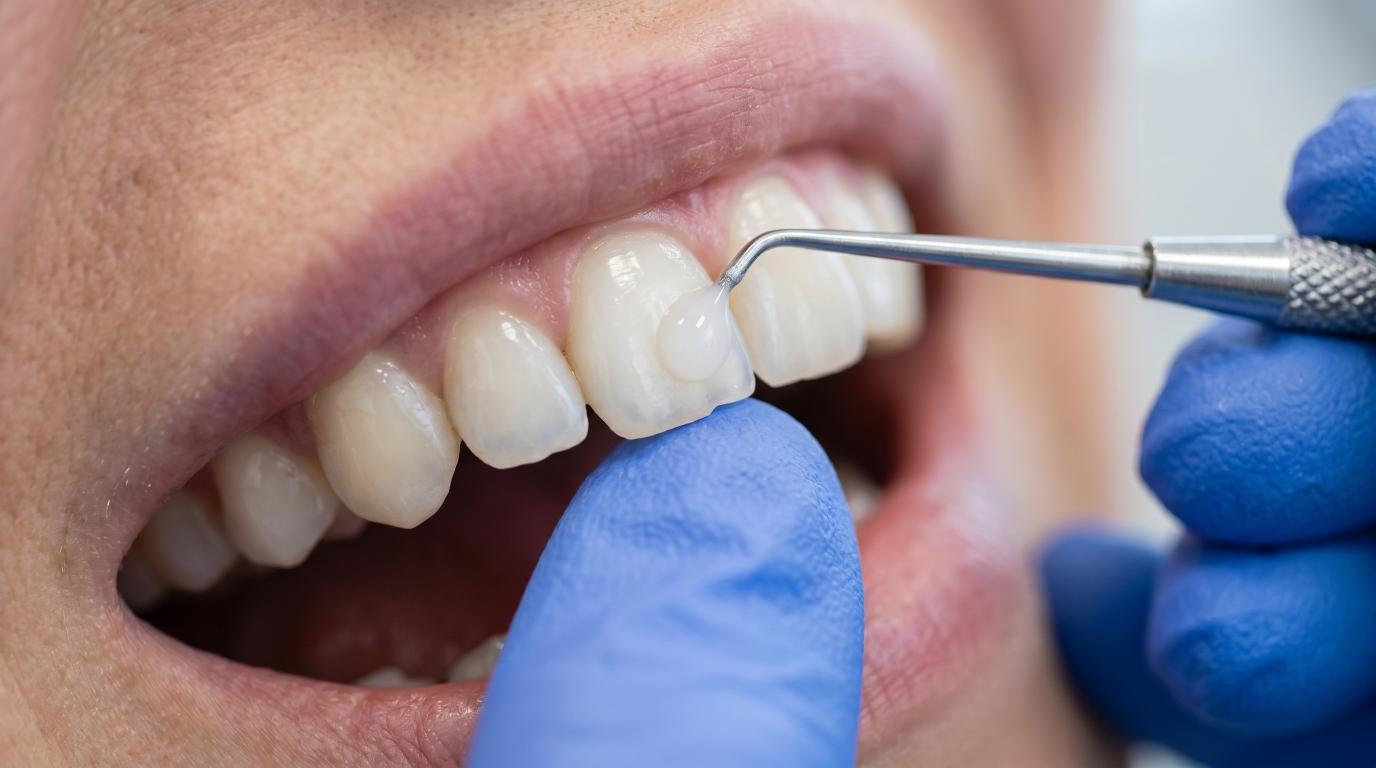
Composite bonding is a cosmetic dental procedure that uses tooth-colored resin to repair minor damage and improve the shape or appearance of teeth. The dentist applies the resin directly to the tooth, shapes it, and hardens it with a dental curing light. The treatment can repair small chips, close minor gaps, and reshape uneven tooth edges. It may also make slightly crooked teeth look more balanced without changing their actual position. Bonding often requires little or no enamel removal and can be completed in one appointment. However, the amount of preparation and whether the treatment is reversible depend on the condition of the tooth.
Can Composite Bonding Actually Straighten Crooked Teeth?
No, composite bonding cannot physically straighten crooked teeth. Instead, it changes the shape and appearance of selected teeth using tooth-colored resin, making mild irregularities less noticeable. For example, bonding may reshape an uneven front tooth or improve the appearance of minor rotations. However, the treatment does not reposition teeth, correct significant crowding, or resolve bite problems.
Whether bonding is appropriate depends on the degree of misalignment, available tooth structure, and how the upper and lower teeth meet.
When Composite Bonding Works for Crooked Teeth
Composite bonding may be suitable when:
- Teeth are only slightly crooked or uneven.
- Minor shape differences affect the appearance of the smile.
- The bite is healthy and does not require correction.
- Enough space is available to apply resin without making teeth look bulky.
- The patient wants a cosmetic improvement rather than actual tooth movement.
When Composite Bonding Is Not Suitable
Bonding may not be appropriate when:
- Teeth have significant crowding or misalignment.
- The bite requires orthodontic correction.
- Adding resin would make the teeth appear too thick.
- Untreated decay or gum disease needs attention.
- The desired result requires physically moving teeth into alignment.
Can Composite Bonding Fix Overlapping Teeth?
Composite bonding can improve the appearance of slightly overlapping teeth, but it cannot physically move them into alignment. The treatment involves applying tooth-colored resin to selected areas to make minor overlaps look less noticeable.
For example, bonding may help a front tooth that sits slightly behind another tooth appear more even. However, significant overlapping or crowding may leave insufficient space for the resin, making the teeth look bulky or more difficult to clean.
If overlapping teeth affect your bite or require actual tooth movement, clear aligners or braces may be more suitable. A dentist can examine the degree of overlap and determine whether bonding can achieve a natural-looking result.
How Composite Bonding Fixes Crooked Teeth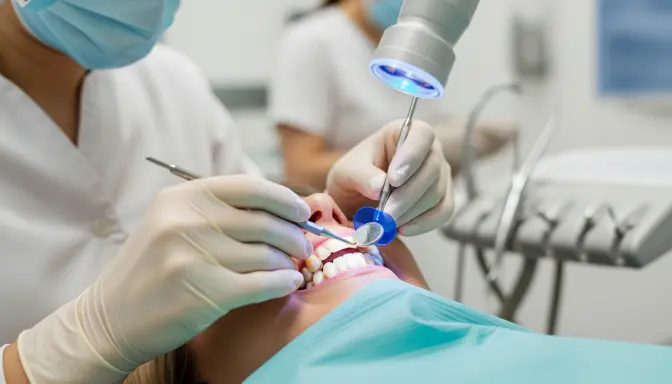
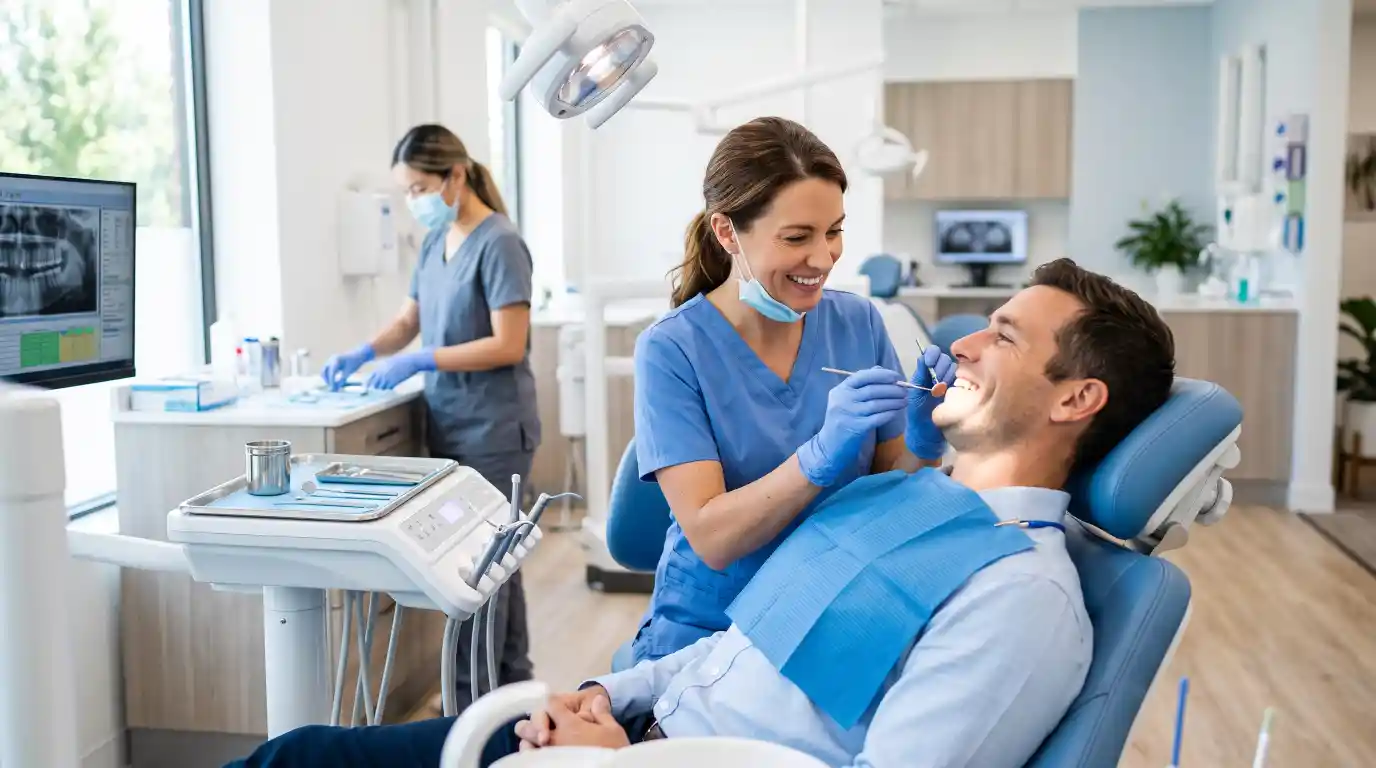
Composite bonding improves the appearance of mildly crooked teeth by adding and shaping tooth-colored resin on selected surfaces. The procedure often takes one appointment, although treatment time depends on the number of teeth and the changes needed.
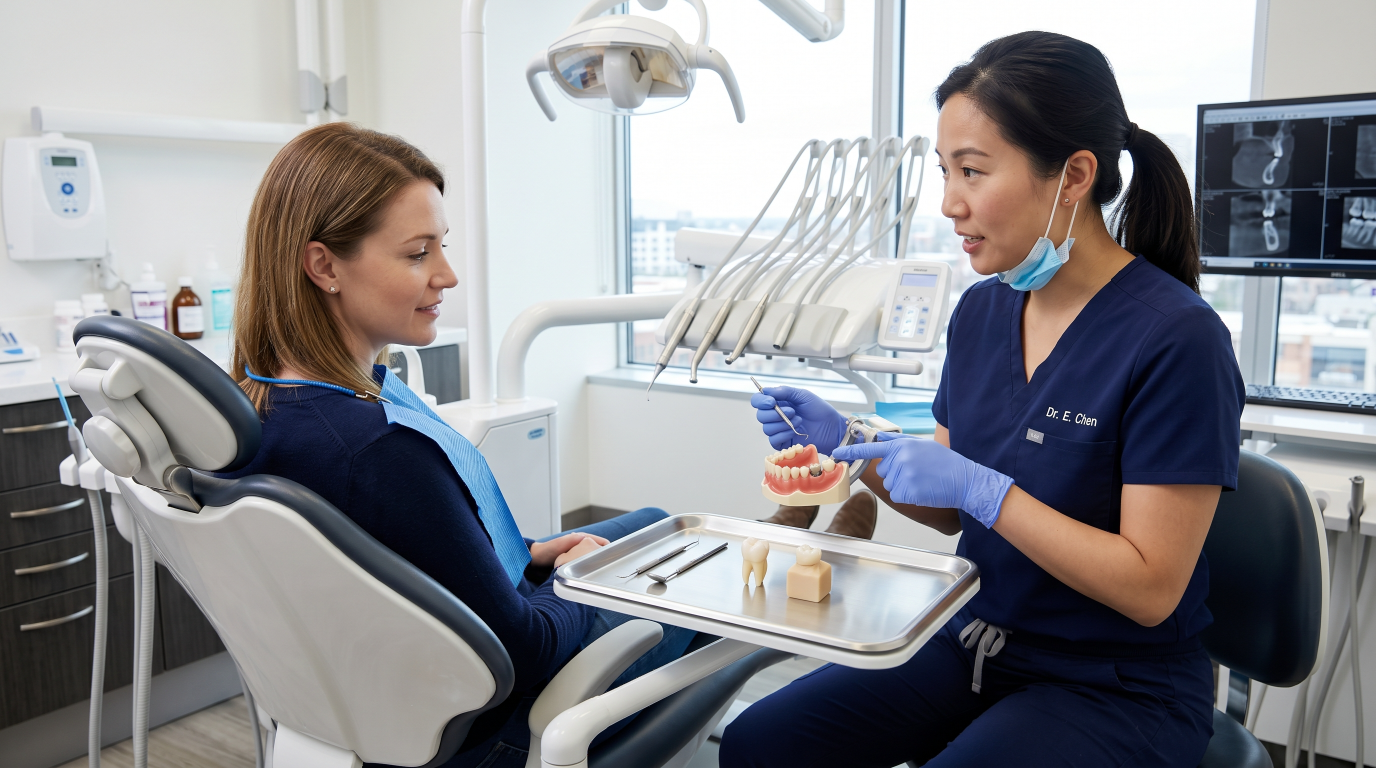
Consultation and Smile Assessment
The dentist examines the teeth, gums, and bite to determine whether bonding is appropriate. If the misalignment is significant or affects oral function, clear aligners or another treatment may be recommended instead.
Color Matching
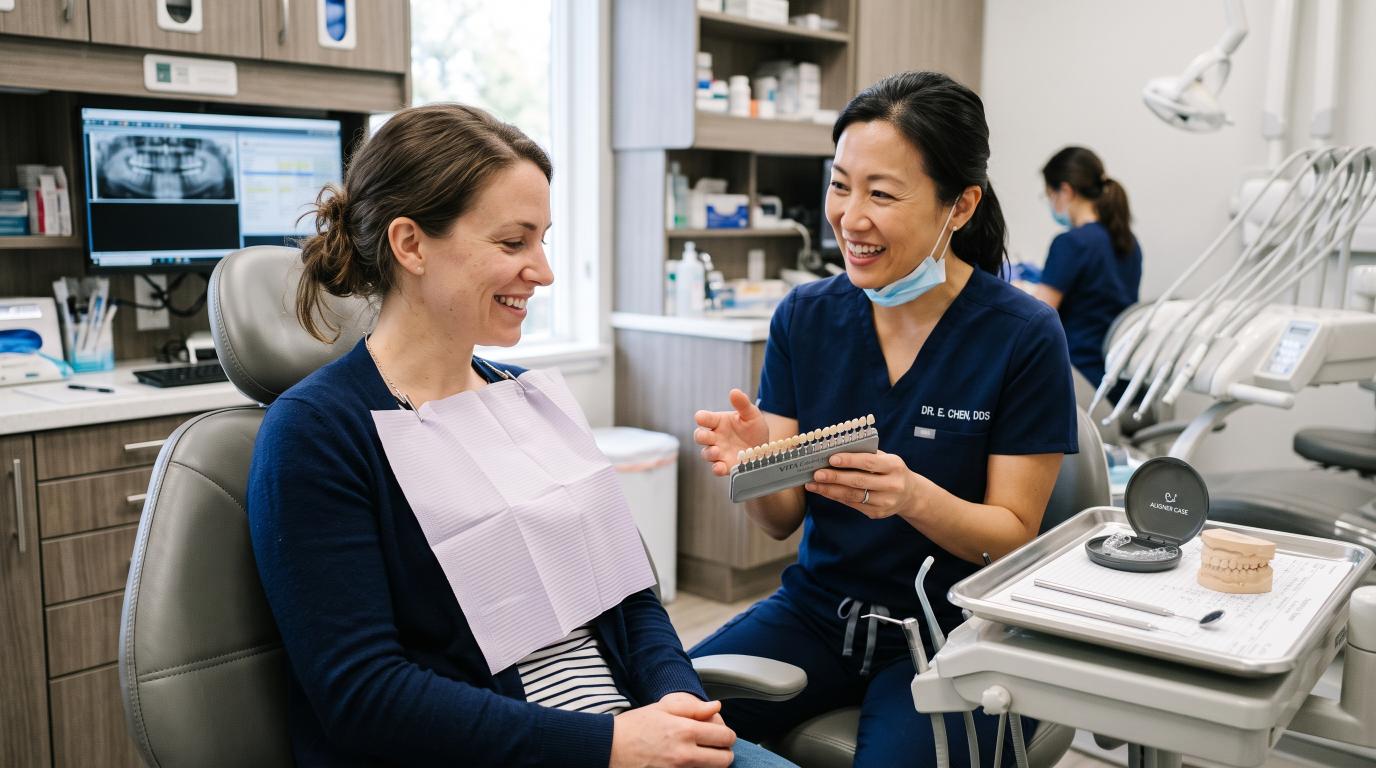
A composite resin shade is selected to closely match the surrounding natural teeth. This helps the restoration blend with the smile, although the final appearance depends on the original tooth color and the size of the repair.
Surface Preparation
The tooth is cleaned and its surface is conditioned to help the resin attach securely. Cosmetic bonding often requires little or no enamel removal, but additional preparation may be necessary in certain cases.
Application and Sculpting
The dentist applies composite resin to selected areas and carefully shapes it to improve tooth symmetry. For mildly crooked teeth, the material can help smooth uneven edges or make small differences in tooth position less noticeable.
Curing
A dental curing light hardens the composite resin after it has been shaped. Additional layers may be applied and hardened as needed to create the desired contour.
Polishing and Bite Check
The dentist smooths and polishes the bonding material, then checks how the teeth meet when biting. Any necessary adjustments are made to improve comfort and ensure the restoration does not interfere with the bite.
The cosmetic improvement is usually visible immediately after treatment, although the final result depends on the original tooth position and the amount of bonding needed.
Benefits of Composite Bonding for Crooked Teeth

Composite bonding can improve the appearance of mildly crooked teeth without physically moving them. It offers several advantages for patients who need minor cosmetic changes rather than orthodontic correction.
- Quick results: Many cosmetic bonding procedures can be completed in one dental visit.
- Minimal tooth preparation: The treatment often requires little or no removal of healthy enamel.
- Natural-looking appearance: Composite resin can be shade-matched and shaped to blend with nearby teeth.
- Lower initial cost: Small bonding repairs are generally less expensive than porcelain veneers, although fees vary.
- Repairable material: Chipped or worn bonding can often be polished or repaired without replacing the entire restoration.
These benefits depend on the tooth’s condition, degree of misalignment, and biting pressure. A dental examination helps determine whether bonding is suitable for the desired cosmetic improvement.
Composite Bonding vs Invisalign: Which One Is Right for You?
Composite bonding is generally suitable for minor cosmetic improvements, while Invisalign is designed to physically move teeth into better alignment. The right treatment depends on whether you want to improve how your teeth look or correct their actual position.
| Feature | Composite Bonding | Invisalign |
|---|---|---|
| Main purpose | Improves tooth shape and appearance | Gradually straightens teeth |
| Best for | Mild cosmetic irregularities, small gaps, and uneven edges | Crowding, spacing, and certain bite problems |
| How it works | Adds tooth-colored resin to reshape teeth | Uses clear aligners to move teeth |
| Treatment time | Often completed in one visit | Usually requires several months or longer |
| Tooth movement | Does not physically move teeth | Moves teeth into better alignment |
| Enamel removal | Usually little or none | May require minor enamel reduction in some cases |
| Cost | Generally lower initial cost for minor repairs | Usually higher initial cost |
| Maintenance | May require polishing, repair, or replacement | Requires retainers after treatment |
Which Treatment Should You Choose?
Composite bonding may be suitable if your teeth are slightly crooked and your bite is healthy. However, if you have significant crowding, overlapping teeth, or bite problems, Invisalign or another orthodontic treatment may be more appropriate. In some cases, both treatments can be combined. Invisalign can improve tooth alignment first, followed by composite bonding to refine minor cosmetic imperfections.
How Long Does Composite Bonding Last?
Composite bonding can last several years, often around five to ten years, although some restorations may need repair or replacement sooner. Its lifespan depends on the size and location of the bonding, biting pressure, and daily oral care habits. Bonding placed on front teeth may experience wear from biting hard objects or teeth grinding.
Composite resin can also develop stains or rough edges over time, particularly with frequent exposure to coffee, tea, or tobacco. Regular dental checkups help identify signs of wear. If the bonding chips, becomes rough, or changes appearance, a dentist can determine whether polishing, repair, or replacement is needed.
How to Make Your Composite Bonding Last Longer
To help maintain composite bonding:
- Brush twice daily with fluoride toothpaste and floss at least once a day.
- Avoid chewing ice, pens, fingernails, and other hard objects.
- Limit habits that increase staining, such as frequent tobacco use.
- Attend routine dental checkups and professional cleanings.
- If you grind your teeth, ask the dental team whether a night guard would be appropriate.
How Much Does Composite Bonding Cost?
Composite bonding is generally considered a relatively affordable cosmetic dental treatment, especially for small repairs involving one or two teeth. However, the total cost depends on the number of teeth being treated, the size of the restoration, and the complexity of the cosmetic changes.
Improving the appearance of mildly crooked teeth may require careful reshaping and additional composite resin. Treating several teeth will generally cost more than making a small adjustment to a single tooth.
Bonding is often less expensive than porcelain veneers, but treatment costs vary. At Vista Dorada Dental in Gilbert, AZ, patients can schedule a consultation to discuss their cosmetic goals and receive a personalized cost estimate before proceeding.
Ready to Fix Your Crooked Teeth Without Braces?
If you have slightly crooked, uneven, or mildly overlapping teeth, composite bonding may help create a straighter-looking smile without orthodontic treatment. However, the best option depends on your tooth position, bite, and overall oral health.
At Vista Dorada Dental in Gilbert, AZ, our team can examine your teeth and explain whether bonding is suitable for your cosmetic goals. Book your consultation with Vista Dorada Dental to discuss your treatment options and learn what results may be possible.
Conclusion
Composite bonding can make mildly crooked teeth appear straighter by improving their shape, symmetry, and overall appearance. However, it does not physically move teeth or correct significant crowding and bite problems. While bonding may be a convenient option for minor cosmetic concerns, some patients may benefit more from clear aligners or braces. The right treatment depends on the degree of misalignment, tooth condition, and desired results. A dental examination can help determine whether composite bonding is a suitable choice.
Frequently Asked Questions
Does Composite Bonding Hurt?
Composite bonding is generally comfortable, and many simple cosmetic procedures do not require local anesthesia. However, some patients may experience mild sensitivity, and additional preparation or treatment for tooth decay may require numbing. The experience depends on the condition of the tooth and the treatment needed.
Can I Get Composite Bonding on Just One Crooked Tooth?
Yes, composite bonding can be performed on a single mildly crooked tooth if the concern is mainly cosmetic. The dentist can apply tooth-colored resin to improve its shape and help it blend with surrounding teeth. However, bonding may not be suitable if the tooth is significantly rotated, protruding, or affecting the bite.
Can Composite Bonding Fix a Tooth That Sticks Out?
Composite bonding may improve the appearance of a slightly uneven tooth, but it is usually not suitable for correcting a tooth that sticks out significantly. Adding resin can make a protruding tooth appear thicker rather than straighter. If the tooth needs to be moved into a better position, clear aligners or braces may be more appropriate. A dental examination can help determine the best option.
How Quickly Can I See Results?
Composite bonding usually provides visible cosmetic results immediately after the resin is shaped and polished. Simple bonding procedures often take approximately 30 to 60 minutes per tooth, although treatment time varies depending on the number of teeth and the complexity of the changes. More extensive treatment may require additional appointments.
Is Composite Bonding Permanent?
No, composite bonding is not a permanent restoration. The resin may last several years before needing repair, polishing, or replacement. Bonding can sometimes be removed, but whether it is fully reversible depends on how much natural enamel was altered during treatment. A dentist can assess the restoration before recommending removal or replacement.
Can Composite Bonding Fix Gaps Between My Front Teeth?
Yes, composite bonding can close or reduce small gaps between front teeth by adding tooth-colored resin to their edges. This can create a more even appearance without physically moving the teeth. However, larger gaps or spacing related to bite problems may require orthodontic treatment or another approach.