







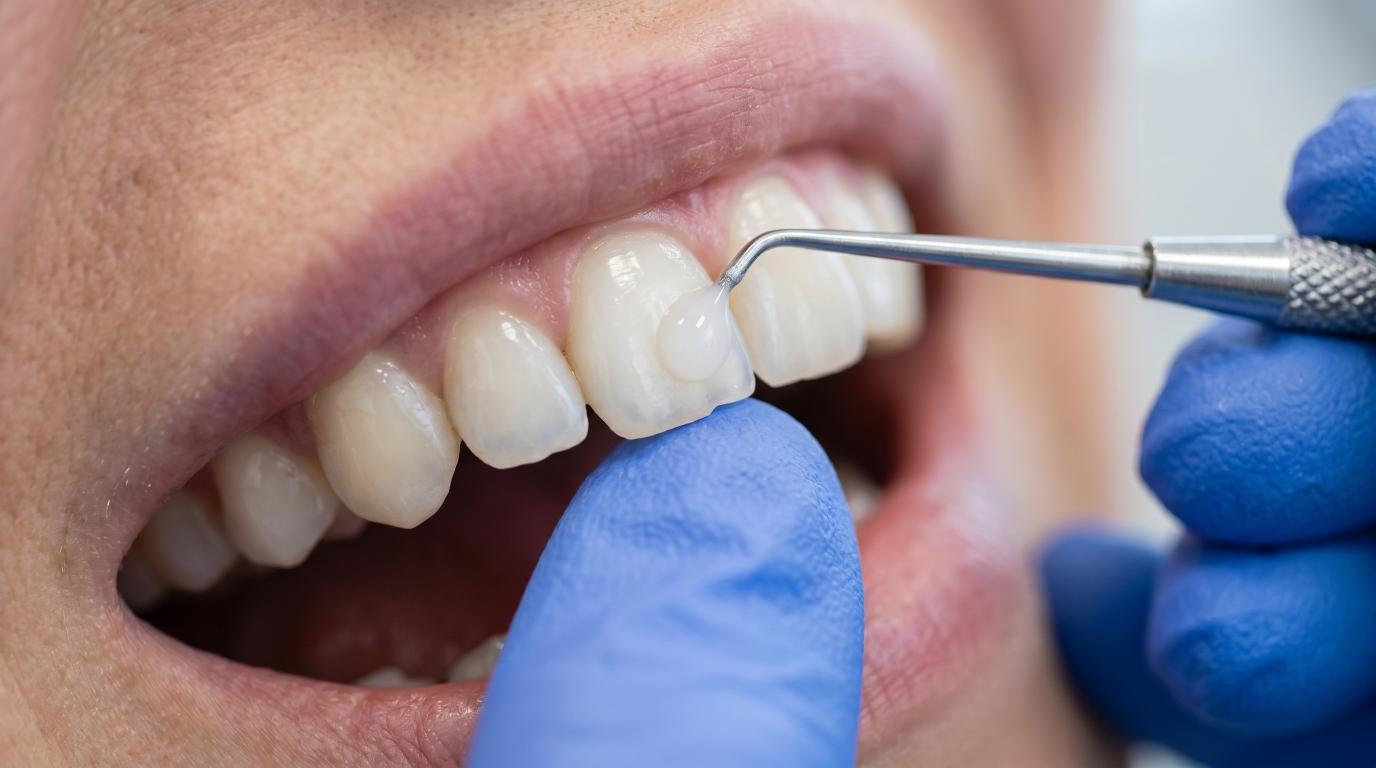

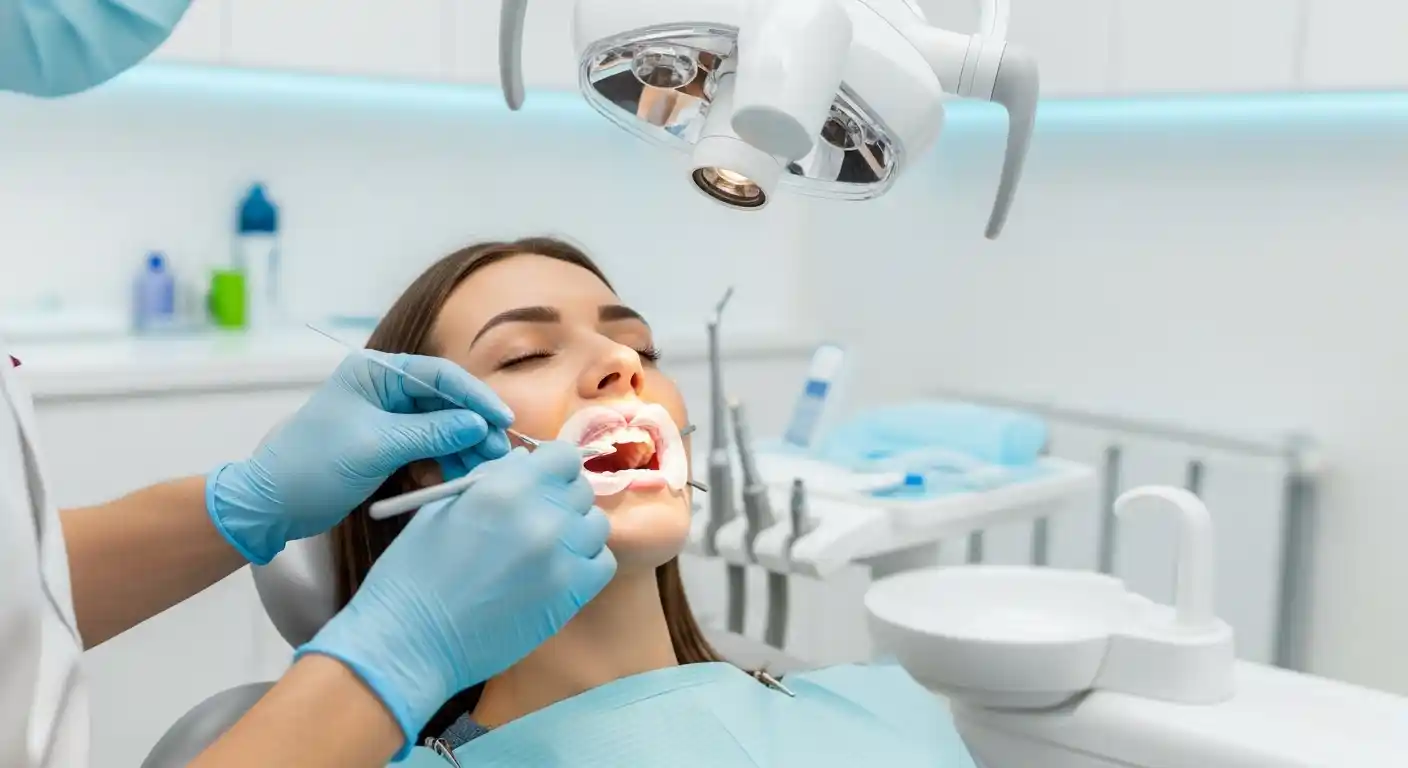


A chipped tooth, small gap, or uneven tooth edge does not always require veneers or a crown. What is tooth bonding? It is a cosmetic dental treatment that uses tooth-colored composite resin to repair minor damage, close small spaces, and improve the shape of teeth. The dentist applies and shapes the resin directly on the tooth, then hardens it with a special light. Most simple bonding procedures can be completed in a single appointment.
At Vista Dorada Dental in Gilbert, AZ, our team helps patients understand whether dental bonding is suitable for their needs. The right treatment depends on the condition of the tooth, the extent of the damage, and the results you want to achieve.
What Is Teeth Bonding?
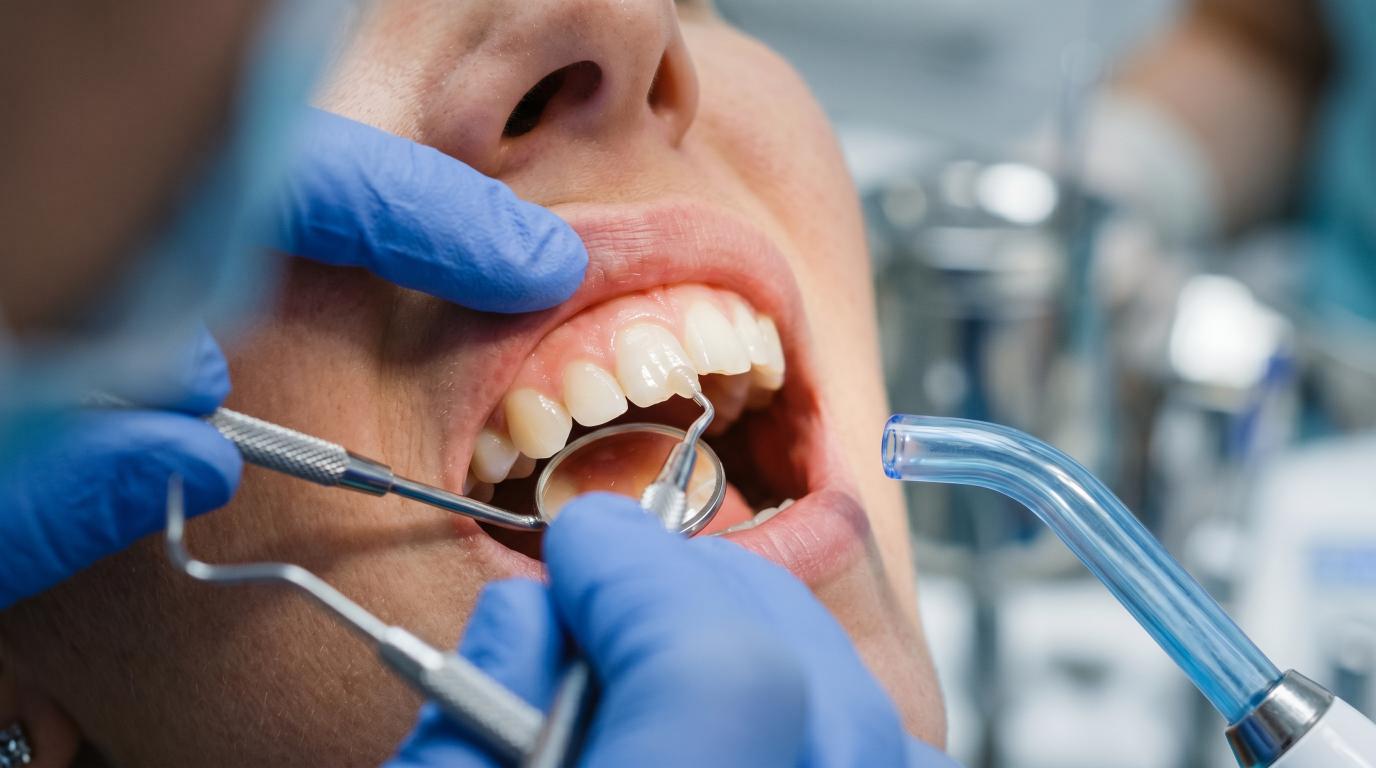
Teeth bonding is a cosmetic dental procedure that uses tooth-colored composite resin to repair or reshape teeth. The material is applied to the tooth surface, hardened with a curing light, and polished to blend with the surrounding enamel.
Dental bonding is commonly used to repair small chips, close minor gaps, and improve uneven tooth edges. It generally requires little or no removal of healthy enamel, making it a conservative option for selected cosmetic repairs. However, teeth with extensive damage or insufficient healthy structure may need a different restoration, such as a porcelain veneer or crown.
How Does Teeth Bonding Work?
Teeth bonding works by attaching tooth-colored composite resin to the tooth and shaping it to repair damage or improve appearance. The procedure often takes approximately 30 to 60 minutes per tooth, although treatment time depends on the amount of work needed.
The procedure generally involves five steps:
- Choose the resin shade: The dentist selects a color that closely matches the surrounding teeth.
- Prepare the tooth: The surface is cleaned and conditioned to help the resin bond securely.
- Apply the composite resin: The material is placed on the tooth and shaped to achieve the desired appearance.
- Harden the material: A special curing light hardens the composite resin.
- Polish and adjust: The dentist checks the bite and polishes the restoration for a smooth finish.
Most simple cosmetic bonding procedures do not require numbing. However, treatment involving decay or deeper damage may require local anesthesia.
What Problems Can Teeth Bonding Fix?
Teeth bonding can improve several minor cosmetic concerns without requiring extensive changes to natural teeth. Dentists use tooth-colored composite resin to repair damaged areas, adjust tooth shape, and create a more even appearance.
Common problems dental bonding can address include:
- Chipped or slightly cracked teeth: Repairs small areas of damage and helps restore the tooth’s original shape.
- Small gaps between teeth: Adds composite resin to reduce or close spaces between certain teeth.
- Uneven or worn tooth edges: Reshapes teeth that appear shorter or less even than neighboring teeth.
- Tooth discoloration: Covers selected stains or discolored areas that may not respond well to whitening.
- Irregularly shaped teeth: Adjusts the appearance of teeth that look slightly too small or uneven.
Bonding may also improve the appearance of mildly crooked teeth, but it does not physically straighten them. Read more about whether composite bonding can fix crooked teeth.
Dental bonding is generally most effective for smaller repairs. Teeth with extensive decay, large fractures, or significant alignment problems may need another treatment.
Who Is a Good Candidate for Teeth Bonding?
Teeth bonding may be a suitable option for patients who have enough healthy tooth structure to support the composite resin. The treatment is often considered when only a small cosmetic or restorative change is needed.
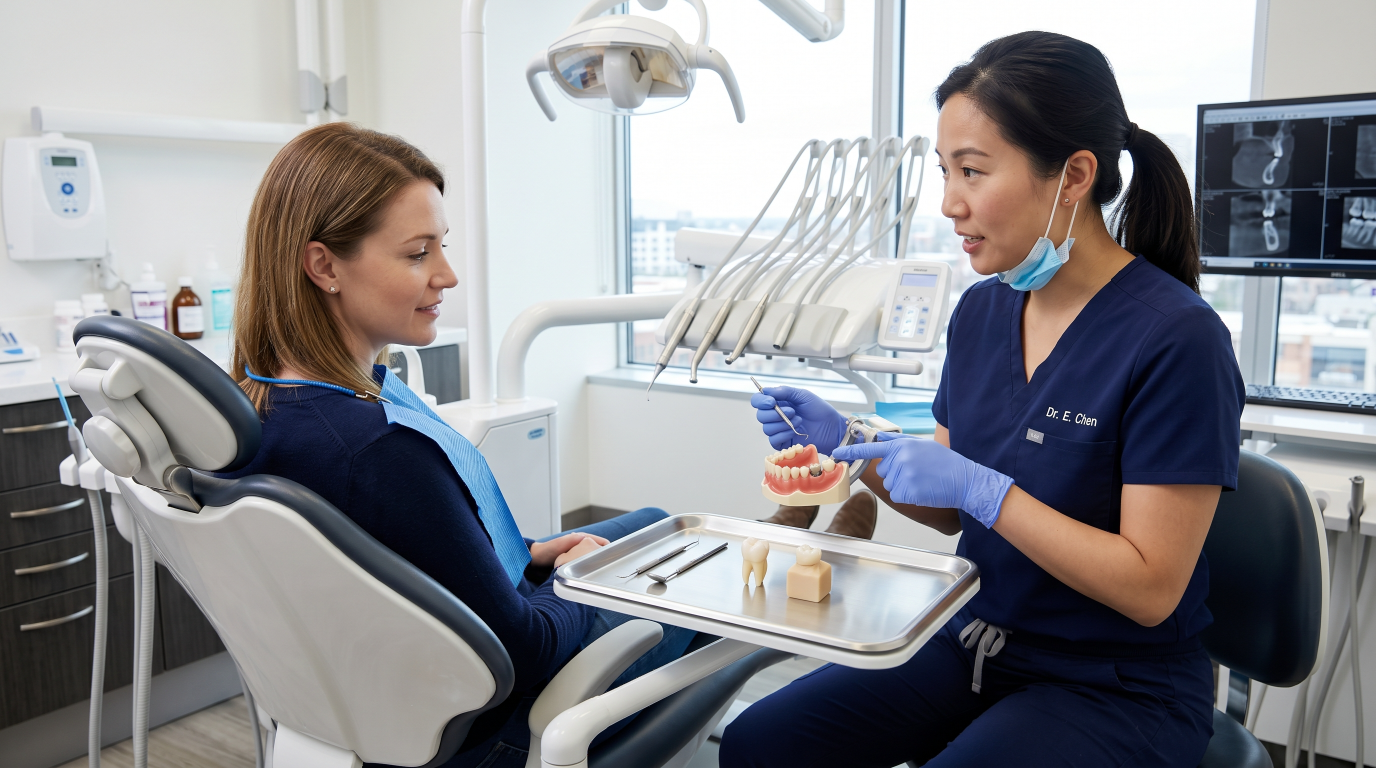
Before recommending bonding, a dentist will examine the teeth and gums, check the bite, and look for conditions that could affect the restoration. Untreated cavities, gum disease, or frequent teeth grinding may need to be addressed before cosmetic bonding.
Patients with heavily damaged teeth or large fractures may need a stronger restoration, such as a dental crown. Bonding may also be less suitable when significant changes to tooth alignment are required. A dental examination helps determine whether bonding can provide a natural-looking result that is appropriate for the tooth’s long-term health.
Can Teeth Bonding Work on Front and Back Teeth?
Yes, composite resin can be used on both front and back teeth, but the type of repair and the amount of biting pressure affect whether it is suitable. Front teeth are commonly bonded to repair small chips, close minor gaps, and improve uneven edges. Back teeth may also be restored with composite resin, often as tooth-colored fillings for cavities or minor damage. Because molars handle stronger chewing forces, larger restorations may need a different treatment. A dentist can examine the tooth and recommend an option based on its condition, location, and the extent of the damage.
Teeth Bonding vs Veneers
Teeth bonding and porcelain veneers can both improve the appearance of teeth, but they differ in materials, preparation, durability, and cost. Bonding uses composite resin applied directly to a tooth, while porcelain veneers are custom-made shells that cover the front surface.
| Feature | Teeth Bonding | Porcelain Veneers |
|---|---|---|
| Material | Composite resin | Dental porcelain |
| Common uses | Small chips, gaps, and uneven edges | More extensive cosmetic changes |
| Treatment time | Often one appointment | Usually multiple appointments |
| Enamel removal | Usually little or none | Generally requires enamel removal |
| Durability | May need repairs over time | Generally more resistant to stains and wear |
| Cost | Usually less expensive | Usually more expensive |
Bonding may be appropriate for a small repair when most of the natural tooth remains healthy. Veneers may be considered for broader cosmetic changes. The choice depends on tooth condition, appearance goals, and long-term maintenance needs.
Teeth Bonding vs Crowns
Teeth bonding repairs or reshapes a limited part of a tooth, while a dental crown covers the visible tooth above the gumline. Bonding may be suitable for a small chip or minor cosmetic change when the tooth remains strong. A crown may be recommended when a tooth has extensive decay, a large fracture, or too little healthy structure to support a smaller restoration.
Crowns generally require more tooth preparation but provide broader coverage. The choice depends on the condition of the tooth, not appearance alone. A dentist should examine the remaining tooth structure and biting forces before recommending bonding or a crown.

Benefits of Teeth Bonding
Teeth bonding offers a relatively simple way to improve minor cosmetic imperfections while preserving much of the natural tooth structure. Unlike some other dental restorations, bonding often requires little or no enamel removal. One of its main advantages is convenience. Many cosmetic bonding procedures can be completed in a single dental appointment, without waiting for a custom-made restoration.
Bonding is also generally more affordable than porcelain veneers and can be used to repair small chips, close gaps, and reshape uneven teeth. The composite resin is selected to closely match the surrounding teeth, helping the repaired area blend naturally with the smile. However, the final result depends on the size of the repair, tooth condition, and how well the material is maintained over time.
What Are the Disadvantages of Teeth Bonding?
Although dental bonding can improve the appearance of teeth, it has some limitations. Composite resin is generally less resistant to stains and wear than porcelain, so bonded teeth may change color or show signs of damage over time. The bonding material can also chip or break when exposed to excessive pressure. Habits such as chewing ice, biting hard objects, or grinding teeth may increase the risk of damage.
Another limitation is durability. Bonding may require occasional polishing, repairs, or replacement, depending on the size and location of the restoration. Dental bonding is not always suitable for large fractures, extensive tooth decay, or teeth that need significant structural support. In these situations, veneers, crowns, or other treatments may provide a more appropriate solution.
How Long Does Teeth Bonding Last?
Teeth bonding commonly lasts around 3 to 10 years before it needs repair, replacement, or a touch-up. However, the actual lifespan varies depending on the size and location of the restoration, biting pressure, and daily oral care habits. Smaller bonding repairs may last longer when they are not exposed to excessive pressure. Larger restorations, especially those on biting edges or frequently used chewing surfaces, may experience more wear.
Certain habits can shorten the lifespan of dental bonding, including teeth grinding, biting fingernails, chewing ice, and using teeth to open packaging. Composite resin can also develop stains or rough edges over time. Brushing twice daily, flossing regularly, avoiding damaging habits, and attending routine dental checkups can help maintain bonded teeth. If the material chips or becomes discolored, a dentist can determine whether polishing, repair, or replacement is needed.
How to Care for Bonded Teeth
Caring for bonded teeth involves brushing twice daily with fluoride toothpaste, flossing once a day, and avoiding habits that damage composite resin. Most patients can resume normal activities after uncomplicated bonding, although individual instructions may vary.
Avoid chewing ice, biting fingernails, and using your teeth to open packaging. These habits can chip the bonding material. Coffee, tea, red wine, and tobacco may gradually stain composite resin, so regular cleaning is important.
The resin hardens during treatment, so it does not need 48 hours to finish setting. Contact your dentist if the bonding chips, feels rough, or changes how your teeth meet when you bite.
How Much Does Teeth Bonding Cost?
Teeth bonding is generally considered one of the more affordable cosmetic dental treatments, especially when compared with porcelain veneers or crowns. However, the cost varies depending on the number of teeth being treated, the size of the repair, and the complexity of the procedure. A small chip repair on a single tooth usually costs less than bonding several teeth or making more extensive cosmetic changes.
The materials used, amount of work required, and location of the dental practice can also influence the overall price. Dental insurance may cover part of the cost when bonding is needed to repair damage or restore tooth function. However, bonding performed purely for cosmetic reasons is often not covered. Coverage depends on the individual insurance plan.
At Vista Dorada Dental in Gilbert, AZ, patients can schedule a consultation to discuss their treatment needs and receive a personalized cost estimate before proceeding.
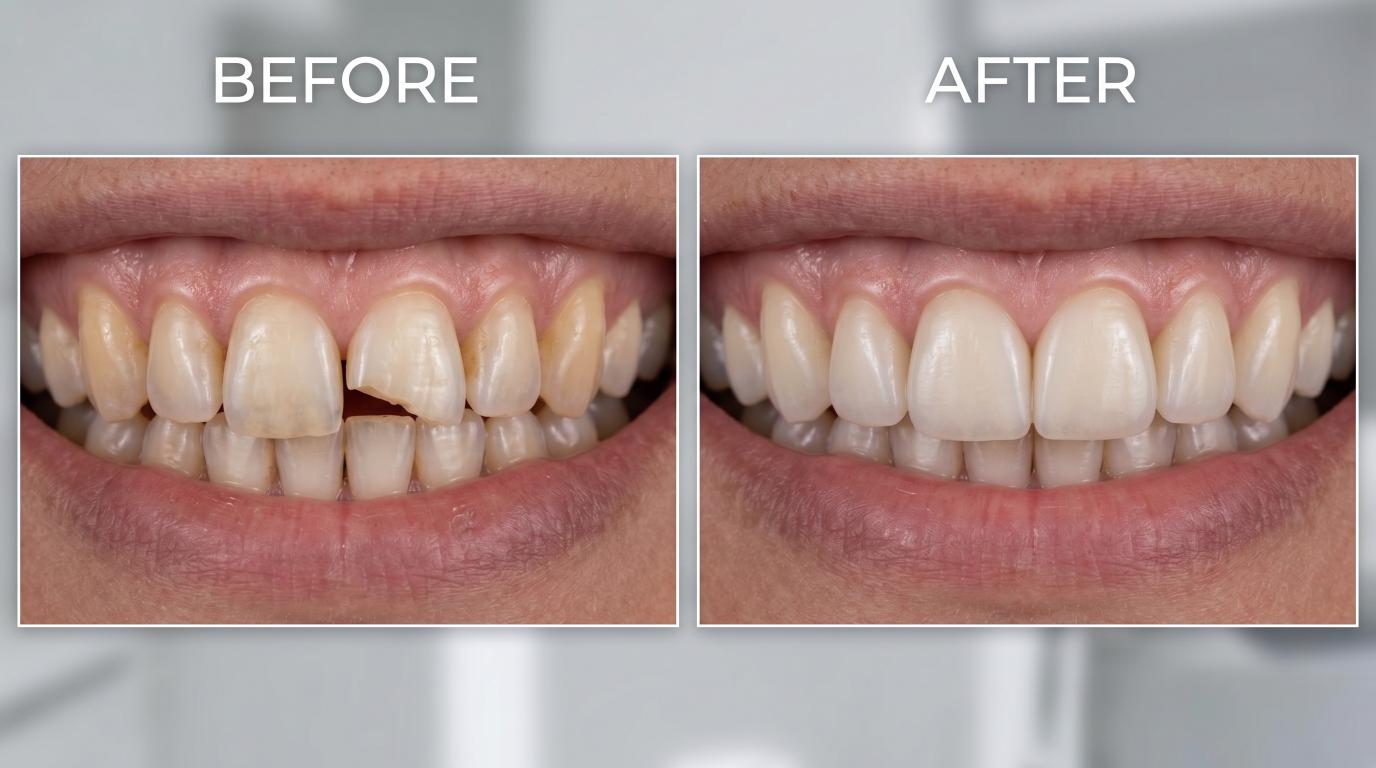
Before and After Teeth Bonding
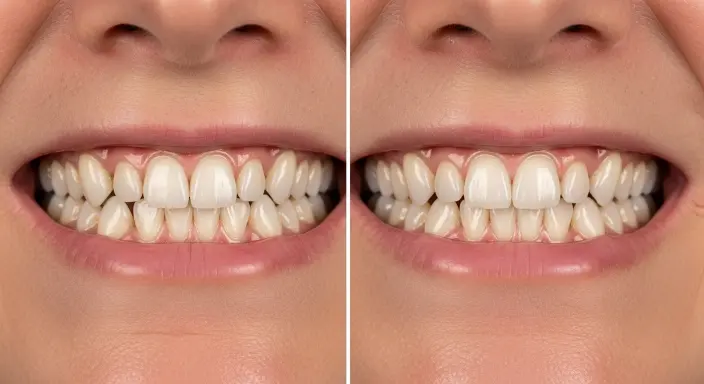
Teeth bonding can create noticeable cosmetic improvements by repairing chipped areas, reducing small gaps, and reshaping uneven tooth edges. The results are usually visible immediately after the dentist finishes shaping and polishing the composite resin. For example, a chipped front tooth may look smoother and more complete after bonding. Small spaces between teeth may appear narrower or closed, while uneven edges can be reshaped to create a more balanced smile.
The composite resin is matched as closely as possible to the surrounding teeth, but the final appearance depends on the natural tooth shade, size of the repair, and treatment technique. Bonding can improve certain cosmetic concerns, but results vary from person to person. A dental examination helps establish realistic expectations and determine whether bonding can achieve the desired appearance.
Can Teeth Bonding Be Removed or Repaired?
Yes, dental bonding can often be repaired or removed. A dentist may repair a small chip by adding new composite resin and polishing the surface. Larger fractures, repeated damage, or significant discoloration may require replacement.
Cosmetic bonding is often considered reversible because it typically requires little or no enamel removal. However, not every bonded tooth is prepared in the same way. If enamel was altered during treatment, removing the resin will not restore that enamel.
The dentist must assess the existing material, underlying tooth, and bite before recommending repair or removal. The time and cost depend on how much work is necessary.
When Should You See a Dentist?
Contact your dentist if bonded teeth feel uneven when biting, develop sharp edges, or become chipped. These problems may require polishing, adjustment, or repair. Mild sensitivity may occur after treatment, but persistent or worsening discomfort should be evaluated rather than ignored. Seek prompt dental advice if you experience severe pain, swelling, or significant damage to the tooth. Changes in the bonding’s color or surface texture can also be discussed during a dental examination.
Ready to Improve Your Smile?
If you have a chipped tooth, a small gap, or an uneven tooth edge, dental bonding may be an option worth discussing. The right treatment depends on the tooth’s condition, the amount of repair needed, and your goals.
At Vista Dorada Dental in Gilbert, AZ, you can schedule an evaluation to discuss cosmetic dental bonding and other suitable treatments. The dental team can examine your teeth, explain the expected results, and review the next steps before you make a decision. Book your appointment today to learn whether bonding is appropriate for your smile.
Conclusion
Teeth bonding is a convenient cosmetic dental treatment for repairing minor chips, closing small gaps, and improving uneven tooth edges. It often requires little enamel removal and can be completed in one appointment, making it a practical option for selected cosmetic concerns. However, bonding is not suitable for every tooth and may need maintenance or replacement over time. The best results depend on the condition of the tooth, biting pressure, and proper care. A dental examination can help determine whether bonding, veneers, or another treatment is the right choice.
Frequently Asked Questions
Is Teeth Bonding Worth It?
Yes, teeth bonding can be worthwhile for small cosmetic repairs when the natural tooth is otherwise healthy. It is usually less invasive than veneers or crowns, but composite resin may need maintenance or replacement.
Does Dental Bonding Look Like Natural Teeth?
Yes, dental bonding can look very similar to natural teeth. Dentists select a composite resin shade that closely matches nearby teeth and polish the material to create a smooth finish. However, the final appearance depends on the size of the restoration, natural tooth color, and treatment technique. Larger repairs may be more noticeable in certain lighting conditions.
Can You Whiten Your Teeth After Dental Bonding?
Yes, you can whiten your natural teeth after dental bonding, but whitening treatments will not change the color of the composite resin. This may create a noticeable shade difference. If you plan to whiten your teeth, discuss the timing with your dentist before getting bonding.
Does Teeth Bonding Hurt?
Most cosmetic bonding procedures cause little discomfort and do not require numbing. However, treatment involving tooth decay or deeper damage may require additional preparation and pain control.
Can Bonded Teeth Stain?
Yes, composite resin can stain over time, particularly with frequent exposure to coffee, tea, red wine, or tobacco. Regular cleaning helps maintain its appearance, but bonding does not whiten like natural enamel.
Can You Eat Normally After Teeth Bonding?
Yes, most patients can eat normally after uncomplicated dental bonding because the resin hardens during treatment. Avoid chewing ice or hard objects that could chip the restoration, and follow any specific instructions from your dentist.