





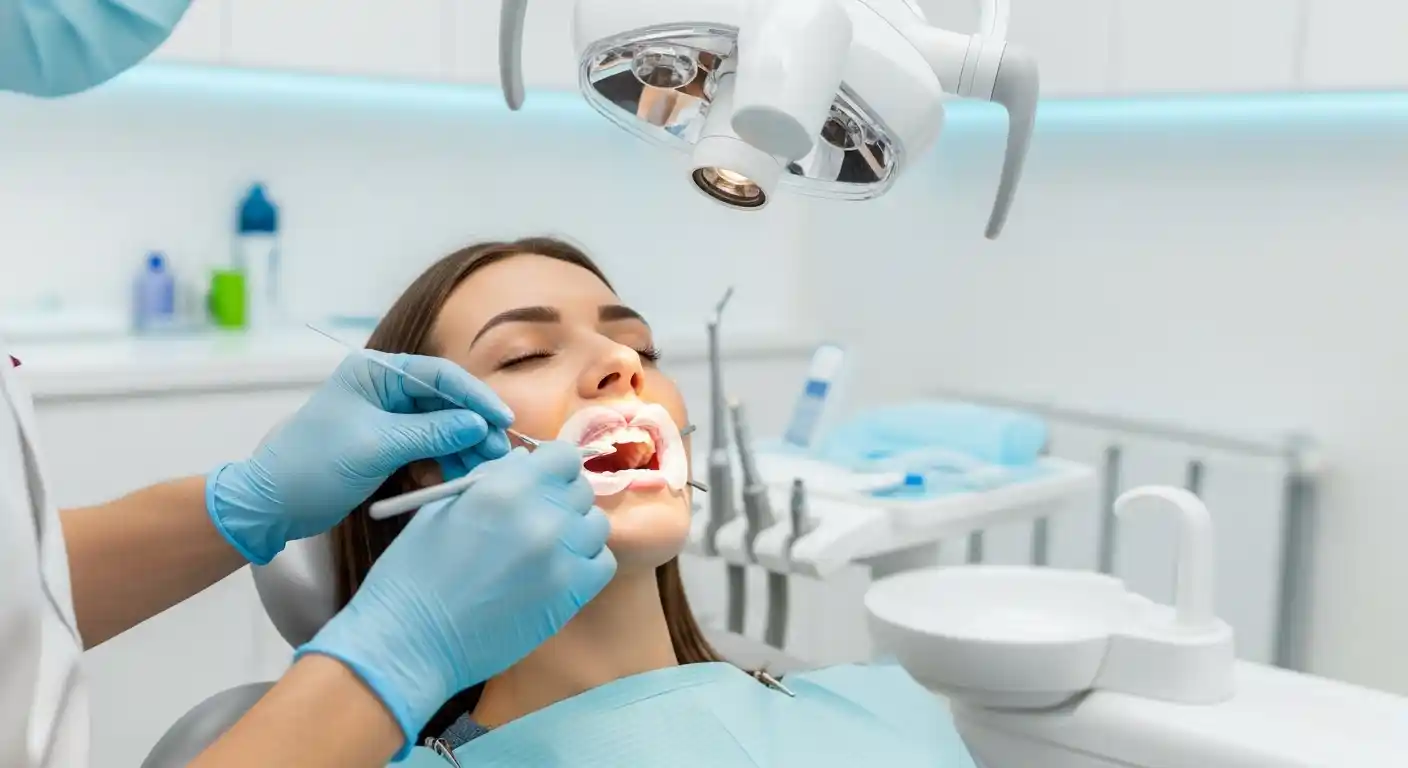
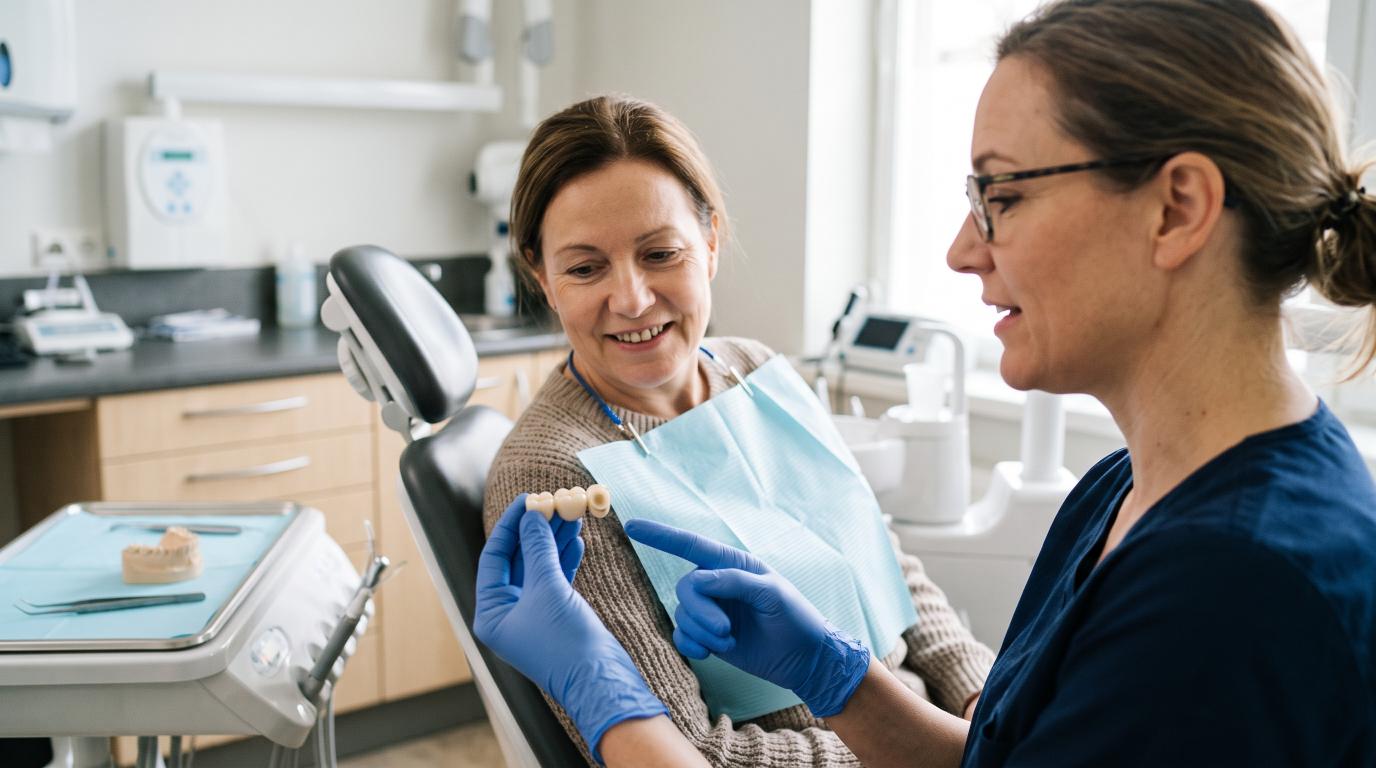

Learning how to care for dental braces starts with brushing carefully around brackets and wires, flossing daily, and choosing foods that will not damage your orthodontic appliances. Good oral hygiene helps prevent plaque buildup, cavities, gum inflammation, and white spots on teeth during braces treatment.
At Vista Dorada Dental in Gilbert, AZ, our team encourages patients with braces to maintain healthy teeth and gums throughout orthodontic treatment. This guide explains how to clean braces properly, which tools and foods are most suitable, how to handle common problems, and when to seek dental or orthodontic care.
Why Proper Care Matters When You Have Braces
Proper braces care is important because brackets and wires create additional spaces where food particles and plaque can collect. Without regular cleaning, this buildup may increase the risk of cavities, swollen gums, bad breath, and white spots caused by early enamel mineral loss.
Brushing, flossing, and using fluoride toothpaste help protect teeth while they are being straightened. A peer-reviewed expert consensus on preventing white spot lesions during orthodontic treatment also emphasizes effective plaque removal and fluoride-based preventive care.
Taking care of braces also helps prevent loose brackets and damaged wires that may require additional orthodontic appointments. Consistent care supports both oral health and the planned treatment process.
How to Care for Dental Braces Every Day
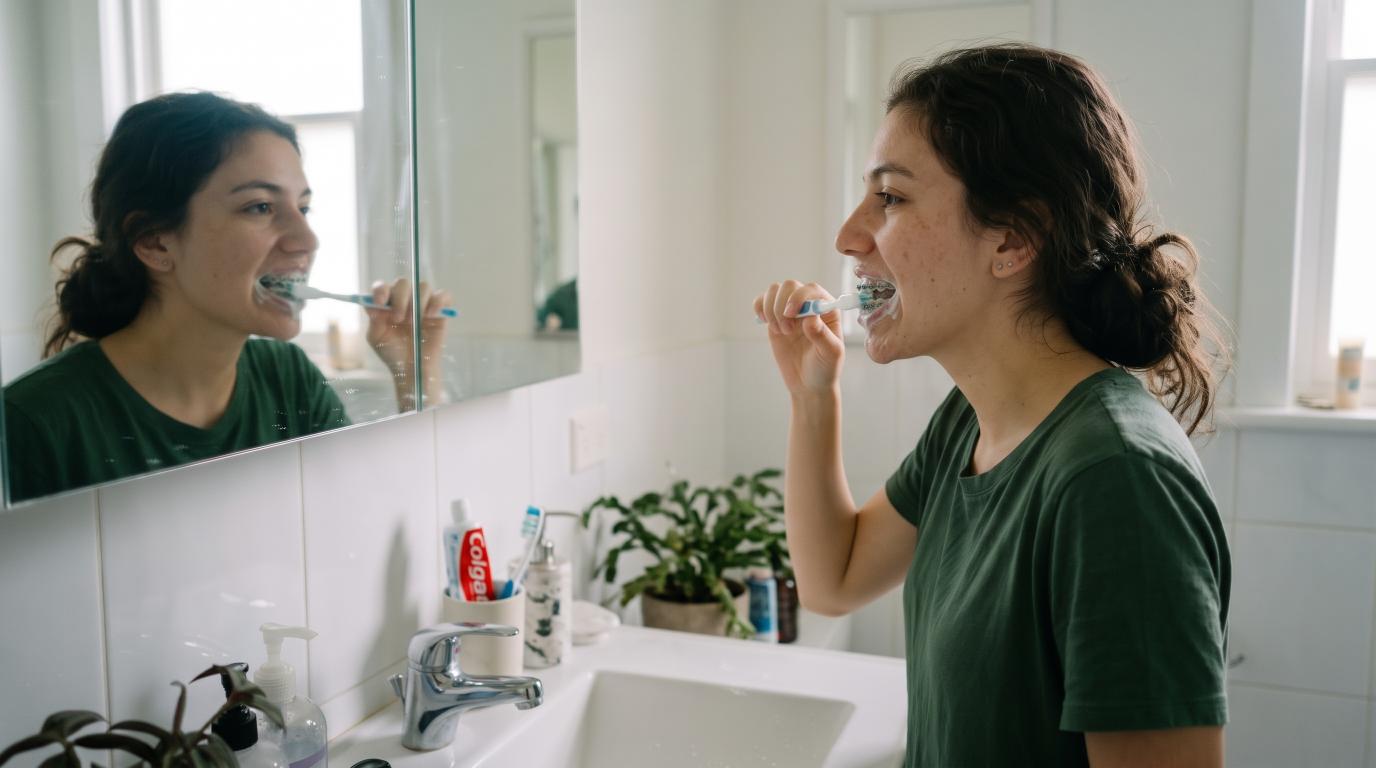
Caring for dental braces every day involves regular brushing, cleaning between the teeth, and checking for trapped food around brackets and wires. Brush after meals when possible using a soft-bristled toothbrush and fluoride toothpaste to help protect enamel.
Floss at least once daily using a floss threader or orthodontic flosser to clean underneath the wires. An interdental brush can help remove food from small spaces around brackets, while a water flosser may provide additional cleaning support.
If brushing is not possible after eating, rinse thoroughly with water and brush when you can. Check your braces regularly for loose brackets, bent wires, or areas irritating the gums, and contact your orthodontist if something appears damaged.
Best Tools for Cleaning Braces
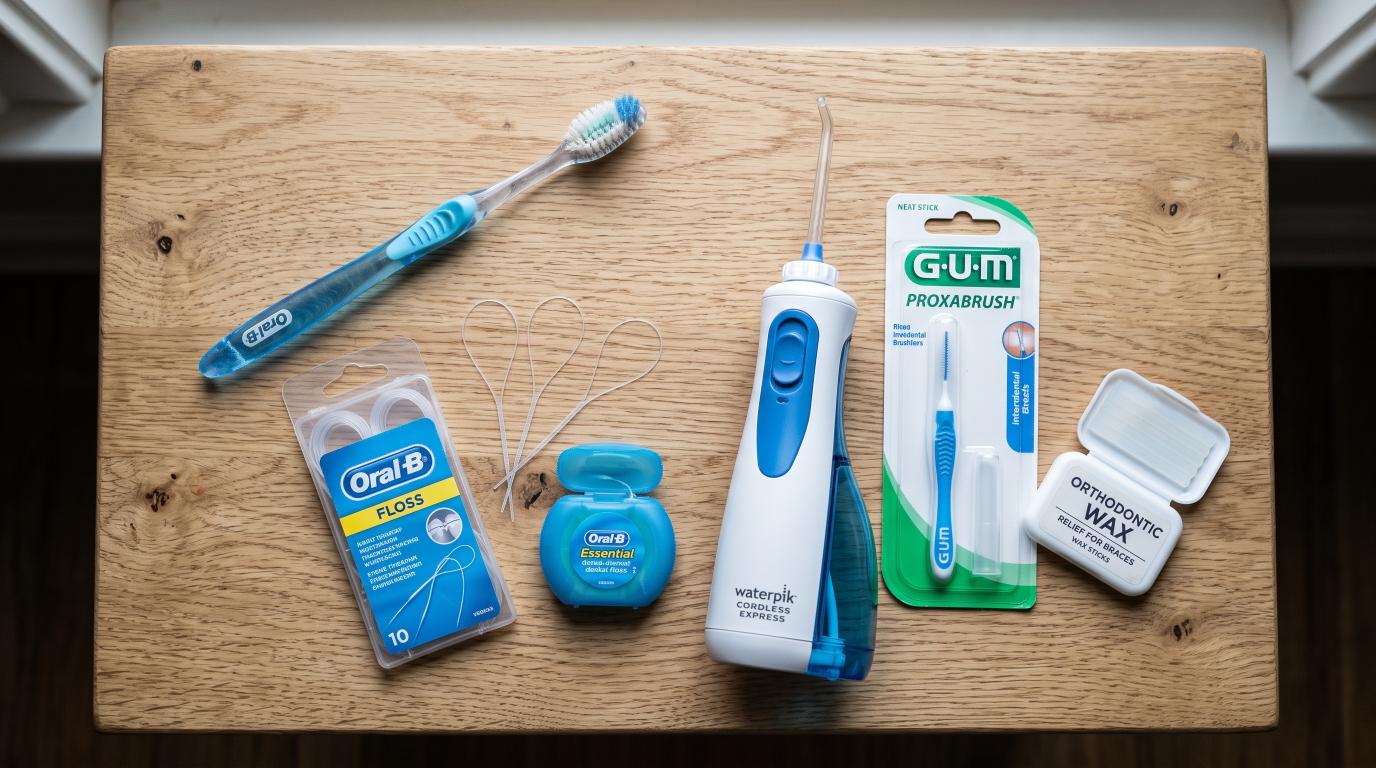
The best tools for cleaning braces include a soft-bristled toothbrush, orthodontic floss, interdental brushes, and a water flosser. These tools help remove food and plaque from areas around brackets and wires that can be difficult to reach with ordinary brushing.
- Soft-bristled toothbrush: Gently cleans the tooth surfaces, gumline, brackets, and wires without applying excessive pressure.
- Orthodontic toothbrush: Designed to make cleaning around braces easier, although a regular soft-bristled toothbrush can also work well.
- Floss threaders and orthodontic floss: Help guide floss beneath wires so you can clean between neighboring teeth.
- Interdental brushes: Small brushes that remove trapped food and plaque from spaces around brackets and under wires.
- Water flosser: Uses a stream of water to dislodge food particles and can supplement brushing and other interdental cleaning.
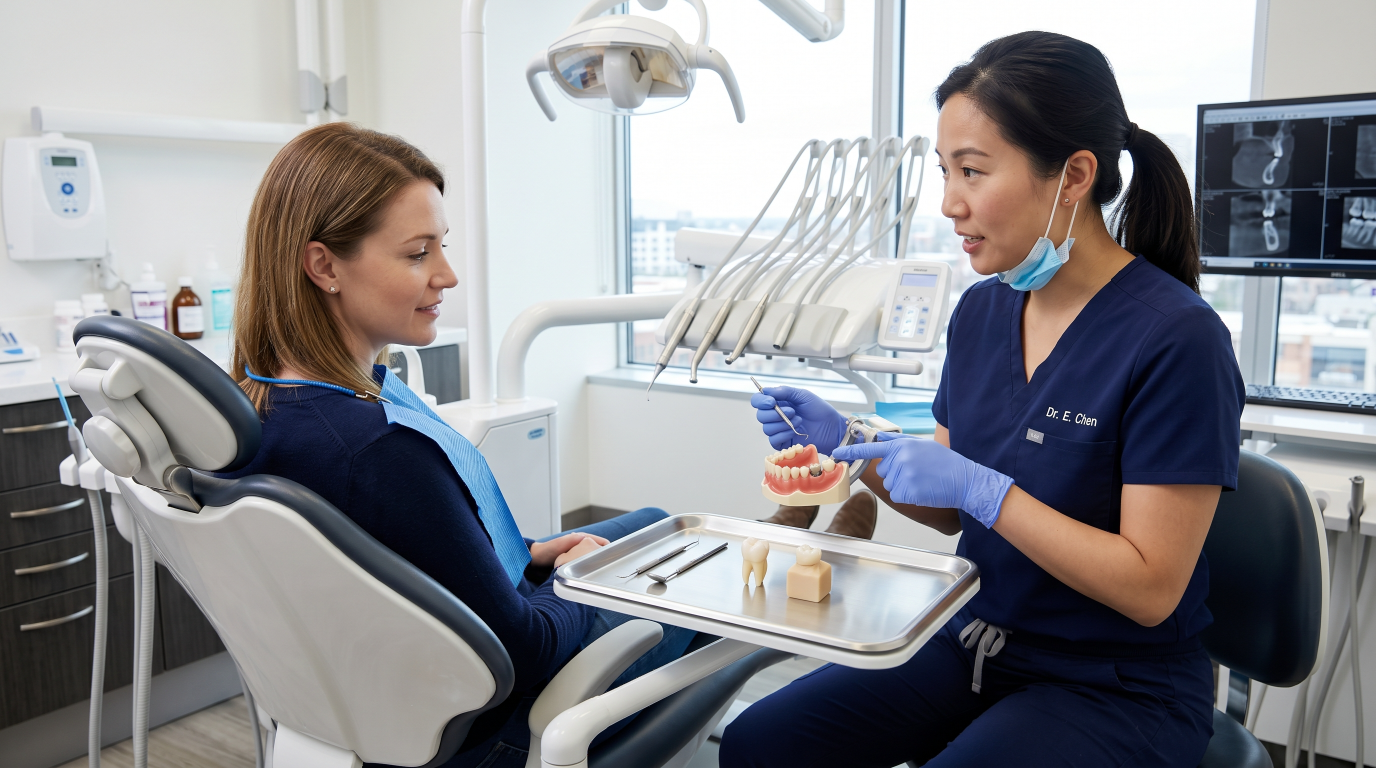
Choose tools that are comfortable to use and suitable for your braces. Your dental team can demonstrate the correct cleaning technique if certain areas are difficult to reach.
What to Eat and Avoid With Braces

Choosing the right foods can help protect your brackets and wires while making eating more comfortable. Soft foods are usually easier to chew, especially after an orthodontic adjustment. Hard, sticky, and very crunchy foods can loosen brackets, bend wires, or become trapped around braces.
|
Better Choices |
Avoid or Modify |
Why |
|
Yogurt, eggs, soups |
Hard candy |
Can damage brackets or wires |
|
Soft rice and pasta |
Sticky caramel or chewy candy |
May pull on brackets |
|
Cooked vegetables |
Hard raw carrots |
Can place too much pressure on braces |
|
Bananas and soft fruits |
Whole apples |
Cut firm fruits into small pieces |
|
Soft bread |
Hard or crusty bread |
Can loosen brackets |
|
Tender meat cut into pieces |
Tough meat pulled from bones |
May put pressure on braces |
|
Soft snacks |
Popcorn kernels and hard nuts |
Can damage or get stuck around braces |
|
Water or milk |
Frequent sugary or acidic drinks |
May increase the risk of enamel damage and cavities |
What Not to Do When Caring for Dental Braces
When caring for dental braces, avoid habits that can damage brackets, bend wires, or allow plaque to accumulate. Biting fingernails, chewing pens, and using your teeth to open packaging can place unnecessary pressure on orthodontic appliances. Do not pull, bend, or attempt to adjust brackets and wires yourself. If part of your braces becomes loose or damaged, contact your orthodontist for guidance.
Avoid skipping daily brushing and flossing, even when your teeth feel sore after an adjustment. Gentle cleaning remains important for preventing plaque buildup and gum irritation. Following your orthodontist’s instructions can help prevent avoidable appliance damage and interruptions to treatment.
How to Protect Your Braces During Sports
You can participate in sports while wearing dental braces, but protecting your teeth and orthodontic appliances is important. Wearing a braces-compatible mouthguard during activities with a risk of facial injury can help reduce damage to brackets, wires, and surrounding oral tissues.
Unlike standard mouthguards, orthodontic mouthguards are designed to accommodate braces and changes in tooth position during treatment. Ask your orthodontist which type offers appropriate protection for your activities.
According to the American Association of Orthodontists, athletes should also keep their mouthguards clean and check them regularly for damage. If a sports injury loosens a bracket or damages a wire, contact your orthodontist for guidance.
How to Handle Common Braces Problems
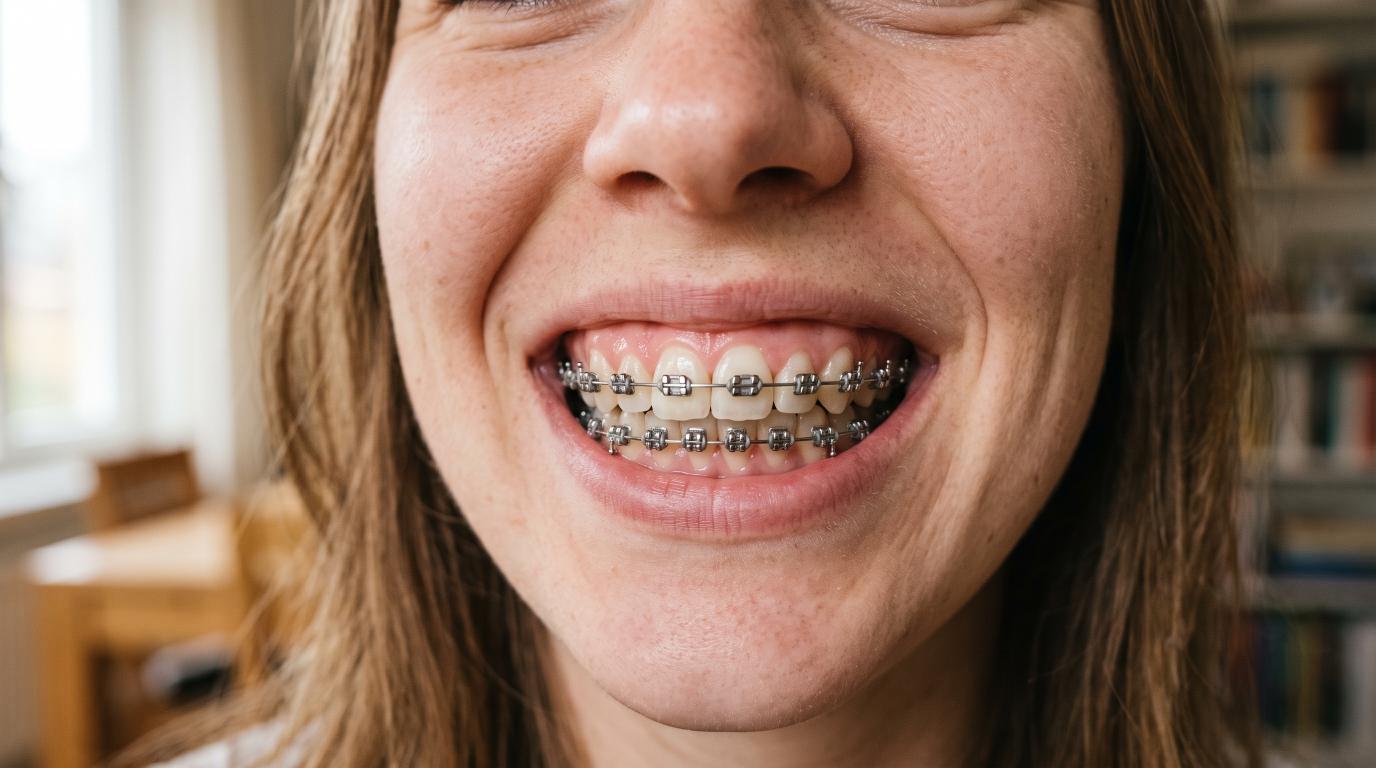
Minor discomfort and food getting stuck are common during braces treatment. Knowing how to respond can make these situations easier.
Soreness After an Adjustment
Teeth may feel tender after braces are first placed or after an adjustment. Soft foods can make chewing easier while your mouth adjusts. Follow any comfort instructions given by your orthodontist. The soreness usually improves as your teeth become used to the new pressure.
Food Stuck Around Brackets
Rinse with water first. You can then use a toothbrush, floss, or an interdental brush to gently remove the trapped food. Avoid using sharp objects such as needles, pins, or other tools that could hurt your gums or damage your braces.
Irritation From Wires or Brackets
The inside of your cheeks or lips may sometimes rub against braces. Orthodontic wax can create a smoother surface over the irritating bracket or wire. If the area continues to hurt or a wire appears out of place, contact your orthodontist.
How to Brush Teeth With Braces Properly
To brush teeth with braces properly, use a soft-bristled toothbrush and fluoride toothpaste to clean above, below, and around each bracket. Gentle brushing helps remove plaque without putting unnecessary pressure on the wires.
Follow these steps:
- Clean along the gumline: Hold your toothbrush at a slight angle toward the gums and gently brush where the teeth meet the gum tissue.
- Brush around the brackets: Angle the toothbrush above and below each bracket to remove trapped food and plaque.
- Clean all tooth surfaces: Brush the front, back, and chewing surfaces of your teeth, including areas without brackets.
- Clean between brackets: Use an interdental brush to reach spaces that your toothbrush cannot clean effectively.
- Check your teeth: Look in a mirror for remaining food particles or plaque around the brackets.
Spend at least two minutes brushing and take additional time when necessary. Replace your toothbrush when the bristles become worn or frayed.
Dental and Orthodontic Visits During Braces Treatment
Seeing an orthodontist does not replace your normal dental care. Your orthodontist focuses on tooth movement and the braces. Your dentist continues to watch for cavities, gum problems, enamel changes, and other oral health concerns.
Keep Your Scheduled Orthodontic Appointments
Orthodontic visits allow your provider to check your progress and make needed adjustments. Missing appointments can interfere with the planned treatment schedule. Tell your orthodontist if you have concerns about pain, broken appliances, elastics, or changes in your bite.
Continue Regular Dental Checkups and Cleanings
Continue seeing your regular dentist throughout orthodontic treatment. Professional dental cleanings can remove deposits that are difficult to clean at home. Your dentist can also check areas around brackets for early signs of decay or gum problems. Your dentist will tell you how often you should visit based on your oral health.
When to Contact Your Orthodontist
Contact your orthodontist if:
- A bracket becomes loose
- A wire breaks or bends
- A wire is causing ongoing pain
- Part of the appliance comes off
- Your braces are damaged
- You are unsure how to handle an orthodontic problem
For tooth pain, gum concerns, cavities, or general dental problems, your regular dentist may also need to examine you.
Braces Care Tips for School, Work, and Travel
Braces still need attention when you are away from home. Pack a small braces care kit so you are never caught without what you need: a travel toothbrush and fluoride toothpaste, dental floss or orthodontic flossers, an interdental brush, orthodontic wax, and a small mirror.
Keep the kit somewhere easy to reach, like a bag or desk drawer, rather than packed away in checked luggage. If you cannot brush after lunch, rinse your mouth well with water to loosen trapped food and check your braces in the mirror before heading back to class, work, or social plans.
Signs You May Not Be Caring for Your Braces Properly
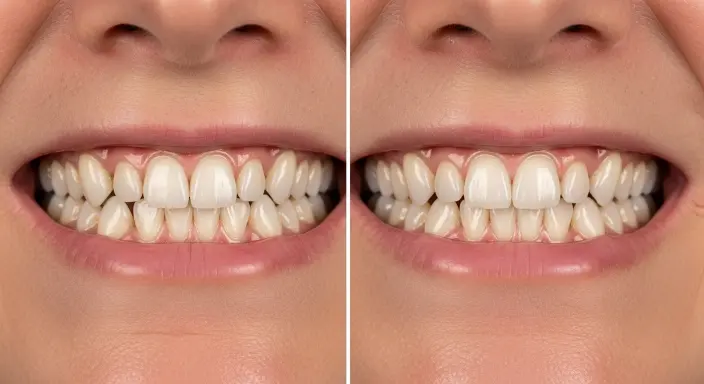
Visible plaque, swollen gums, persistent bad breath, and white spots around brackets may indicate that your braces-care routine needs improvement. These changes can develop when food particles and plaque are not removed effectively, although some symptoms may have other causes.
Common warning signs include:
- Plaque buildup around brackets: Sticky or visible deposits may indicate that certain tooth surfaces are being missed during brushing. Clean carefully above, below, and around each bracket.
- Swollen or bleeding gums: Redness, swelling, or bleeding may result from plaque buildup along the gumline. Persistent symptoms should be evaluated by a dentist.
- Persistent bad breath: Trapped food, plaque, or gum inflammation can contribute to ongoing bad breath. Cleaning between teeth and around brackets may help reduce the problem.
- White spots on teeth: Chalky white marks near brackets may indicate early enamel mineral loss. These areas should be examined because they can represent early changes associated with tooth decay.
If these signs continue despite regular cleaning, schedule a dental examination. The dental team can assess your oral health and recommend improvements to your cleaning routine.
Conclusion
Knowing how to care for dental braces involves consistent brushing, daily flossing, appropriate cleaning tools, and avoiding habits that could damage orthodontic appliances. Maintaining good oral hygiene helps reduce plaque buildup, gum inflammation, and the risk of enamel changes during treatment.
Regular dental checkups and scheduled orthodontic appointments are also important for monitoring your oral health and treatment progress. Following a consistent care routine can help protect your teeth, gums, brackets, and wires throughout orthodontic treatment.
Keep Your Teeth Healthy While Wearing Braces
Good braces care involves more than cleaning around brackets and wires. Regular dental examinations help identify cavities, gum inflammation, and enamel changes that may develop during orthodontic treatment.
At Vista Dorada Dental in Gilbert, AZ, our team provides dental checkups, professional cleanings, and preventive care to help patients maintain healthy teeth and gums while wearing braces. Contact Vista Dorada Dental today to schedule your next dental checkup and receive personalized guidance on maintaining your oral health during orthodontic treatment.
Frequently Asked Questions
How often should I brush my teeth with braces?
Brush at least as often as your dentist or orthodontist recommends, and many people with braces benefit from brushing after meals. The goal is to prevent food and plaque from sitting around brackets for long periods. If you cannot brush after eating, rinse well with water and brush when you are able.
Can I use an electric toothbrush with braces?
Yes, an electric toothbrush can generally be used with braces. Use gentle pressure and make sure the brush reaches above, below, and around each bracket. Your dentist or orthodontist can recommend the best brush head and technique for your appliance.
How do I floss properly with braces?
Guide floss underneath the orthodontic wire with a floss threader or use a product designed for braces. Move the floss gently between the teeth and along both sides of each tooth. An interdental brush or water flosser may also help with hard-to-reach areas.
Can I use a water flosser with braces?
Yes. A water flosser can be useful for cleaning around brackets and wires. It can help remove food from areas that are difficult to reach. However, follow your dental provider’s advice about whether it should replace or be used along with other forms of interdental cleaning.
What foods should I avoid with braces?
Avoid foods that are very hard, sticky, chewy, or likely to damage your braces. Common examples include hard candy, sticky caramel, chewing ice, and very hard crunchy foods. Cut firm fruits and vegetables into smaller pieces instead of biting directly into them.
How often should I visit the dentist with braces?
Continue your regular dental visits while you have braces. The exact schedule depends on your oral health and your dentist’s recommendations. These visits are important because your dentist checks for cavities, gum problems, plaque buildup, and enamel changes.
What should I do if a bracket or wire breaks?
Contact your orthodontist and explain what happened. Do not pull off a loose bracket or make major changes to a wire yourself. If a sharp area is rubbing your cheek, orthodontic wax may provide temporary comfort until you receive professional advice.