







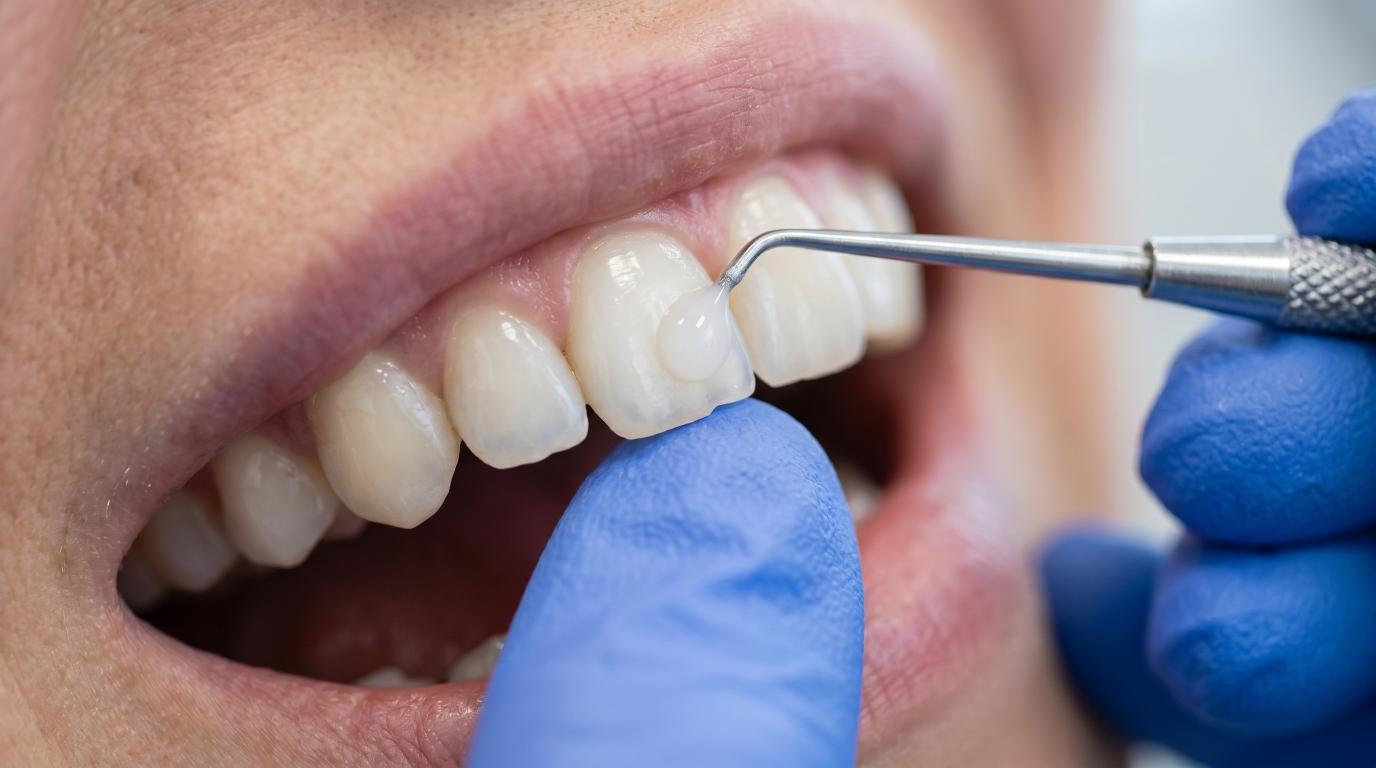


The fastest way to heal swollen gums is to remove plaque or trapped food, keep the area clean, and treat the underlying cause. Brush gently with a soft-bristled toothbrush, clean between your teeth, and rinse with warm salt water. A cold compress can also reduce temporary pain and puffiness.
Mild swelling caused by irritation or early gingivitis may start improving within a few days. However, home care cannot remove hardened tartar or cure an infected tooth, dental abscess, or advanced gum disease. In these cases, professional dental treatment is the fastest way to achieve lasting relief.
If your gums remain swollen for more than a few days, keep getting worse, or become painful, schedule a dental examination. Pus, fever, or rapidly spreading swelling may indicate an infection that needs urgent dental care. Difficulty breathing or swallowing requires emergency medical attention.
How to Relieve Swollen Gums at Home
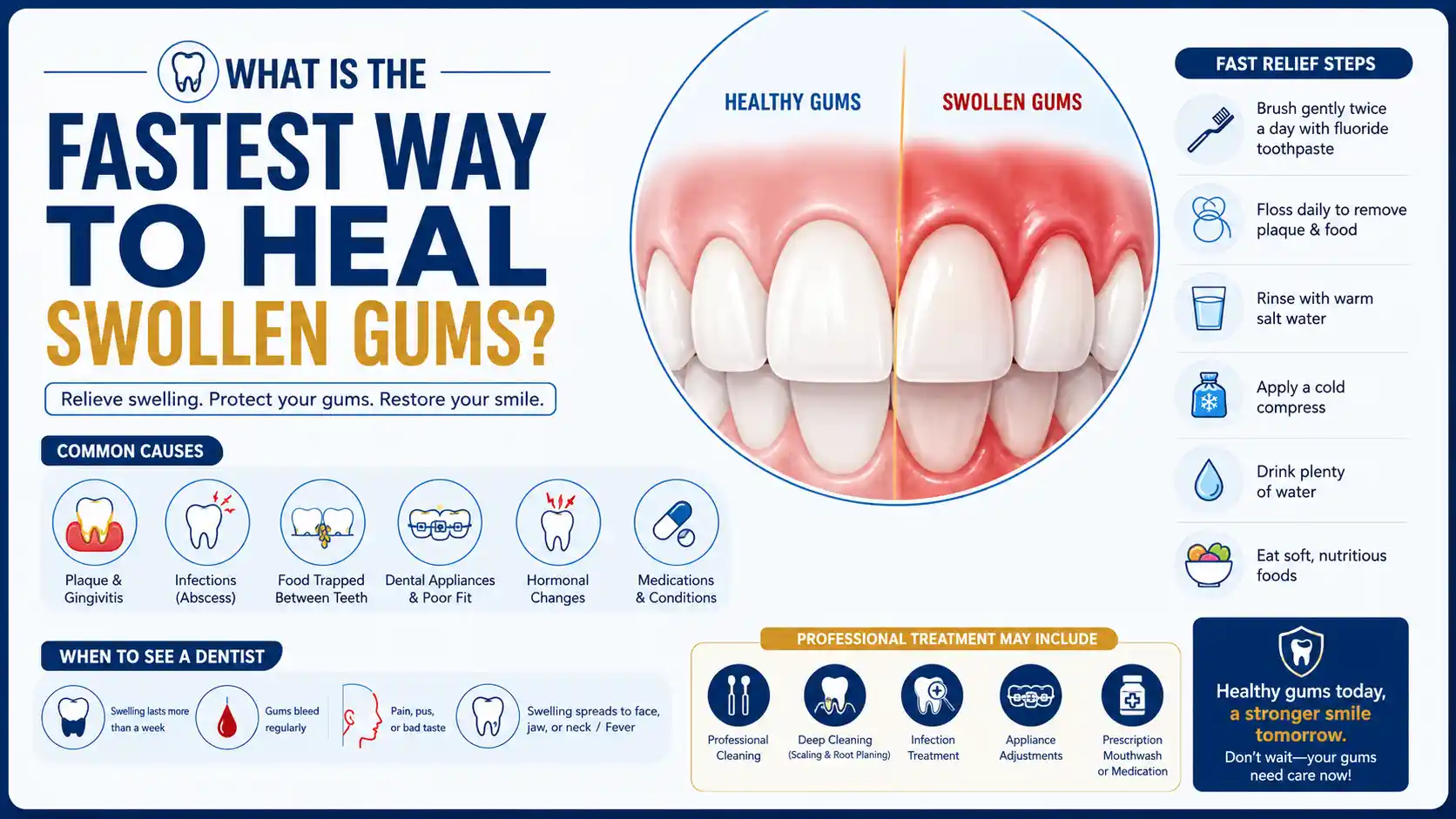
The fastest way to reduce swollen gums depends on the cause. If swelling comes from mild irritation or trapped food, gentle cleaning and saltwater rinses may provide temporary relief. However, swelling caused by gum disease or infection may require professional treatment.
Follow these steps to manage mild gum swelling at home:
- Brush gently: Use a soft-bristled toothbrush and fluoride toothpaste twice daily. Avoid scrubbing swollen areas because excessive pressure can make irritation worse.
- Clean between your teeth: Carefully remove trapped food with floss or an appropriate interdental cleaner. Do not force tools beneath the gums or use sharp objects.
- Rinse with warm salt water: Mix half a teaspoon of salt into a glass of warm water. Swish gently and spit it out. This may temporarily soothe irritated gums but cannot cure an infection.
- Apply a cold compress: Hold a cold compress wrapped in a cloth against the outside of your cheek for 10 to 15 minutes to help relieve swelling-related discomfort.
- Avoid additional irritation: Limit tobacco, alcohol, and foods that aggravate your gums. Avoid mouthwashes that cause burning or dryness.
Do not apply undiluted hydrogen peroxide, concentrated essential oils, crushed painkillers, or other harsh substances directly to swollen gums. Never attempt to puncture or drain a swollen bump at home because it may be connected to a dental abscess. Home care may help mild irritation, but it cannot remove hardened tartar or treat every dental infection. Seek a dental examination if swelling persists, worsens, or returns. Suspected infections need prompt professional attention.
When to See a Dentist for Swollen Gums
Book a dental appointment if the swelling lasts more than several days, keeps returning, or does not improve with home care. Regular bleeding, ongoing bad breath, pain when chewing, or gums that pull away from the teeth also need professional attention.
You should also see a dentist if one area of the gum is much larger than the others, a tooth feels loose, or you notice pus or a bad taste. Irritation caused by dentures, braces, or another dental appliance should also be checked.
People with diabetes, weakened immunity, or other conditions that affect healing should not delay care. These conditions can increase the risk of gum problems becoming more serious.
Warning Signs That Need Urgent Dental Care
Seek urgent dental or medical care if the swelling increases quickly or spreads to the cheek, jaw, neck, or area near the eye. Fever, severe pain, difficulty opening the mouth, or feeling weak and seriously unwell may indicate that an infection is spreading.
Difficulty breathing, swallowing, or speaking is a medical emergency. Go to an emergency department or contact your local emergency service immediately.
Professional Treatments for Swollen Gums
A dentist will examine your gums, teeth, bite, dental work, and oral appliances. Dental X-rays may also be needed if the dentist suspects an infection, damaged tooth, or bone loss. The recommended treatment will depend on the cause and severity of the swelling.
Professional Dental Cleaning
A routine dental cleaning removes plaque and tartar from areas that are difficult to clean at home. This may be enough when gingivitis is present but the deeper tissues and bone around the teeth are still healthy. Daily brushing and cleaning between the teeth are still important after the appointment. Without consistent home care, plaque can begin collecting along the gum line again.
Deep Cleaning for Gum Disease
Scaling and root planing is a deeper cleaning used to treat Periodontitis. Scaling removes plaque and tartar from above and below the gum line. Root planing smooths the tooth roots so the gums can begin healing and fitting more closely around the teeth. The treatment may require more than one appointment. A local anesthetic may be used to keep the area comfortable. Advanced gum disease may also require medication, further periodontal treatment, or surgery.
Treatment for Tooth or Gum Infections
A tooth or gum infection requires treatment based on its cause and severity. A dental abscess may need drainage, root canal treatment, periodontal care, or tooth extraction. These procedures help address the source of infection rather than providing temporary relief alone.
According to the American Dental Association’s guidelines on dental infections, antibiotics are not necessary for many localized dental infections when appropriate dental treatment is available. They may be prescribed when an infection causes systemic symptoms, such as fever, or in other situations determined by the treating clinician. If you experience pus, increasing swelling, or significant dental pain, seek prompt dental care. Never take leftover antibiotics or attempt to drain an abscess at home. Difficulty breathing or swallowing requires emergency medical attention.
Adjustments to Braces, Dentures, or Dental Appliances
A dentist or orthodontist can smooth a rough area, repair a damaged appliance, adjust a wire, or improve the fit of dentures. These changes can reduce pressure and allow irritated gums to heal. The dental team can also show you how to clean properly around braces, bridges, implants, retainers, and removable appliances.
Prescription Mouthwash or Medication
A dentist may prescribe an antimicrobial mouthwash or another medicine based on the cause of the swelling. Follow the instructions carefully because some prescription rinses are intended for short-term use. Certain rinses may cause temporary staining, taste changes, or other side effects. If a medication appears to be affecting your gums, our dental team may recommend discussing suitable alternatives with your prescribing healthcare professional. Do not change prescribed medication without medical guidance.
What Causes Swollen Gums?
Swollen gums are a symptom, not a single condition. Treatment depends on what is causing the inflammation.
Plaque Buildup and Gingivitis
Plaque is a sticky film of bacteria that forms on the teeth. When plaque remains along the gum line, it irritates the surrounding tissue. This can cause gingivitis, the earliest form of gum disease. Gingivitis may cause redness, swelling, bleeding, and bad breath. It is usually reversible when treated early. Professional cleaning, regular brushing, and daily cleaning between the teeth can help restore gum health. If plaque is not removed, it can harden into tartar. Tartar cannot be brushed away at home. It gives more plaque a rough surface to collect on and can make gum inflammation harder to control.
Gum Disease and Dental Infections
Untreated gingivitis can progress to Periodontitis. This advanced form of gum disease affects the tissues and bone that support the teeth. As the condition progresses, spaces called periodontal pockets can form between the teeth and gums. Bacteria and plaque can collect inside these pockets. Without treatment, the gums may recede, teeth may loosen, and supporting bone may be lost. A dental abscess can also make the gum swell. An abscess is a pocket of infection that may develop because of tooth decay, gum disease, or a cracked tooth. Symptoms may include pain, redness, swelling, fever, pus, or a bad taste. An abscess needs professional treatment and will not heal through salt water or brushing alone.
Food Trapped Between the Teeth and Gums
A small piece of food can become stuck between two teeth or under the gum line. Popcorn hulls, meat fibers, seeds, and other small particles are common examples. The trapped material may press against the gum and cause swelling in one specific area. Gentle flossing may remove it. An interdental brush or low-pressure oral irrigator may also help remove trapped food when used gently.
Do not dig into the gum with pins, toothpicks, fingernails, or other sharp objects. This can push the material deeper, damage the gum, or introduce bacteria. If the swelling remains after careful cleaning, schedule a dental examination. The problem may involve decay, a damaged filling, gum disease, or an infection rather than trapped food.
Aggressive Brushing or Flossing
More pressure does not produce cleaner teeth. Scrubbing the gum line can injure the tissue and make it sore, swollen, or more likely to bleed. Floss can also cause injury when it is forced between the teeth and snapped into the gums. Guide it down slowly, curve it around the side of each tooth, and move it gently below the gum line. Use a soft-bristled toothbrush. Place the bristles at an angle toward the gum line and use short, gentle movements. The ADA recommends brushing all outer, inner, and chewing surfaces rather than using hard pressure in one area.
Braces, Dentures, and Other Oral Appliances
Braces can make plaque removal more difficult. Food and bacteria may collect around brackets, wires, and the gum line. This can lead to puffy gums even when the braces themselves are not causing an injury. Dentures, retainers, mouth guards, and other appliances can irritate the gums if they are dirty, damaged, or poorly fitted. A sore area may develop where an appliance rubs against the tissue. Clean appliances according to professional instructions. Do not attempt to bend wires or reshape dentures yourself. A dentist or orthodontist can check the fit and make safe adjustments.
Dry Mouth and Dehydration
Saliva washes away food particles, helps control acids, and protects the tissues inside your mouth. When your mouth stays dry, plaque may build up more easily. Dry mouth can develop because of dehydration, certain medicines, tobacco use, health conditions, or treatments such as radiation therapy. Drinking water may provide temporary relief. Sugar-free gum may also help some people produce more saliva. Persistent dry mouth should be discussed with a dentist or doctor. Do not stop a prescribed medicine because you think it is causing dry mouth or swollen gums.
Medication and Medical Conditions
Certain medications and health conditions can contribute to gum swelling. Some blood pressure medications, seizure medications, and immunosuppressants may cause gum tissue to enlarge. Other medicines can reduce saliva production, making it harder to maintain a healthy oral environment. Medical conditions such as diabetes and certain infections may also affect gum health. Hormonal changes during pregnancy can make the gums more sensitive to plaque and increase the likelihood of inflammation.
According to MedlinePlus, swollen gums may be associated with medication side effects, infections, hormonal changes, and poorly fitting dental appliances. If you notice gum swelling after starting a medication or experience recurring inflammation, inform the dental team and your healthcare provider. Do not stop taking or change a prescribed medication without medical guidance.
Swollen Gums From Irritation vs. Infection: How to Tell the Difference
Swollen gums can result from temporary irritation, gum inflammation, or a dental infection. Mild irritation may improve after removing the cause, while an infection can require professional treatment. Although symptoms sometimes overlap, certain warning signs can help you understand when dental care may be needed.
|
Feature |
Mild Gum Irritation |
Possible Gum Infection |
|
Common causes |
Trapped food, aggressive brushing, or poorly fitting dental appliances | Dental abscess, infected periodontal pockets, or tooth infection |
| Swelling | Often limited to an irritated area |
May be localized, persistent, or spread to nearby tissues |
|
Pain |
Mild tenderness or soreness | May cause throbbing pain, pressure, or significant discomfort |
| Other symptoms | Redness or temporary bleeding |
Possible pus, bad taste, fever, or facial swelling |
|
Treatment |
Gentle cleaning and removing the source of irritation may help | Professional dental evaluation and treatment of the infection source |
| When to seek care | If swelling persists, worsens, or keeps returning |
Seek prompt dental care, especially with pus, worsening pain, or fever |
Symptoms alone cannot confirm whether swelling comes from irritation or infection. Some infections cause little pain, while noninfectious gum inflammation can also produce redness and bleeding. If you suspect an infection, arrange a prompt dental examination rather than relying on home remedies. Seek emergency medical care if swelling causes difficulty breathing or swallowing.
How Long Do Swollen Gums Take to Heal?
Swollen gums may begin improving within a few days when the cause is mild irritation, trapped food, or aggressive brushing. However, healing time varies depending on the underlying condition, and some causes require professional dental treatment.
- Mild gum irritation: Swelling from trapped food or harsh brushing may start improving within a few days once the source of irritation is removed.
- Gingivitis: Gum inflammation caused by plaque may improve over one to two weeks with professional cleaning and consistent oral hygiene, although recovery times vary.
- Poorly fitting dental appliances: Swelling may continue until the denture, brace, or other appliance is properly adjusted.
- Dental infections: An abscess generally requires professional treatment. Home remedies may ease discomfort but cannot reliably eliminate the infection.
- Advanced gum disease: Periodontitis may require deep cleaning, ongoing maintenance, or additional periodontal treatment rather than a short recovery period.
If swelling does not begin improving after several days, continues returning, or becomes worse, arrange a dental examination. Seek prompt dental care for persistent pain, pus, fever, or swelling around one tooth. Rapidly spreading facial swelling or difficulty breathing or swallowing requires emergency medical attention. The fastest way to heal swollen gums is to identify and treat the cause rather than relying only on temporary symptom relief.
How to Prevent Swollen Gums From Returning
Preventing recurring gum swelling starts with consistent oral hygiene and managing conditions that affect your gums. Although not every cause is preventable, these habits can reduce plaque buildup and help maintain healthier gum tissue.
- Brush and floss daily: Brush twice a day using fluoride toothpaste and a soft-bristled toothbrush. Clean between your teeth once daily to remove plaque and trapped food.
- Schedule regular dental visits: Professional cleanings remove hardened tartar that brushing cannot eliminate. The dental team can recommend a checkup schedule based on your oral health needs.
- Stay hydrated: Drink water throughout the day to support saliva production. If you frequently experience dry mouth, discuss possible causes with the dental team.
- Maintain a balanced diet: Eat nutritious foods and limit frequent sugary snacks and drinks. A healthy diet supports oral health but does not replace proper cleaning or dental treatment.
- Replace worn toothbrushes: Change your toothbrush or brush head every three to four months, or sooner if the bristles become worn or frayed.
- Manage medical risk factors: Conditions such as diabetes, hormonal changes, and certain medication side effects may affect gum health. Share relevant health information and medication changes with the dental team.
If gum swelling continues to return despite good oral hygiene, schedule an examination. Recurring inflammation may indicate gum disease, an appliance-related problem, or another condition that requires professional care.
Get Help for Swollen Gums in Gilbert, AZ
If your swollen gums are painful, keep returning, or do not improve with home care, schedule a dental visit with Vista Dorada Dental in Gilbert, Arizona. Our dental team can identify the cause, treat gum inflammation, and help protect your smile from more serious problems. Visit us at 4902 S Val Vista Drive, Suite 107, Gilbert, AZ 85298, or book your appointment today.
Conclusion
The fastest way to heal swollen gums depends on what is causing the swelling. Gentle brushing, careful flossing, and warm saltwater rinses may provide temporary relief when irritation is mild. However, gum disease, dental abscesses, and other infections may require professional treatment.
Pay attention to swelling that persists, worsens, or returns. If you notice severe pain, pus, fever, or spreading swelling, seek prompt dental care. Identifying and treating the underlying cause is the safest way to support gum healing and prevent further complications.
Frequently Asked Questions
Can Swollen Gums Heal on Their Own?
Mild swelling from trapped food or temporary irritation may improve with gentle cleaning. If swelling lasts more than a few days, worsens, or keeps returning, schedule a dental examination. Suspected infections require prompt care.
Can Swollen Gums Go Away Overnight?
You may notice less discomfort after gentle cleaning, a saltwater rinse, or a cold compress. Complete healing overnight is unlikely when plaque, tartar, gum disease, or infection is involved. Home care may ease symptoms, but professional treatment may still be needed.
What Is the Fastest Way to Heal a Gum Infection?
The fastest safe treatment is a dental examination followed by treatment of the infection source. Depending on the cause, this may involve deep cleaning, drainage, root canal treatment, tooth removal, or antibiotics. Do not try to drain an infection at home.
Is Salt Water Good for Swollen Gums?
Warm salt water may soothe sore gums and clean the area temporarily. Mix half a teaspoon of salt into a glass of warm water, rinse gently, and spit it out. Do not swallow it. Salt water cannot remove tartar or cure a dental abscess.
Should I Brush My Teeth When My Gums Are Swollen?
Yes. Use a soft-bristled toothbrush and gentle pressure. Avoiding the swollen area may allow more plaque to build up. Stop scrubbing if the tissue becomes more painful, and ask a dentist for advice if regular brushing causes heavy bleeding.
Does Mouthwash Help Swollen Gums?
Certain therapeutic mouthwashes may help reduce plaque and gingivitis, but they cannot replace brushing and interdental cleaning. Choose a suitable rinse based on dental advice and stop using it if irritation worsens.
Why Is My Gum Swollen Around One Tooth?
Possible causes include trapped food, decay, a cracked tooth, a damaged filling, an abscess, gum disease, or inflammation around a wisdom tooth. Clean the area gently, but arrange a dental appointment if the swelling is painful, returns, or produces pus.
Are Swollen Gums a Sign of Gum Disease?
They can be. Gingivitis often causes gums to become red, swollen, tender, or easy to bleed. However, swelling may also result from trapped food, dental infection, hormones, appliances, medicine, or another health condition.
When Are Swollen Gums an Emergency?
Seek emergency care if swelling spreads into the face, eye area, jaw, or neck, or if it affects breathing, swallowing, or speaking. Rapidly increasing swelling, severe pain, fever, confusion, and difficulty opening the mouth also require urgent attention.