





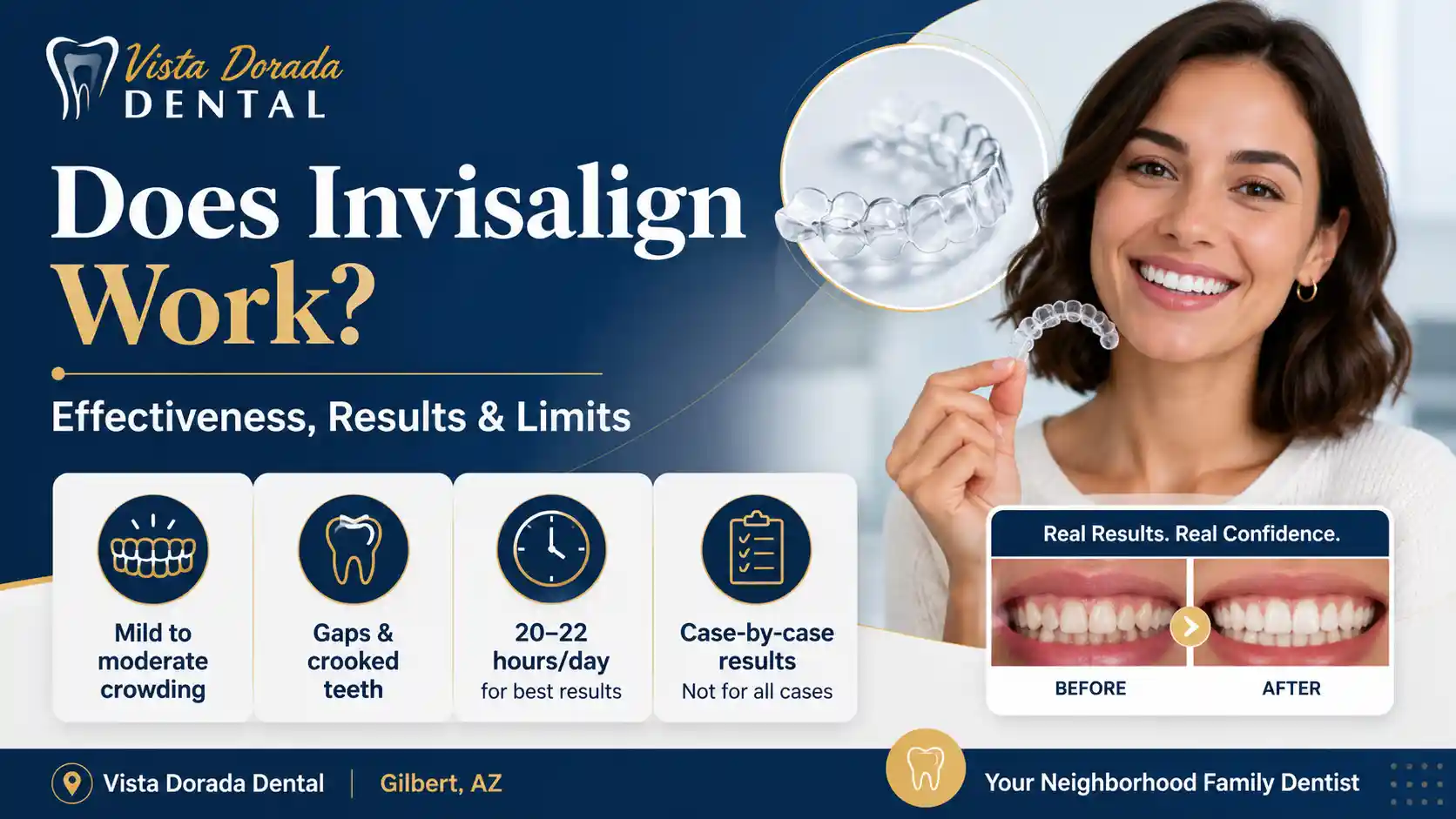
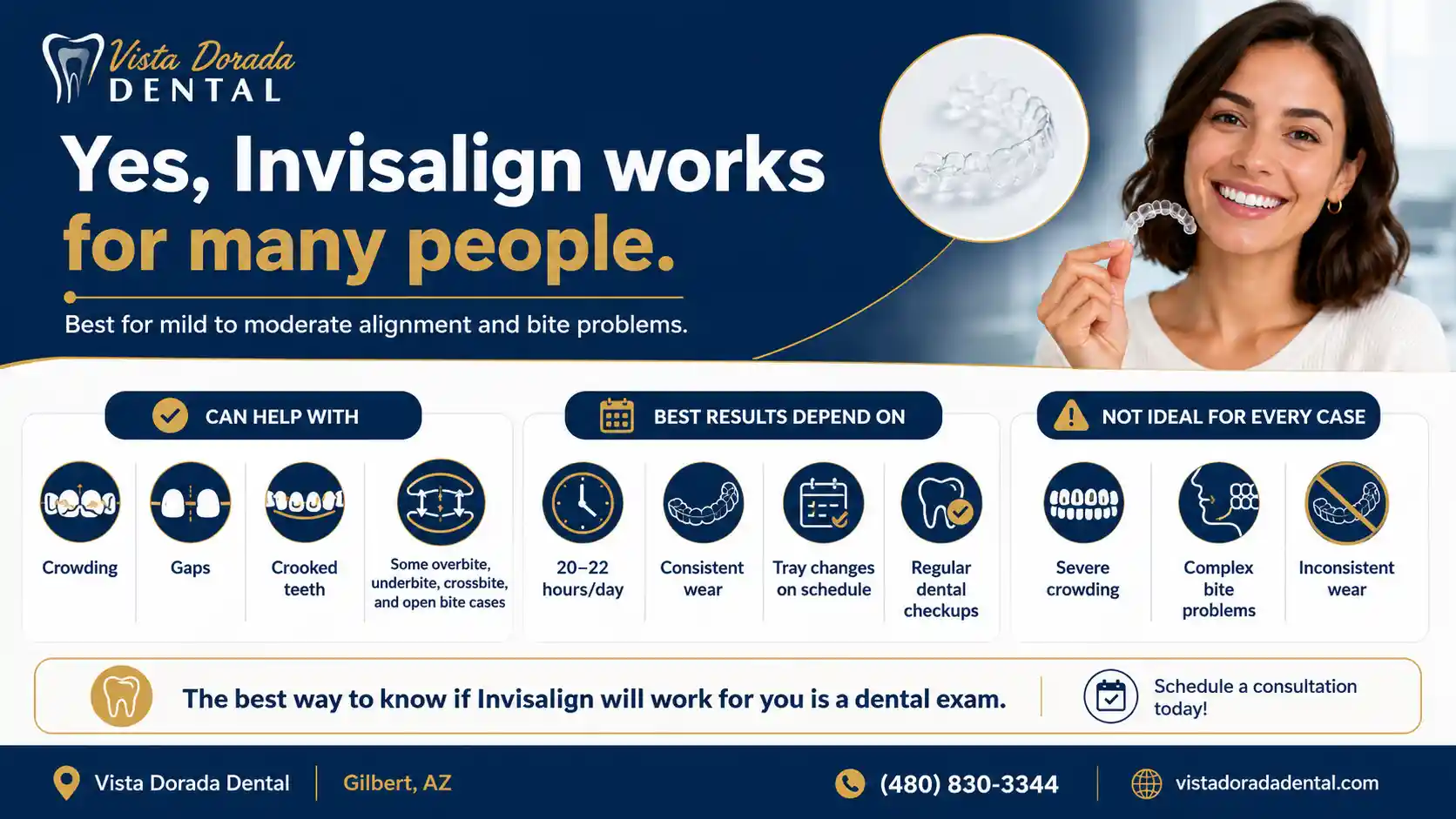
Yes, Invisalign does work for many people. It can help correct mild to moderate crowding, gaps, crooked teeth, and certain overbite, underbite, crossbite, and open-bite problems. The custom clear aligners apply controlled pressure to gradually move teeth into better positions.
How effective Invisalign is depends on the complexity of the dental problem, the accuracy of the treatment plan, and how consistently the aligners are worn. Patients are typically instructed to wear them for 20 to 22 hours each day. Removing them too often, changing trays incorrectly, or missing appointments can delay progress and affect the final result.
At Vista Dorada Dental in Gilbert, AZ, patients can receive a personalized evaluation to determine whether clear aligners are suitable for their teeth and bite. There is no single Invisalign success rate that applies to everyone, so this guide explains how Invisalign works, what it can correct, what affects its effectiveness, and how to determine whether it may work for you.
Does Invisalign Work?
Yes, Invisalign does work when it is used for a suitable orthodontic problem and worn as directed. Clear aligners can produce meaningful improvements in tooth alignment. However, their effectiveness is not the same for every movement or every patient.
Research shows that clear aligner treatment can be effective for mild to moderate crowding. It also shows that some movements, including significant rotation, intrusion, and extrusion, can be less predictable. (PubMed)
This does not mean Invisalign cannot perform difficult movements. Attachments, elastics, refinements, and other techniques can improve control. However, complex cases may require a longer plan or a different orthodontic approach.
How Effective Is Invisalign?
Invisalign can be highly effective for the right patient, but effectiveness must be judged according to the condition being treated. Straightening mildly crooked teeth is different from correcting a severe bite problem. A person with small gaps may have a simpler and more predictable plan than someone who needs several teeth rotated or moved vertically.
In general, Invisalign tends to be more predictable for:
- Mild to moderate crowding
- Small or moderate spaces between teeth
- Mildly crooked or tilted teeth
- Relapse after previous orthodontic treatment
- Selected overbite, underbite, crossbite, and open-bite cases
It may be less predictable when treatment requires:
- Large tooth rotations
- Significant vertical movement
- Major changes in tooth root position
- Severe crowding
- Complex bite correction
- Major jaw-position changes
A systematic review found that clear aligners can resolve mild to moderate crowding, but the predictability of individual movements varies. Tipping movements were generally more predictable than rotation, intrusion, and extrusion.
What Is Invisalign? Understanding Clear Aligner Treatment
Invisalign is a clear aligner system used to straighten teeth without metal braces. Instead of wires and brackets, you wear a set of see-through plastic trays that fit over your teeth like a thin mouthguard. Each tray is custom made for your mouth. The biggest difference from traditional braces is how it looks and feels. Braces are fixed to your teeth and stay on the whole time. Invisalign aligners come out.
Most people around you will not even notice you are wearing them. Invisalign came out in the late 1990s from a company now called Align Technology. Use computer planning to map tooth movement, then build a series of trays to do it step by step. Since then, more than 20 million people have used it.
How Does Invisalign Work?
Invisalign moves teeth through a biological process called bone remodeling. Your teeth are supported by bone and surrounding tissues. When an aligner applies controlled pressure, the bone and tissues around a tooth gradually adapt. This allows the tooth to move in the planned direction. Treatment usually follows several stages.
Dental Examination and Consultation
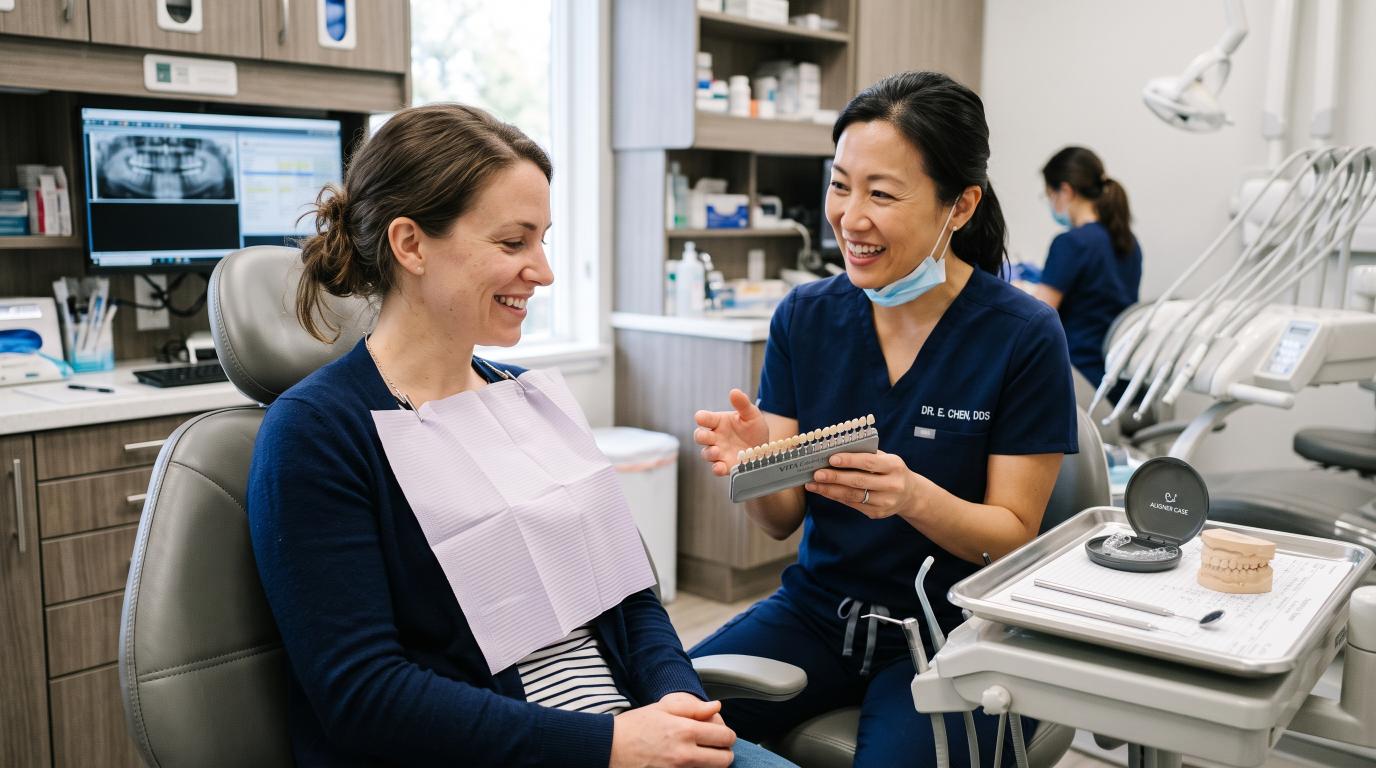
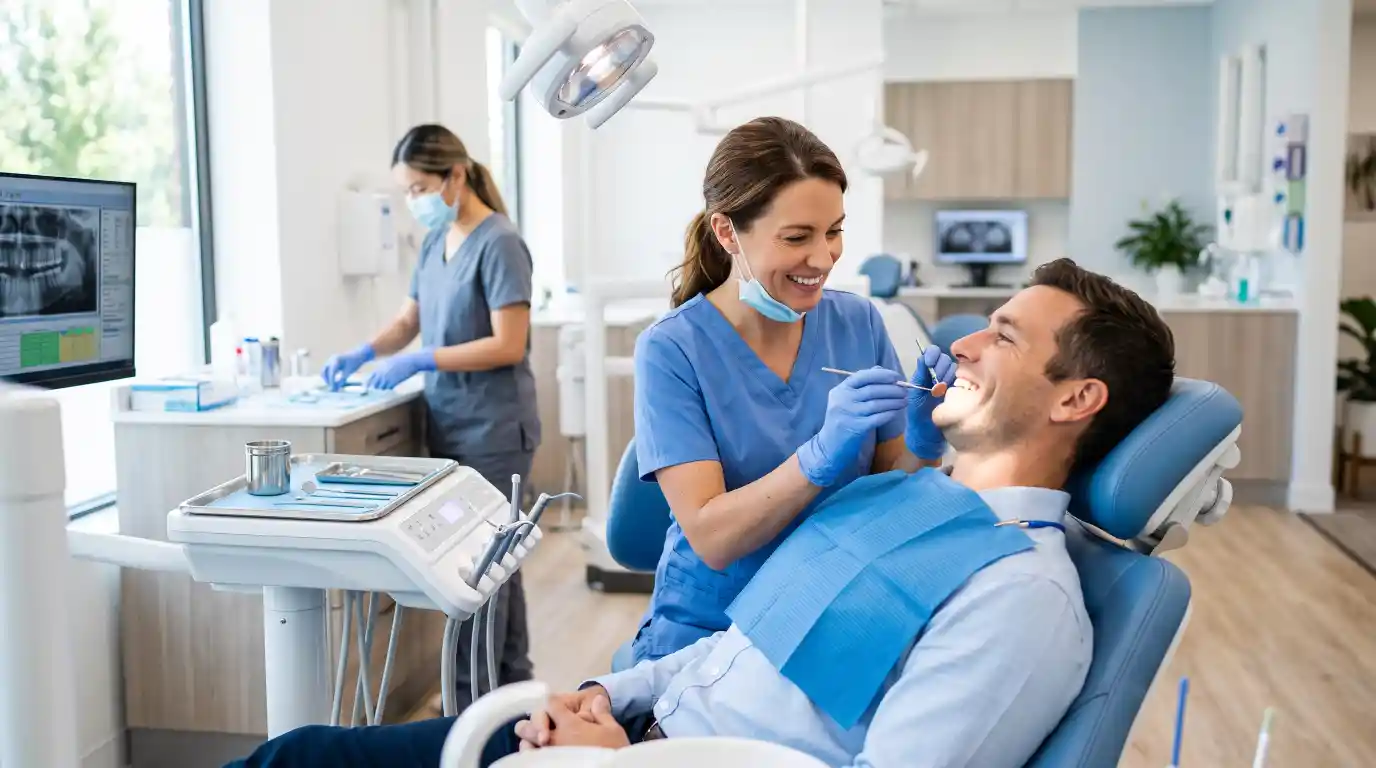
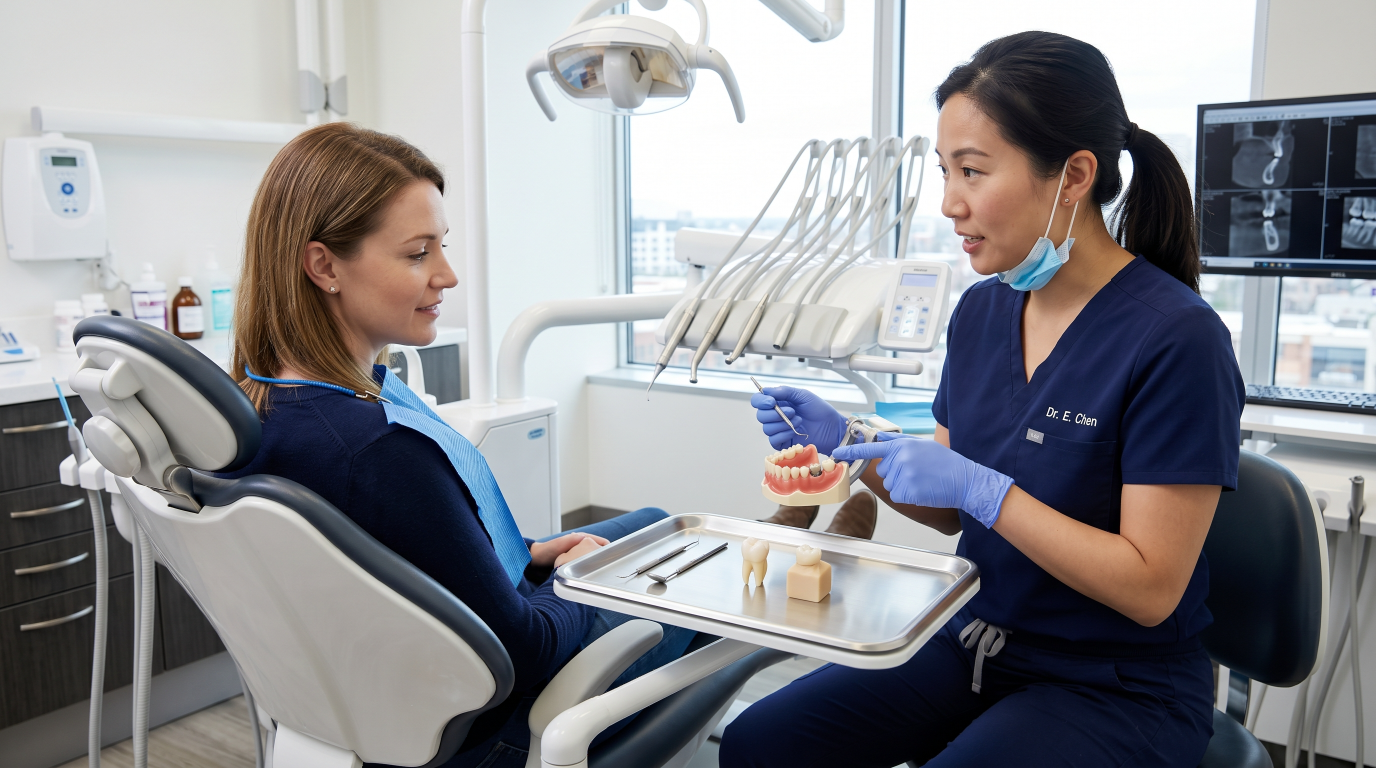
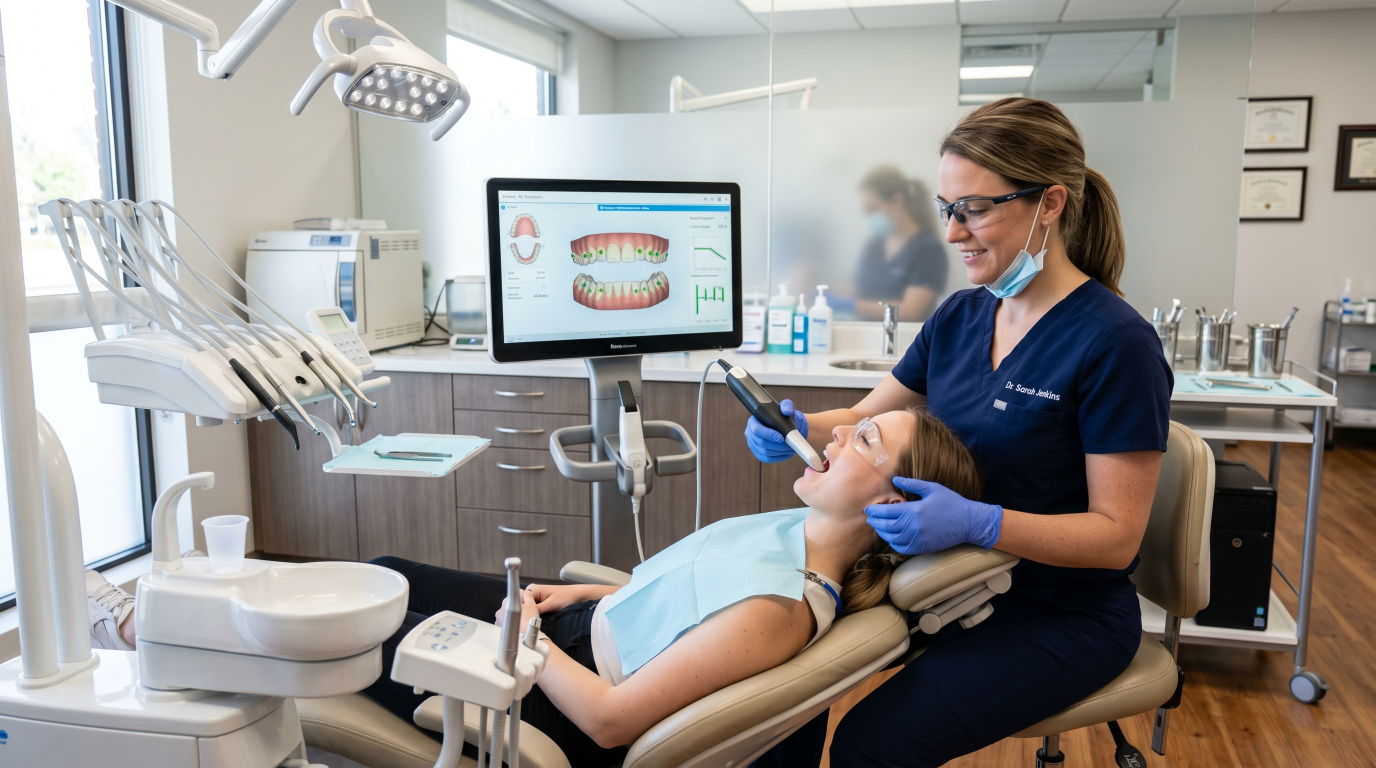
Your dentist first examines your teeth, gums, jaws, and bite. They may also take X-rays, photographs, or other diagnostic records. This examination helps determine whether Invisalign can safely and predictably address your concern. It may also reveal cavities, gum problems, or other conditions that should be treated before orthodontic care begins.
Digital Scan and Treatment Plan
A digital scanner creates a detailed model of your teeth. Your dentist uses this model to plan the direction and approximate amount of movement needed. The digital preview can help you understand the proposed outcome. However, it is a treatment simulation rather than a guaranteed picture of the final result. Teeth do not always move exactly as predicted.
Custom Aligners
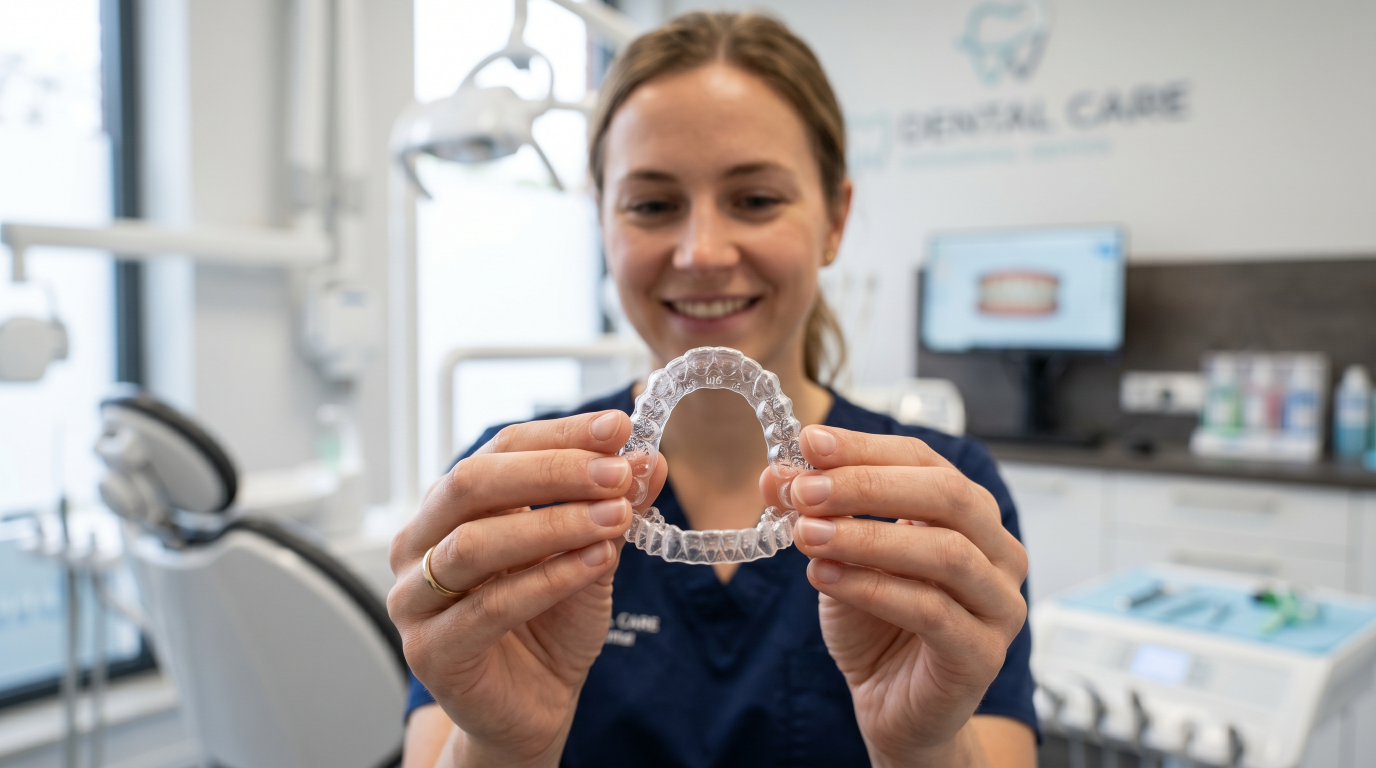
A series of aligners is made according to the treatment plan. Each tray is shaped to apply pressure to selected teeth. You normally wear each set for the period prescribed by your dentist before moving to the next set. The schedule may vary based on your treatment plan and how well your teeth are tracking.
Progress Appointments
You will return for regular appointments so your dentist can check your progress. They will make sure the trays still fit and that the teeth are moving in the intended direction. When a tooth does not follow the plan, your provider may adjust the treatment or order additional aligners.
Retainers After Treatment
After the active aligner phase ends, you will need a retainer. Retainers help hold the teeth in their new positions while the surrounding bone and tissues stabilize. Long-term retainer wear is important because teeth can continue to shift throughout life. (American Association of Orthodontists)
Does Invisalign Work?
Yes, Invisalign does work when it is used for a suitable orthodontic problem and worn as directed. Clear aligners can produce meaningful improvements in tooth alignment. However, their effectiveness is not the same for every movement or every patient.
Research shows that clear aligner treatment can be effective for mild to moderate crowding. It also shows that some movements, including significant rotation, intrusion, and extrusion, can be less predictable.
This does not mean Invisalign cannot perform difficult movements. Attachments, elastics, refinements, and other techniques can improve control. However, complex cases may require a longer plan or a different orthodontic approach.
How Effective Is Invisalign?
Invisalign can be highly effective for the right patient, but effectiveness must be judged according to the condition being treated.
Straightening mildly crooked teeth is different from correcting a severe bite problem. A person with small gaps may have a simpler and more predictable plan than someone who needs several teeth rotated or moved vertically.
In general, Invisalign tends to be more predictable for:
- Mild to moderate crowding
- Small or moderate spaces between teeth
- Mildly crooked or tilted teeth
- Relapse after previous orthodontic treatment
- Selected overbite, underbite, crossbite, and open-bite cases
It may be less predictable when treatment requires:
- Large tooth rotations
- Significant vertical movement
- Major changes in tooth root position
- Severe crowding
- Complex bite correction
- Major jaw-position changes
A systematic review found that clear aligners can resolve mild to moderate crowding, but the predictability of individual movements varies. Tipping movements were generally more predictable than rotation, intrusion, and extrusion. (PubMed)
What Is the Success Rate of Invisalign?
There is no scientifically accepted Invisalign success rate that applies to every patient or treatment plan. Claims such as “Invisalign has an 80% or 90% success rate” can be misleading. Research studies do not always define success in the same way. One study may measure improvement in overall alignment, while another measures how accurately a particular tooth completed a planned movement.
Movement accuracy is also not the same as treatment failure. A tooth that moves less than predicted may still improve significantly. The dentist may then use additional aligners to complete the movement. For that reason, the likelihood of Invisalign success is better judged through four questions:
- Is the dental problem suitable for clear aligners?
- Is the treatment plan realistic?
- Will the patient wear the aligners consistently?
- Will progress be professionally monitored?
Studies indicate that not every planned tooth movement is fully achieved with the first set of trays. Refinements may be needed to improve the final position. (PubMed)
Does Invisalign Really Work or Is It Just Marketing?
Invisalign is not simply a cosmetic product or a marketing trend. It is an orthodontic treatment that moves teeth through controlled force. Its discreet appearance has helped make it popular, but appearance is not the reason it works. The aligners work because they are designed to apply pressure to specific teeth in a planned sequence.
However, marketing photos can create unrealistic expectations. A digital preview or dramatic before-and-after image does not guarantee that every patient will achieve the same result. Real Invisalign results depend on: The starting position of the teeth, the health of the teeth and gums, the type of movement required, treatment planning and daily wear time
The most reliable prediction comes from an examination, not from an online photo or a general success percentage.
What Are the Benefits of Invisalign?
The main benefits relate to appearance, removability, and daily convenience.
Less Noticeable Appearance
The clear trays are usually less noticeable than metal brackets and wires. Attachments may still be visible at close range, but the overall appearance remains discreet.
Removable for Meals
You take the aligners out when eating. This means you do not have the same food restrictions commonly associated with fixed braces.
The aligners should be stored safely while they are out. Wrapping them in a napkin can make them easy to lose or throw away.
Easier Brushing and Flossing
You can remove the trays and clean your teeth normally. This may make it easier to reach all tooth surfaces compared with brushing around brackets and wires.
Fewer Wire or Bracket Emergencies
Invisalign does not use metal wires or brackets that can break or irritate the cheeks. However, trays can still crack, become damaged, or stop fitting.
Treatment Preview
Digital planning can show the proposed direction of treatment. This can help you understand the goals before starting. Remember that the preview is an estimate. Your biological response and daily wear will affect the actual result.
What Are the Limitations of Invisalign?
Invisalign also comes with responsibilities and limitations.
It Requires Consistent Wear
Removability is helpful, but it also creates the greatest risk. The aligners cannot work while sitting in their case. People who snack often, regularly forget their trays, or dislike wearing them most of the day may find braces easier to manage.
It May Not Suit Every Case
Clear aligners may not provide the most predictable control for every complex bite or tooth movement. An examination is needed before deciding that Invisalign is better than braces.
Attachments May Be Needed
Some patients expect completely smooth, invisible trays. In reality, tooth-colored attachments are often necessary. They help the aligners grip the teeth, but they can make treatment slightly more noticeable.
Refinements May Extend Treatment
Additional trays can add time to the original estimate. This is common enough that patients should understand the possibility before starting.
Trays Can Be Lost or Damaged
Because aligners are removable, they can be misplaced, accidentally discarded, or damaged by heat. Very hot water may change their shape and affect how they fit.
Is Invisalign Painful?
Invisalign can cause pressure and soreness, especially when you begin treatment or switch to a new tray. This discomfort is usually related to the force moving your teeth. It often feels strongest during the first few days of a new aligner and then becomes less noticeable.
Research comparing Invisalign with fixed braces suggests that aligner patients may experience less pain during the first few days. The difference appears to decrease later in treatment. (PubMed) Pain should remain manageable. Contact your dental provider if you experience:
- Severe or worsening pain
- A sharp tray edge cutting your mouth
- A tray that does not fit
- A loose or damaged tooth
- Swelling or signs of infection
- An attachment that has broken off
Do not move to a different tray without instructions when the current aligner causes unusual pain or does not fit.
What Happens After Invisalign?
After your final trays, your dentist will evaluate the alignment and bite. If the planned result has not been fully achieved, you may need refinement aligners. Once active treatment is complete, you will receive a retainer. The retainer may look similar to a clear aligner, but it serves a different purpose.
Aligners move teeth. Retainers hold them in place. Your dentist may initially recommend more frequent retainer wear and later reduce it to nighttime use. The exact schedule depends on your case. (American Association of Orthodontists)
Does Invisalign Work Permanently?
Invisalign results can last long term, but they are not automatically permanent. Teeth can move after any orthodontic treatment. The surrounding tissues need time to adjust, and natural shifting can continue as you age.
Wearing your retainer as directed is the best way to protect your result. Skipping it can allow gaps, crowding, or bite changes to return. Retainers may also wear out or stop fitting over time. Bring yours to dental appointments and replace it when your provider recommends. (American Association of Orthodontists)
The Science Behind Invisalign: How Clear Aligners Move Teeth
Teeth are not stuck in your jaw like nails in wood. They sit in bone, held by soft tissue and ligaments. When steady pressure pushes on a tooth, the bone on one side breaks down a little while new bone forms on the other side. This is called bone remodeling, and it is how teeth move.
Each aligner pushes your teeth in a planned direction. Because the movement is mapped by computer first, the path is fairly predictable. These are small tooth-colored bumps glued to certain teeth. They give the aligner something to grip so it can make harder moves, like rotating or lifting a tooth.
Will Invisalign Work for Me? Who Is a Good Candidate?
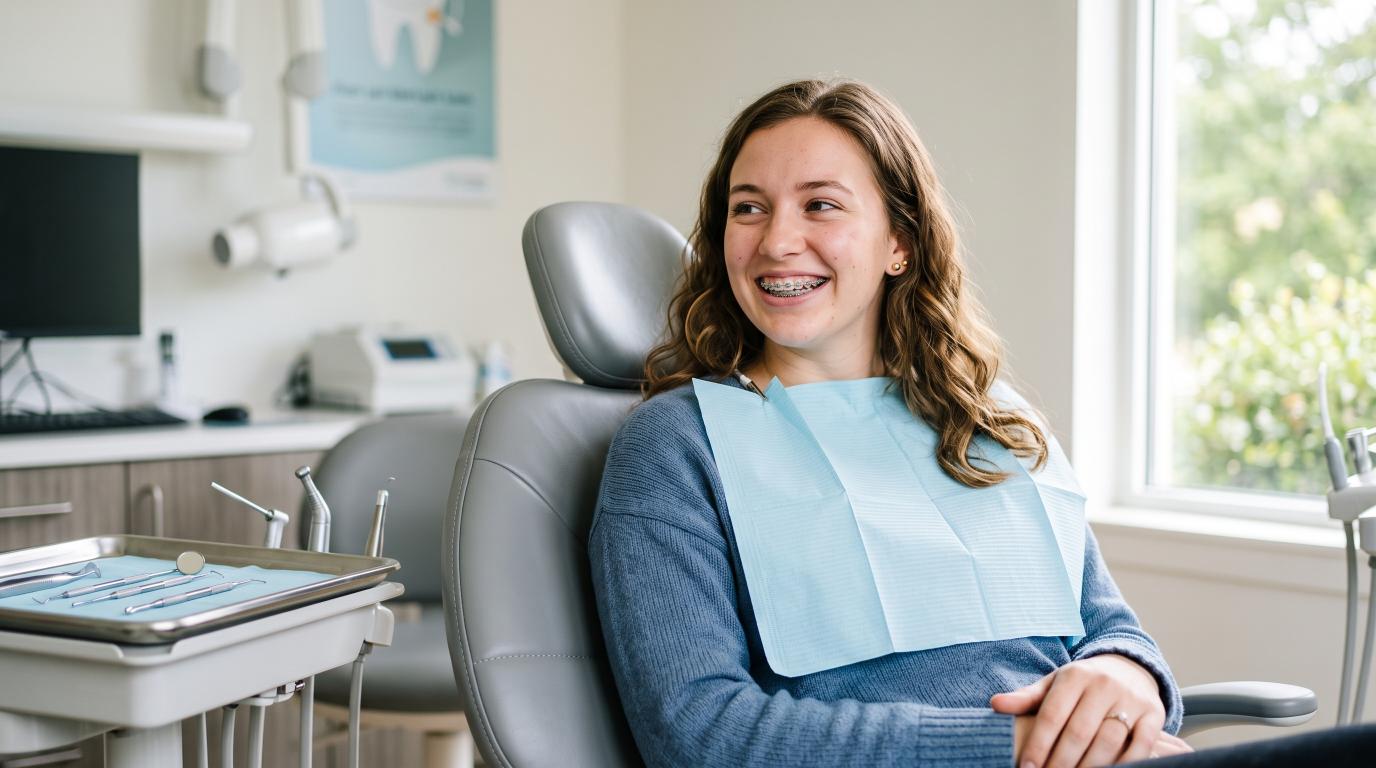
This is the real question most people are asking. Will Invisalign work for me? You are likely a good candidate if you have mild to moderate crooked teeth, gaps between teeth, or common bite issues like a mild overbite, underbite, or crossbite. Both adults and teens can use it. There is even a teen version with built-in wear indicators, so parents and dentists can check that the trays are being worn.
Invisalign is not right for everyone, though. Very severe crowding, teeth that need to move up or down in the jaw, badly rotated teeth, and complex bite problems often need braces or another treatment. Young children are usually too early for it. The only way to know for sure is an exam.
What Dental Problems Can Invisalign Fix?
Invisalign handles a wide range of everyday issues. It can pull crowded teeth into line when there is not enough room. It can close spacing and gaps. It can correct many cases of malocclusion, which is the dental word for a bad bite, including overbites and underbites.
It is also a popular fix for relapse, which is when teeth shift back after old braces because a retainer was not worn. For these common problems, clear aligners are a strong choice.
How Long Does Invisalign Take to Work?
Most people want a timeline. How long does Invisalign take to work? Simple cases can finish in about 6 to 12 months. Average cases run closer to 12 to 18 months, and some take up to around 22 months.
Three things shape your timeline. The first is how severe your case is. The second is how well you follow the plan. The third is your age, since younger bones tend to move a bit faster. Wear your trays as told and your treatment moves on schedule.
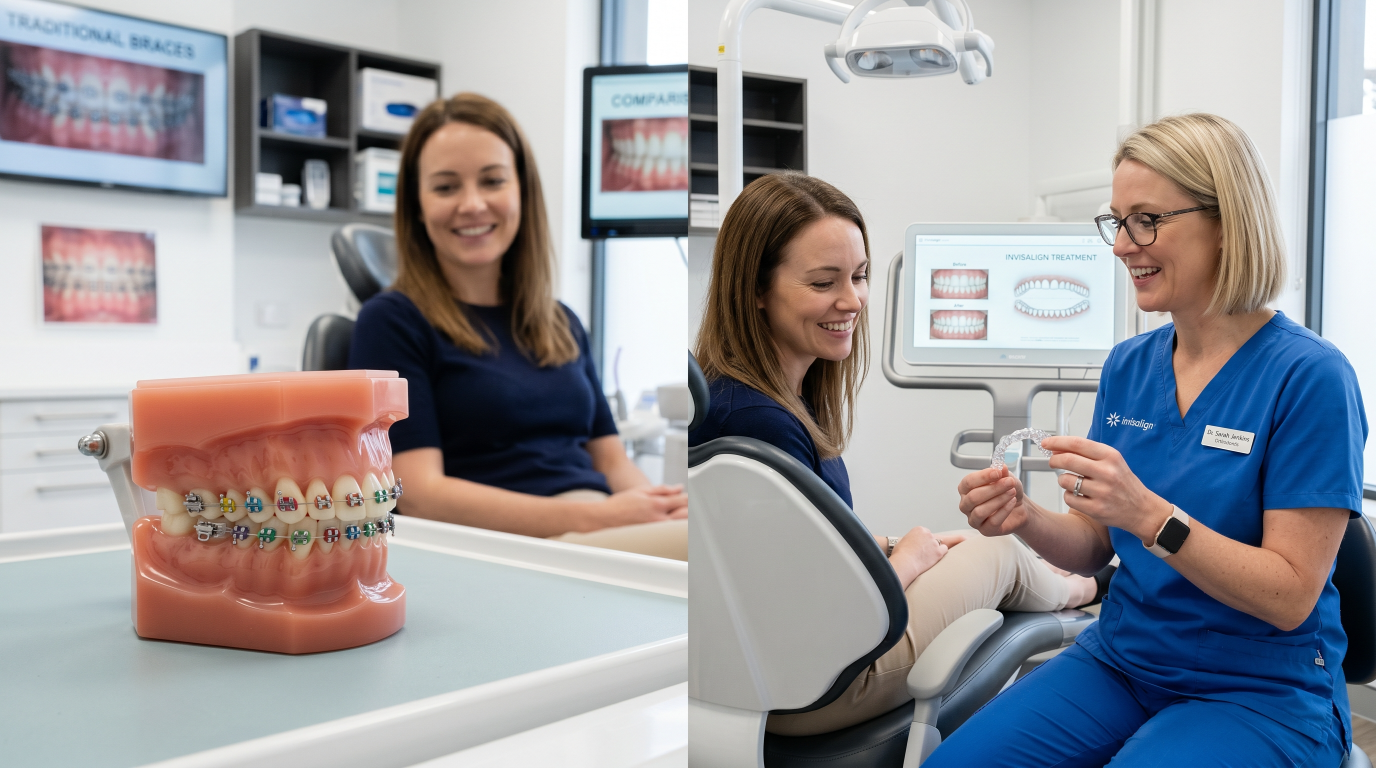
How Effective Is Invisalign Compared to Braces?
Invisalign vs traditional braces is a common debate. Both move teeth using steady pressure, and both work well. For mild to moderate cases, the results are very close. Invisalign often feels more comfortable and looks better while you wear it.
For speed, it depends on the case, but patients who wear their aligners well can finish in a window similar to braces. For severe or complex cases, braces still have the edge. They stay on all day and can handle bigger, trickier moves that aligners struggle with.
What Can Affect How Well Invisalign Works?
Your habits decide a lot here. The biggest factor is wear time. You need to keep your aligners 20 to 22 hours a day, removing them only to eat, drink anything other than water, and clean your teeth.
The severity of your case matters too, since bigger problems take more trays. Good oral hygiene keeps things on track, and wearing your attachments and following the plan closely all add up to better results.
Common Myths About Invisalign
A few myths scare people off. Some say Invisalign does not work. It does, for the right cases, with strong proof behind it. Others think it only fixes small gaps. In truth, it handles crowding, spacing, and many bite issues.
People also assume it is completely pain-free. Most feel mild pressure or soreness for a day or two with each new tray, then it fades. And the idea that results are random is wrong. The plan is mapped by computer first, so movement is fairly predictable.
What Happens During Invisalign Treatment?
Here is the journey from start to finish. First comes a consultation and scan, where your dentist checks your mouth and makes a 3D image. Then you pick up your first aligners, and your dentist makes sure they fit.
Over the next months, you go in for short progress checkups to get new trays and track your movement. If your teeth do not land exactly where planned, you get refinements, which are extra trays to polish the final result.
Cost of Invisalign: Is It Worth It?
Many people decide based on value and results. Invisalign is often seen as a worthwhile option for straightening teeth because it is clear, comfortable, and easy to remove when needed.
Dental insurance may cover part of orthodontic treatment, and many clinics offer monthly payment plans to make it easier to manage. Some people can also use health savings accounts for treatment. Compared to traditional braces, Invisalign is often considered a strong alternative for many patients depending on their needs and lifestyle.
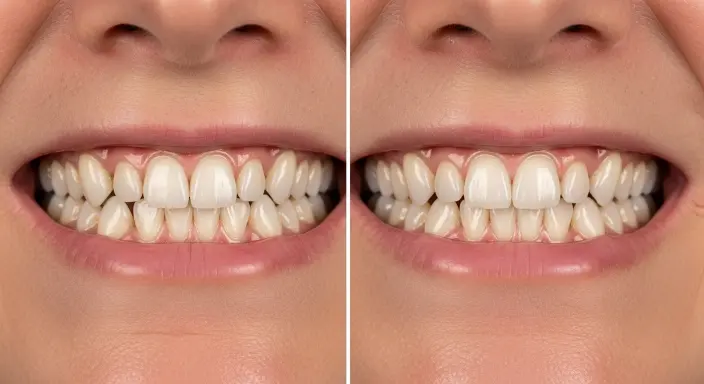
Invisalign Before and After
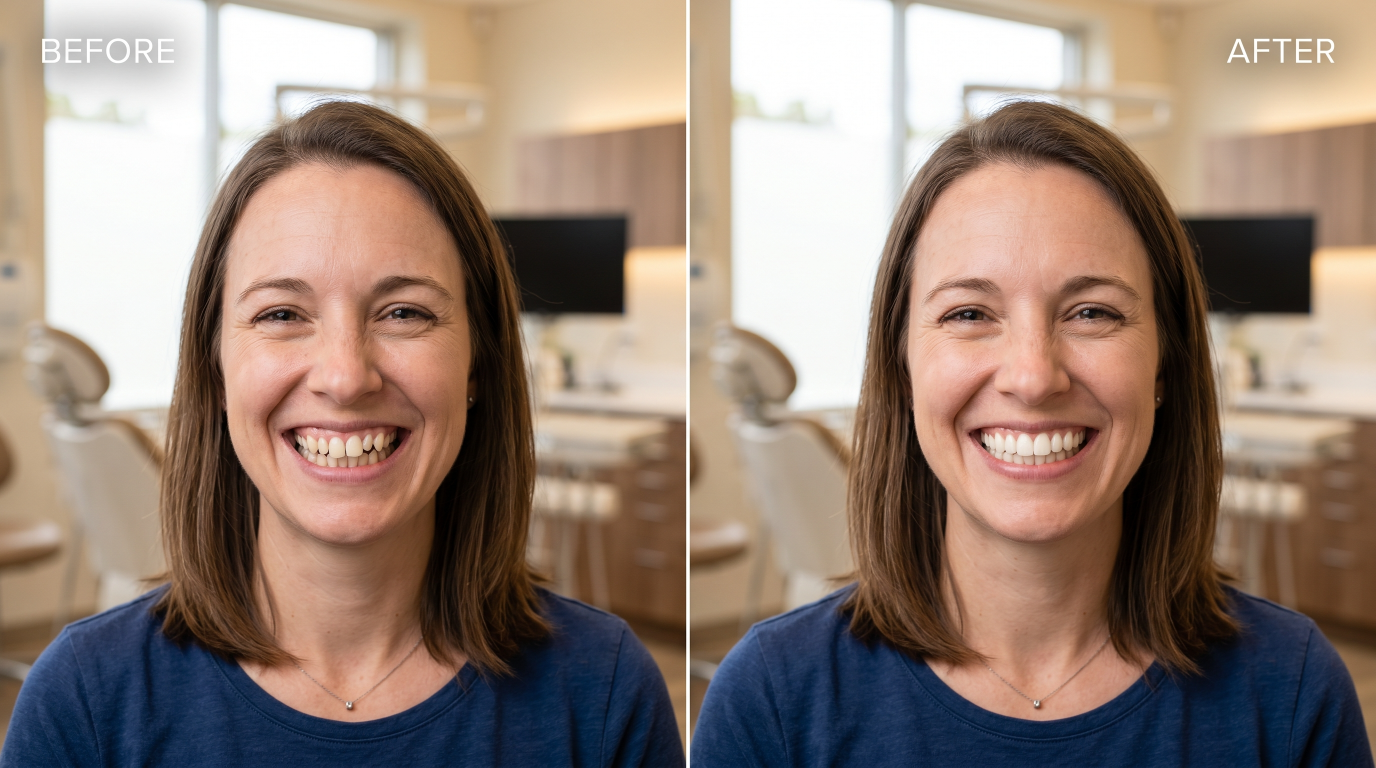
Before and after photos sell the treatment, but it helps to be realistic. A mild case might show clear improvement in a few months and a finished smile within a year. A moderate case takes longer and may need refinements at the end.
You will notice changes in stages. Early on, the most crooked or gapped teeth start to line up. By the end, the whole smile looks even. Ask your dentist for real patients before and after cases that match your own situation.
See Whether Invisalign Will Work for You
Reading about Invisalign can help you understand the treatment, but it cannot show exactly how your teeth and bite will respond.
At Vista Dorada Dental, we can examine your teeth, review your alignment concerns, and explain whether Invisalign is a suitable option. You will receive a personalized treatment recommendation instead of a general success-rate promise.
Schedule an Invisalign consultation at our Gilbert, Mesa, or San Tan Valley location to learn what treatment may involve, how long it could take, and what results you can realistically expect.
Conclusion
Invisalign does work, but its effectiveness depends on selecting the right type of case and following the prescribed treatment plan. It can successfully improve many mild to moderate crowding, spacing, alignment, and bite concerns. Severe bite problems or complex tooth movements may respond better to braces or a treatment plan that combines different orthodontic methods.
The best results usually come from wearing the aligners for 20 to 22 hours each day, changing trays as directed, attending scheduled checkups, and wearing retainers after treatment. Skipping wear time can slow tooth movement and make the planned results less predictable.
Because there is no universal Invisalign success rate, an examination is the most reliable way to learn whether Invisalign will work for you. A dentist or orthodontist can assess your teeth and bite, explain the results you can realistically expect, and help you compare Invisalign with braces before you make a decision.
Frequently Asked Questions
Does Invisalign really work on crooked teeth?
Yes, Invisalign can straighten many mildly to moderately crooked teeth. Severe rotations or crowding may require attachments, refinements, braces, or another orthodontic approach.
What is the success rate of Invisalign?
There is no single success rate that applies to every Invisalign patient. Results depend on the condition being treated, the movements required, professional planning, daily wear, and whether additional aligners are needed.
Does Invisalign work for everyone?
No. Invisalign can treat many common alignment problems, but some severe or complex cases may respond more predictably to braces. An examination is needed to determine which option is appropriate.
How soon can you see Invisalign results?
Some patients notice small changes within the first few months. The full treatment may take around 12 to 18 months, although minor cases can be shorter and complex cases can take longer.
Does Invisalign always work as planned?
Not always. Some teeth may move less than shown in the digital plan. Your dentist may use attachments, adjust the plan, or order refinement trays to complete the result.
Do invisible aligners work as well as braces?
They can provide similar results in selected mild to moderate cases. Braces may offer better control for severe crowding, complex bite problems, large rotations, and difficult root movements.
Can Invisalign fix severely crooked teeth?
It may treat some severe cases, but it is not always the most predictable option. Your dentist or orthodontist must assess the available space, tooth positions, roots, and bite before recommending treatment.
Does Invisalign work permanently?
The results can last long term when you wear a retainer as directed. Without retention, teeth may gradually shift after Invisalign or any other orthodontic treatment.
This version is ready to replace the existing article. The citations can remain as editorial references or be converted into the website’s preferred medical-source format.