






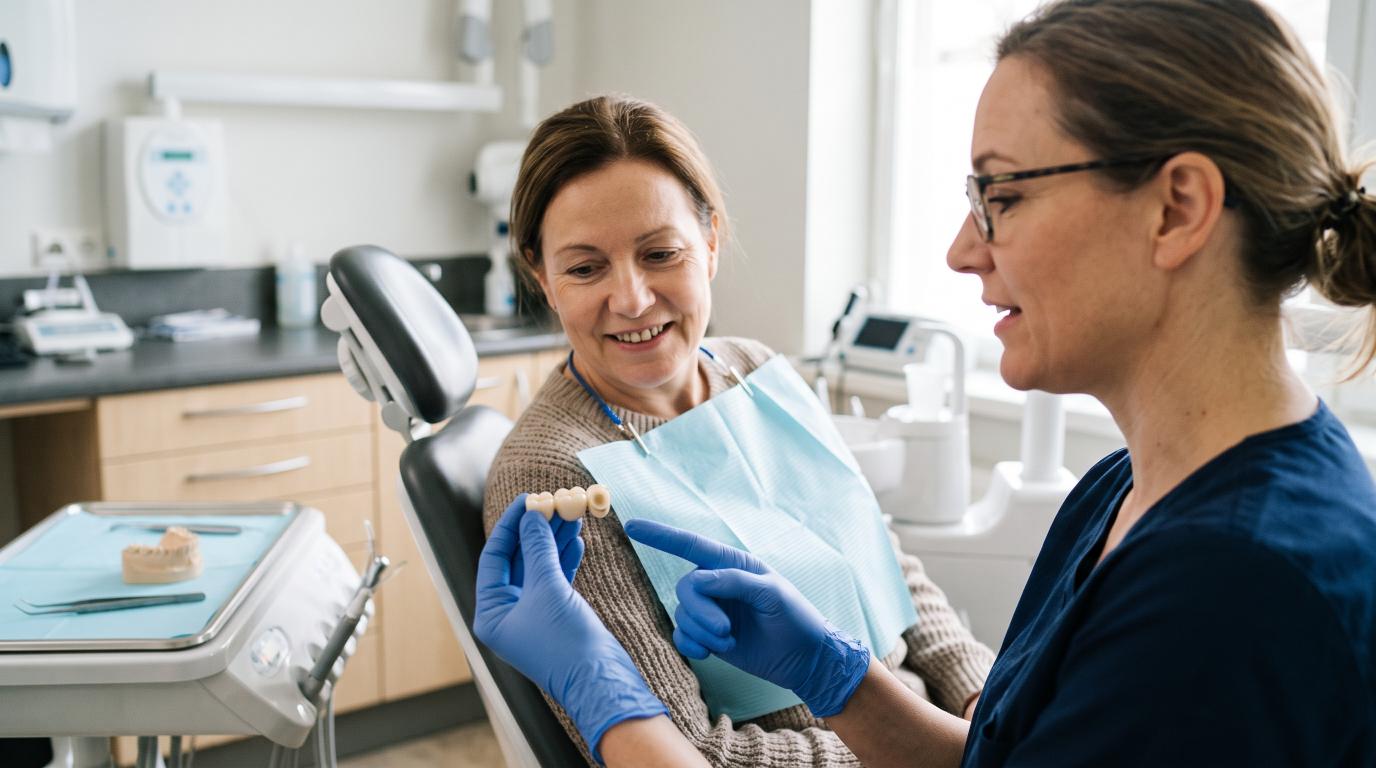

Regular dental checkups can help prevent some major dental problems by identifying early signs of tooth decay, gum disease, and damaged teeth before they become more serious. Although checkups cannot prevent every dental condition, routine examinations and preventive care can lower the risk of complications and help protect long-term oral health.
At Vista Dorada Dental in Gilbert, AZ, our team provides dental examinations and preventive care tailored to each patient’s needs. This guide explains how regular dental checkups support oral health, what happens during an appointment, how often to schedule visits, and which warning signs should not be ignored.
How Regular Dental Checkups Prevent Major Dental Problems
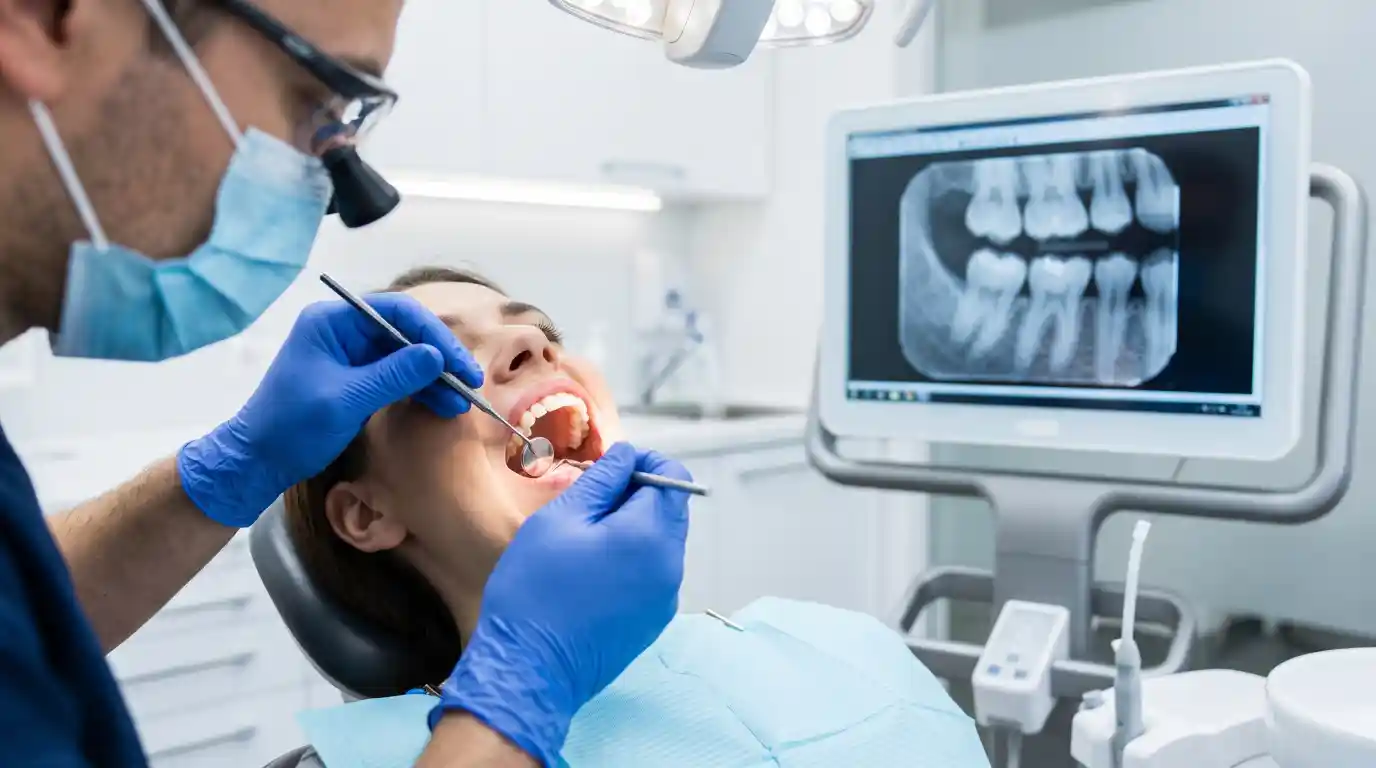
Regular dental checkups help reduce the risk of serious oral health problems by identifying early changes in the teeth and gums. During these visits, dental professionals can assess tooth decay, gum inflammation, damaged restorations, and other concerns that may not cause noticeable symptoms.
Early detection allows the dental team to recommend preventive care or appropriate treatment before some conditions progress. However, checkups work best alongside daily brushing, flossing, and other healthy habits.
Prevent Gum Disease
Regular dental checkups can help reduce the risk of gum disease by identifying plaque buildup, gum inflammation, and early signs of periodontal problems. The dentist examines the gums and may measure the spaces between the teeth and gum tissue when necessary.
Early gingivitis can often be reversed with improved oral hygiene and professional care. However, advanced gum disease, known as periodontitis, may require specialized treatment to control the condition and protect the supporting tissues. Daily brushing, cleaning between the teeth, and following recommended dental visits are important for maintaining healthy gums.
Find Cracked or Damaged Teeth Early
Dental checkups may help identify chipped, cracked, or worn teeth before they develop more noticeable symptoms. During an examination, the dentist checks the tooth surfaces, existing restorations, and bite for signs of damage.
Small cracks do not always require extensive treatment, but deeper fractures may weaken a tooth or cause discomfort when chewing. Depending on the damage, the dentist may recommend monitoring, bonding, a crown, or another appropriate treatment. Early assessment can help determine whether a damaged tooth needs protection, although not every crack can be prevented from progressing.
Screen for Oral Cancer
Regular dental examinations can help identify unusual changes in the mouth that may require further evaluation. During an oral examination, the dentist checks the lips, tongue, gums, cheeks, and other oral tissues for suspicious sores, patches, lumps, or changes in appearance.
Some potentially serious oral conditions may develop without obvious pain. However, a routine examination cannot detect every case of oral cancer or confirm a diagnosis. If the dentist identifies a suspicious area, further assessment or a biopsy may be recommended. Patients should also report mouth sores that do not heal or other persistent changes between appointments.
Check Existing Fillings, Crowns, and Bridges
Fillings, crowns, and bridges can wear down, crack, or loosen over time. During regular dental checkups, our dental team examines existing restorations for signs of damage, gaps, or decay around their edges. Identifying these problems early may allow for timely repairs or replacement before further damage affects the surrounding teeth.

Can Regular Dental Checkups Help Prevent Fillings?
Regular dental checkups may help reduce the need for fillings by identifying early tooth decay before permanent damage develops. During an examination, the dentist checks for changes in tooth enamel and may recommend X-rays to detect decay between teeth or beneath existing restorations.
When decay is detected at an early, non-cavitated stage, preventive treatments such as fluoride, improved oral hygiene, and dietary changes may help stop or reverse the damage. According to the American Dental Association’s evidence-based guidance on tooth decay management, some early areas of decay can be managed without drilling or placing a filling.
However, once a cavity forms, a filling or another treatment may be necessary. Combining routine dental examinations with consistent home care can help lower cavity risk, although checkups cannot guarantee that fillings will never be needed.
How Fluoride and Dental Sealants Help Prevent Cavities
Fluoride and dental sealants help protect teeth from decay and may reduce the need for future fillings. Fluoride strengthens enamel and helps repair early mineral loss caused by acids. During regular dental checkups, the dental team can assess cavity risk and recommend professional fluoride treatment when appropriate.
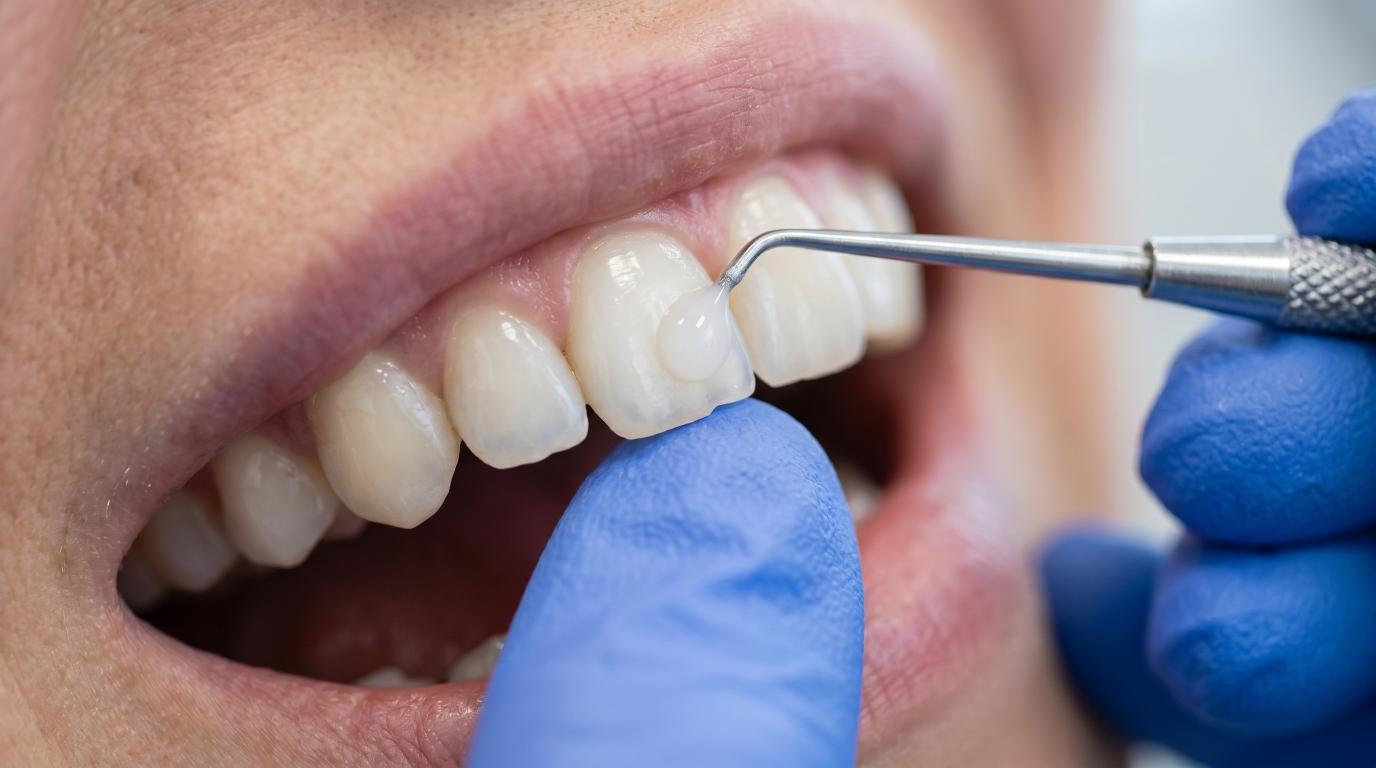
Dental sealants are thin protective coatings applied to the chewing surfaces of back teeth. They prevent food particles and bacteria from collecting in deep grooves where cavities often develop. Sealants are especially useful for children and teenagers, although some adults may benefit.
According to the Centers for Disease Control and Prevention, sealants can prevent up to 80% of cavities in back teeth over two years. Both preventive treatments can lower cavity risk, but they cannot guarantee that fillings will never be needed.
What Happens During a Routine Dental Checkup?
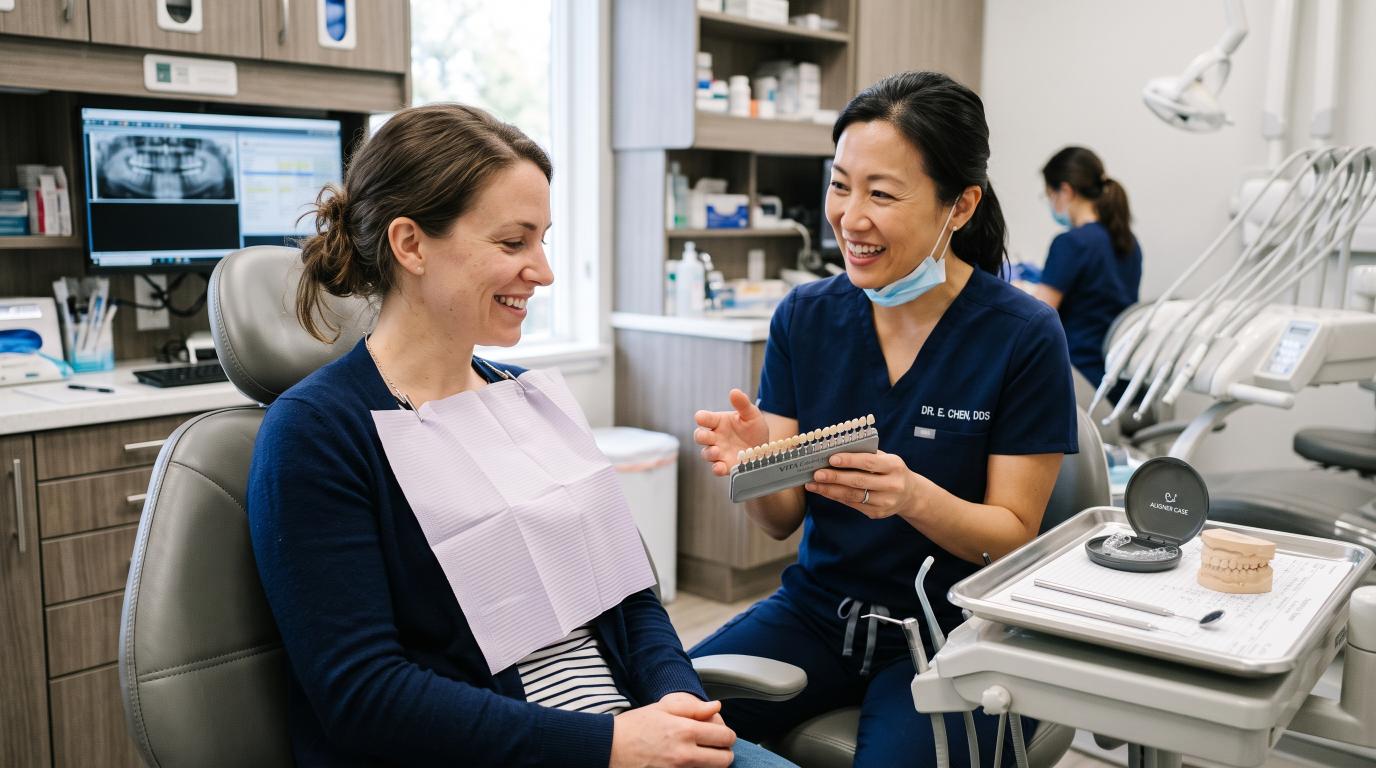
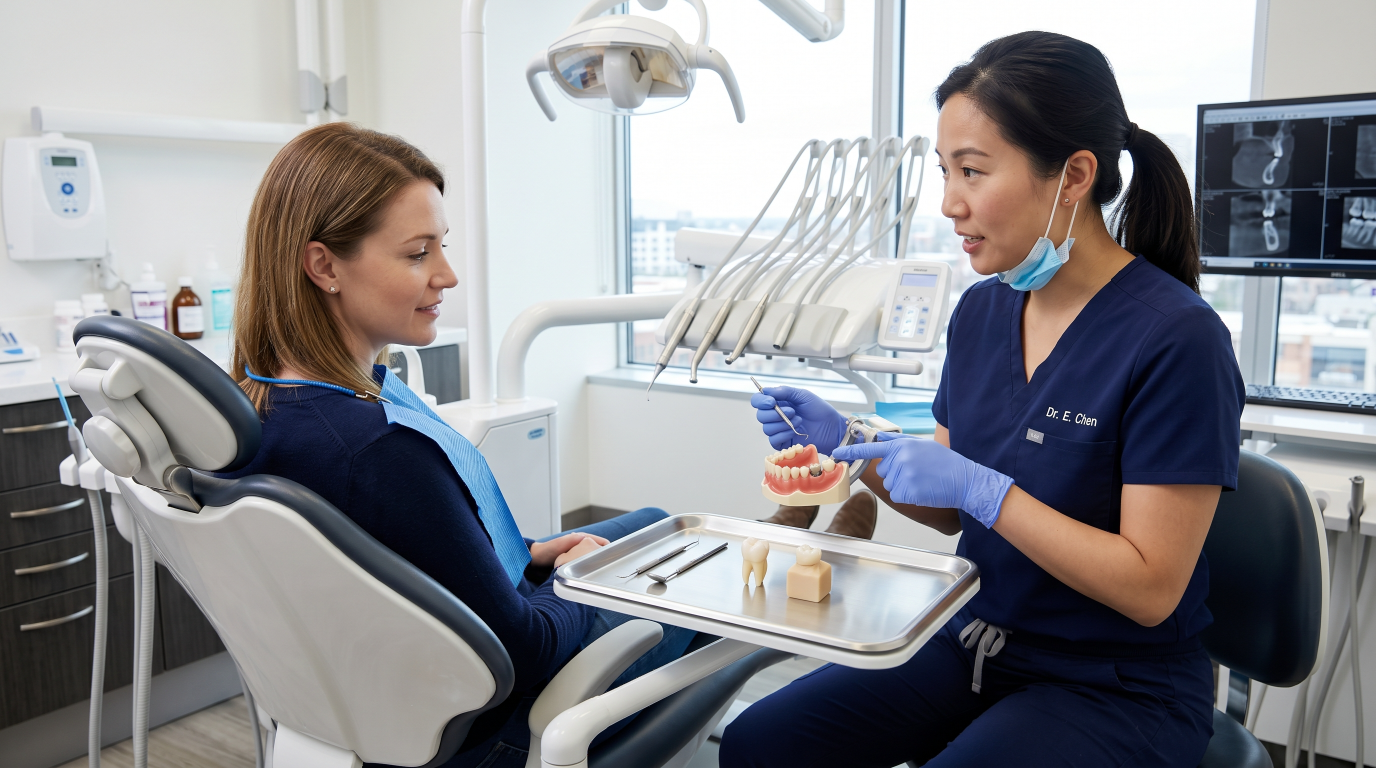
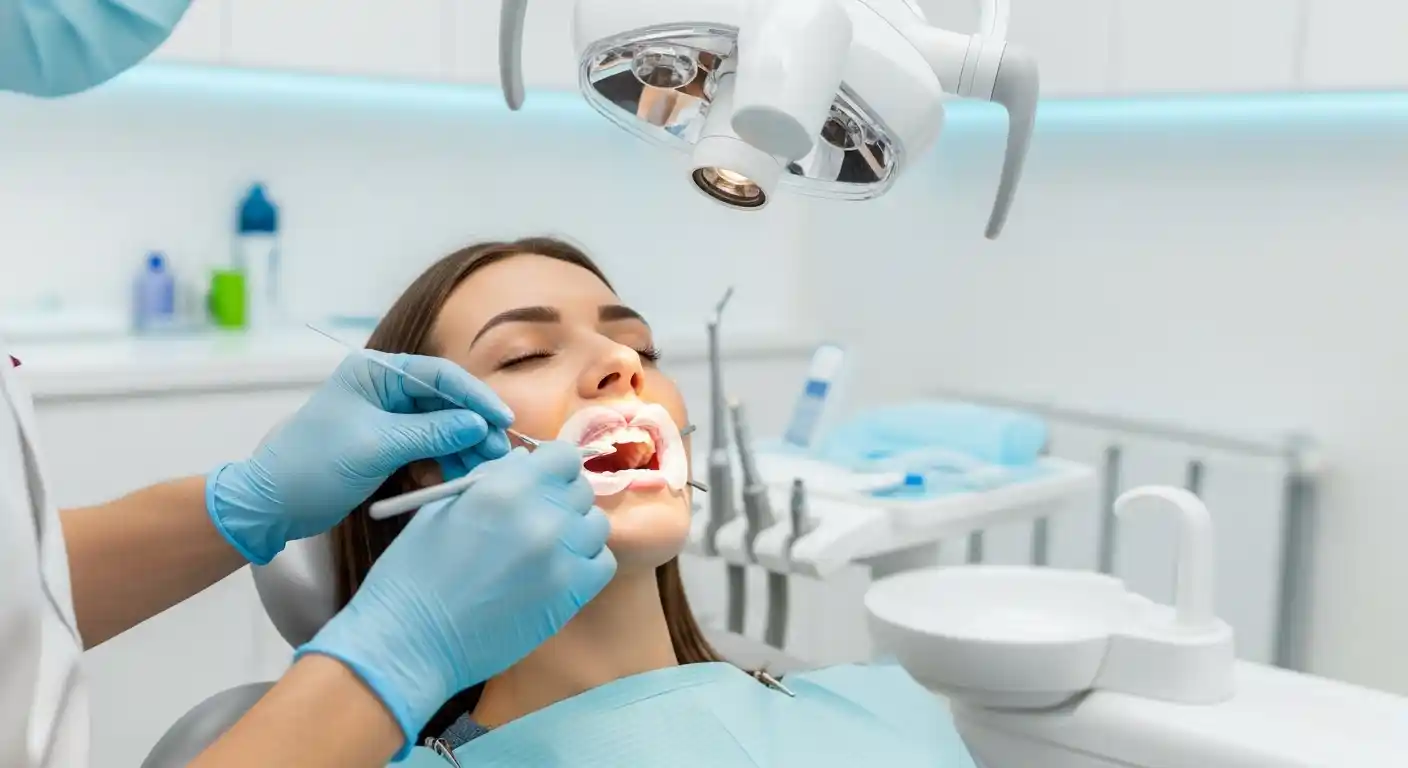
A routine dental checkup usually begins with reviewing your medical and dental history. During the examination, the dental team checks your teeth, gums, bite, and oral tissues for signs of cavities, gum disease, damaged restorations, or other concerns. Dental X-rays may also be recommended based on your oral health needs.
A professional dental cleaning may be performed during the same appointment to remove plaque and hardened tartar. The dental team may also polish your teeth and provide guidance on brushing, flossing, and other preventive habits.
Before the appointment ends, the dentist can explain any findings, discuss whether additional treatment is needed, and recommend an appropriate schedule for future dental visits.
Dental Exam vs. Dental Cleaning: What’s the Difference?
A dental exam focuses on checking your oral health and identifying problems, while a professional cleaning removes plaque and tartar to help prevent tooth decay and gum disease. Both are important parts of preventive dental care, although they serve different purposes.
|
Feature |
Dental Exam | Dental Cleaning |
| Main purpose | Identify oral health problems |
Remove plaque and tartar |
|
Teeth |
Check for cavities, cracks, and worn fillings | Clean tooth surfaces and around the gumline |
| Gum health | Look for inflammation and signs of gum disease |
Remove deposits that contribute to gum irritation |
|
X-rays |
Taken when clinically necessary | Not normally part of the cleaning itself |
| Main benefit | Early detection and treatment planning |
Reduced plaque and tartar buildup |
A routine dental checkup may include both an examination and cleaning, depending on the patient’s needs. The dental team may also recommend X-rays, fluoride treatment, or additional care based on the findings.
How Often Should You Visit the Dentist?
Many patients schedule dental checkups every six months, but the ideal frequency depends on individual oral health needs and risk factors. Some people benefit from more frequent appointments, while others may be able to safely attend at longer intervals recommended by their dentist.
Patients with active gum disease, frequent cavities, dry mouth, or other oral health concerns may require closer monitoring. Medical conditions, medications, smoking, and previous dental problems can also influence the recommended schedule.
A peer-reviewed Cochrane review of dental checkup intervals found little to no difference in certain oral health outcomes between six-monthly and risk-based checkups among adults receiving routine dental care. The best approach is to follow a schedule based on your dental examination, medical history, and personal risk of oral disease.

Signs You Should Not Wait for Your Next Checkup
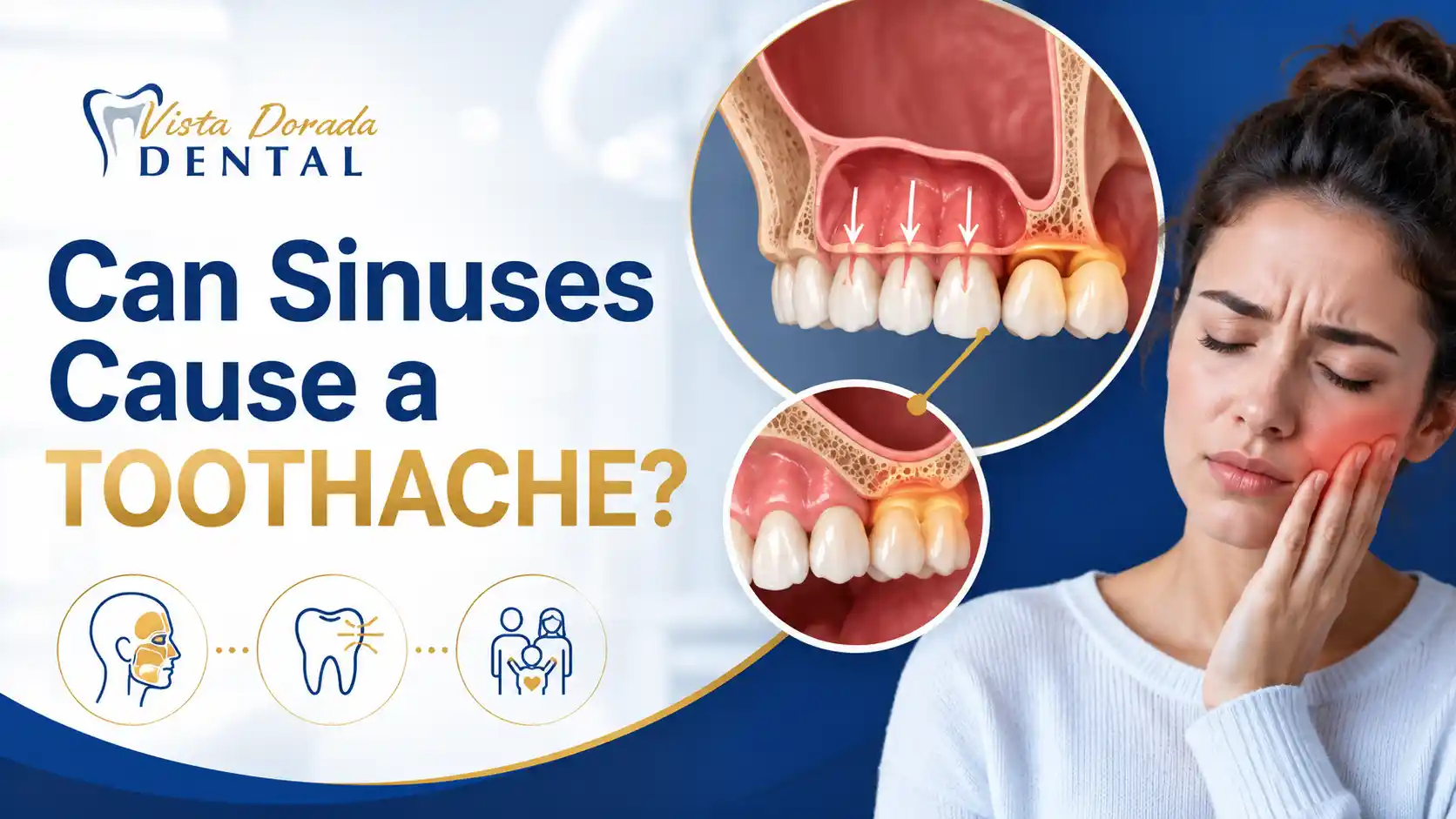
Persistent tooth pain, bleeding gums, swelling, or damage to a tooth may indicate a problem that needs attention before your next routine dental visit. Recognizing these warning signs can help you seek appropriate care before some conditions become more serious.
- Persistent tooth pain: Ongoing pain or sensitivity may be caused by decay, infection, a cracked tooth, or another dental condition that requires examination.
- Bleeding or swollen gums: Frequent bleeding during brushing or flossing may indicate gum inflammation or periodontal disease.
- Loose adult teeth: Unexpected tooth movement can be associated with gum disease, injury, or changes in the supporting bone and should be evaluated promptly.
- Swelling in the gums, face, or jaw: Swelling may indicate an infection or another condition requiring prompt dental attention.
- Persistent bad breath: Bad breath that continues despite regular oral hygiene may be related to gum disease, tooth decay, dry mouth, or other causes.
- Broken or chipped teeth: Even without immediate pain, damaged teeth should be examined to assess whether treatment is needed.
Some dental emergencies require urgent care. Seek emergency medical attention if facial swelling causes difficulty breathing or swallowing.

How to Keep Your Teeth Healthy Between Dental Visits
Maintaining good oral hygiene between regular dental checkups helps reduce the risk of cavities and gum disease. Brush your teeth twice daily for two minutes using fluoride toothpaste, and clean between your teeth every day with floss or another suitable interdental cleaner.
Fluoride strengthens tooth enamel and helps replace minerals lost when acids attack the teeth. Limiting sugary snacks and drinks also reduces the conditions that contribute to tooth decay. Drinking water throughout the day supports hydration and saliva production, which helps protect the mouth.
Avoiding tobacco is another important step because smoking increases the risk of gum disease and oral cancer. Combined with regular dental examinations and professional care, these daily habits can help protect long-term oral health.
Need to Schedule a Checkup in Gilbert, Arizona?
Regular dental checkups help identify oral health concerns early and support healthier teeth and gums. Whether you have missed a routine appointment or want to establish a preventive care schedule, a dental examination can help you understand your current oral health needs.
At Vista Dorada Dental in Gilbert, AZ, our team provides dental examinations, professional cleanings, and personalized preventive care. We can assess your teeth and gums, discuss any concerns, and recommend an appropriate schedule for future visits. Contact Vista Dorada Dental today to schedule your next dental checkup.
Conclusion
Regular dental checkups can help prevent some major dental problems by identifying early signs of tooth decay, gum disease, and damaged teeth. Although dental visits cannot eliminate every oral health risk, timely examinations and appropriate preventive care may reduce the likelihood of more extensive treatment. Combining routine dental visits with daily brushing, flossing, and healthy habits supports long-term oral health. The best checkup schedule depends on individual needs and should be discussed with a dental professional.
Frequently Asked Questions
Can Regular Dental Checkups Really Prevent Cavities?
Regular dental checkups can help reduce the risk of cavities by identifying early tooth decay and supporting preventive care. Dentists may recommend fluoride treatments, improved brushing habits, or dietary changes to protect enamel. However, checkups cannot guarantee that cavities will never develop.
Why Do I Need Dental Cleaning If I Brush Every Day?
Professional dental cleanings remove hardened plaque, called tartar, that regular brushing and flossing cannot remove. Even with good oral hygiene, tartar can accumulate in difficult-to-clean areas. Dental cleanings help maintain healthier teeth and gums alongside daily home care.
Are dental X-rays safe?
Yes, dental X-rays are generally safe when used appropriately because they involve low radiation doses. Dentists recommend X-rays based on individual dental health needs rather than taking them at every visit. Current American Dental Association guidance does not recommend routine lead aprons or thyroid collars, although applicable regulations must still be followed.
How Long Does a Dental Checkup Take?
A routine dental checkup and cleaning often take approximately 30 to 60 minutes, although appointment length varies. The time depends on the patient’s oral health, whether X-rays are needed, and the type of cleaning required. Additional examinations or treatments may require more time.
What Happens If I Skip Dental Checkups?
Skipping recommended dental checkups may allow cavities, gum disease, or damaged dental restorations to go unnoticed. Some oral health problems develop without noticeable pain, making early detection important. Missing one appointment does not automatically cause serious problems, but regular visits help identify concerns before they become more complicated.
Can Dental Checkups Detect Oral Cancer?
Dental checkups can help identify suspicious changes that may be associated with oral cancer. During an examination, the dentist may check the tongue, gums, cheeks, lips, and other oral tissues for unusual sores, lumps, or patches. However, an examination cannot detect every case or confirm a cancer diagnosis. Suspicious findings may require further evaluation or a biopsy.