





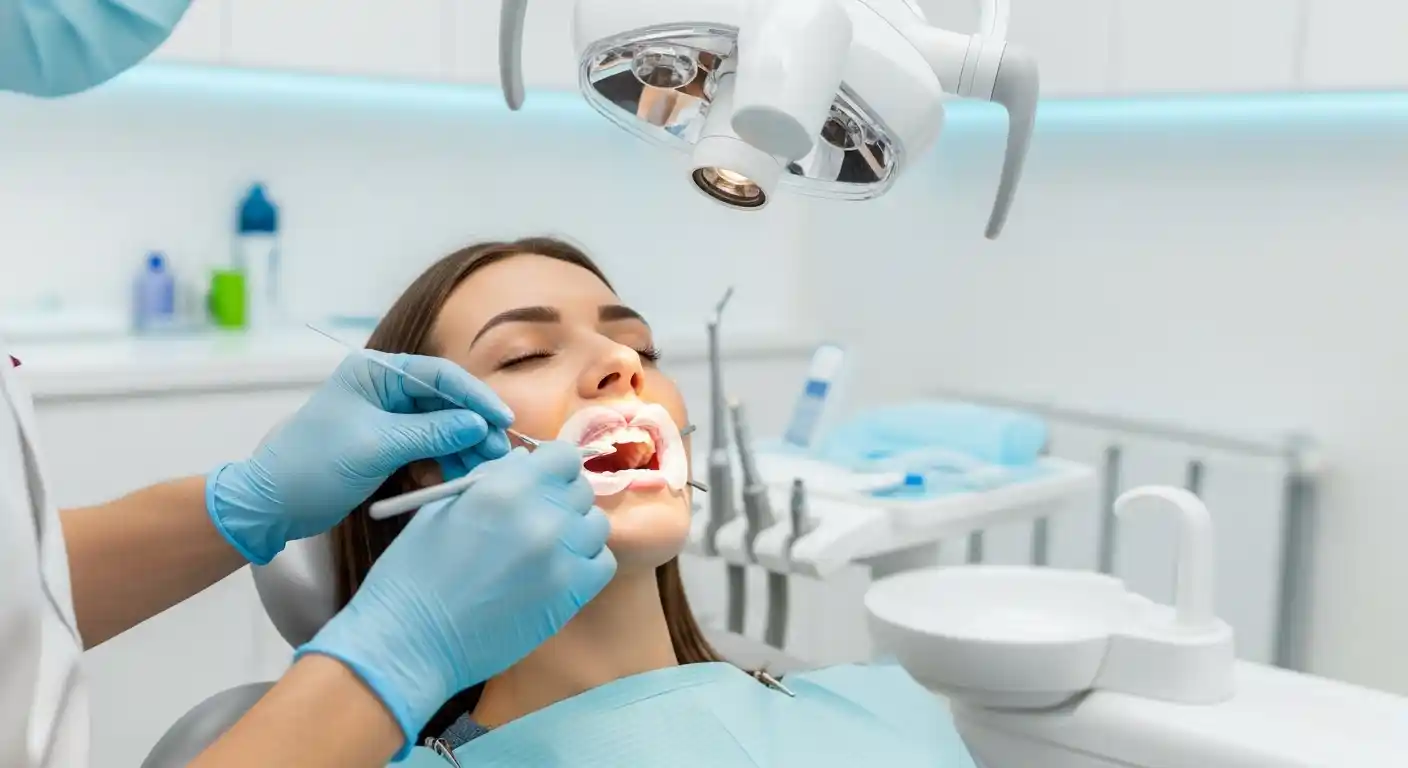
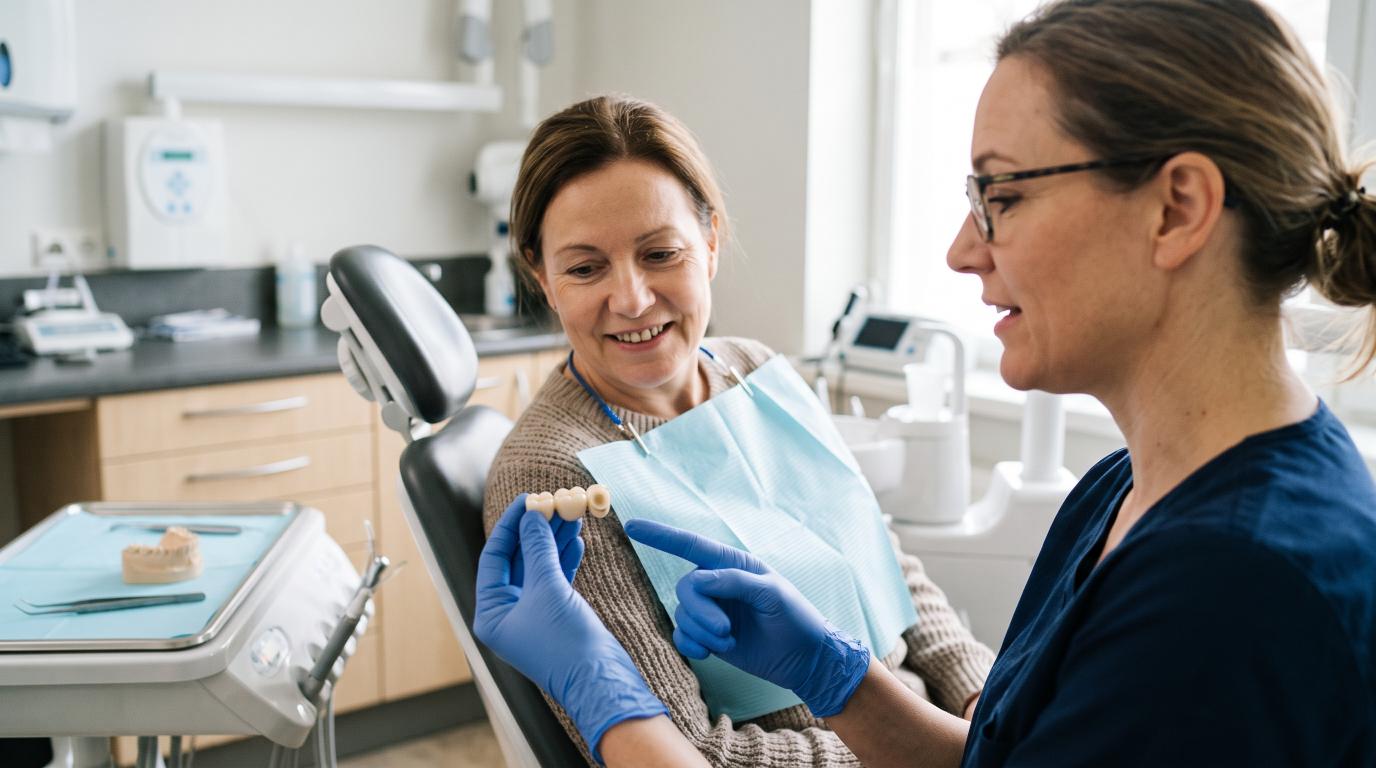

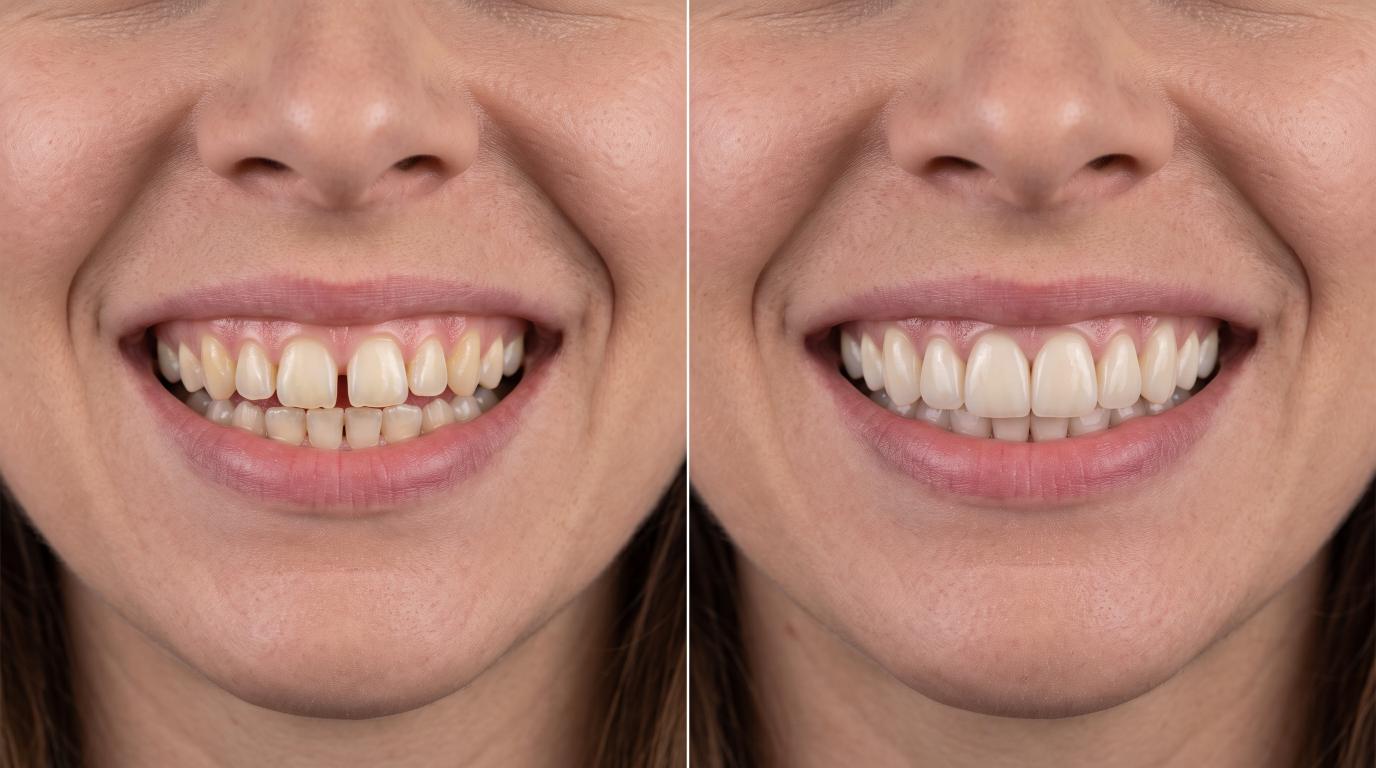
Porcelain veneers before and after results can show clear changes in tooth color, shape, size, spacing, and the overall balance of a smile. Veneers are thin pieces of porcelain placed over the front surfaces of selected teeth to change how those teeth look.
At Vista Dorada Dental in Gilbert, AZ, veneer treatment is planned around the condition of your teeth and the changes you want to make. The final result can be different for every person because no two starting smiles are exactly alike.
Veneers can improve many cosmetic concerns, but they cannot correct every dental problem. Healthy teeth and gums, careful planning, and realistic expectations are important before treatment begins.
Porcelain Veneers Before and After: What Changes?
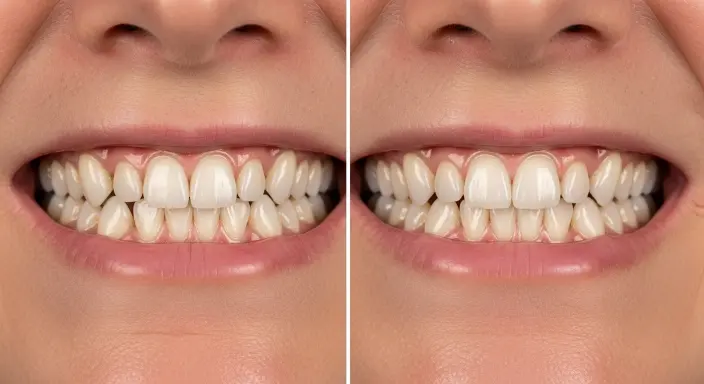
The biggest difference seen in veneer before-and-after photos is usually not one single change. Several small improvements may work together to make the smile appear more even. Veneers can change the visible color, width, length, and shape of selected teeth.
They may also help close small spaces or make worn edges appear more even. Research into cosmetic improvement with veneers found that factors such as tooth shape, color, tooth display, gum level, and gum symmetry can all influence how patients view their final smile.
What Porcelain Veneers Can Improve
Porcelain veneers may be considered for teeth that are:
- Deeply discolored or difficult to whiten
- Chipped along the edges
- Worn or shortened
- Slightly uneven in size
- Misshapen
- Separated by small gaps
- Different in appearance from nearby teeth
Veneers can also be placed on several visible teeth when the goal is to create a more balanced appearance across the smile. The exact change depends on how the teeth look before treatment. Someone with one chipped tooth has very different needs from someone who wants several front teeth changed together.
What Porcelain Veneers Cannot Fix
Veneers improve the visible surface of a tooth, but they do not solve every oral health problem. They are not designed to treat active tooth decay or gum disease. Teeth with major structural damage may need another type of restoration.
Significant bite or alignment problems may also require orthodontic or restorative treatment instead. For this reason, the appearance of the smile should not be the only part of the evaluation. The dentist also needs to look at the condition of the teeth, gums, and bite before recommending treatment.
Real Porcelain Veneers Before and After Examples
Porcelain veneers before and after photos can show changes in tooth color, shape, size, spacing, and overall smile balance. For example, veneers may help cover deep discoloration, improve the look of chipped or worn teeth, close small gaps, or make uneven teeth appear more consistent. When several veneers are placed together, they can also create a more balanced look across the visible teeth.
Before-and-after photos should be used as examples, not as a guarantee of your own results. Look at the condition of the teeth before treatment, how many veneers were placed, and whether other treatments were also completed. Every smile starts differently, so the final result depends on your teeth, gums, smile design, and treatment plan.
What Makes Porcelain Veneers Look Natural?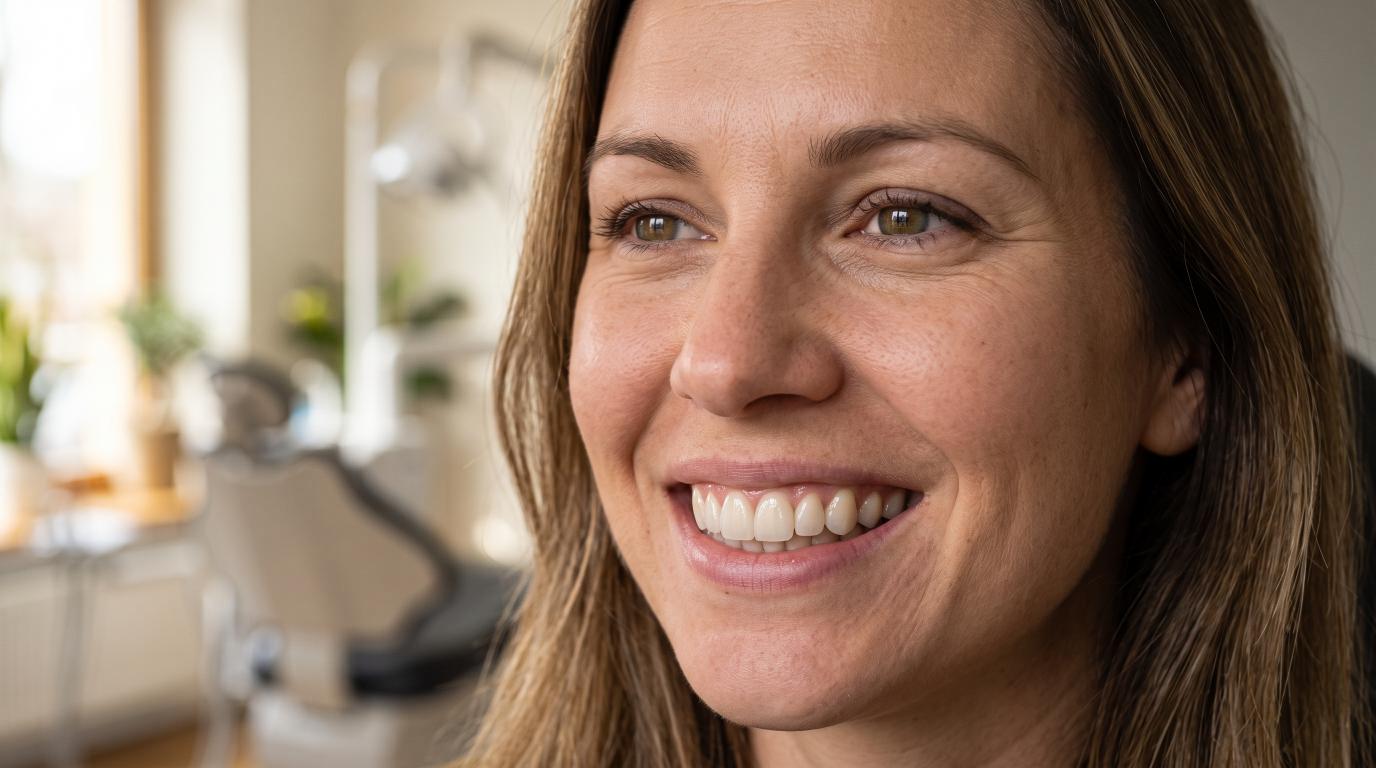
Natural-looking veneers are not simply very white teeth. Color, shape, surface details, tooth length, gum position, and the way the veneers fit with nearby teeth all affect the final appearance.
Choosing the Right Tooth Color
The right veneer color depends on the person’s smile and treatment goals. Some people want a noticeably brighter smile. Others want the veneers to blend with untreated natural teeth.
Porcelain can also interact with light in ways that influence its final appearance. This is one reason material selection and shade planning are important rather than choosing color based only on a shade chart.
Matching Tooth Shape to Your Smile
Tooth shape can have a strong effect on the final result. Front teeth should work together rather than looking like separate pieces. The dentist may consider their width, length, edges, position, and relationship with the lips.
Research comparing patient satisfaction after porcelain and composite veneers found that shape, color, size, smile line, tooth display, and surrounding gum appearance can all play a part in cosmetic improvement.
Creating Proportion Across the Smile
A veneer may look attractive by itself but still appear out of place if its size does not match the neighboring teeth. This becomes especially important when a small gap is being closed or several veneers are being used together. Treatment planning should look at the entire visible smile instead of designing each tooth in isolation.
Planning the Veneers Before They Are Made
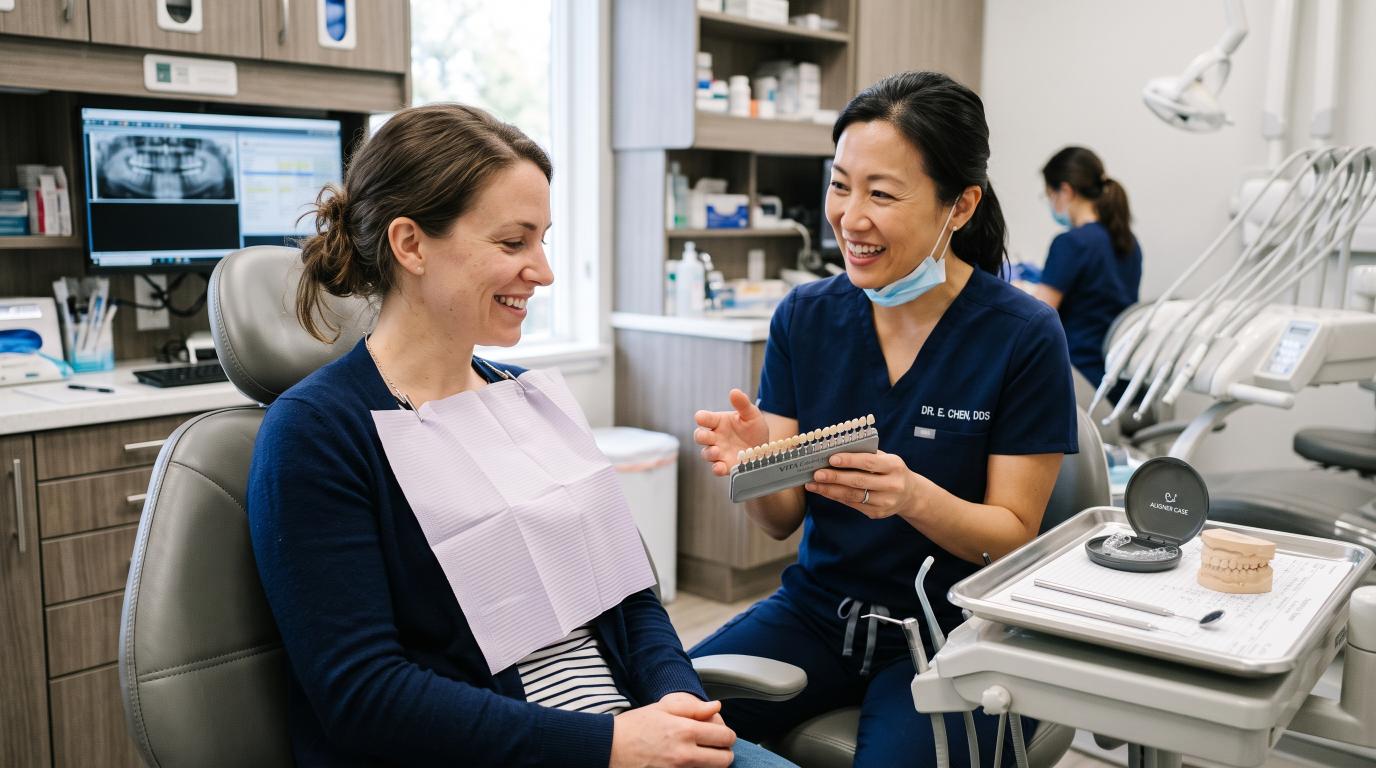
Good planning gives the dentist and patient a chance to discuss the expected result before the final restorations are completed. Photos, scans, impressions, models, or temporary designs may be used depending on the case. The goal is to make decisions about tooth length, shape, position, and shade before the final veneers are bonded.
What Happens Before Your Veneers Before and After Results?
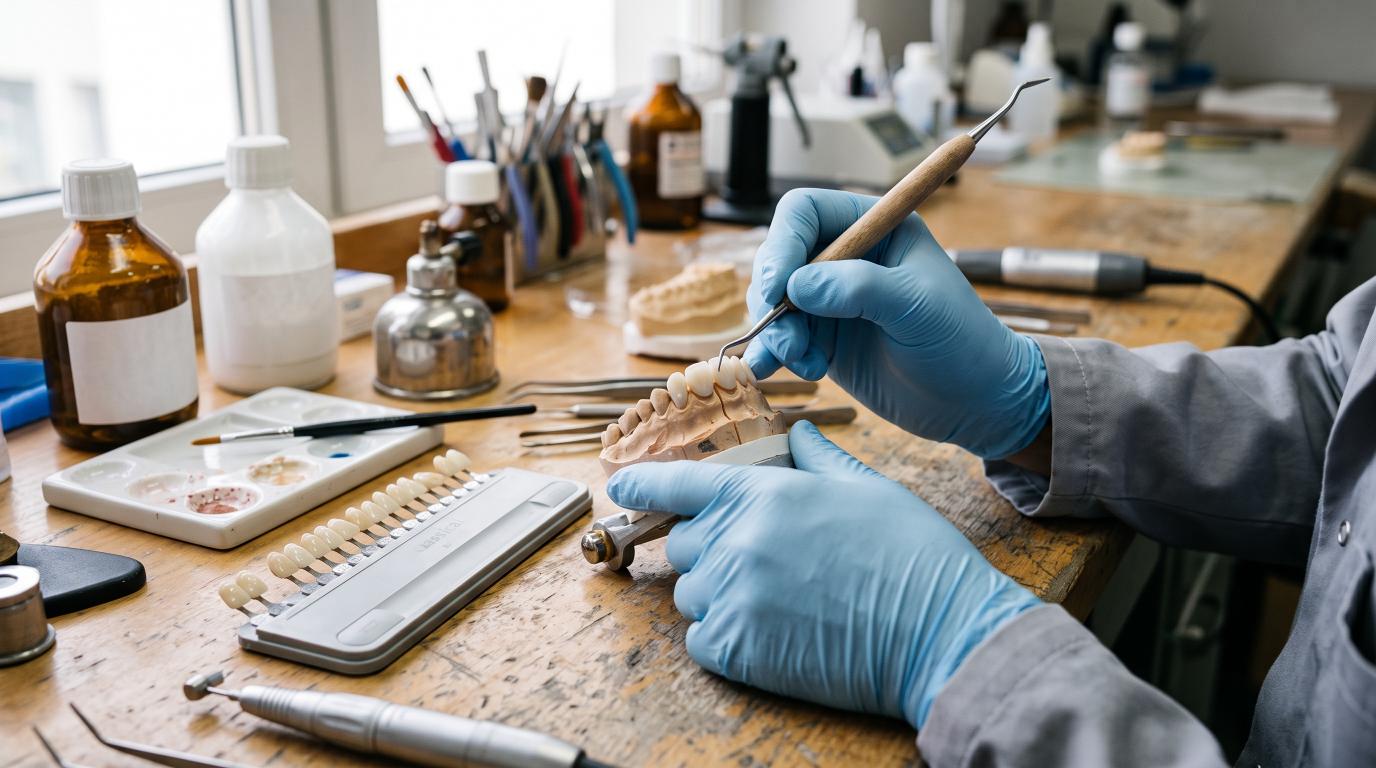
The final photograph may make veneer treatment look like a simple switch from one smile to another. In reality, several planning steps happen first.
Smile Evaluation and Treatment Planning
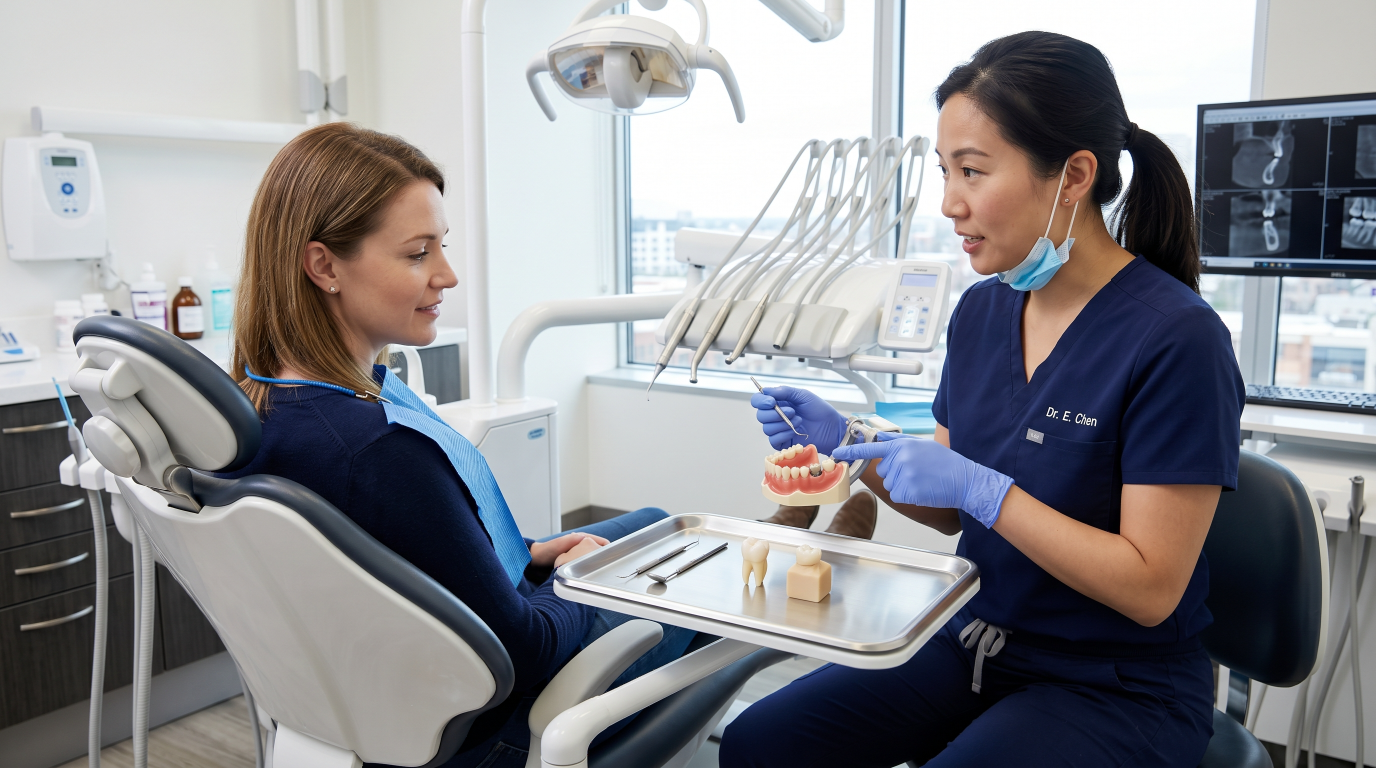
The dentist first examines the teeth, gums, bite, and cosmetic concerns. This step helps determine whether veneers are appropriate and whether another condition needs to be treated first.
Discussing Your Desired Smile
Patients may have very different ideas about the result they want. Some want a brighter smile. Others are more concerned about chips, uneven tooth lengths, spaces, or tooth shape. Photos of smiles you like may help explain your preferences, but the design still needs to work with your own teeth and face.
Preparing the Teeth
Some porcelain veneer treatments require removal of a small amount of tooth structure so the restoration can fit properly. The amount of preparation varies by case. Certain carefully selected patients may be candidates for little or no preparation.
A clinical study following a specific no-prep porcelain veneer protocol reported good performance over 36 to 60 months, while also stressing the importance of proper patient selection. This does not mean no-prep veneers are right for everyone.
Designing and Making the Veneers
After preparation and records are completed, the veneers are designed to match the planned shape and shade. The dental laboratory and dentist both play a role in producing the final restoration. Details such as contours, surface texture, edges, and color can affect how natural the veneers appear.
Placing the Final Veneers
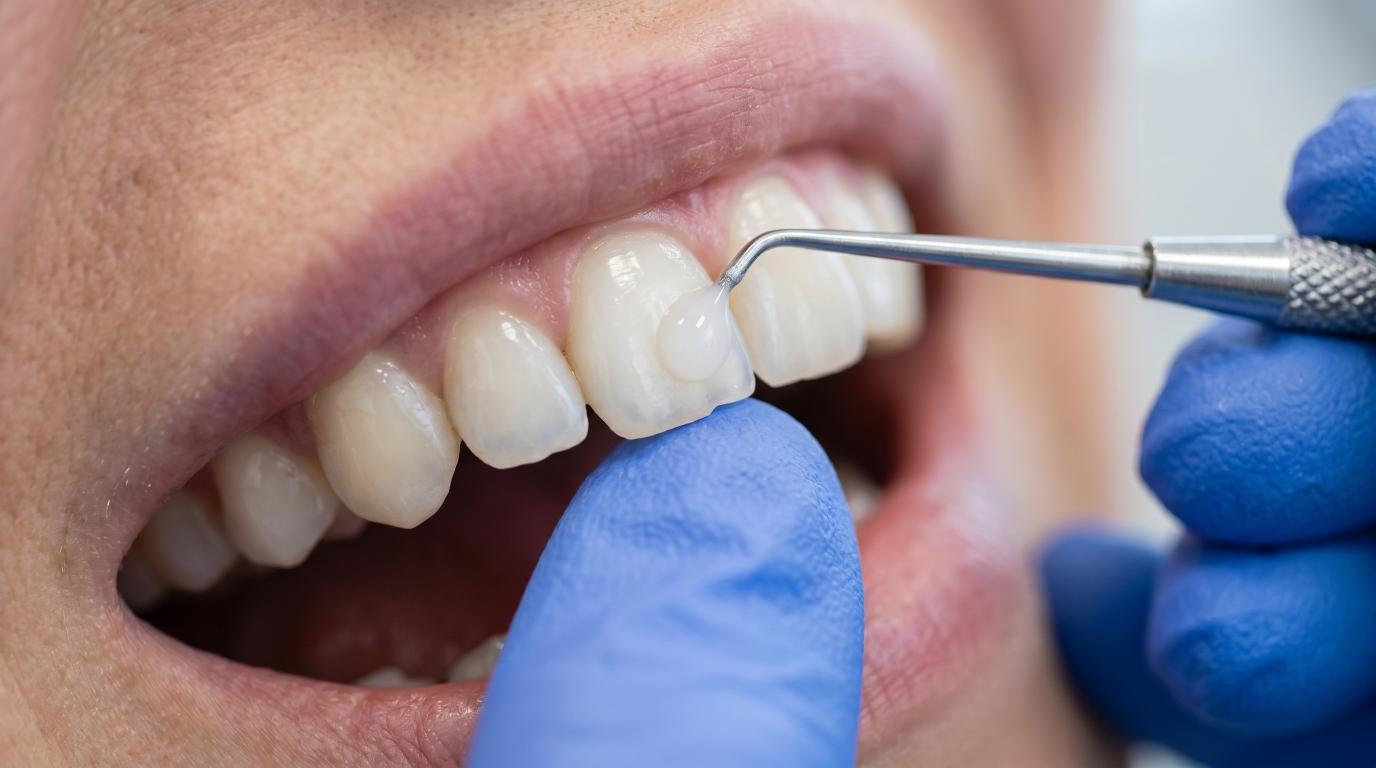
Before final bonding, the dentist can evaluate how the veneers fit and look. Once they are accepted and properly positioned, the veneers are bonded to the prepared teeth. The bite may then be checked to make sure the restorations work properly when the teeth come together.
Porcelain Veneers vs. Composite Veneers Before and After
Both porcelain and composite can be used to improve the appearance of front teeth, but their treatment approaches are different.
|
Feature |
Porcelain Veneers |
Composite Veneers |
|
Material |
Dental porcelain or ceramic |
Tooth-colored composite resin |
|
Appearance |
Custom-made restoration designed for the tooth |
Material is shaped directly or indirectly to improve the tooth |
|
Typical use |
Color, shape, wear, small gaps, and other cosmetic changes |
Small shape changes, chips, gaps, discoloration, and cosmetic corrections |
|
Treatment approach |
Usually made separately and then bonded to the tooth |
Often applied and shaped directly on the tooth |
|
Maintenance |
Needs daily cleaning, dental visits, and protection from damage |
Needs similar care and may require polishing or repair over time |
Neither material is automatically the better choice for every person. A study comparing patient-reported cosmetic improvement after direct composite and porcelain veneers found no significant difference in perceived cosmetic improvement between the two groups. The authors also noted that treatment choice involves factors beyond appearance, including tooth conservation and repair considerations.
Why Porcelain Veneers Before and After Results Differ
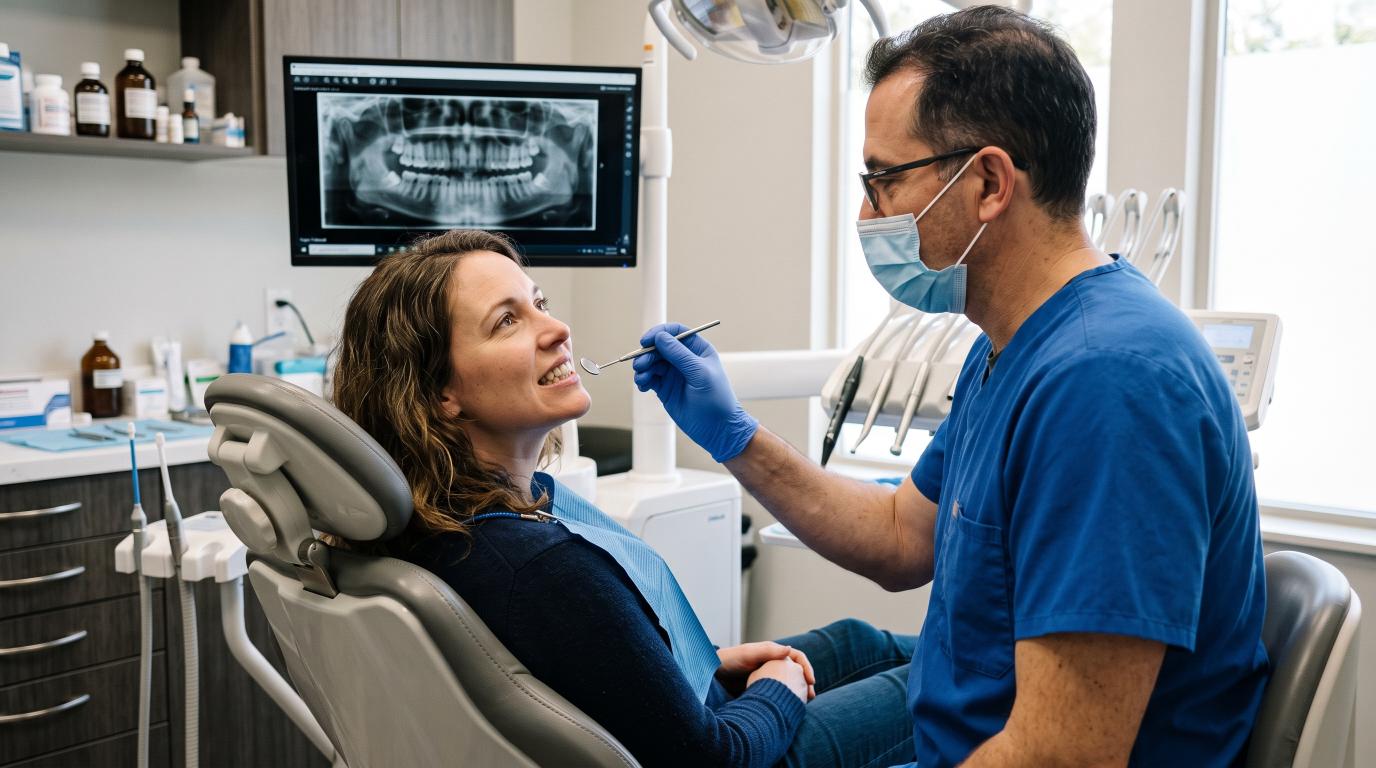
Two people can receive porcelain veneers and have very different before-and-after results. Several factors explain why.
Your Starting Smile
The starting condition places limits on what the veneers need to change. Someone with mild discoloration may need a different plan from someone with worn, rotated, damaged, or widely spaced teeth. The before photograph matters just as much as the after photograph when judging a case.
The Number of Veneers
One veneer must usually blend with surrounding natural teeth. Several veneers allow more teeth to be changed together, but they also require careful planning to keep the smile balanced. There is no single number of veneers that works for every smile.
Your Smile Design
Color is only one part of smile design. The length, width, edge position, tooth display, symmetry, and relationship with the gums can all change how the final result looks. A classic review of porcelain veneers also describes treatment planning, preparation, bonding, esthetics, and clinical performance as connected parts of successful veneer treatment.
The Condition of Your Teeth and Gums
Healthy support around the veneers matters. Decay, gum inflammation, damaged teeth, or other problems may need attention before cosmetic treatment starts. A good-looking veneer cannot replace proper treatment of an unhealthy tooth.
Your Dentist and Dental Laboratory
Porcelain veneers require both clinical planning and careful fabrication. The dentist plans the treatment and prepares the teeth when needed. The laboratory then creates restorations based on those records and instructions. Good communication between the patient, dentist, and laboratory helps keep the final design close to the treatment goal.
How to Read Veneers Before and After Photos
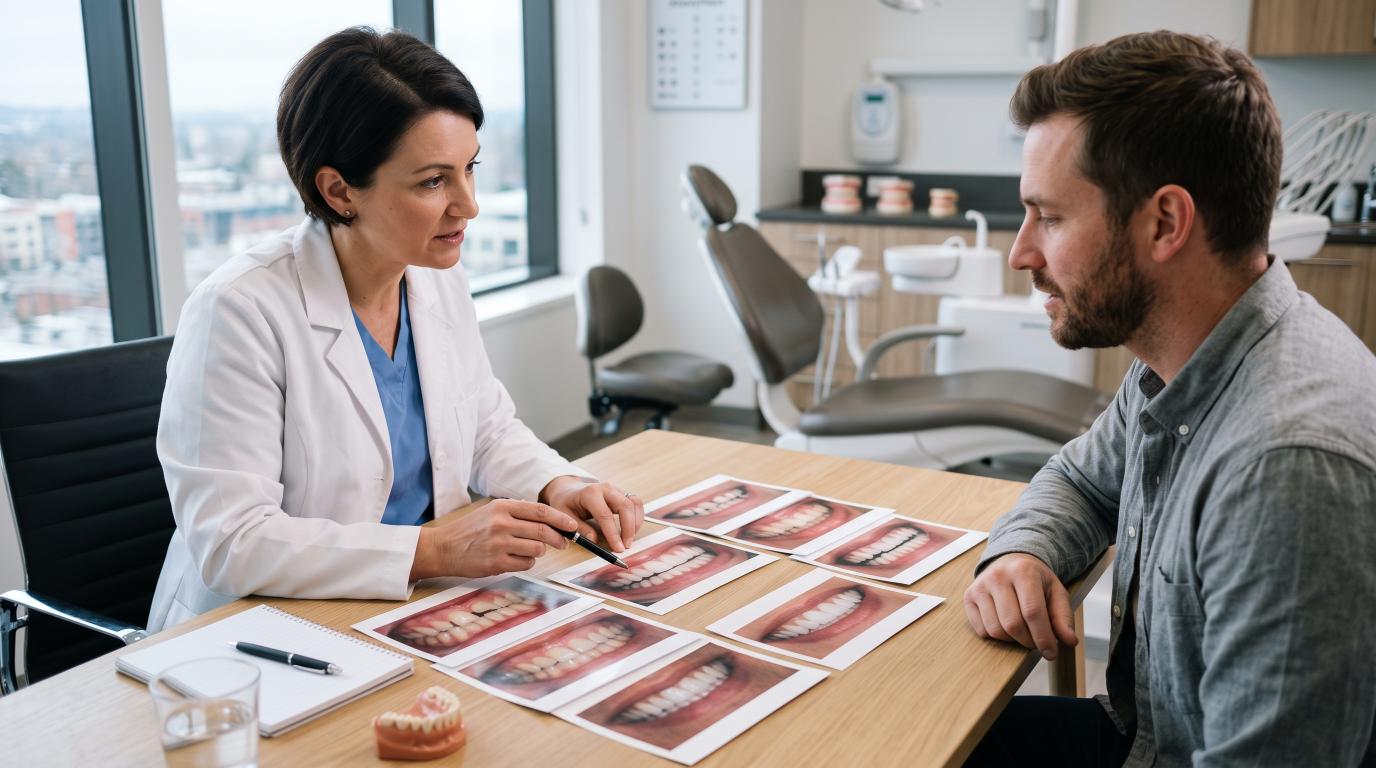
When looking at veneers before and after photos, first compare the starting condition of the teeth with the final result. Look at changes in color, shape, spacing, tooth length, and overall smile balance. It also helps to compare photos taken from similar angles and under similar lighting, since different lighting can make teeth appear brighter or darker.
You should also check whether veneers were the only treatment performed. Some smile makeovers may include whitening, crowns, bonding, orthodontics, or gum treatment. Before-and-after photos can show what was possible for another patient, but they cannot guarantee the same result for your smile.
How Long Do Porcelain Veneers Before and After Results Last?
Porcelain veneers are designed as a long-term dental restoration, but no restoration should be expected to last forever. Their condition over time depends on the health of the supporting tooth, bonding, bite forces, oral care, habits, material, treatment design, and other individual factors.
Research has followed porcelain veneers over many years, but published results should not be turned into a guaranteed lifespan for one patient. An extensive review of porcelain veneer research found that clinical success depends on factors such as case selection, preparation, bonding, and maintenance.
A veneer may eventually chip, loosen, wear, develop changes around its edge, or require replacement. The most useful question is not simply, “How many years will veneers last?” It is also, “What can I do to protect them?”
Caring for Your Smile After Porcelain Veneers
Once veneers are placed, the goal changes from designing the smile to maintaining it.
Daily Brushing and Flossing
Veneers do not remove the need to care for the natural teeth underneath and around them. Brush regularly and clean between the teeth to help control plaque around the veneer margins and gums.
Regular Dental Visits
Dental visits allow the dentist to check the veneers, surrounding gums, natural teeth, and bite. Small changes may be easier to manage when they are found early. The right visit schedule depends on your individual oral health needs.
Protecting Your Veneers From Damage
Porcelain is strong, but veneers can still chip or fracture. Avoid using your teeth to open packages, tear objects, or bite hard non-food items. If you grind or clench your teeth, tell your dentist. Your bite and habits may affect the treatment plan and aftercare recommendations.
What to Avoid After Treatment
Avoid habits that place unnecessary force on the veneers. This includes chewing ice, biting pens, opening items with the teeth, or repeatedly biting very hard objects with the front teeth. Good care does not guarantee that a veneer will never need repair, but it can help protect the restoration and the tooth supporting it.
Are Porcelain Veneers Right for Your Smile?
Veneers may be considered when the main goal is to improve visible concerns involving color, shape, minor spacing, chips, wear, or uneven teeth. However, cosmetic concerns should be evaluated along with oral health. Healthy teeth and gums provide a better starting point for treatment.
If there is decay, active gum disease, serious tooth damage, or a significant bite problem, another treatment may need to come first. In some situations, whitening, bonding, orthodontic treatment, crowns, or another option may better match the problem. An examination is the best way to understand which choices apply to your teeth.
Conclusion
Porcelain veneers before and after results can involve changes in tooth color, shape, size, spacing, and the overall balance of a smile. The amount of improvement depends heavily on what the teeth look like before treatment and what the treatment is designed to accomplish.
The best way to judge veneer results is to look beyond tooth whiteness. Consider the starting condition, shape, proportions, gums, number of treated teeth, and whether other procedures were involved. Your own treatment should be planned around your teeth and goals rather than copied from another person’s photograph.
Schedule a Porcelain Veneers Consultation
If you are considering porcelain veneers in Gilbert, AZ, Vista Dorada Dental can evaluate your teeth and discuss the changes you would like to make to your smile. A consultation can help you understand whether veneers are appropriate, how many teeth may need treatment, and what results are realistic for your starting smile. Contact us at 480-963-9900 or request an appointment to discuss your porcelain veneer options.
Frequently Asked Questions
How much do porcelain veneers change your teeth?
The amount of change depends on the starting teeth and treatment plan. Veneers may alter visible color, shape, size, edge position, and small spaces. Some cases need only subtle changes, while others involve several teeth and a larger smile redesign.
Do porcelain veneers look natural before and after treatment?
They can be designed to look natural when color, shape, size, surface details, and proportion are planned around the person’s smile. Very bright or perfectly identical teeth are not required for a good result.
How many veneers do you need for a smile makeover?
There is no standard number. Some people need only one or two teeth treated, while others may consider several veneers across the visible part of the smile. The number depends on which teeth show when you smile and what you want to change.
Can porcelain veneers fix crooked teeth?
Veneers may improve the appearance of mild unevenness in selected cases, but they do not physically move teeth like orthodontic treatment does. More significant crowding, rotation, or bite problems may require another approach.
Do porcelain veneers stay white?
Porcelain is selected for color stability, but the overall appearance of your smile can still change over time. Natural teeth around veneers may stain or change shade, and the veneers still need proper cleaning and dental care.
Can you go back to your natural teeth after porcelain veneers?
It depends on how the teeth were prepared. When natural enamel is removed to make room for veneers, that tooth structure does not grow back. Patients should understand the planned preparation before beginning treatment.