






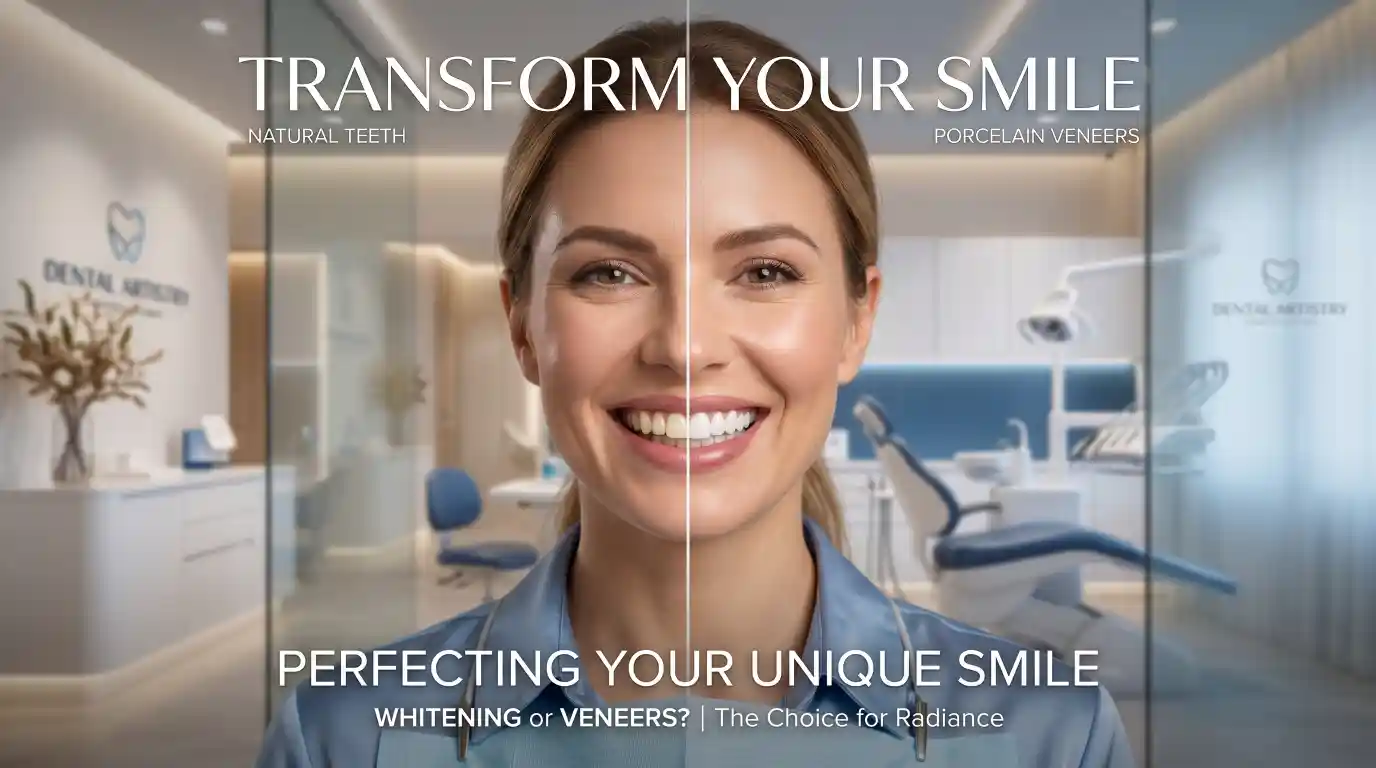
A bright, confident smile can change the way you feel about yourself. But when it comes to getting that smile, many people get stuck on one big question: should they go with whitening or veneers? Both options can make your teeth look better. But they work in very different ways. Choosing the wrong one can leave you disappointed or even cost you more money in the long run. Teeth whitening works best if your teeth are healthy and you like their shape. Veneers may be a better option if you want to fix deep stains, chips, gaps, or uneven teeth at the same time.
The good news is that you do not need to be a dentist to understand the difference. In this guide, we will break everything down in simple terms. By the end, you will know exactly which option matches your smile goals and your budget. Whether you are in Gilbert AZ, looking for a quick smile refresh or a complete transformation, the right treatment starts with understanding your options.
Understanding the Difference Between Teeth Whitening and Veneers
Both treatments can brighten your smile, but they work in very different ways and are not meant for the same problems.
What Is Teeth Whitening?
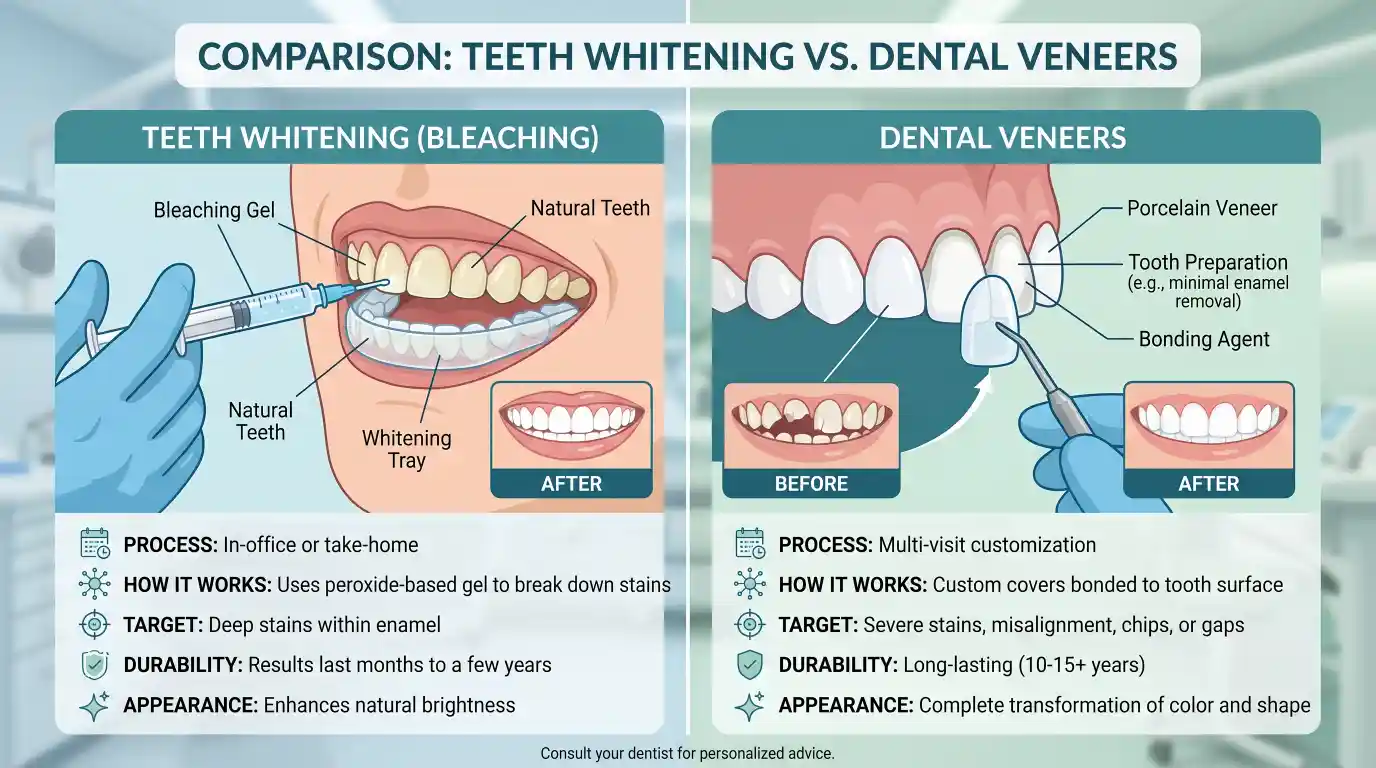
Teeth whitening is a cosmetic treatment that removes stains and discoloration from the surface of your teeth. It uses a bleaching agent, usually hydrogen peroxide or carbamide peroxide, to lighten the color of your natural teeth. You can get this done at a dental office, or you can use at-home whitening kits that your dentist provides.
Whitening does not change the shape or structure of your teeth. It simply lifts surface stains and brightens the natural shade. Results can last anywhere from a few months to a couple of years, depending on your diet and habits.
What Are Dental Veneers?
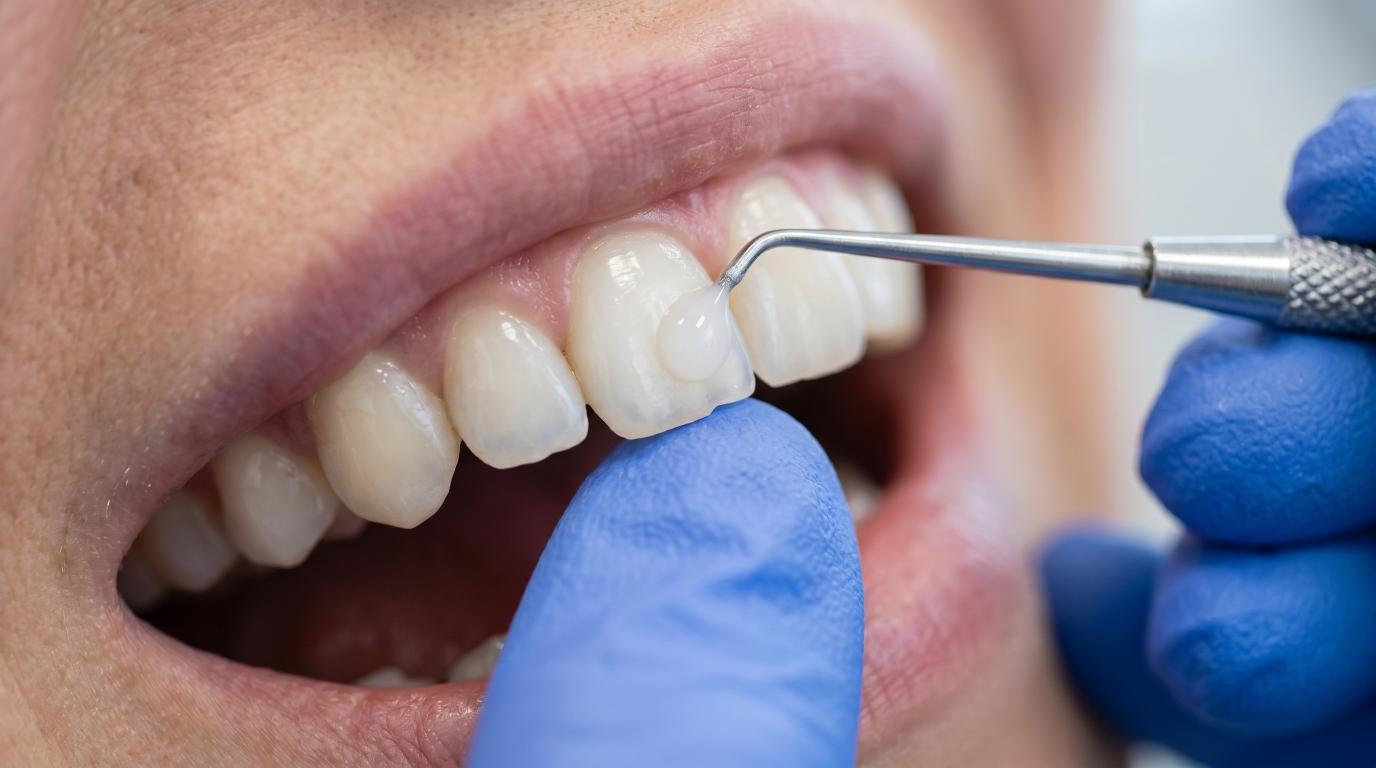
Dental veneers are thin shells that are bonded to the front of your teeth. They are usually made from porcelain or composite resin. Veneers cover the entire visible surface of the tooth, which means they can change both the color and the shape of your smile.
Getting veneers is a more involved process. Your dentist will remove a small amount of enamel from your teeth so the veneers fit properly. Once placed, they are permanent and cannot be removed without replacing them with new veneers or other restorations.
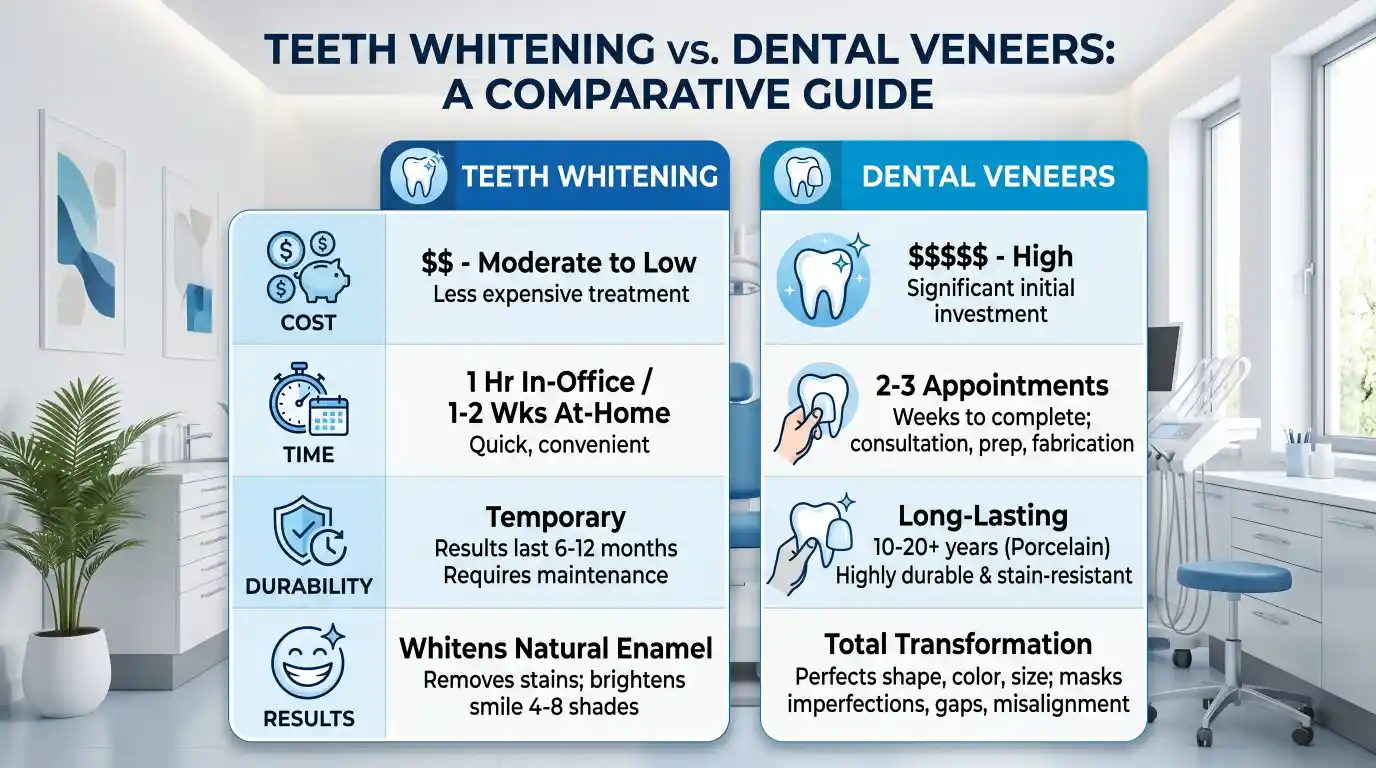
Teeth Whitening vs. Veneers: Side-by-Side Comparison
When people compare whitening or veneers, they often focus only on cost or results. But there are many other factors that matter just as much. Understanding how these two treatments differ in every way helps you make a smarter decision before sitting in the dentist’s chair.
Purpose and Results
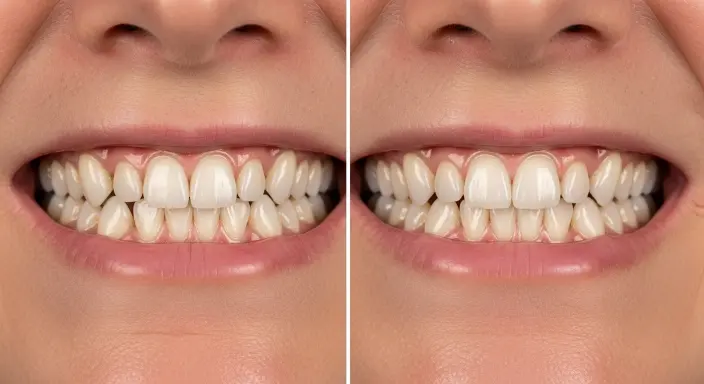
Whitening brightens the natural color of your existing teeth. It does not change anything about their shape or structure. Veneers go further by transforming the entire look of your smile. They can change color, shape, length, and spacing all at once.
Types of Stains They Can Treat
Whitening only works on stains that sit on the outside of the tooth, like those from coffee, tea, wine, or tobacco. Veneers are a better option for stains that sit deep inside the tooth, such as those caused by medication or injury, because they cover the tooth completely rather than trying to bleach it.
Appearance and Natural Look
Both treatments can give you a very natural-looking smile. Whitening keeps everything subtle because your real teeth stay intact. Porcelain veneers reflect light the same way natural enamel does, which makes them look realistic and beautiful at the same time.
Longevity and Durability
Whitening results fade over time depending on your diet and habits. Veneers hold their appearance for many years and do not stain the way natural teeth do, which makes them a more stable long-term option.
Cost
Whitening is the more budget-friendly choice with a lower upfront cost. Veneers require a bigger investment, especially when covering multiple teeth, but their long lifespan can make them worth the expense over time.
Procedure Time
Whitening is done in a single short visit. Veneers take longer because your dentist needs to prepare your teeth, send impressions to a lab, and then bond the finished veneers in a separate appointment.
Reversibility
This is one of the biggest differences between the two. Whitening is completely reversible and does not alter your teeth at all. Veneers require removing a thin layer of enamel, which means the change is permanent and your teeth will always need some form of coverage going forward.
When Is Teeth Whitening the Better Choice?
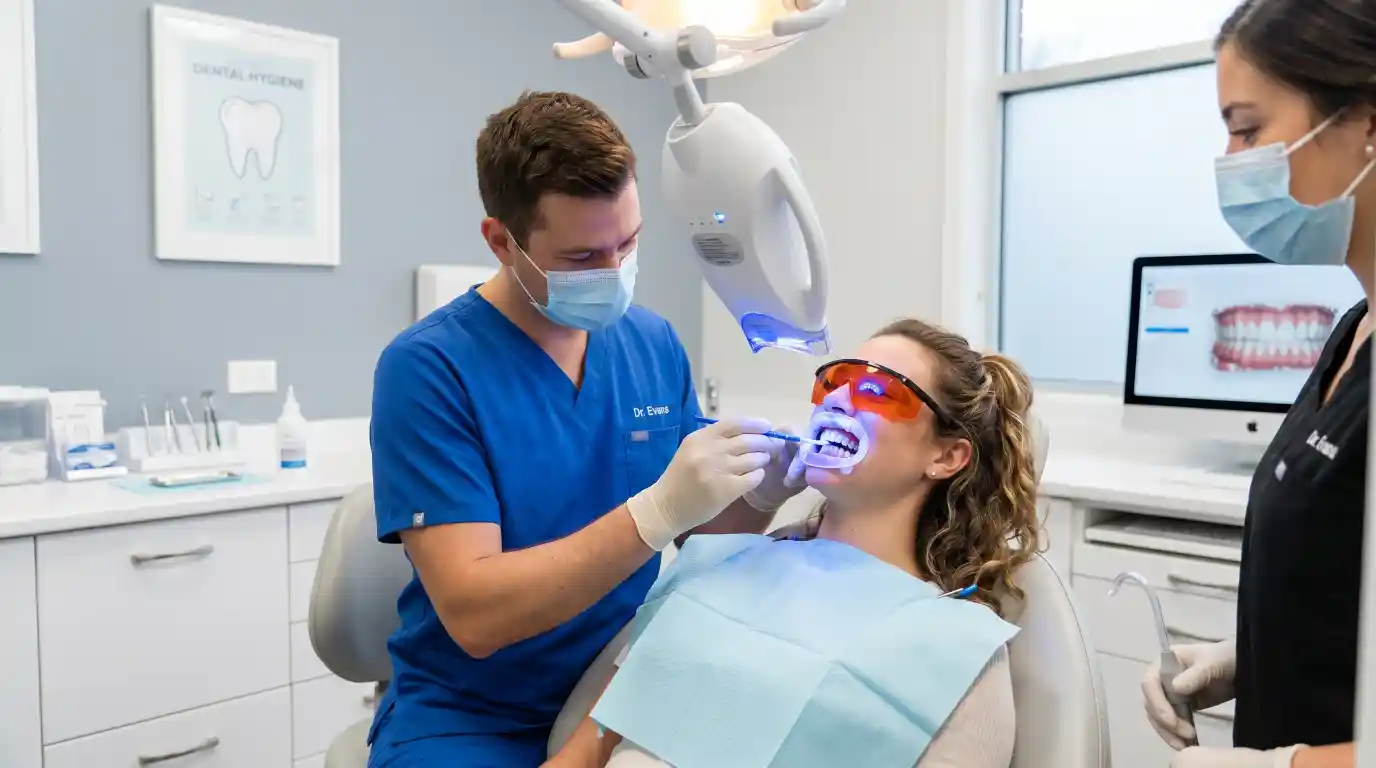
Teeth whitening is the better choice when your teeth are healthy and your stains are mild to moderate. If your discoloration comes from coffee, tea, wine, or tobacco, whitening can clear that up quickly and affordably. It works best for people who have good tooth structure and just want a brighter, fresher version of their natural smile.
It is also the smarter pick if you are working with a limited budget or want fast results without multiple dental visits. A single in-office session can make a noticeable difference. If your teeth and gums are in good condition and color is your only concern, whitening gives you everything you need without overcomplicating things.
When Are Teeth Veneers the Better Option?
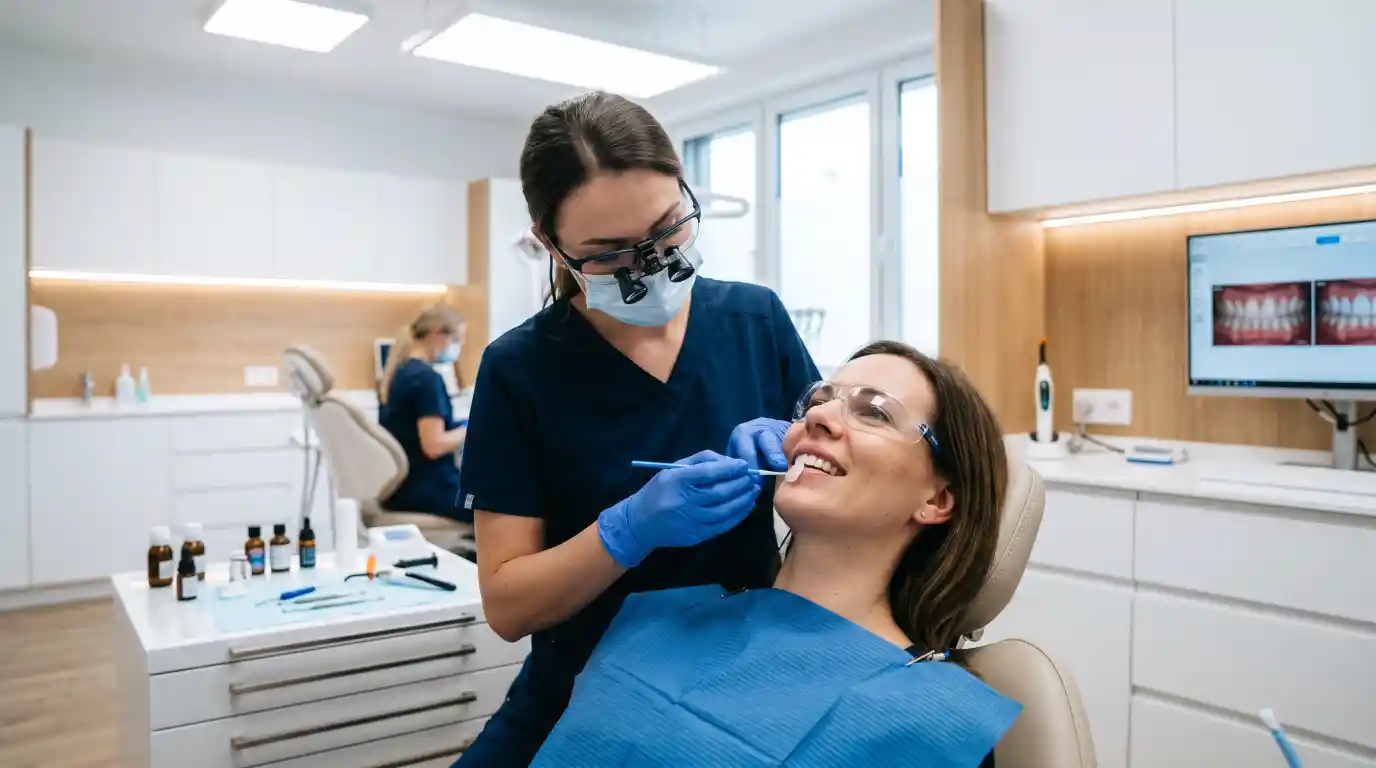
Veneers are the better option when whitening simply cannot fix the problem. If your stains are deep, caused by medication, injury, or fluorosis, bleaching agents will not reach them. Veneers cover all of that completely. If you have chipped, cracked, uneven, or gapped teeth, veneers fix everything at once and give you a fully transformed smile.
Porcelain veneers can last well over a decade with proper care, making them a one-time solution for multiple smile concerns. If you want a complete smile makeover that holds up for years, veneers deliver results that whitening alone never could.
What Whitening Can and Cannot Fix
Surface stains build up on the outer layer of the tooth, called the enamel. These come from food, drinks, and tobacco. Whitening gel breaks apart these stain molecules and lifts them away. Internal stains, on the other hand, are locked inside the dentin layer of the tooth. No amount of surface bleaching will change those.
Some teeth simply do not whiten well. Teeth with internal stains, teeth that have been heavily restored, or teeth affected by certain conditions may not respond to whitening at all. If this is the case, your dentist will usually recommend veneers or another cosmetic option instead.
Can You Combine Teeth Whitening and Veneers?
Yes, you can combine teeth whitening and teeth veneers for a more complete smile.
How Combination Treatments Work
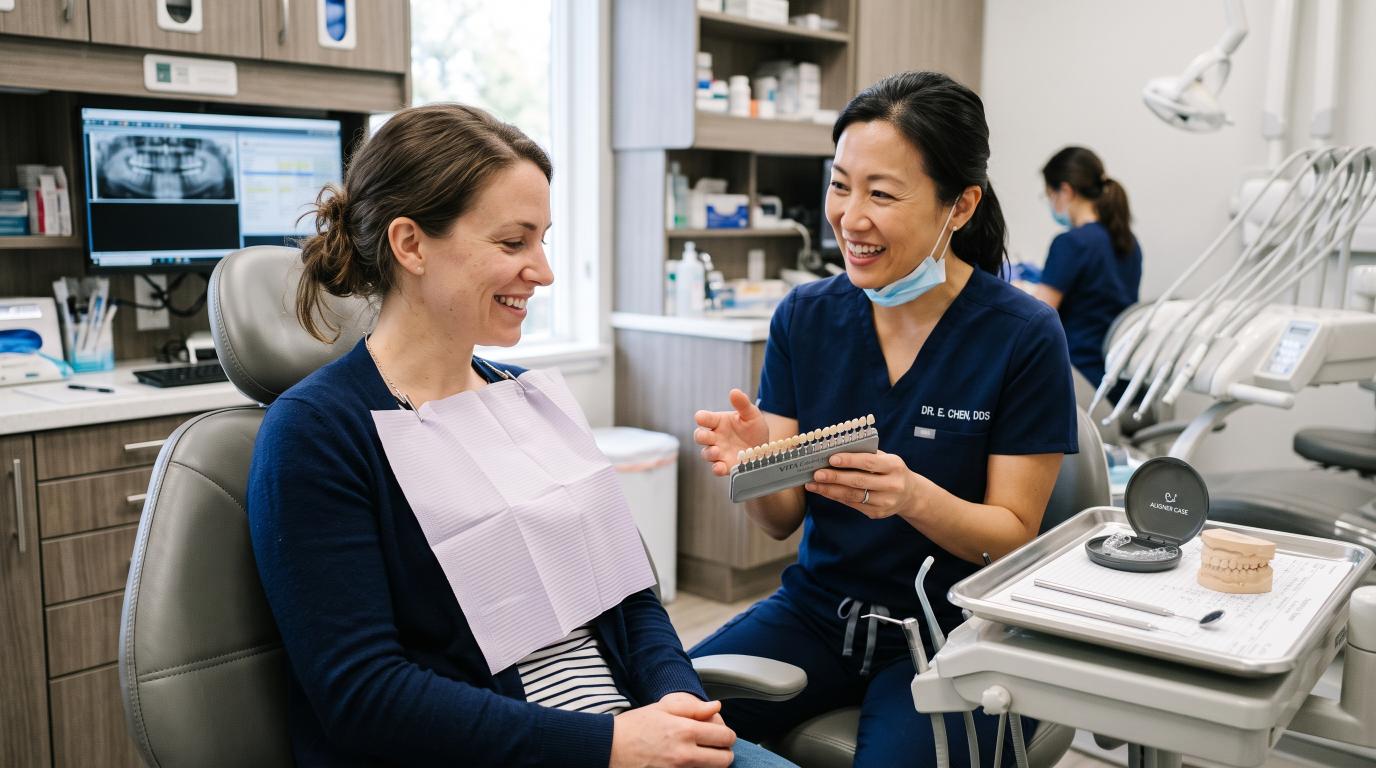
Yes, you can use both treatments together. The right order matters though. You should always whiten your natural teeth first, then get your veneers matched to that new brighter shade. This way everything looks consistent across your whole smile.
Benefits of Using Both Treatments Together
Combining both gives you a more balanced and complete result. If you only want veneers on a few teeth, whitening the rest ensures all your teeth match in color. This approach works especially well for full smile makeovers and gives a very natural, seamless look that neither treatment could achieve on its own.
Factors to Consider Before Making Your Decision
Several factors can help you decide which treatment is the best fit for your smile.
Your Current Tooth Color
If your teeth are only a few shades darker than you want, whitening can usually close that gap. If your teeth are very dark, gray, or heavily stained, you may need veneers to achieve your desired result. Think about where you are starting from and how much change you want to see.
Overall Oral Health
Your oral health must be in good condition before any cosmetic treatment. If you have cavities, gum disease, or infection, those issues need to be treated first. Whitening on unhealthy teeth can cause pain and sensitivity. Veneers on unhealthy teeth will not last as long and can cause serious problems.
Budget and Maintenance
Think about how much you are comfortable spending both now and in the future. Whitening costs less upfront but needs regular touch-ups. Veneers cost more initially but may save you money over time if they last many years without needing replacement. Consider the long-term cost before deciding.
Desired Results and Expectations
Be honest with yourself about what you want. If you just want whiter teeth, whitening is enough. If you want to change the shape, size, or fix chips and cracks along with color, veneers give you a more complete solution. Clear expectations will help you and your dentist make the right choice.
How to Decide: Whitening or Veneers?
The best way to decide is to look at what your teeth actually need, and when in doubt, let your dentist guide you to the right choice.
Choose Whitening If:
- Your stains are mild and sit on the surface
- Your teeth and gums are healthy
- You want a quick and affordable option
- You do not want any permanent changes to your teeth
- Color is your only concern
Choose Veneers If:
- Your stains are deep and whitening has not worked before
- You have chipped, cracked, or uneven teeth
- You want to fix gaps or minor alignment issues
- You are looking for a long-lasting smile transformation
- You are ready to invest in a complete smile makeover
Book Your Smile Consultation at Vista Dorada Dental
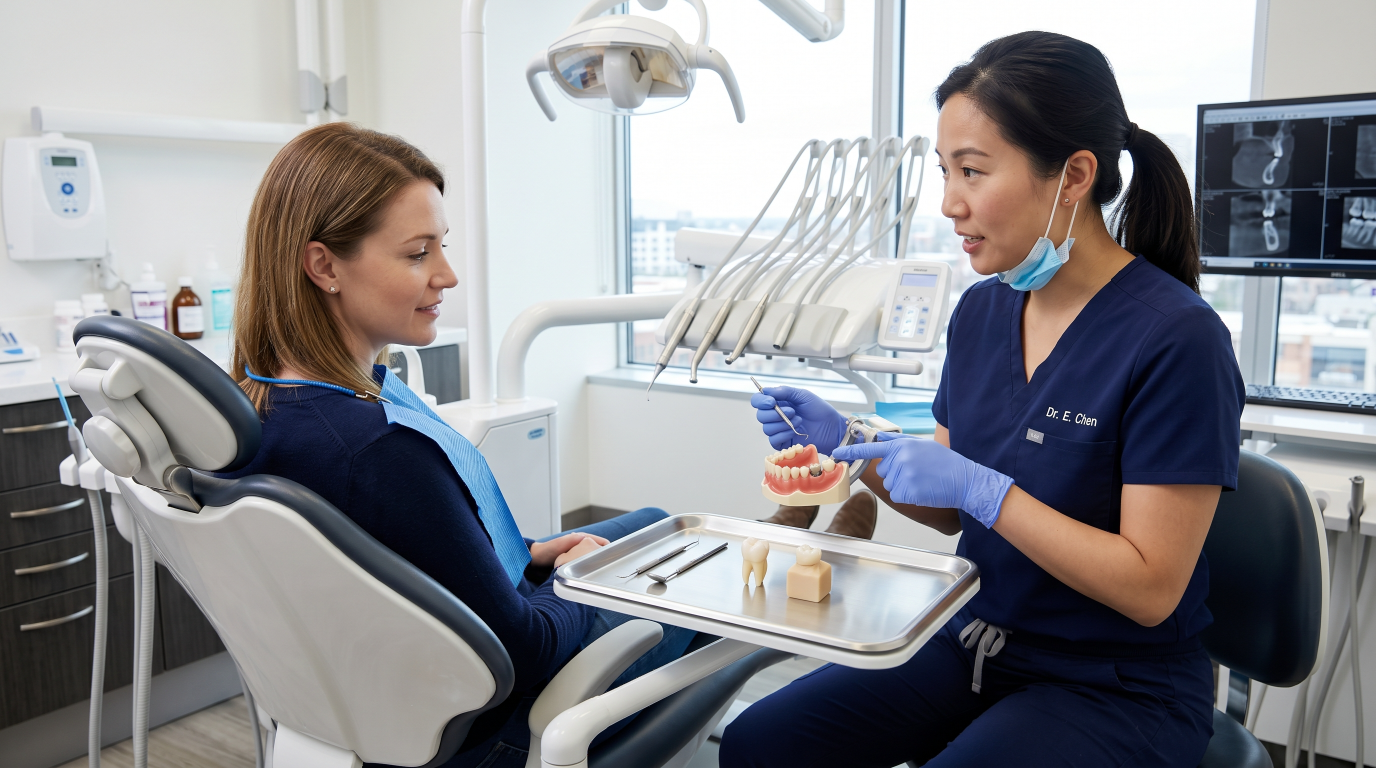
At Vista Dorada Dental in Gilbert AZ, our team helps patients find the right cosmetic treatment for their smile every day. Whether you are considering whitening or veneers, we will walk you through your options, check your oral health, and give you an honest recommendation that fits your goals and your budget. Contact us today and take the first step toward the smile you have always wanted.
Conclusion
The choice between whitening or veneers comes down to your teeth, your goals, and your budget. There is no single right answer for everyone. If your teeth are healthy and you just want a brighter shade, whitening is fast, affordable, and gets the job done without any permanent changes.
If your stains are deep or you want to fix chips and shape along with color, veneers are the better investment and will last much longer. Not sure which one fits you? Talk to your dentist. One honest conversation can save you time, money, and disappointment. Your smile deserves the right treatment, not just the quickest one.
Frequently Asked Questions
Is teeth whitening safer than veneers?
Whitening is generally considered the safer option because it does not require removing enamel. However, both treatments are safe when performed by a qualified dentist. Whitening can cause temporary tooth sensitivity, while veneers carry a small risk of chipping or sensitivity at the tooth preparation stage.
Do veneers look natural?
Yes, modern veneers, especially porcelain ones, look very natural. They are custom-made to match the shape and shade of your other teeth. Most people will not be able to tell the difference between veneers and natural teeth if the work is done well.
Which option is more affordable?
Whitening is much more affordable than veneers. A professional whitening treatment can cost a few hundred dollars, while veneers can cost over a thousand dollars per tooth. If cost is a major factor, whitening is the clear winner in terms of upfront expense.
Can whitening remove all stains?
Whitening works well on surface and mild stains but cannot remove deep or internal stains. Stains caused by medications, injury, or certain health conditions do not respond well to whitening. For those cases, veneers are a better option.
How long do veneers and whitening results last?
Whitening results last 6 months to 2 years. Porcelain veneers can last 10 to 15 years or more. Composite veneers last about 5 to 7 years. Regular dental care and good habits will extend the lifespan of both.
Are the procedures painful?
Most people do not feel pain during whitening, though some experience temporary sensitivity afterward. Getting veneers involves light tooth preparation which is done under local anesthesia, so you should not feel pain during the procedure. Some sensitivity can occur in the days after.
Can I whiten my teeth after getting veneers?
Whitening products do not affect the color of veneers. The bleaching agents only work on natural tooth enamel. If you whiten after getting veneers, it may change the color of your natural teeth but not the veneers, which could create a mismatch. This is why dentists recommend whitening before placing veneers, not after.