






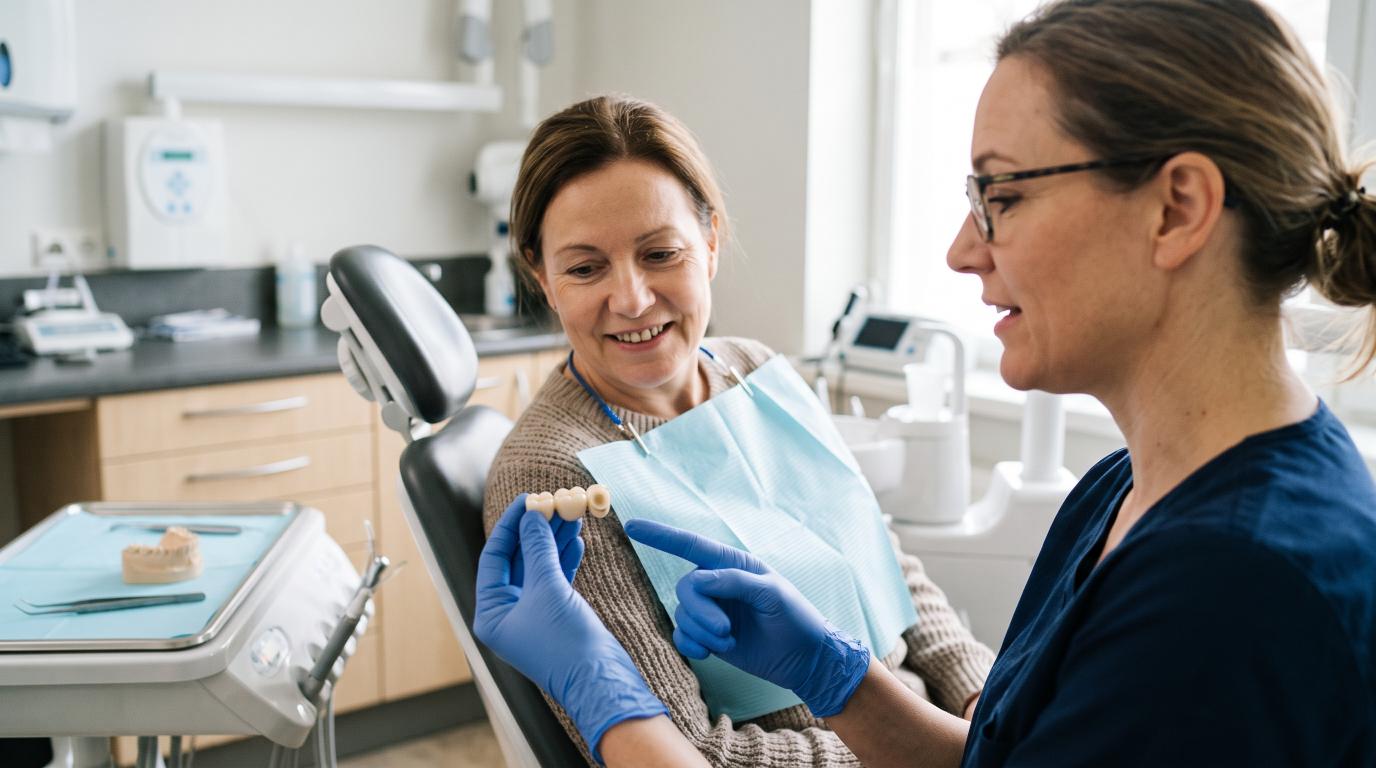

Yes, fluoride treatment is safe for children’s teeth when used in recommended amounts. Professional fluoride varnish helps strengthen enamel, prevent cavities, and slow early tooth decay. It is also considered safe for toddlers when applied correctly. However, swallowing too much fluoride over time during tooth development can cause dental fluorosis, so proper use matters.
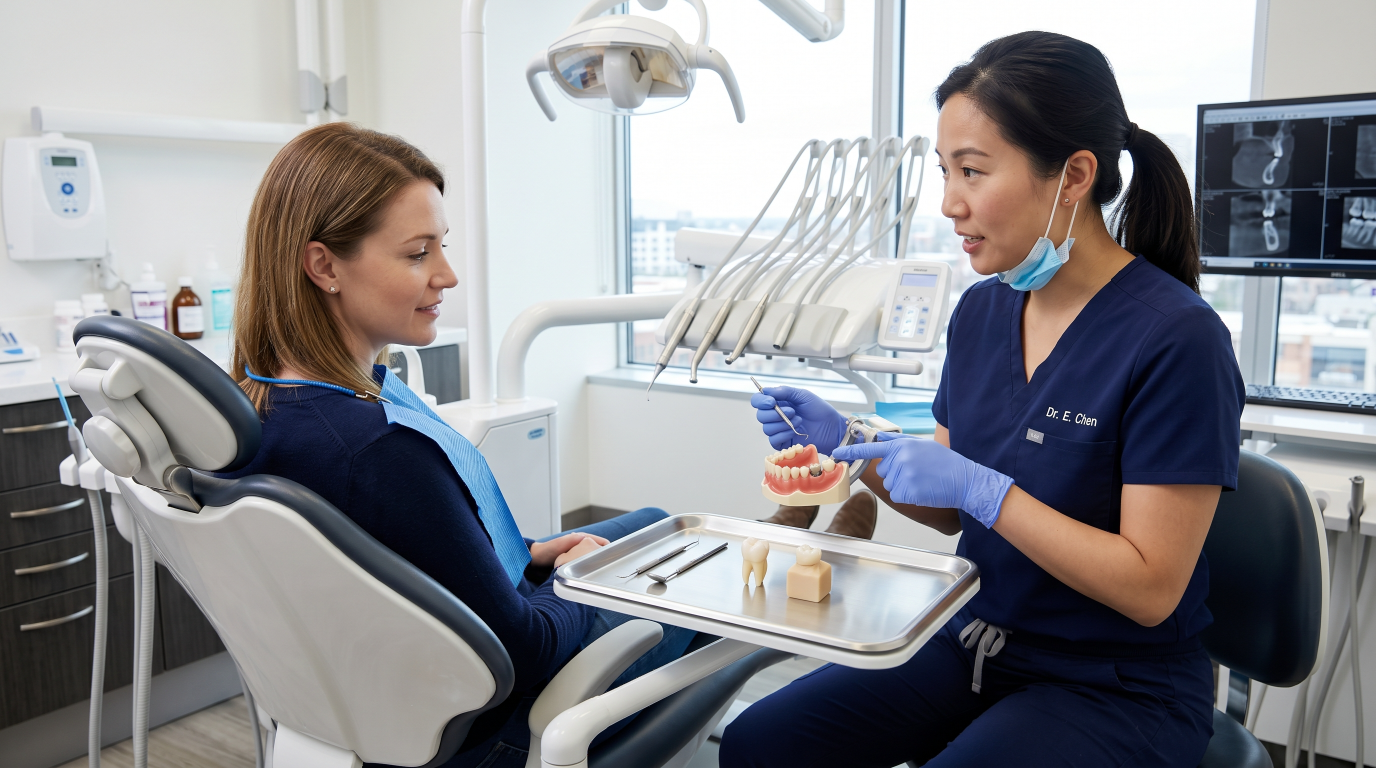
Parents should understand how fluoride treatment for children differs from daily toothpaste use. At Vista Dorada Dental in Gilbert, AZ, families can discuss their child’s cavity risk, fluoride exposure, and appropriate preventive care. This guide explains the benefits, possible risks, age-based recommendations, and what parents should expect during and after a professional fluoride application.
What Is Fluoride and Why Is It Important for Children?
Fluoride is a natural mineral that has been used in dentistry for decades. It makes teeth stronger and more resistant to the acid that causes cavities. It also helps with remuneration meaning it can repair early decay before it turns into a real cavity. Children need this protection more than adults because their enamel is thinner and softer, making young teeth easier targets for decay. Cavities in baby teeth can cause pain, trouble eating, and even damage to the permanent teeth growing underneath.
How Fluoride Works in Children’s Teeth

Every time your child eats something sugary, bacteria in the mouth release acid that slowly eats away at the enamel. Over time, this leads to cavities. Fluoride works like a shield. It strengthens enamel by attracting calcium and phosphate to rebuild what acid breaks down. If early damage has already started, fluoride can even reverse it before a real cavity forms. This is why fluoride is not just about preventing cavities. It is about keeping your child’s teeth strong through years of eating and growing.
Is Fluoride Treatment Safe for Children’s Teeth?
Yes, professional fluoride treatment is generally safe for children when applied correctly. Dentists use a small, measured amount of fluoride varnish that stays in contact with the teeth while limiting how much is swallowed. It can be used for young children, including toddlers, after their first teeth appear.
The American Dental Association’s clinical guidelines recommend 2.26% fluoride varnish for children younger than six who are at risk of cavities. Other professional fluoride products may be appropriate for older children. The dentist considers age, cavity risk, and existing fluoride exposure before recommending treatment.
Types of Fluoride Treatments for Children
There are several types of fluoride treatments available for children, each designed to strengthen teeth, prevent cavities, and support healthy oral development.
Fluoride Toothpaste
Fluoride toothpaste is the most common form of fluoride for children, used twice a day during regular brushing. Pediatrics’s dentists recommend fluoride toothpaste in small amounts from the first tooth onward. For children under 3, use only a tiny smear, about the size of a grain of rice. From ages 3 to 6, a pea-sized amount is the right quantity.
Fluoride Varnish
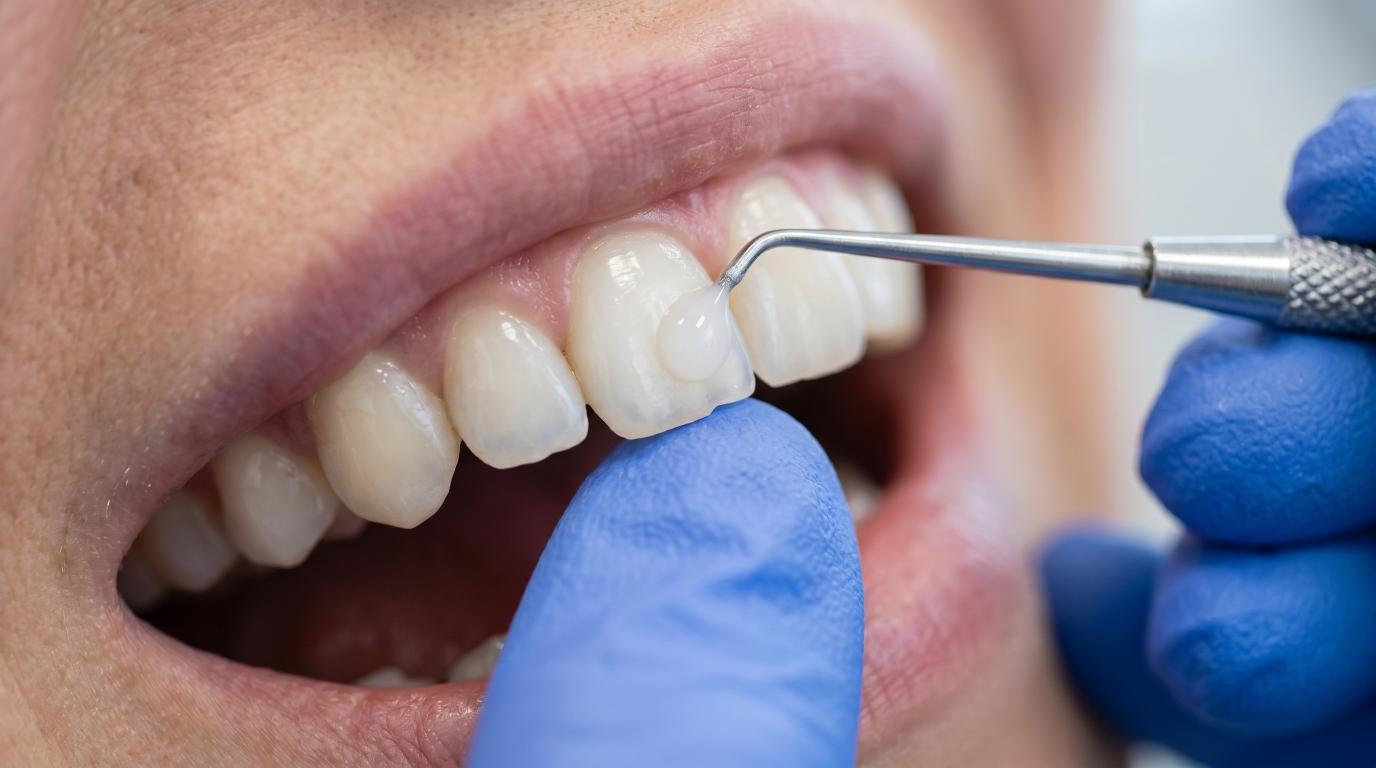
Fluoride varnish is the treatment most commonly applied at dental offices. Your dentist will paint a thin layer of fluoride varnish on your child’s teeth. Fluoride varnish is a sticky yellow or orange substance that often has a pleasant taste. Varnish is much stronger than toothpaste because it delivers a higher concentration of fluoride directly to the tooth surface. The varnish becomes firm when it contacts saliva and stays on the teeth, helping limit the amount of fluoride your child may swallow.
Fluoride Mouth Rinses
Fluoride mouth rinses provide an additional layer of protection for older children. They are not recommended for children under 6 because younger children have not yet developed the ability to reliably spit rather than swallow. For children 6 and older who are at higher risk for cavities, a dentist may recommend a fluoride rinse as part of the daily oral care routine.
Benefits of Fluoride Treatment in Children
Fluoride treatment helps prevent cavities, strengthens tooth enamel, and slows early tooth decay. It protects both baby teeth and permanent teeth by helping enamel resist acids produced by bacteria. Fluoride can also support remineralization before early enamel damage becomes a permanent cavity.
A Cochrane systematic review of fluoride varnishes examined clinical trials involving children and adolescents and found that fluoride varnish reduces tooth decay. Preventing cavities may reduce the need for fillings and other dental procedures. However, professional applications work best alongside regular brushing, healthy eating habits, and routine dental care.
Are There Any Risks or Side Effects?

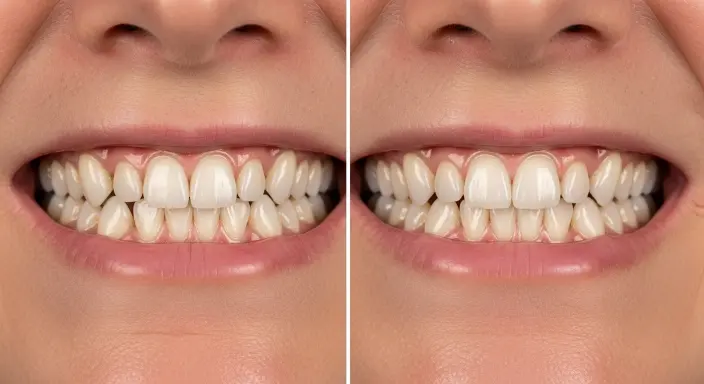
Fluoride treatment is generally well tolerated, but excessive fluoride intake can cause problems. Dental fluorosis develops when children consume too much fluoride while their permanent teeth are forming. Mild cases appear as faint white lines or spots, while more severe cases can cause noticeable enamel changes.
The American Academy of Pediatric Dentistry’s fluoride therapy guidance emphasizes using fluoride according to a child’s age, cavity risk, and overall exposure. Professional varnish limits the amount swallowed, although temporary tooth discoloration or rare reactions to varnish ingredients may occur. Parents should tell the dentist about known allergies and any fluoride supplements their child uses.
Recommended Fluoride Use by Age

The amount of fluoride children need depends on their age, as younger children require smaller amounts to safely protect their developing teeth.
Babies and Toddlers
As soon as your baby’s first tooth appears, it is time to start brushing. Use a soft infant toothbrush and a tiny smear of fluoride toothpaste, no bigger than a grain of rice. This gives the tooth some protection without any risk of too much fluoride. When the first tooth comes in, parents should help brush with a rice grain-size smear of fluoride toothpaste and make an appointment with a dentist.
Children (3 to 6 Years)
At age 3, increase the toothpaste amount to pea-sized. Children this age are learning to brush but still cannot be trusted to spit consistently, so a parent should always be present during brushing. Fluoride varnish treatments at the dentist are also recommended during this period, typically every three to six months depending on cavity risk.
Older Children (6 and Above)
Children 6 and older can begin using fluoride mouth rinse if their dentist recommends it. They should continue using fluoride toothpaste twice daily. At this age, children can brush more independently, but parents should still check in regularly to make sure they are brushing properly and spitting out the toothpaste.
Does Every Child Need Professional Fluoride Treatment?
Children do not all need professional fluoride applications at the same frequency. A dentist considers previous cavities, diet, brushing habits, early enamel changes, and fluoride exposure before recommending treatment. Children with a higher risk of tooth decay may benefit from more frequent applications.
The American Academy of Pediatric Dentistry’s fluoride policy supports professional fluoride treatment for individuals at risk of cavities. A child’s treatment schedule should reflect their individual needs rather than a fixed schedule for everyone. Parents can discuss these factors during regular dental checkups to determine whether additional fluoride protection is appropriate.
Fluoride Varnish: What Parents Should Expect
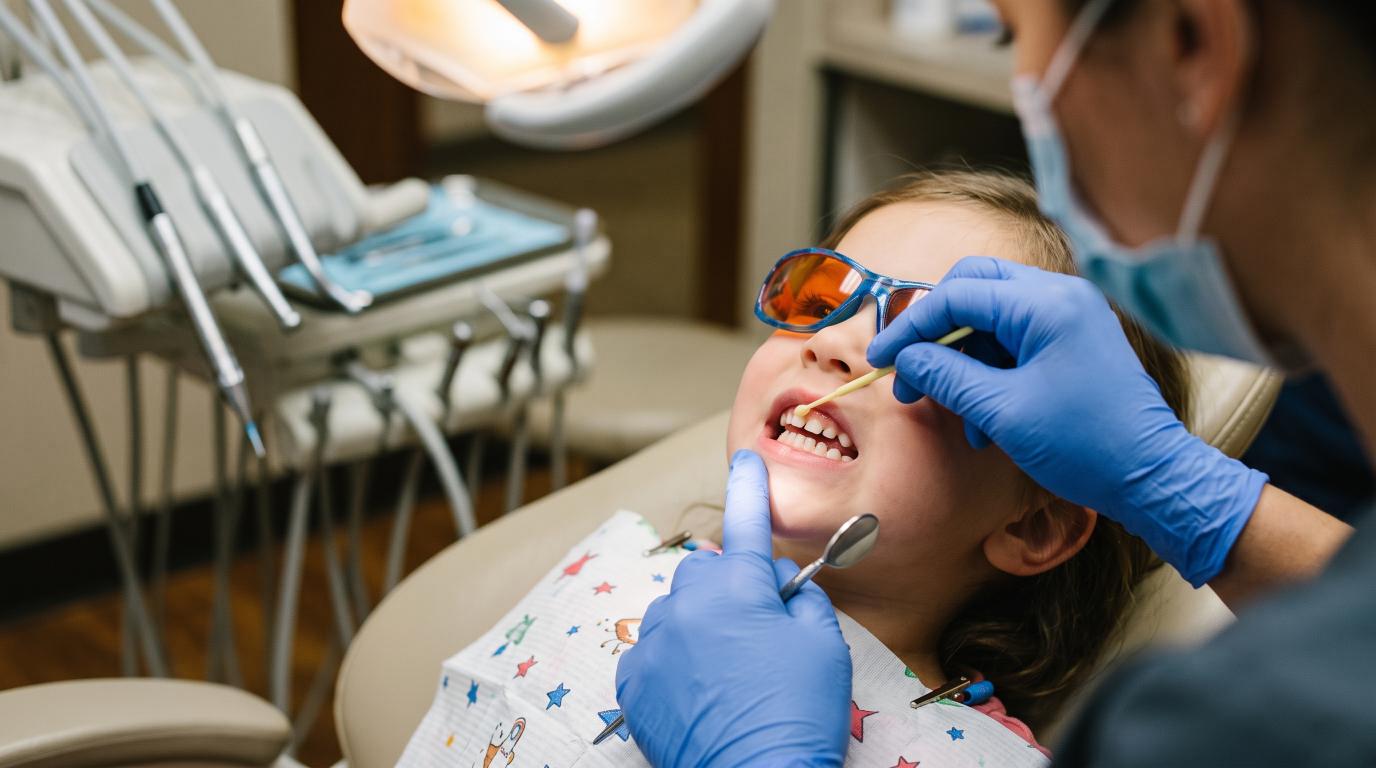
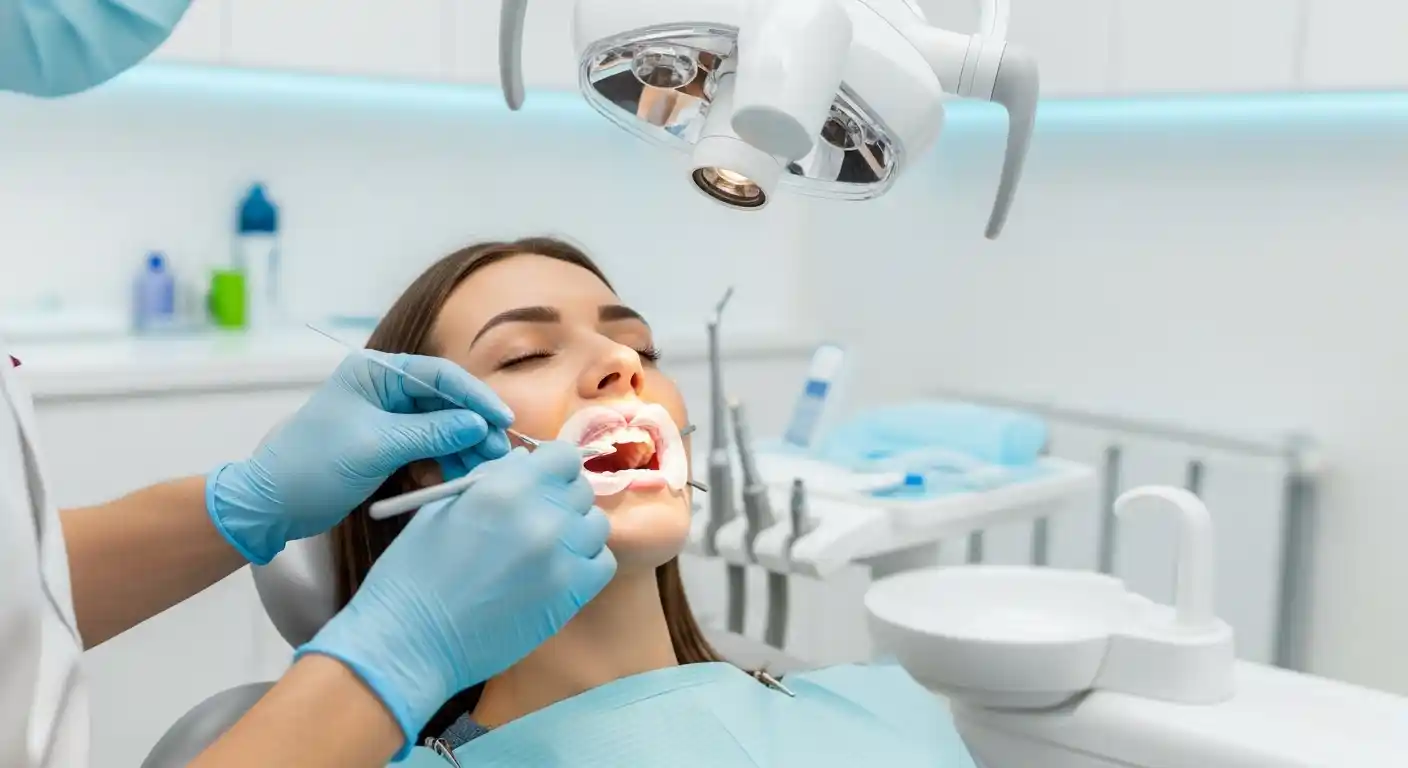
Fluoride varnish application is quick, painless, and usually takes only a few minutes. The dentist or hygienist uses a small brush to paint a thin coating onto your child’s teeth. The varnish becomes firm when it contacts saliva, helping it remain on the tooth surfaces.
Younger children may sit on a parent’s lap during the appointment to help them feel comfortable. No drilling or injections are required. Your child might notice a temporary coating or slightly different tooth color, depending on the product used. These changes disappear after the varnish is brushed away.
What Should Parents Do After Fluoride Varnish?
Children can usually eat and drink soon after fluoride varnish is applied, but parents should follow the dentist’s aftercare instructions. Soft foods and cool or lukewarm drinks are generally recommended. Avoid hard, crunchy, or very hot foods while the varnish remains on the teeth.
According to the American Academy of Pediatrics’ fluoride varnish guidance, parents should wait at least four to six hours before brushing or flossing their child’s teeth. Some products require waiting until the next morning. Following these instructions helps the varnish remain in place for the recommended period.
Tips for Safe Fluoride Use at Home
- Use a rice-grain smear of toothpaste for children under 3 and a pea-sized amount from ages 3 to 6. Never put a long stripe on the brush.
- Supervise brushing until your child is at least 7 or 8 years old. Watch the process and remind them to spit every time.
- Teach your child to spit toothpaste out as early as possible. Make it a habit from the very first brush.
- Keep toothpaste stored out of reach when not in use. Many children’s toothpastes are sweet flavoured and young kids may treat them like a snack.
- Do not rinse with water right after brushing. Let the fluoride sit on the teeth for a few minutes to do its job.
- Ask your dentist about your local tap water. If it is not fluoridated, your child may need extra fluoride through varnish or supplements.
When Should Your Child Visit a Dentist?
Schedule your child’s first dental visit no later than his or her first birthday. If your baby has teeth, he or she can get cavities. This early start is important for you and your child to begin good habits and develop a positive relationship with your dentist.
After the first visit, most children should see a dentist every six months. Children who are at higher risk for cavities may need to go more often. Signs that your child may need to see a dentist sooner include white spots on teeth, tooth sensitivity to hot or cold, visible dark spots or holes, or complaints of tooth pain.
Ask About Fluoride Treatment for Your Child in Gilbert, AZ
If you are concerned about fluoride treatment safety or unsure whether your child needs additional protection, Vista Dorada Dental in Gilbert, AZ, can help. Our dental team can review your child’s oral health, discuss cavity risk, and explain the available preventive treatment options.
Contact Vista Dorada Dental to schedule your child’s dental appointment and learn whether professional fluoride treatment is appropriate for their needs.
Conclusion
Fluoride treatment is generally safe for children, including toddlers, when used correctly and in recommended amounts. It helps prevent cavities, strengthens enamel, and supports early tooth decay prevention. Professional fluoride varnish can provide additional protection when a child’s dental needs call for it. Parents can reduce the risk of excessive fluoride exposure by supervising brushing, using age-appropriate toothpaste amounts, and discussing other fluoride sources with their dentist. Regular dental visits help determine whether additional treatment is needed and how often it should be applied.
Frequently Asked Questions
Is Fluoride Treatment Safe for Toddlers?
Yes. Professional fluoride varnish is generally safe for toddlers when applied correctly. Treatment can begin once the first tooth appears.
How Often Should Children Get Fluoride Treatment?
Fluoride varnish may be applied two to four times per year, depending on a child’s age and cavity risk. Your dentist will recommend the appropriate schedule.
Can Fluoride Reverse Cavities?
Fluoride can help repair early enamel mineral loss before a hole forms. It cannot fill or rebuild a tooth that already has an established cavity.
What Happens if a Child Swallows Toothpaste?
Swallowing a tiny amount is usually not serious, but larger amounts may be harmful. If your child swallows a substantial amount, contact Poison Control at 1-800-222-1222 in the United States.
Is Fluoride Treatment Covered by Dental Insurance?
Many dental insurance plans cover fluoride treatment for children, but coverage depends on the plan, age limits, and treatment frequency. Check with your insurance provider before the appointment.