












Learning how to deal with dental anxiety starts with identifying what makes dental visits stressful. Talking openly with the dental team, practicing slow breathing, and understanding treatment steps can help you manage fear. You can also ask for breaks or discuss comfort options if dental appointments feel overwhelming.
At Vista Dorada Dental in Gilbert, AZ, we understand that dental anxiety can make routine visits difficult. Whether you feel nervous about pain, needles, or past experiences, taking small steps and getting suitable support can make dental care easier to manage.
What Is Dental Anxiety?
Dental anxiety is the fear, nervousness, or stress a person experiences before or during dental appointments. It can range from mild uneasiness about a routine checkup to intense fear that makes receiving dental care difficult.
Some people feel anxious only during certain procedures, while others worry for days before an appointment. Understanding these feelings is an important first step toward managing them and finding appropriate support.
Signs You May Have Dental Anxiety
Dental anxiety can affect your thoughts, emotions, and physical health before or during an appointment. Common signs include persistent worry, avoiding treatment, and physical symptoms that appear when thinking about dental care.
- Feeling nervous before an appointment: You may experience tension, restlessness, or difficulty concentrating when thinking about an upcoming dental appointment.
- Trouble sleeping: Worry about pain, needles, or an unfamiliar procedure may keep you awake the night before a visit.
- Avoiding dental care: Repeatedly canceling appointments or delaying checkups because of fear can indicate dental anxiety.
- Physical symptoms: A racing heartbeat, sweating, shaking, nausea, or feeling lightheaded may occur when anxiety becomes intense.
- Thinking about worst-case outcomes: You may repeatedly imagine painful treatment or worry that something will go wrong.
Recognizing these signs can help you understand when anxiety is affecting your dental care and when additional support may be useful.
What Causes Dental Anxiety?

Dental anxiety can develop from past experiences, personal fears, or uncertainty about dental treatment. Not everyone experiences the same triggers, and some people become anxious even without a previous negative dental visit.
Common causes include fear of pain or injections, unpleasant childhood experiences, unfamiliar dental equipment, and feeling unable to communicate during a procedure. Some patients also worry about the condition of their teeth or feel embarrassed about needing treatment.
Stories about painful dental experiences can influence expectations, even when someone has never experienced those problems personally. Understanding these causes helps identify the concerns that need attention before or during an appointment.
How to Manage Common Dental Anxiety Triggers
Dental anxiety management becomes easier when you understand what causes your fear. Some people worry about needles or pain, while others feel uncomfortable with dental sounds, gagging, or losing control during treatment. Identifying these triggers can help you and the dental team choose practical ways to manage them.
Managing Fear of Needles and Dental Pain
If needles or painful procedures make you nervous, tell the dental team before treatment begins. Ask how the area will be numbed and whether a topical anesthetic may help with injection discomfort. Discussing pain control ahead of time can make dealing with dental anxiety more manageable.
Coping With Dental Sounds and Sensory Triggers
The sound of dental equipment, bright lights, and unfamiliar sensations can increase anxiety. Ask whether you can wear headphones, listen to calming music, or take breaks when appropriate. Let the dental team know which sounds or sensations bother you most so they can explain what to expect.
Managing Gagging and Loss of Control
Some patients become anxious because they have a sensitive gag reflex or feel unable to communicate during treatment. Tell the dental team about these concerns beforehand. They may be able to adjust your position, change the approach, or provide short breaks to help you feel more comfortable.
How to Deal With Dental Anxiety With Practical Tips
Managing dental anxiety often involves a combination of communication, relaxation techniques, and gradual preparation. These practical dental anxiety management tips can help you feel more informed and involved in treatment. Start with the strategies that address your biggest concerns rather than trying everything at once.
Talk to Your Dentist Openly
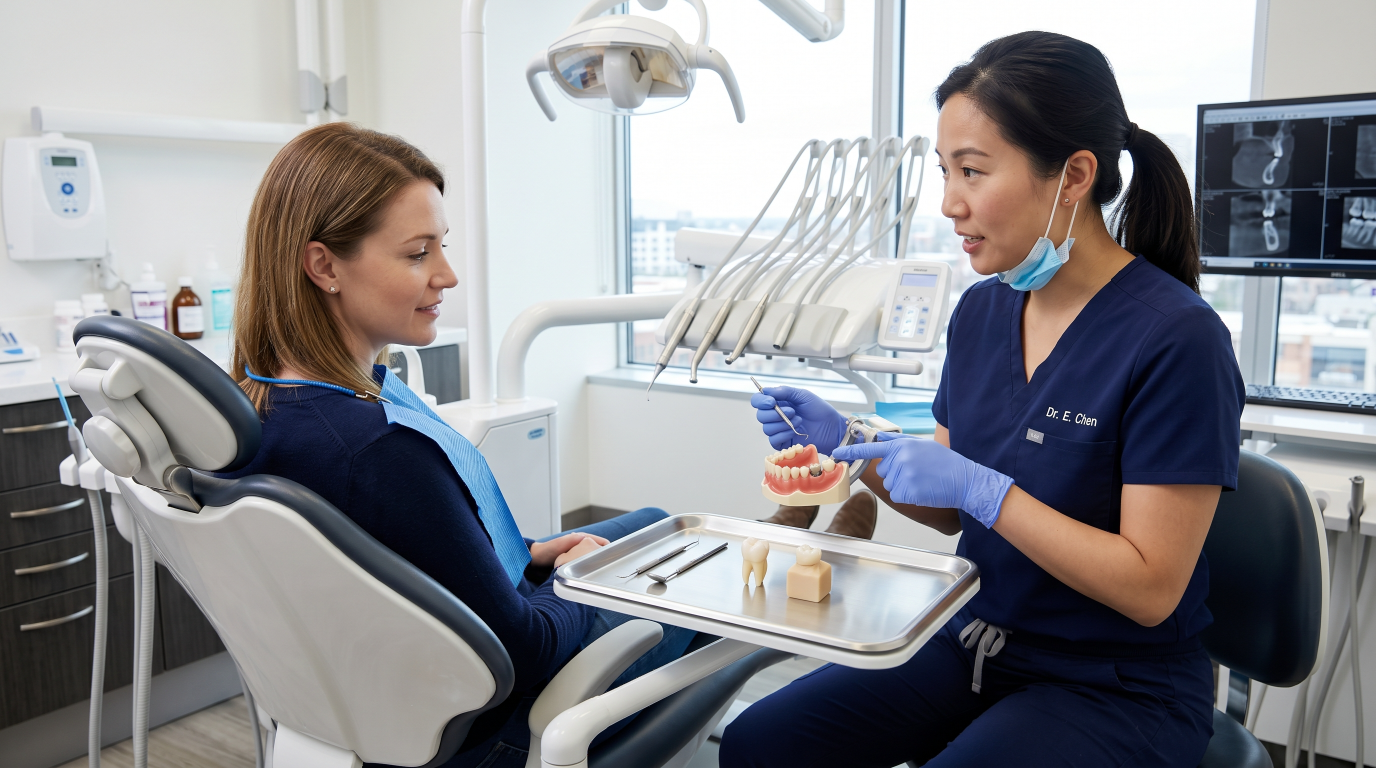
Tell the dental team about your fears before treatment begins. Explain whether you worry about pain, injections, or a previous experience. Clear communication allows the team to understand your concerns, explain procedures, and discuss ways to make the visit more manageable.
Questions to Ask Before Dental Treatment
Asking questions can help reduce uncertainty about dental procedures. Find out what the treatment involves, how discomfort will be managed, and whether breaks are possible. You can also ask the dental team to explain unfamiliar steps before beginning treatment.
Start With a Simple Visit
If a full dental procedure feels overwhelming, consider scheduling an initial consultation. This gives you an opportunity to meet the dental team, explain your concerns, and become familiar with the environment before deciding on treatment. Taking one manageable step at a time may help build confidence.
Relaxation Techniques for Coping With Dental Anxiety
Slow breathing and relaxation exercises can help reduce physical tension before an appointment. Try breathing gently and steadily while relaxing your shoulders and jaw. Listening to calming music or focusing on a peaceful image may also help shift your attention away from anxious thoughts.

Ask About Sedation Options
For some patients, sedation dentistry may help manage moderate or severe dental anxiety. Options can include nitrous oxide or medication-based sedation, depending on the procedure, medical history, and services available. Discuss the possible benefits, risks, and preparation requirements with the dental team before choosing an option.
Bring a Support Person
Having a trusted friend or family member accompany you may provide reassurance before an appointment. Ask the dental office whether someone can remain with you during the visit or wait nearby. If sedation is planned, you may also need someone to accompany you home, depending on the medication used.
Choose a Gentle Dental Clinic
Look for a dental office that takes anxiety seriously and allows you to discuss concerns without feeling rushed. Clear explanations, respectful communication, and a willingness to discuss comfort options are important. A supportive environment can make dealing with dental anxiety easier over time.
What to Do if Dental Anxiety Gets Worse During Treatment
If you become overwhelmed during a dental procedure, tell the dental team immediately. Coping with dental anxiety does not mean forcing yourself to continue when you feel uncomfortable. You can take these steps to regain a sense of control:
- Use an agreed hand signal: Raise your hand to let the dental team know you need a pause.
- Take a short break: Ask for a moment to rest and focus on slow, comfortable breathing.
- Explain what feels uncomfortable: Tell the team if you experience pain, pressure, nausea, or fear.
- Ask what happens next: Understanding the remaining steps may help reduce uncertainty.
- Discuss additional support: If anxiety remains difficult to manage, ask about suitable comfort options before continuing.
These steps may help you feel more involved in your care. Remember that you can communicate concerns throughout the appointment rather than waiting until anxiety becomes overwhelming.
Tips to Prepare Before Your Dental Appointment

Preparing ahead of time can help reduce uncertainty and make an upcoming dental visit feel more manageable. These tips for dental anxiety focus on practical steps you can take before arriving at the clinic.
- Choose a convenient appointment time: Book a time that gives you enough room in your schedule so you do not feel rushed or distracted by other commitments.
- Share your concerns early: Tell the dental team about your anxiety, medical conditions, medications, and previous dental experiences before treatment.
- Follow pre-appointment instructions: Ask about eating, drinking, and medication requirements. Certain sedation procedures require fasting or other specific preparation.
- Prepare your questions: Write down concerns about pain, treatment duration, or comfort options so you can discuss them during the visit.
- Allow time to arrive: Plan your transportation and arrive with enough time to complete paperwork without rushing.
You can also practice a familiar calming routine before leaving home, such as taking a short walk or listening to relaxing music.
How to Return to the Dentist After Years of Avoidance
Returning to the dentist after several years can feel difficult, especially if fear or an unpleasant experience caused you to delay treatment. A gradual approach may help you rebuild confidence without feeling pressured to complete everything at once. Start by contacting a dental office and explaining your concerns. Ask whether your first appointment can focus on a consultation and examination before discussing treatment. This gives you an opportunity to understand your oral health needs and ask questions.
Be open about past experiences, embarrassment, or fear of pain. The dental team can explain recommended procedures, discuss comfort options, and help you understand which concerns need attention first. If you need dental anxiety help after a long break from care, focus on taking one manageable step at a time. Different dental anxiety solutions may be appropriate depending on your symptoms, treatment needs, and level of fear.
When Dental Anxiety Becomes Dental Phobia
Dental phobia involves intense, persistent fear related to dental visits or procedures. Unlike mild nervousness, this fear can interfere with everyday life and make receiving necessary dental care extremely difficult. Some people avoid appointments entirely, while others attend but experience significant distress.
Severe fear may develop from painful experiences, concerns about losing control, or specific triggers such as injections. When anxiety repeatedly prevents dental care or causes overwhelming distress, professional support may be helpful.
The National Institute of Mental Health explains that specific phobias can be treated through approaches such as cognitive behavioral therapy and exposure-based techniques. A qualified professional can help determine whether these approaches are appropriate.
Can Therapy Help With Severe Dental Anxiety?
Cognitive behavioral therapy (CBT) can help people manage persistent dental fears by addressing anxious thoughts and gradually building tolerance for feared situations. A 2025 randomized clinical trial found that an online CBT-based intervention reduced dental anxiety compared with a control group. If fear repeatedly prevents dental visits, consider discussing professional psychological support alongside dental care.
Get Support for Dental Anxiety in Gilbert, AZ
Dental anxiety should not prevent you from discussing your oral health concerns or getting the care you need. At Vista Dorada Dental in Gilbert, AZ, our team understands that patients may feel nervous about dental procedures, injections, or past experiences. We encourage open communication and help patients understand their treatment and available comfort options.
Schedule your appointment today to discuss your dental anxiety and take the next step toward more comfortable dental visits.
Conclusion
Learning how to deal with dental anxiety takes patience, preparation, and an understanding of what causes your fear. Recognizing triggers, discussing concerns with the dental team, and using suitable coping strategies can make appointments easier to manage.
Not every technique works for everyone, and progress may happen gradually. Whether you experience mild nervousness or intense dental fear, taking small steps and seeking appropriate support can help you continue caring for your oral health.
Frequently Asked Questions
How Can I Stop Panicking During a Dental Appointment?
Tell the dental team if you feel overwhelmed and ask for a pause. Slow breathing and taking a short break may help you settle before discussing whether to continue treatment.
What Should I Do if I Have Avoided the Dentist for Years?
Start with a consultation to discuss your concerns and oral health needs. Let the dental team know about your fear so you can discuss a manageable approach to future care.
Can I Ask the Dental Team to Stop During Treatment?
Yes. You can agree on a hand signal before treatment to request a pause. If you experience pain or discomfort, communicate it immediately.
What Helps With Anxiety About Dental Needles?
Tell the dental team about your fear of injections. Ask about numbing options, how the injection will be given, and whether short breaks may help you manage discomfort.
Can Dental Anxiety Be Managed Without Sedation?
Yes, some patients manage dental anxiety through communication, relaxation techniques, and gradual exposure to dental visits. Others may benefit from additional professional support or sedation, depending on their needs.