






Teeth whitening does not damage enamel in most cases when appropriate peroxide-based products are used according to instructions. However, whitening is not completely free from risks. Some treatments can cause temporary tooth sensitivity, gum irritation, or small changes to enamel surface properties, especially when products are misused.
At Vista Dorada Dental in Gilbert, AZ, our team helps patients understand how teeth whitening works and which options may be suitable for their oral health. This guide explains the effects of whitening on enamel, possible side effects, safety precautions, and when to consult a dentist before treatment.
How Teeth Whitening Works
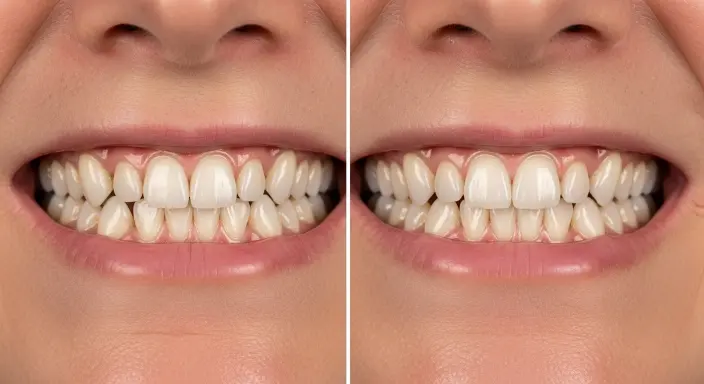
Most peroxide-based teeth whitening treatments use hydrogen peroxide or carbamide peroxide to break down stain-causing compounds within teeth. These ingredients penetrate the enamel and react with molecules responsible for discoloration, making teeth appear lighter.
Tooth stains are generally classified as extrinsic or intrinsic. Extrinsic stains develop on the tooth surface from substances such as coffee, tea, and tobacco. Intrinsic discoloration occurs within the tooth and may require a different whitening approach. Peroxide whitening works through a chemical reaction rather than mechanically removing enamel. However, the effects on teeth depend on the whitening product, its concentration, and how it is used.
Types of Teeth Whitening Treatments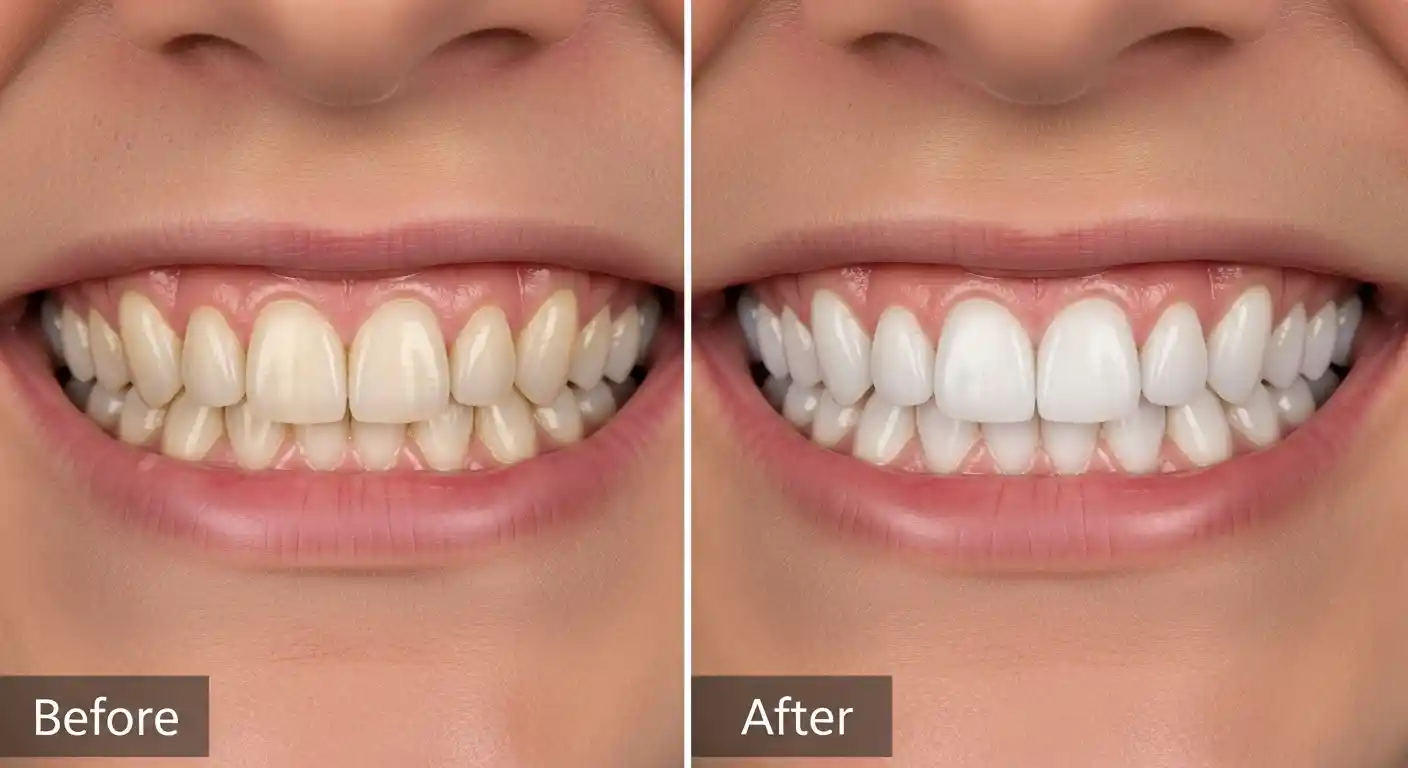
Teeth whitening treatments come in several forms, each offering different levels of strength, speed, and professional supervision. Understanding these options can help you choose the safest and most effective method for achieving a brighter smile.
Professional In-Office Whitening
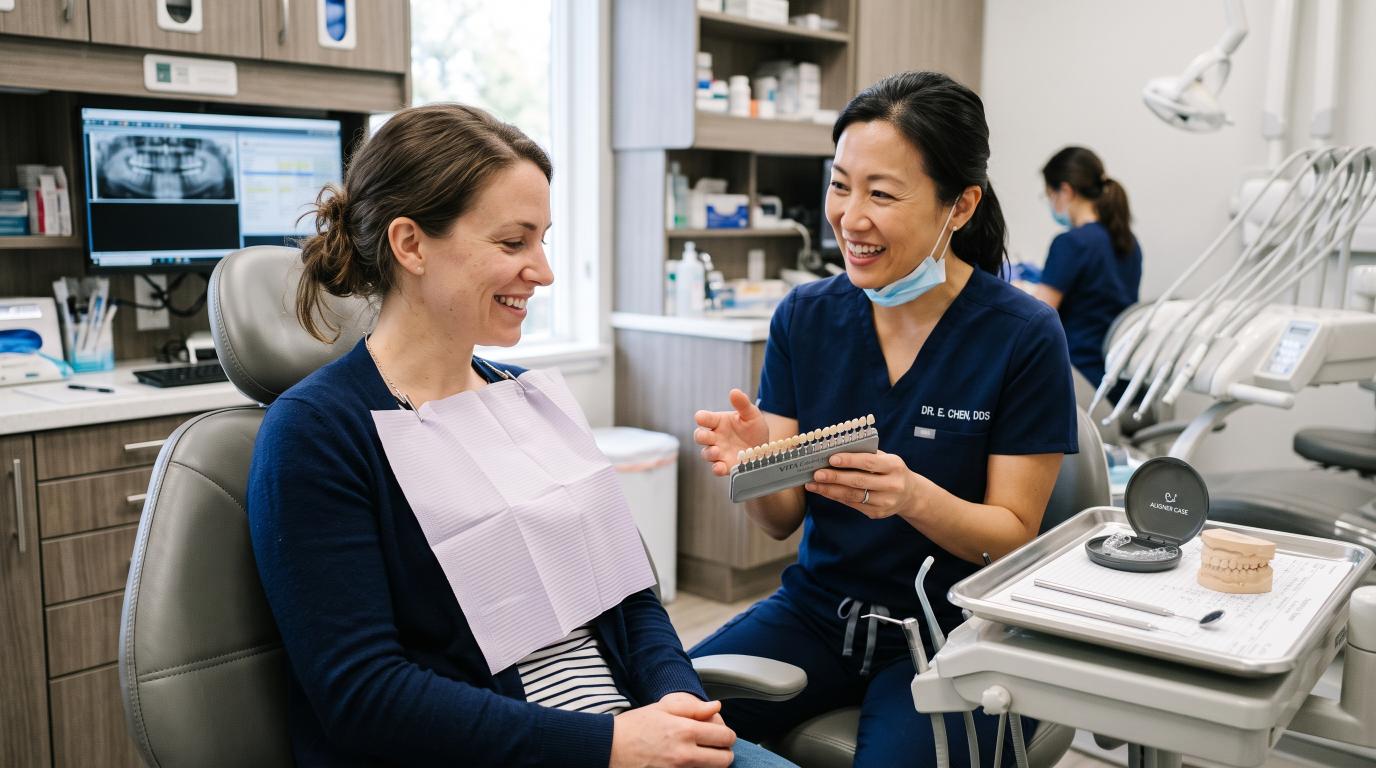
Professional whitening performed by a licensed dentist is considered the gold standard. Dentists use high-concentration peroxide gels sometimes activated with a special light to significantly brighten teeth in a single session that usually lasts about an hour. Because the procedure is supervised, the dentist protects the gums and monitors the process to reduce risks.
At-Home Whitening Kits
Over-the-counter whitening products such as strips, gels, and trays are popular because they are affordable and convenient. These products contain lower concentrations of peroxide, so results appear more gradually. However, incorrect use or overuse can lead to temporary tooth sensitivity or gum irritation.
Natural or DIY Whitening Methods
Many social media trends promote “natural” whitening methods such as baking soda, activated charcoal, oil pulling, or lemon-based mixtures. While these options may seem appealing, most are either ineffective or potentially harmful. Abrasive substances and acidic ingredients can gradually wear down enamel and are not a reliable substitute for proven whitening treatments.
Professional In-Office Whitening
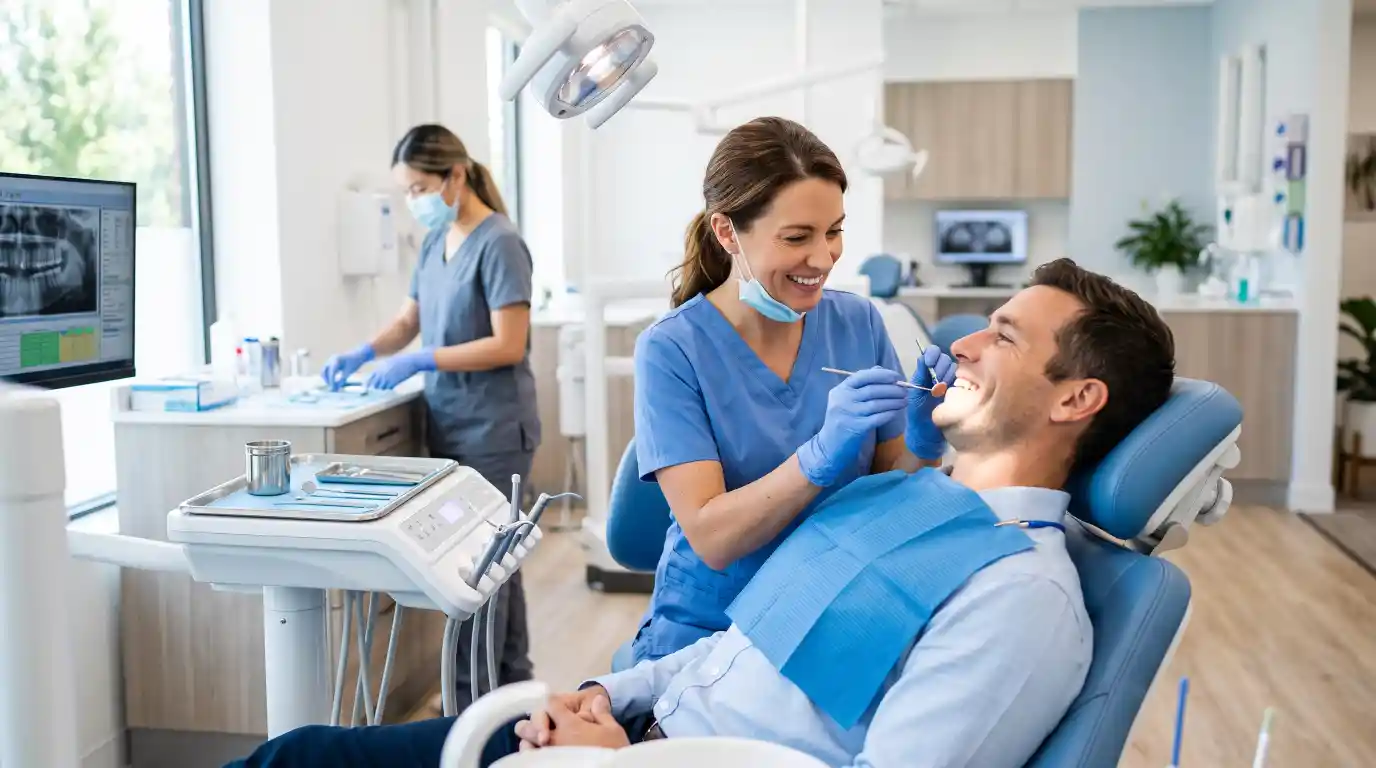
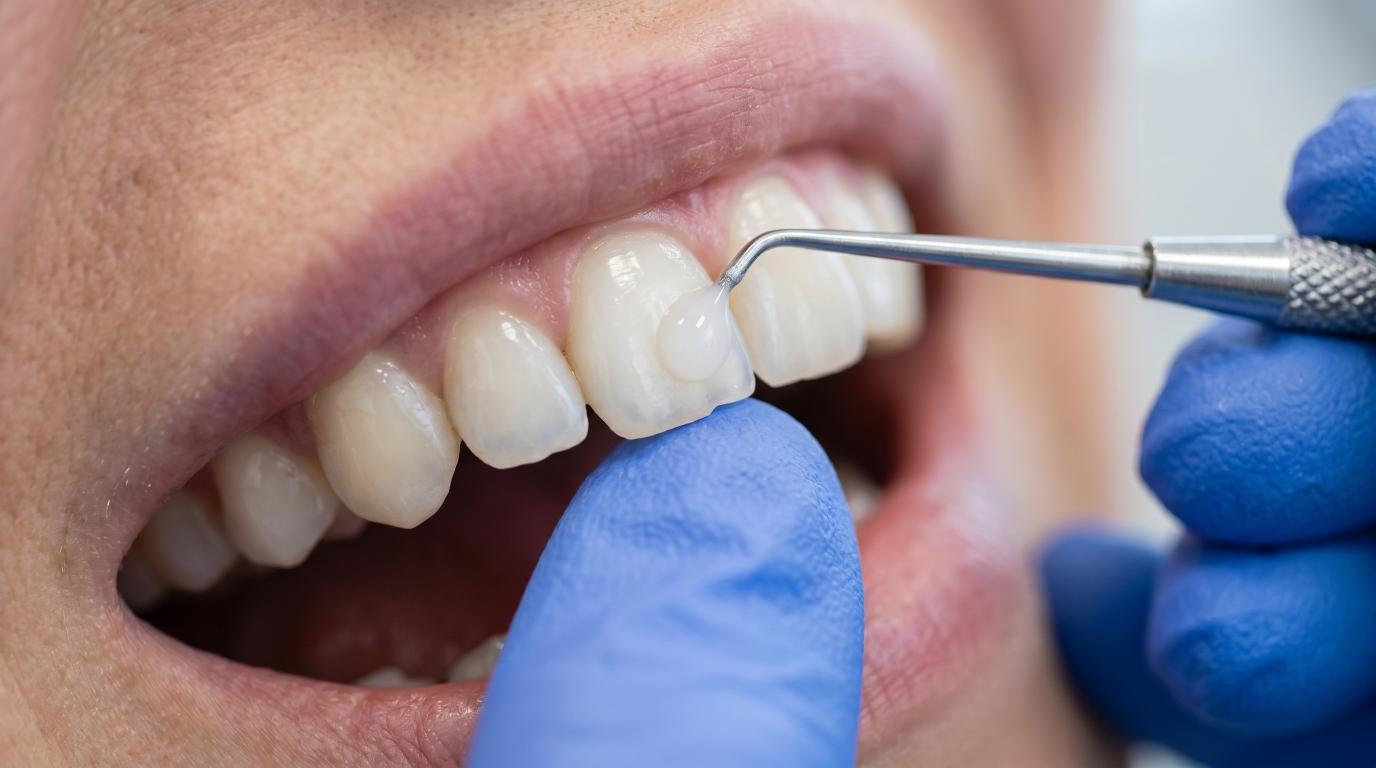
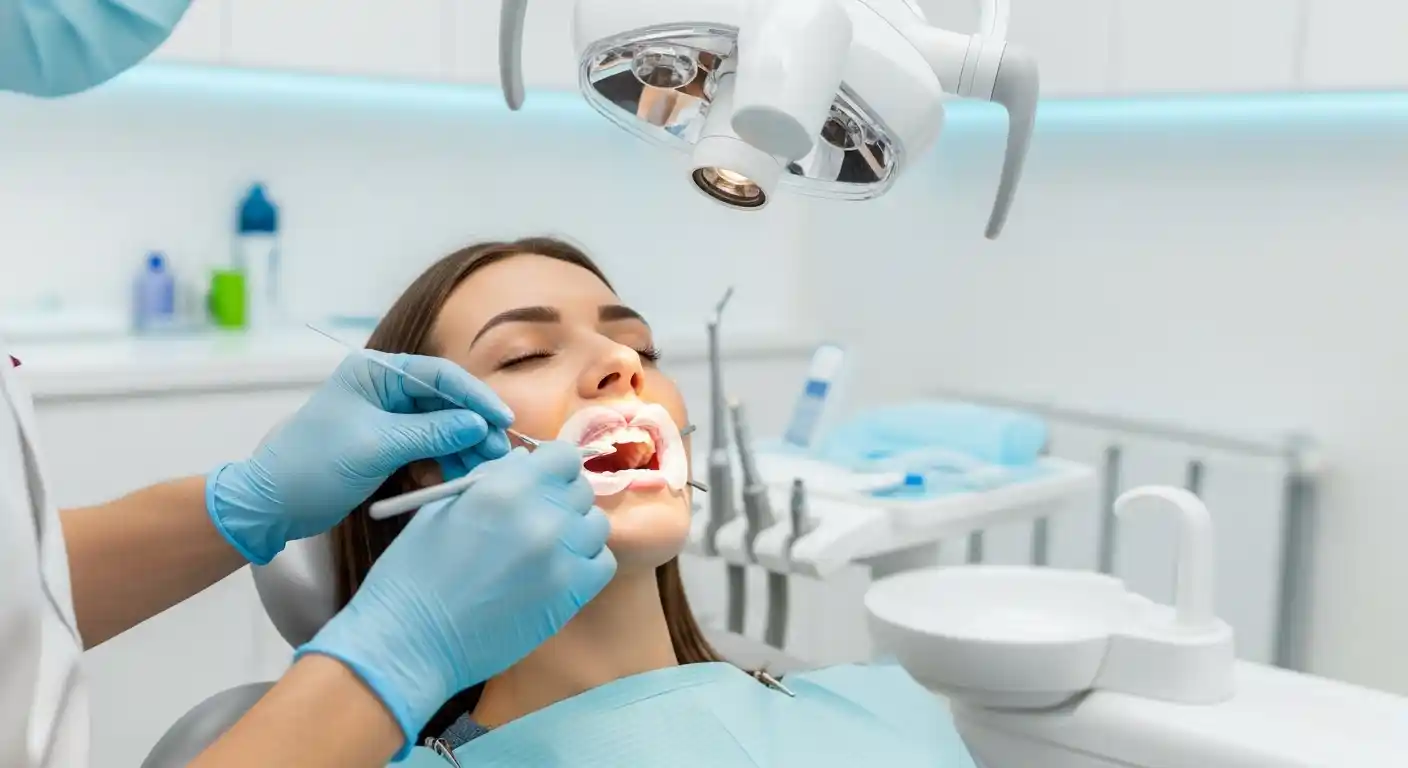
Professional in-office whitening uses dentist-supervised bleaching products to lighten tooth discoloration. These treatments typically contain peroxide-based agents and may produce visible results in one appointment, although some patients need additional sessions.
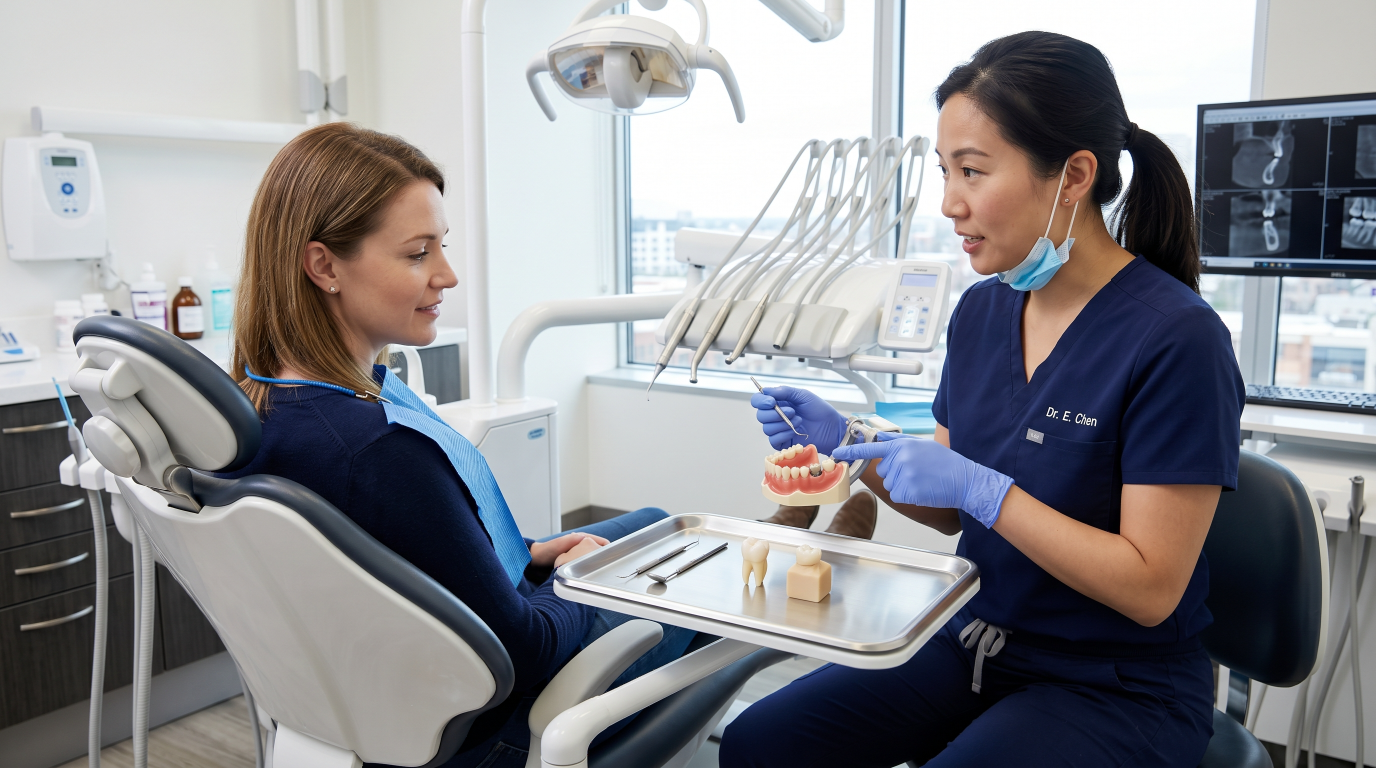
Before treatment, the dentist examines the teeth and gums to determine whether whitening is appropriate. Protective measures may be used to limit contact between the whitening gel and soft tissues.
Treatment results and sensitivity vary depending on the type of discoloration, product used, and individual oral health.
Effects of Whitening on Tooth Enamel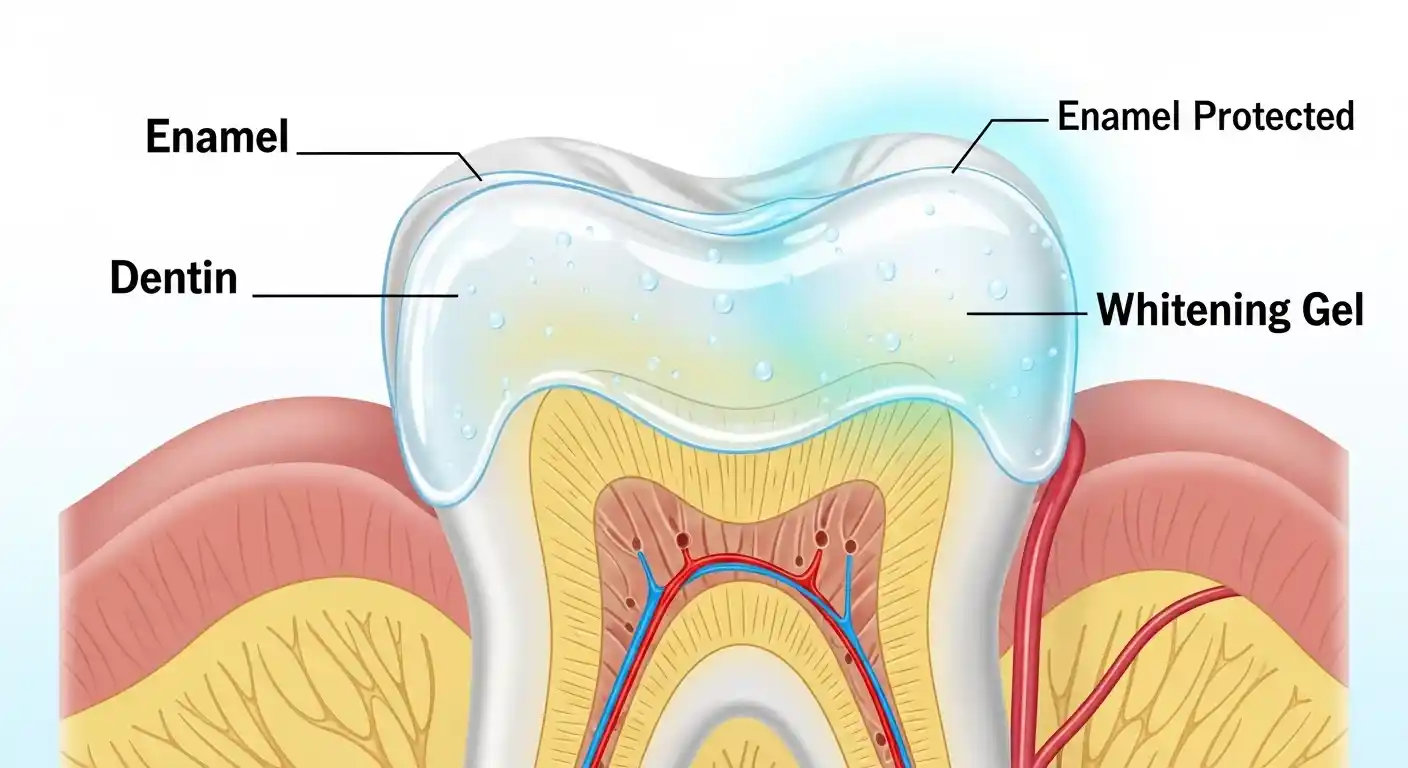
Teeth whitening is generally considered safe for enamel when appropriate products are used as directed, but some whitening treatments can produce small changes to enamel surface properties. The effects depend on the product formulation, peroxide concentration, exposure time, and condition of the teeth.
A 2026 systematic review and meta-analysis on enamel damage from tooth whitening found small changes in enamel microhardness in laboratory studies. However, the researchers found no clear evidence that these changes represented clinically meaningful damage under recommended whitening protocols.
Temporary tooth sensitivity and gum irritation are more commonly reported side effects. These symptoms do not automatically mean that enamel has been permanently damaged. Patients concerned about enamel health should avoid excessive whitening and discuss suitable products with a dentist before beginning treatment.
Tooth Sensitivity vs Enamel Damage After Whitening
Tooth sensitivity after whitening is usually temporary and does not automatically mean the enamel has been damaged. Enamel damage involves changes to tooth structure, while whitening sensitivity often occurs as a short-term reaction to bleaching agents.
| Feature | Tooth Sensitivity | Enamel Damage |
|---|---|---|
| Main concern | Temporary discomfort after whitening | Changes to the enamel’s structure |
| Common signs | Sensitivity to hot or cold foods and drinks | Possible surface wear, roughness, or visible changes |
| Duration | Often improves within a few days | Structural enamel loss does not naturally regenerate |
| What to do | Pause whitening if discomfort occurs and seek advice if it persists | Have a dentist evaluate suspected enamel changes |
A 2026 systematic review on enamel changes after tooth whitening found small changes in enamel hardness in laboratory studies but no clear evidence of clinically meaningful damage from recommended peroxide-whitening protocols. However, laboratory findings cannot determine whether an individual patient’s enamel is damaged. If sensitivity persists or visible tooth changes develop, stop whitening and schedule a dental examination.
Common Myths About Whitening and Enamel Damage
Many people avoid teeth whitening because of widespread myths about enamel damage. Understanding the difference between myths and facts can help you make safer and more informed decisions about whitening treatments.
Myth: Whitening destroys enamel instantly
Fact: A single, properly conducted whitening treatment will not destroy enamel. The concern about enamel damage typically arises from overuse or misuse of products not from one standard treatment. When used at appropriate concentrations and frequencies, whitening is clinically considered safe.
Myth: Natural remedies are always safe
Fact: “Natural” does not mean harmless. Acidic fruits and abrasive powders like charcoal can actively erode enamel. The fact that something comes from nature says nothing about its safety when applied repeatedly to your teeth.
Myth: Tooth sensitivity equals permanent damage
Fact: Sensitivity during or after whitening is common and usually temporary. It reflects a transient change in enamel permeability, not structural damage. If sensitivity persists beyond a few days, that warrants attention but brief discomfort is a normal, expected side effect for many people.
Factors That Can Increase Risk of Enamel Damage
While whitening is generally safe, certain habits and conditions can tip the balance toward harm. Understanding these risk factors is the first step to avoiding them.
Overuse of whitening products
More is not better when it comes to whitening. Exceeding recommended treatment frequency or leaving products on longer than directed doesn’t produce whiter teeth; it just increases enamel exposure to peroxide without added benefit, raising the risk of sensitivity and surface changes.
Pre-existing dental issues
If you already have cavities, cracked teeth, worn enamel, or gum recession, whitening products can penetrate into vulnerable areas and cause pain or exacerbate damage. These issues should be addressed by a dentist before any whitening treatment begins.
Pre-existing Dental Issues
Existing dental problems can increase discomfort or affect whether teeth whitening is appropriate. Cavities, cracked teeth, exposed roots, gum recession, and untreated gum problems may make certain whitening products unsuitable until these conditions are evaluated.
Patients with existing sensitivity may also experience additional discomfort during bleaching. Crowns, veneers, and fillings will not change color along with natural teeth, which can affect the final appearance. A dental examination helps identify these concerns and determine whether treatment should be adjusted or postponed.
How to Whiten Teeth Safely Without Damaging Enamel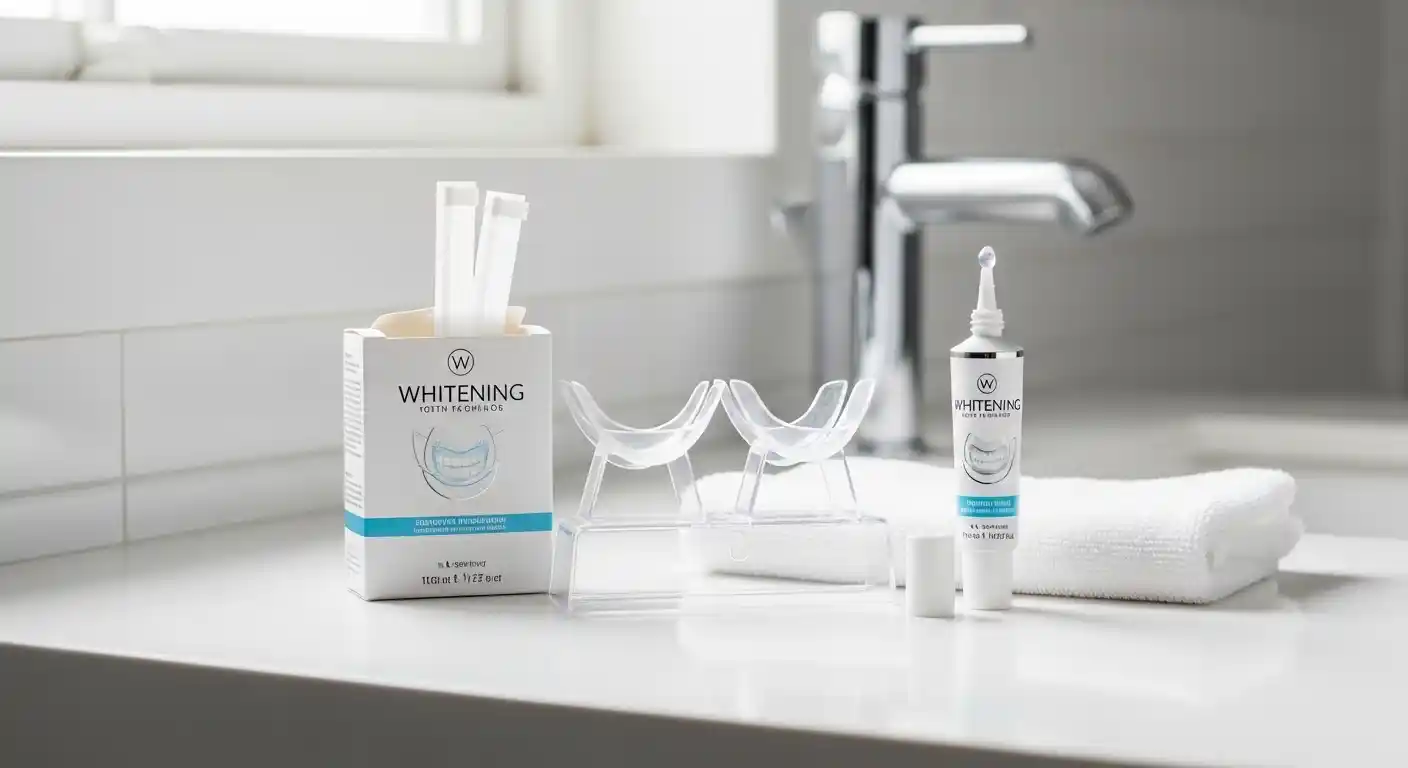
The safest way to whiten teeth is to use an appropriate whitening product as directed and address existing dental problems before treatment. Following proper instructions helps reduce the risk of tooth sensitivity, gum irritation, and unnecessary enamel exposure.
- Choose reliable whitening products: Consider products with the American Dental Association Seal of Acceptance or treatments recommended by a dentist.
- Follow product instructions: Use the recommended amount, application time, and treatment frequency. Longer exposure does not guarantee better results.
- Avoid excessive whitening: Do not repeat treatments more often than recommended, as overuse may increase sensitivity and irritation.
- Avoid harsh DIY methods: Acidic mixtures and highly abrasive substances may contribute to enamel wear rather than safely whiten teeth.
- Maintain good oral hygiene: Brush twice daily with fluoride toothpaste and clean between your teeth regularly to support enamel health.
- Address tooth sensitivity: Pause whitening if significant discomfort develops and consult a dentist before restarting treatment.
A dental examination can help identify existing problems and determine which whitening method is appropriate for your teeth.
Signs You Should Stop Whitening Immediately
You should stop teeth whitening if you experience sharp tooth pain, significant gum irritation, or sensitivity that becomes worse instead of improving. These symptoms may indicate that the whitening product is irritating your teeth or surrounding tissues.
Common warning signs include:
- Severe or persistent tooth sensitivity: Sharp pain or sensitivity that continues after stopping whitening may require a dental examination.
- Burning or irritated gums: Redness, burning, or white patches on the gums may occur when whitening gel contacts soft tissues.
- Increasing tooth pain: Pain that becomes stronger during treatment may indicate an existing dental problem or sensitivity to the product.
- Noticeable changes in tooth appearance: New rough areas, surface changes, or unusual translucency should be evaluated, although these signs do not necessarily mean whitening caused enamel damage.
Stop using the product and contact a dentist if these symptoms develop. Do not continue whitening through significant pain or irritation.
When to Consult a Dentist
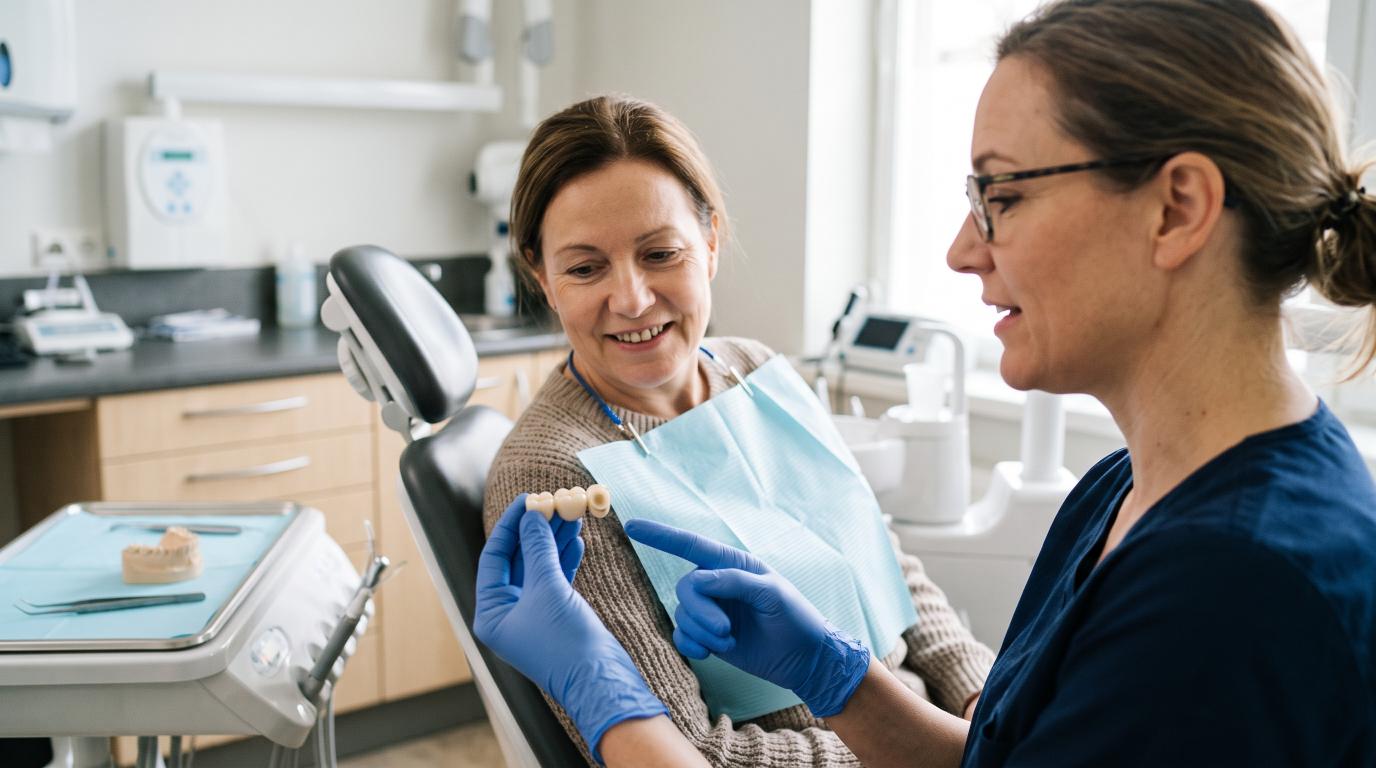
You should consult a dentist before teeth whitening if you have existing tooth sensitivity, untreated cavities, gum recession, or concerns about enamel wear. These conditions can affect treatment suitability and may increase the risk of discomfort. A dental examination helps identify the cause of discoloration and determine whether whitening is appropriate. Patients with crowns, veneers, or fillings should also know that whitening treatments do not change the color of these restorations. For patients comparing whitening with veneers, it is also important to understand differences in tooth preparation and potential enamel damage. A dentist can recommend suitable whitening methods and explain how to manage sensitivity or other concerns before treatment.
Get Safe, Professional Teeth Whitening in Gilbert, AZ
Professional teeth whitening can help improve tooth discoloration while reducing avoidable risks through appropriate treatment planning. However, the best approach depends on your oral health, existing sensitivity, and the type of stains affecting your teeth.
At Vista Dorada Dental in Gilbert, AZ, our team can examine your teeth, discuss whitening options, and explain which treatment may be suitable for your smile. We can also address concerns about enamel health and temporary sensitivity before treatment begins.
Schedule your appointment today to explore your teeth whitening options at Vista Dorada Dental.
Conclusion
Teeth whitening does not typically cause clinically meaningful enamel damage when appropriate peroxide-based products are used according to recommendations. However, temporary tooth sensitivity and gum irritation can occur, and some whitening methods may affect enamel surface properties. Excessive product use and harsh DIY treatments can also introduce unnecessary risks. Choosing reliable whitening products, following instructions, and addressing existing dental problems before treatment can help protect oral health. A dentist can assess your teeth and recommend a whitening approach based on your individual needs.
Frequently Asked Questions
Does Teeth Whitening Permanently Damage Enamel?
Teeth whitening generally does not cause clinically meaningful enamel damage when appropriate peroxide-based products are used as directed. However, certain whitening methods may produce small changes to enamel surface properties. Excessive use and harsh DIY treatments can increase risks. A dentist can recommend suitable options based on your oral health.
Why Do My Teeth Feel Sensitive After Whitening?
Tooth sensitivity after whitening is often a temporary response to peroxide-based bleaching agents. Whitening ingredients can reach sensitive structures within the tooth and temporarily irritate the dental pulp. Discomfort usually improves after treatment ends. If sensitivity becomes severe or persists, stop whitening and consult a dentist.
How Often Can I Whiten My Teeth Safely?
The safe frequency of teeth whitening depends on the product, treatment method, and condition of your teeth. There is no single schedule suitable for everyone. Follow the manufacturer’s instructions or the treatment plan recommended by your dentist. Avoid repeating whitening treatments excessively, particularly if you experience sensitivity.
Are At-Home Whitening Kits Safe to Use?
Yes, many at-home whitening kits are generally safe when used according to instructions. Products containing hydrogen peroxide or carbamide peroxide can lighten natural teeth, but incorrect application or excessive use may cause sensitivity and gum irritation. Choose reliable products and consult a dentist if you have existing oral health concerns.
Do Natural Whitening Remedies Work?
Some DIY methods may remove minor surface stains, but there is limited evidence that many popular natural remedies safely whiten teeth. Acidic ingredients, such as lemon juice, and highly abrasive mixtures can contribute to enamel wear. Products developed and tested for dental whitening are generally more reliable than unproven home remedies.