
How to Keep Teeth White: 15 Simple Tips That Actually Work

Keep your teeth white by brushing twice a day with fluoride toothpaste and flossing every day. Rinse your mouth with water after drinking coffee, tea, or other dark-colored beverages. Teeth naturally lose their bright white color over time because of the foods we eat, the drinks we sip, and simply wear on the enamel as we age. The good news is that a few consistent daily habits can protect your smile and keep stains from building up. Visit your dentist every six months for a professional cleaning to remove plaque and tartar before they cause stains. This guide walks through 15 proven ways to keep your teeth white, the foods that help or hurt your smile, and when it might be time to see a dentist. If you live near Gilbert, AZ and want a brighter smile without guesswork, Vista Dorada Dental is here to help you get there. Why Do Teeth Lose Their Natural Whiteness? Teeth can lose their bright color for a few different reasons, and knowing the cause helps you pick the right fix. Stains come in two main types. Extrinsic stains sit on the outer surface of the tooth and come from things like coffee, tea, and tobacco. Intrinsic stains form inside the tooth itself and are often caused by things like certain medications, too much fluoride at a young age, or an injury to the tooth. Common causes of yellow teeth include drinking dark beverages regularly, smoking or using tobacco, not brushing or flossing enough, and eating a lot of sugary or acidic foods. Natural aging also plays a role. As we get older, the outer enamel layer wears down slightly, which lets the yellower layer underneath, called dentin, show through more easily. 15 Proven Ways to Keep Your Teeth White Keeping your teeth white is easier when you follow simple daily habits consistently. These proven tips help prevent stains, protect enamel, and keep your smile looking brighter for longer. Brush Your Teeth Twice a Day Brushing twice daily removes the plaque and food particles that lead to stains and buildup. Use a soft-bristled brush and fluoride toothpaste, and aim for two full minutes each time. Brushing at a slight angle toward the gumline helps clean the areas where stains tend to build up most. Floss Every Day Flossing removes food and plaque from between teeth, where a toothbrush cannot reach. Skipping this step allows stains and bacteria to build up in spots you cannot see. Over time, this hidden buildup can harden into tartar, which is much harder to remove without a professional cleaning. Use a Fluoride Whitening Toothpaste A toothpaste with both fluoride and gentle whitening ingredients can help remove surface stains over time while still protecting your enamel. Look for one with a seal of approval from a dental association, since this means it has been tested for both safety and effectiveness. Rinse Your Mouth or Drink Water After Meals Swishing water around your mouth after eating or drinking helps wash away food particles and staining pigments before they have a chance to settle on your teeth. This simple habit takes only a few seconds but can noticeably reduce staining over weeks and months. Limit Coffee, Tea, Red Wine, and Dark-Colored Drinks These drinks are some of the biggest causes of surface stains. You do not have to give them up completely, but limiting how often you drink them makes a real difference. Sipping slowly over a long period actually increases staining, so finishing a drink in one sitting is gentler on your teeth. Avoid Tobacco Products Smoking and other tobacco products cause some of the deepest and most stubborn stains on teeth. Avoiding tobacco protects both your smile and your overall health. These stains often sit below the enamel surface, which is why they are so difficult to whiten with regular brushing alone. Eat Crunchy Fruits and Vegetables Foods like apples and carrots naturally scrub the surface of your teeth as you chew, helping to remove surface stains and plaque throughout the day. They also encourage saliva production, which helps rinse your mouth naturally between brushings. Reduce Sugary and Acidic Foods Sugar feeds the bacteria that damage enamel, and acidic foods can wear down the enamel directly. Both of these make your teeth more likely to look dull and stained. Weakened enamel also allows stains to soak in more easily, making this habit important for both whiteness and long-term tooth health. Use a Straw for Staining Beverages Drinking dark or acidic beverages through a straw helps the liquid bypass your front teeth, reducing the amount of contact time with the surface that stains most easily. This small change is especially helpful for people who drink coffee, tea, or soda regularly throughout the day. Don’t Skip Regular Dental Cleanings Professional cleanings remove tartar and surface stains that brushing alone cannot fully clear. Most people benefit from a cleaning every six months. These visits also give your dentist a chance to catch early staining or enamel issues before they become harder to treat. Consider Whitening Treatments Safely Professional whitening treatments, done through your dentist, are a safe and effective way to lighten stains that daily habits cannot fully remove. Ask your dentist which option fits your needs and your enamel health. Professional supervision helps avoid the sensitivity and enamel damage that can come from overusing store-bought kits. Protect Your Tooth Enamel Enamel is your tooth’s natural defense against stains and damage. Avoid chewing on hard objects, limit acidic foods, and use a soft-bristled toothbrush to keep your enamel intact. Once enamel wears away, it does not grow back, so protecting it early makes a lasting difference. Maintain Good Daily Oral Hygiene Consistency matters more than any single product. Brushing, flossing, and rinsing every day, without skipping, keeps your smile brighter for longer. Small daily habits done consistently tend to outperform occasional intense efforts, like a deep clean once a month. Treat Dry Mouth if Needed Saliva helps wash away staining particles and
Should I Choose Whitening or Veneers for a Brighter Smile?
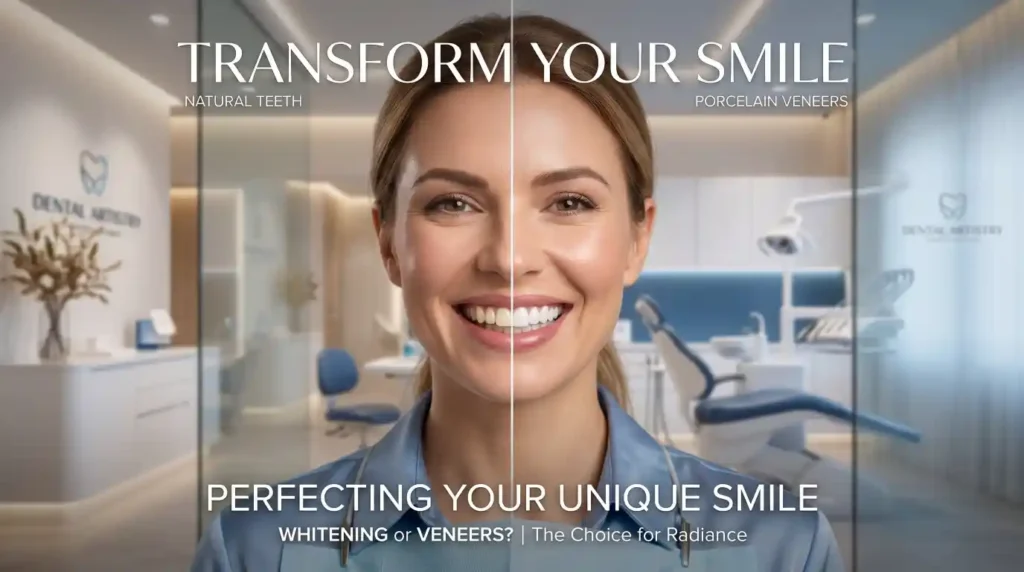
A bright, confident smile can change the way you feel about yourself. But when it comes to getting that smile, many people get stuck on one big question: should they go with whitening or veneers? Both options can make your teeth look better. But they work in very different ways. Choosing the wrong one can leave you disappointed or even cost you more money in the long run. Teeth whitening works best if your teeth are healthy and you like their shape. Veneers may be a better option if you want to fix deep stains, chips, gaps, or uneven teeth at the same time. The good news is that you do not need to be a dentist to understand the difference. In this guide, we will break everything down in simple terms. By the end, you will know exactly which option matches your smile goals and your budget. Whether you are in Gilbert AZ, looking for a quick smile refresh or a complete transformation, the right treatment starts with understanding your options. Understanding the Difference Between Teeth Whitening and Veneers Both treatments can brighten your smile, but they work in very different ways and are not meant for the same problems. What Is Teeth Whitening? Teeth whitening is a cosmetic treatment that removes stains and discoloration from the surface of your teeth. It uses a bleaching agent, usually hydrogen peroxide or carbamide peroxide, to lighten the color of your natural teeth. You can get this done at a dental office, or you can use at-home whitening kits that your dentist provides. Whitening does not change the shape or structure of your teeth. It simply lifts surface stains and brightens the natural shade. Results can last anywhere from a few months to a couple of years, depending on your diet and habits. What Are Dental Veneers? Dental veneers are thin shells that are bonded to the front of your teeth. They are usually made from porcelain or composite resin. Veneers cover the entire visible surface of the tooth, which means they can change both the color and the shape of your smile. Getting veneers is a more involved process. Your dentist will remove a small amount of enamel from your teeth so the veneers fit properly. Once placed, they are permanent and cannot be removed without replacing them with new veneers or other restorations. Teeth Whitening vs. Veneers: Side-by-Side Comparison When people compare whitening or veneers, they often focus only on cost or results. But there are many other factors that matter just as much. Understanding how these two treatments differ in every way helps you make a smarter decision before sitting in the dentist’s chair. Purpose and Results Whitening brightens the natural color of your existing teeth. It does not change anything about their shape or structure. Veneers go further by transforming the entire look of your smile. They can change color, shape, length, and spacing all at once. Types of Stains They Can Treat Whitening only works on stains that sit on the outside of the tooth, like those from coffee, tea, wine, or tobacco. Veneers are a better option for stains that sit deep inside the tooth, such as those caused by medication or injury, because they cover the tooth completely rather than trying to bleach it. Appearance and Natural Look Both treatments can give you a very natural-looking smile. Whitening keeps everything subtle because your real teeth stay intact. Porcelain veneers reflect light the same way natural enamel does, which makes them look realistic and beautiful at the same time. Longevity and Durability Whitening results fade over time depending on your diet and habits. Veneers hold their appearance for many years and do not stain the way natural teeth do, which makes them a more stable long-term option. Cost Whitening is the more budget-friendly choice with a lower upfront cost. Veneers require a bigger investment, especially when covering multiple teeth, but their long lifespan can make them worth the expense over time. Procedure Time Whitening is done in a single short visit. Veneers take longer because your dentist needs to prepare your teeth, send impressions to a lab, and then bond the finished veneers in a separate appointment. Reversibility This is one of the biggest differences between the two. Whitening is completely reversible and does not alter your teeth at all. Veneers require removing a thin layer of enamel, which means the change is permanent and your teeth will always need some form of coverage going forward. When Is Teeth Whitening the Better Choice? Teeth whitening is the better choice when your teeth are healthy and your stains are mild to moderate. If your discoloration comes from coffee, tea, wine, or tobacco, whitening can clear that up quickly and affordably. It works best for people who have good tooth structure and just want a brighter, fresher version of their natural smile. It is also the smarter pick if you are working with a limited budget or want fast results without multiple dental visits. A single in-office session can make a noticeable difference. If your teeth and gums are in good condition and color is your only concern, whitening gives you everything you need without overcomplicating things. When Are Teeth Veneers the Better Option? Veneers are the better option when whitening simply cannot fix the problem. If your stains are deep, caused by medication, injury, or fluorosis, bleaching agents will not reach them. Veneers cover all of that completely. If you have chipped, cracked, uneven, or gapped teeth, veneers fix everything at once and give you a fully transformed smile. Porcelain veneers can last well over a decade with proper care, making them a one-time solution for multiple smile concerns. If you want a complete smile makeover that holds up for years, veneers deliver results that whitening alone never could. What Whitening Can and Cannot Fix Surface stains build up on the outer layer of the tooth, called the enamel. These come from food, drinks, and tobacco.
Can You Go to Emergency for Dental Pain? When to Visit the ER and When to See a Dentist
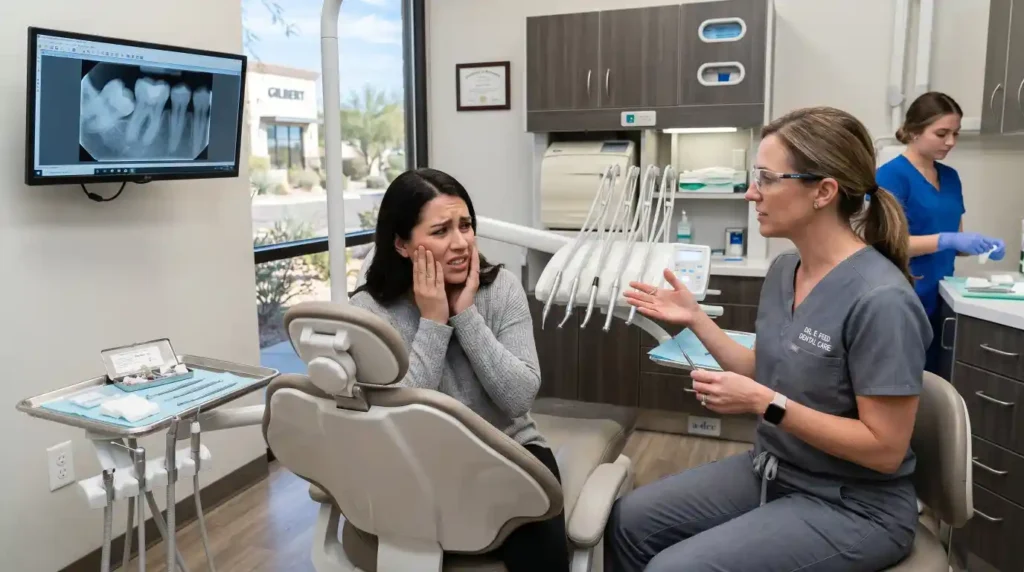
A dental emergency needs immediate care. Problems with your teeth or gums can quickly become more serious and may lead to more damage if they are not treated. If you have a dental emergency, contact your dentist right away or go to the emergency room if the situation is severe. You should go to the ER if you have severe pain along with swelling, fever, heavy bleeding, trouble breathing, trouble swallowing, or a serious injury to your mouth or face. If you are in Gilbert, AZ or the surrounding Mesa area, we offer same-day emergency dental appointments so you can get real treatment fast, not just temporary relief. Should You Go to the Emergency Room for Dental Pain? The emergency room is the right choice when your dental problem has moved beyond just tooth pain and become a medical emergency. This includes severe swelling, breathing or swallowing problems, high fever, spreading infection, or serious facial injury. For most dental problems, even painful ones, an emergency dentist is a better choice than the ER. Dentists have the tools, training, and equipment to actually fix dental problems. The ER can manage your symptoms, but they cannot pull a tooth, do a root canal, or place a crown. What Is Considered a Dental Emergency? A dental emergency is any problem with your teeth, gums, or mouth that needs immediate treatment to relieve severe pain, stop bleeding, or prevent infection from getting worse. It is usually something that cannot wait for a regular dental appointment. Common dental emergencies include strong tooth pain that does not go away, swelling in the face or gums, and a knocked-out or broken tooth. They also include signs of infection such as pus, fever, or a bad taste in the mouth. Uncontrolled bleeding in the mouth after an injury or dental procedure is also considered an emergency. These conditions are urgent because they can quickly become more serious and may lead to permanent damage or spread of infection if not treated on time. Can You Go to the Emergency Room for Dental Pain? Yes, you can go to the emergency room for dental pain, especially if the pain is severe or comes with swelling, fever, or signs of infection. The ER doctors cannot usually fix the dental problem, like doing fillings or removing a tooth, but they can help by giving pain relief, antibiotics, and treating any serious infection. After that, you will still need to visit a dentist as soon as possible to treat the real cause of the problem. When Should You Go to the ER for Tooth Pain? It can stabilize you when things get dangerous, but it is not meant to solve dental problems. Go to the ER for tooth pain when the situation has escalated beyond the tooth itself. Severe Facial Swelling Swelling that has moved from the tooth to the jaw, cheek, neck, or eye area needs emergency care. This level of swelling often means the infection has moved into the soft tissues and could block your airway. Signs of a Spreading Infection Warning signs that a dental infection is spreading include a high fever, swelling that keeps growing, red streaks around the swollen area, feeling very sick or weak, difficulty opening your mouth (a condition called trismus), or a stiff neck. These are serious symptoms that go beyond a normal toothache. High Fever With Dental Pain A fever usually means your body is fighting an infection. When you have a tooth infection and a fever above 101°F, it is a sign the infection may be spreading. Combined with other symptoms, this is a reason to go to the ER. Trouble Breathing or Swallowing If swelling from a dental infection is making it hard to breathe or swallow, that is a medical emergency. The infection can spread to your neck and throat in a condition called Ludwig’s Angina, which can close off your airway. Serious Facial Trauma Car accidents, sports injuries, and falls can cause serious damage to the teeth, jaw, and face. If you have been hit hard in the face and you have significant pain, bleeding, or swelling, go to the ER first to rule out fractures or other injuries before seeing a dentist. Emergency Dentist vs Emergency Room Emergency Dentist Emergency Room (ER) Treats the actual cause of dental problems Focuses on relieving pain and urgent symptoms Can perform dental procedures like fillings, extractions, and root canals Cannot perform dental treatments like fillings or extractions Provides long-term solution Provides temporary relief only Best for tooth pain, broken teeth, abscess, or dental infections Best for severe swelling, fever, trauma, or when no dentist is available Helps restore dental health Stabilizes condition until you see a dentist What Can the Emergency Room Do for Dental Pain? The emergency room can help with dental pain by providing temporary relief, not full dental treatment. ER doctors can give you pain medication to reduce severe toothache and may prescribe antibiotics if there is an infection or swelling. They can also check for serious problems like spreading infection or complications that could affect your overall health. In some cases, they may treat uncontrolled bleeding or help stabilize a dental injury. However, the emergency room cannot perform dental procedures such as fillings or tooth extractions, so you will still need to see a dentist as soon as possible for proper treatment. What the Emergency Room Cannot Do The emergency room cannot provide full dental treatment. It does not have the tools or dental specialists needed to fix the actual cause of most tooth problems. ER doctors cannot perform procedures like fillings, root canals, tooth extractions, or repair broken teeth. They also cannot provide long-term dental care or permanent solutions for cavities, infections, or damaged teeth. Instead, the ER only offers temporary relief, such as pain medicine or antibiotics, and then refers you to a dentist for proper treatment. Common Dental Problems and Where to Go for Treatment This section explains common dental problems and helps
Is Fluoride Treatment for Kids Safe? Benefits, Risks, and What Parents Should Know
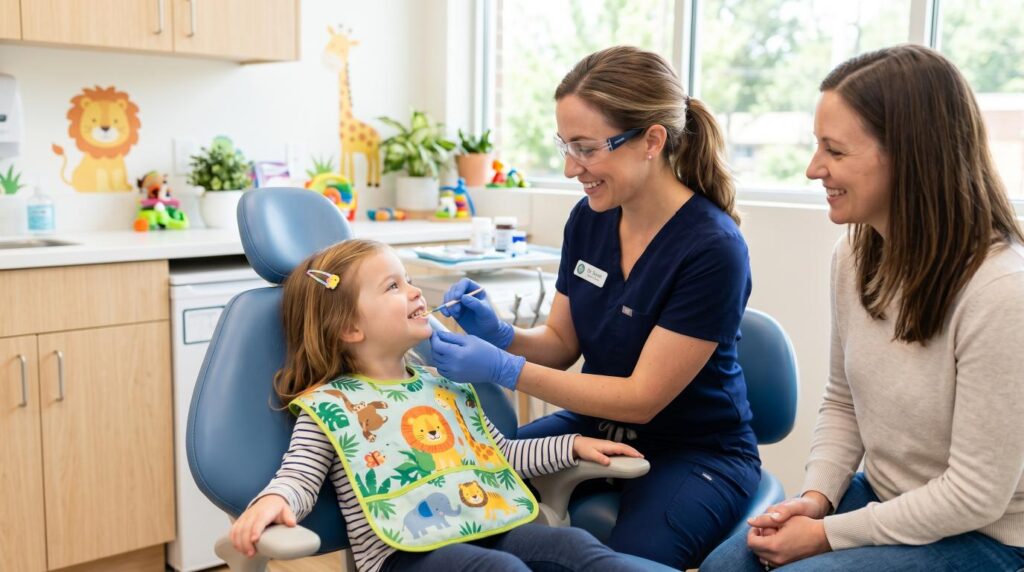
Healthy teeth and gums are important for your child’s overall health, so good dental habits should start early. Fluoride is a natural mineral that helps strengthen teeth and Fluoride is one of the most well-researched substances in modern dentistry and organisation like the American Academy of Pediatrics’s and the American Dental Association consider it safe and effective when used correctly. Although some parents have concerns about fluoride, research continues to show that professional fluoride treatments are a reliable way to support long-term oral health in children. Families across Gilbert, Arizona and the surrounding areas trust fluoride varnish as a safe and proven part of their child’s dental care routine. What Is Fluoride? Fluoride is a naturally occurring mineral found in soil, water, and many foods. It strengthens tooth enamel and makes it more resistant to decay. When bacteria break down sugar in the mouth, they produce acid that slowly wears away enamel. Fluoride helps the enamel rebuild itself through a process called remineralization, making teeth harder and better protected against future acid attacks. Fluoride reaches children through a few different sources. It is present in most community tap water at low, regulated levels, used as an active ingredient in children’s toothpastes, and applied directly to teeth in a concentrated form during a professional dental visit. What Is Fluoride Treatment for Kids? Fluoride treatment at the dentist is different from using fluoride toothpaste at home. Professional fluoride treatment involves applying a much higher concentration of fluoride directly to the teeth in a controlled, safe way. The most common form used for children is fluoride varnish, a sticky coating painted onto the teeth using a small brush. Fluoride varnish sticks to the teeth and releases fluoride slowly over several hours, giving the enamel time to absorb it fully. It is not the same as swallowing fluoride or taking a supplement. The amount applied is small, the contact time is controlled, and the treatment is done by a trained dental professional who knows exactly how much to use based on the child’s age and risk level. How Does Fluoride Help Children’s Teeth? Fluoride helps protect children’s teeth by strengthening enamel, preventing cavities, and reducing the risk of early tooth decay. Strengthens Tooth Enamel Enamel is the hardest substance in the human body, but it is not indestructible. Every day it faces acid from food, drink, and bacteria. Fluoride binds to the enamel and actually changes its structure slightly, making it more resistant to the acids that cause cavities. Children who receive regular fluoride treatments develop stronger enamel over time, which serves them well into adulthood. Protects Baby Teeth and Permanent Teeth Some parents wonder why it matters to protect baby teeth at all since they fall out anyway. Baby teeth are important for chewing, speaking clearly, and holding space in the jaw for permanent teeth. When baby teeth decay and are lost too early, it can cause permanent teeth to come in crooked or crowded. Protecting them with fluoride is an investment in how the permanent teeth develop. Is Fluoride Treatment Safe for Kids? The American Academy of Pediatrics, the American Dental Association, and the American Academy of Pediatric Dentistry all support fluoride varnish as safe and beneficial for children, even from the time the first tooth appears. Most concerns about fluoride safety are related to fluoride supplements or very high levels of fluoride in drinking water, which are different from professional fluoride treatments used in dental offices. A trained dentist or hygienist uses the correct amount based on the child’s age and gives proper aftercare instructions, making professional fluoride treatment safe and controlled. Are There Any Side Effects of Fluoride? Side effects from professional fluoride varnish are rare and mild. Some children may notice a temporary change in taste or slight gum irritation after treatment, but these effects go away quickly. Most children tolerate it without any issue at all. The main concern with fluoride is dental fluorosis, a cosmetic condition that appears as faint white spots on teeth when children swallow too much fluoride during tooth development. It does not cause pain or affect function. It is most commonly caused by swallowing toothpaste, not professional treatments. Using the right amount of toothpaste for your child’s age and supervising brushing until around age eight is the simplest way to prevent it. When Do Kids Need Fluoride Treatments? The American Academy of Pediatric Dentistry recommends that children begin receiving fluoride varnish treatments as soon as their first tooth appears, which is typically around six months of age. For most children, fluoride treatments are recommended every six months, usually at the same time as a regular dental checkup and cleaning. Some children may need treatments more frequently if they are at higher risk for cavities. Higher risk factors include a diet high in sugar, living in an area without fluoridated water, having had cavities before, wearing braces, or having medical conditions that affect saliva production. Your child’s dentist will assess their individual risk level and recommend the right schedule accordingly. How Fluoride Treatments Work Fluoride treatments work by coating the teeth with fluoride to strengthen enamel, protect against cavities, and help repair early tooth damage. Fluoride Varnish Application Fluoride varnish is the most widely used form of professional fluoride treatment for children. It is a thick, sticky liquid that is painted directly onto the surfaces of the teeth using a small brush. It sets quickly on contact with saliva, which means there is very little risk of the child swallowing it during the process. What Happens During the Appointment The treatment is simple and takes only a few minutes. The dentist or hygienist dries the teeth, applies the varnish to all tooth surfaces, and that is essentially it. There is no drilling, no needles, and nothing uncomfortable about the process. Most children handle it easily, and many barely notice it happening. How Long the Treatment Takes The actual application takes about one to three minutes. The varnish stays on the teeth for several
Why Are People Scared of Dentists?

People are scared of dentists mainly because of fear of pain, past negative experiences, loss of control, dental tools and sounds, embarrassment about oral health, and anxiety about the unknown. Psychological factors like childhood experiences and the body’s natural fear response can also make dental visits feel more stressful than they actually are. This fear often builds over time, especially for patients in Gilbert, AZ who have avoided dental visits for years. The longer the gap, the stronger the anxiety can become, creating a cycle where fear leads to avoidance and avoidance makes the fear feel even more intense. What Is Dental Fear or Dentophobia? Dental fear exists on a spectrum. On one end is mild anxiety, the nervousness you may feel before a dental appointment or slight tension during a procedure. This type of anxiety is common and most people are able to manage it while still attending regular dental visits. On the other end is dentophobia, a severe clinical fear of dental treatment. People with this condition may experience intense reactions such as panic attacks, nausea, or overwhelming distress, often leading them to avoid dental care entirely even when they are in pain. The difference matters because mild anxiety can often be managed with reassurance and communication, while severe phobia may require psychological support before treatment is possible. The Most Common Reasons People Fear the Dentist Dental fear usually doesn’t come from a single cause. Instead, it develops from a combination of personal experiences, perceptions, and emotional triggers. Fear of Pain Fear of pain is the most common reason people avoid the dentist. Many individuals associate dental visits with discomfort due to past experiences or stories from others. However, modern dentistry has significantly reduced pain through advanced anesthetics and improved techniques, meaning most procedures today cause little to no discomfort. The challenge is that many people still expect pain based on outdated perceptions. Negative Past Experiences A difficult or painful dental visit in childhood or adulthood can leave a lasting emotional impact. Experiences where patients felt rushed, unheard, or uncomfortable often shape long-term dental anxiety. These early memories can strongly influence behavior even years later. Loss of Control Many people feel anxious in the dental chair because they cannot see what is happening and have limited control over the situation. This sense of vulnerability can trigger stress, especially in individuals who are already prone to anxiety or have experienced trauma. Fear of Needles and Dental Instruments Dental needles, drills, and instruments can trigger strong fear responses. The sound of the drill, in particular, is commonly associated with discomfort. Even without pain, the sensory environment of a dental office can feel overwhelming for anxious patients. Embarrassment About Oral Health Some people avoid the dentist due to shame about the condition of their teeth. This fear of judgment can prevent them from seeking care, even when they know it is needed. Unfortunately, this often creates a cycle where delay leads to worsening dental issues and increased anxiety. Cost and Financial Stress For many patients, financial concerns play a major role in avoidance. Uncertainty about treatment costs can make people delay visits, even when problems are minor. Over time, this can lead to more complex and expensive treatments. General Anxiety Disorders In some cases, dental fear is linked to broader anxiety conditions such as generalized anxiety disorder or PTSD. The dental environment can act as a trigger for existing anxiety patterns rather than being the root cause itself. Signs You May Have Dental Anxiety Not everyone realizes their avoidance of the dentist is linked to anxiety. In many cases, it shows up through behavior and physical reactions rather than being clearly labeled as fear. Common signs include regularly canceling or postponing dental appointments without a specific reason, or feeling intense nervousness before a visit. You may also notice physical symptoms such as sweating, a racing heartbeat, nausea, or difficulty sleeping the night before an appointment. In some cases, people continue to avoid the dentist even when they are in pain or know treatment is needed. If these patterns feel familiar, dental anxiety is likely a contributing factor. Effects of Avoiding the Dentist Avoiding the dentist feels like a reasonable short-term choice, but the long-term consequences are significant. Tooth decay that could have been caught with a routine filling can progress to the point of requiring a root canal or extraction. Gum disease, left untreated, can lead to bone loss and tooth loss. And the research is clear that oral health is connected to systemic health poor oral hygiene has been linked to increased risk of heart disease, stroke, and complications from diabetes. Perhaps most frustratingly, avoidance nearly always leads to more expensive treatment down the road. The small problems that routine checkups catch early become the large, complex, costly problems that force an emergency visit. What Does It Mean to Be Scared of the Dentist? Not all dental discomfort is the same, and the label you put on it matters. Dental anxiety is a low-level worry that flares up around dental appointments. You might feel uneasy the morning of your visit, dread the wait, or leave feeling relieved it’s over. Most people with dental anxiety still attend appointments. It’s uncomfortable, but manageable. Dental fear is more specific. You can point to exactly what frightens you: the needle, the drill sound, the sensation of someone working in your mouth. It’s targeted, often rooted in a specific experience, and can cause you to delay or avoid care. Dentophobia (also called odontophobia) is a clinical phobia, a diagnosable anxiety disorder listed in the DSM. It’s irrational, disproportionate to the actual threat, and causes people to avoid the dentist entirely, even when they’re in serious pain. It can spiral into poor oral health, damaged self-esteem, and social withdrawal. The distinction matters because the right coping strategy depends on which category you fall into. Someone with mild anxiety needs very different support than someone with a full phobia. How Common Is Dental Fear? Dental fear
How to Take Care of Dental Implants
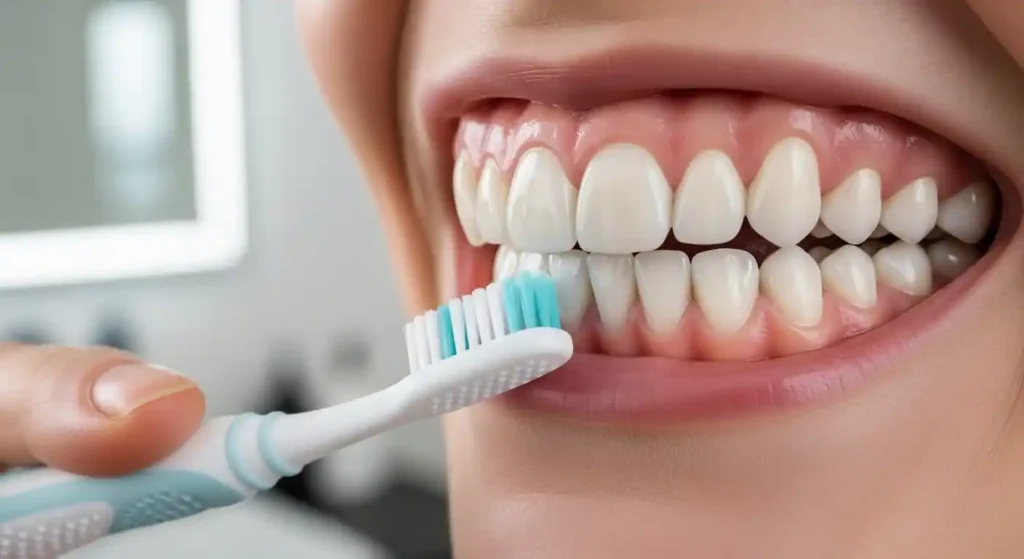
Dental implants are one of the most reliable ways to replace missing teeth, but their long-term success depends heavily on how well you care for them. While implants don’t decay like natural teeth, they still require proper cleaning, regular checkups, and healthy habits to stay strong and stable. If you’re wondering how to take care of dental implants in Gilbert, AZ, the good news is that it’s not complicated but it does require consistency. With the right daily routine and a few smart precautions, you can protect your investment and keep your smile healthy for years to come. Why Taking Care of Dental Implants Is Important Many people assume that because implants are artificial, they don’t require the same attention as natural teeth. This is one of the most common and costly misconceptions in dental care. Poor oral hygiene is one of the leading causes of implant failure. A condition called peri-implantitis essentially gum disease around an implant can destroy surrounding bone rapidly if not caught early. Consistent care prevents infection, preserves bone structure, extends the lifespan of your implants, and protects the health of surrounding natural teeth and tissue. Your implant post may be titanium, but everything around it is still very much alive and vulnerable. Understanding Dental Implant Types and Their Care Needs Dental implant care varies depending on the type of restoration, making it important to follow the right routine for long-term success. Single-Tooth Implants A single implant, one post, one crown is the simplest type to care for. You treat it much like a natural tooth: brush, floss, and attend regular checkups. The key focus is keeping plaque from accumulating at the gumline around the crown. All-on-X Implants All-on-4 and All-on-6 restorations support a full arch on just four or six implants. Because the prosthetic arch is fixed and cannot be removed at home, food and bacteria can collect beneath it throughout the day. Water flossers and specialized cleaning tools are essential for this implant type. Full-Mouth Dental Implants Full-mouth restorations whether fixed or removable overdentures require the most comprehensive maintenance. Removable overdentures can be taken out for easier cleaning. Fixed full-arch restorations require a committed daily routine and more frequent professional cleanings to prevent complications. Daily Dental Implant Care Routine Following a consistent daily care routine is essential to keep your implants healthy, prevent complications, and ensure long-term success. Brush Twice a Day the Right Way Use a soft-bristle manual toothbrush or an electric toothbrush on a gentle setting. Hard bristles can scratch crown surfaces and irritate gum tissue over time. Hold the brush at a 45-degree angle to the gumline, use gentle circular strokes, and spend at least two minutes covering all surfaces giving extra attention to the area where each crown meets the gum. Flossing Around Implants Use implant-safe floss or unwaxed tape and guide it gently below the gumline on both sides of the crown in a C-shape. Water flossers are an excellent option especially for All-on-X patients as they flush debris from beneath prostheses and around abutments that string floss simply can’t reach. Use both methods daily for the best results. Use an Antibacterial Mouthwash Rinse with an alcohol-free antibacterial mouthwash after brushing. Alcohol-based formulas dry out oral tissue and disrupt healthy bacterial balance. Swish for 30 seconds, reaching all implant sites. Your dentist may prescribe chlorhexidine rinse for short-term use after surgery or if early signs of infection appear. Cleaning Hard-to-Reach Areas Interdental brushes small cone or cylindrical brushes are highly effective for cleaning around abutments and the bases of implant crowns. Work them gently into the spaces between the implant and adjacent teeth. For fixed arches, use bridge floss threaded beneath the prosthesis to clean the full underside. How to Clean Dental Implants Properly Rinse first with water or mouthwash to loosen debris before brushing. Brush all surfaces at a 45-degree angle with short, gentle strokes front, back, and chewing surface of each crown. Floss each implant site using implant-safe floss or a water flosser, working gently beneath the gumline. Use an interdental brush around each abutment to remove plaque from curved surfaces bristles miss. Clean bridges or arches by threading floss or bridge floss underneath, then tracing along the full length with a water flosser. Rinse with antibacterial mouthwash to flush loosened bacteria and leave tissues protected. What to Avoid With Dental Implants Avoiding harmful habits and foods is essential to protect your dental implants from damage, infection, and long-term failure. Hard and Sticky Foods Hard foods, whole nuts, hard candies, crusty bread place excessive stress on crowns. Sticky foods like caramel and chewing gum can loosen crown cement over time. Enjoy these sparingly and with care. Chewing Ice or Hard Objects Chewing ice, pens, or fingernails creates repeated impact that can crack crowns and stress the implant post beneath. These habits seem minor but accumulate into real structural damage. Smoking and Tobacco Use Smoking is the single most damaging habit for implants. It reduces blood flow to gum tissue, slows healing, weakens the immune response, and dramatically increases the risk of peri-implantitis and outright implant failure. Smokers have significantly higher failure rates than non-smokers quitting is the most protective step you can take. Excessive Alcohol Heavy alcohol use compromises immune function, contributes to dry mouth, and impairs healing after surgery. Moderate consumption is generally low-risk, but chronic excessive drinking creates conditions that undermine long-term implant health. Teeth Grinding (Bruxism) Implants lack the periodontal ligament that cushions natural teeth against bite forces. Every grinding episode transmits force directly to the implant post and bone. Over time this loosens crowns, damages abutments, and can cause bone loss. A custom nightguard is strongly recommended for any patient with a grinding habit. Foods to Eat and Avoid During Healing Eating the right foods during healing plays a crucial role in recovery, helping your body heal faster while protecting your dental implants from unnecessary stress. Soft Foods During Recovery For the first days to weeks after surgery, stick to soft, nutrient-dense
Does Nitrous Oxide Take Away Anxiety During Dental Visits?
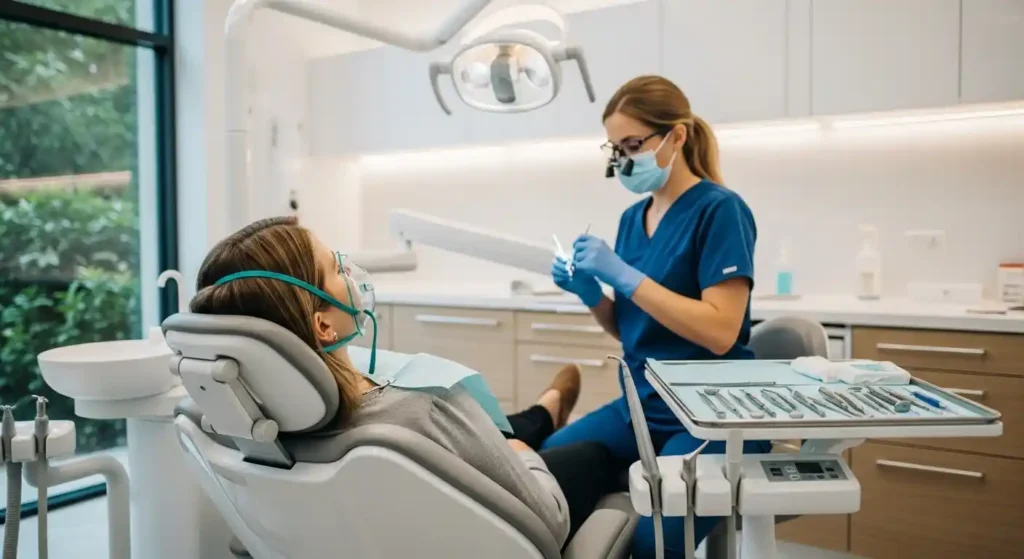
Nitrous oxide does not completely eliminate anxiety during dental visits, but it significantly reduces it. Often known as laughing gas, it helps patients feel calm, relaxed, and less aware of fear or discomfort, making dental procedures much easier to tolerate. By calming the nervous system and creating a light, stress-free feeling, nitrous oxide allows many patients in Gilbert, AZ to undergo treatment without the intense anxiety they may normally experience. While it may not remove fear entirely for everyone, it is one of the most effective and widely used options for managing dental anxiety safely. What Is Nitrous Oxide (Laughing Gas) in Dentistry? Nitrous oxide is a colorless, odorless gas that has been safely used in dentistry and medicine for over 150 years. Commonly known as laughing gas, it helps patients feel calm, relaxed, and slightly lightheaded making dental visits more comfortable. It is administered through a small mask placed over the nose, where you breathe normally while the dentist carefully controls the mixture of nitrous oxide and oxygen throughout the procedure. Dentists use nitrous oxide because it helps ease both anxiety and physical discomfort, making treatment easier for nervous patients. It does not put you to sleep, requires no injections, and wears off quickly once the gas is stopped allowing most patients to resume normal activities soon after their appointment. Its safety, fast action, and ease of use make it a trusted option in modern dental care. How Nitrous Oxide Reduces Dental Anxiety Nitrous oxide helps patients feel calm and relaxed by easing mental stress and physical discomfort during dental procedures. It works quickly and allows dentists to control the level of sedation, making the experience more comfortable. Calms the Nervous System Nitrous oxide helps slow the body’s stress response by reducing the physical effects of anxiety, such as increased heart rate, muscle tension, and heightened alertness. It acts on receptors in the brain to promote relaxation and ease the fear response, making situations that might normally feel stressful much more manageable. Creates a Relaxed, Light Feeling One of the most common effects is a gentle sense of calm and well-being. Patients often feel slightly detached yet aware of their surroundings, allowing them to stay comfortable without losing control. This relaxed state helps make the entire dental experience much easier to tolerate. Reduces Sensitivity and Discomfort Nitrous oxide also has mild pain-relieving properties that help reduce sensitivity during treatment. While it does not replace local anesthesia, it increases your comfort level and can also help control the gag reflex, making procedures like X-rays and impressions easier to complete. Fast Acting and Adjustable Nitrous oxide works quickly, with effects usually felt within a few minutes of inhalation. Your dentist can easily adjust the level of sedation throughout the procedure, ensuring you remain comfortable while staying in full control. Does Nitrous Oxide Completely Remove Anxiety? This is an important question, and the honest answer is that nitrous oxide does not completely remove anxiety for every patient. However, it can significantly reduce anxiety to a level where most dental procedures feel much more manageable and less stressful. Its effectiveness varies from person to person. Patients with mild to moderate anxiety often experience a noticeable sense of calm, while those with severe dental phobia may still feel some fear, even though it is greatly reduced. Factors such as the type of procedure and individual sensitivity also play a role in how well it works. In most cases, nitrous oxide serves as a highly effective anxiety management tool rather than a complete solution. For many patients, this level of relief is enough to comfortably complete treatment. For those with higher levels of anxiety, your dentist may recommend combining it with other sedation options for the best experience. What Does Nitrous Oxide Feel Like? If you’ve never experienced nitrous oxide before, it’s natural to wonder what to expect. Most patients describe it as a light, calming sensation that sets in within a few minutes of breathing through the mask. You may feel slightly lightheaded, relaxed, or as if a sense of calm has settled over you. Some people also notice a mild tingling in their hands, feet, or face, along with a general feeling of comfort and ease. Importantly, you remain fully awake and in control throughout the entire procedure. You can hear your dentist, respond to instructions, and communicate at any time. While some patients may feel slightly cheerful or even giggly earning it the nickname “laughing gas” the overall experience is typically gentle, safe, and pleasantly relaxing. Is Nitrous Oxide Safe for Dental Anxiety? Nitrous oxide has an excellent safety record and is one of the most widely used sedation methods in modern dentistry. When administered by a trained dental professional, it is carefully mixed with oxygen and continuously monitored to ensure a safe and controlled experience. Side effects are rare and typically very mild. One of the biggest advantages is how quickly it leaves your system. Most patients feel back to normal within minutes after the mask is removed. This fast recovery, along with its low risk of complications, makes nitrous oxide a safe and reliable option for managing dental anxiety, including for children and many adult patients. Who Should Consider Nitrous Oxide? Nitrous oxide is a great option for patients who experience dental anxiety or fear, even at a mild level. If you tend to delay or avoid dental visits because of nervousness, this sedation method can help make routine care much more comfortable. It is also especially helpful for patients with a sensitive gag reflex, making procedures like X-rays, impressions, or back-of-the-mouth treatments easier to handle. It’s commonly used for children as well, since it is safe, quick-acting, and non-invasive. Adults undergoing longer or more complex procedures such as fillings, extractions, or crown work can also benefit, as it helps them stay relaxed and comfortable throughout the entire appointment. Who Should Avoid Nitrous Oxide? While nitrous oxide is safe for most patients, it may not be suitable for everyone.
How Long Do Dental Implants Last? Complete Guide to Lifespan & Longevity

Dental implants are one of the most durable and reliable solutions for replacing missing teeth. On average, dental implants last 20 to 30 years or even a lifetime when properly cared for. The implant post, usually made of titanium or zirconia, integrates with your jawbone to provide a stable foundation. The actual lifespan of dental implants depends on several factors, including your oral care routine, overall health, lifestyle habits like smoking, and the quality of the implant and the dentist’s expertise. With regular dental checkups and proper hygiene, most patients enjoy decades of strong, natural-looking teeth that function just like real ones in Gilbert, AZ What Are Dental Implants and How Do They Work? A dental implant is a surgically placed artificial tooth root that permanently replaces one or more missing teeth. Unlike dentures or bridges, implants integrate directly into the jawbone, providing a stable foundation that functions and feels like a natural tooth. Beyond appearance, implants stimulate the jawbone, preventing bone loss and preserving facial shape and bite alignment, making them both a cosmetic and structural solution. Anatomy of a Dental Implant A dental implant is made up of three distinct components, each playing a vital role in its function and durability. Implant Post: A small titanium or zirconia screw inserted into the jawbone, acting as an artificial root. It fuses with the bone through osseointegration, providing long-term stability. Abutment: A connector attached to the top of the post after osseointegration, protruding above the gum line to support the final restoration. Abutments are made of titanium, zirconia, or both. Crown: The visible, tooth-shaped cap on the abutment, custom-crafted to match the color, shape, and size of surrounding teeth. Crowns are typically made of porcelain, ceramic, zirconia, or metal alloys. Types of Dental Implants There are several types of dental implants, each suited to different needs: Titanium Implants: The most common option, highly biocompatible, and fuses naturally with bone without triggering an immune response. Zirconia Implants: Metal-free and increasingly popular for patients with metal sensitivities or those seeking a more natural look, as its white color is less visible if gums recede. Mini Implants: Narrower versions of standard implants, used when bone volume is limited or to stabilize dentures affordably. All-on-4 System: A full-arch restoration where an entire set of teeth is supported by four strategically placed implants, offering an efficient solution for patients missing most or all teeth. How Implants Integrate with the Jawbone Osseointegration is the process where the implant post bonds with the jawbone, anchoring it securely. This typically takes three to six months, after which the implant can support a permanent crown. Bone density, overall health, and surgical precision all affect how well this integration occurs, making it the key factor in an implant’s long-term success. How Long Do Dental Implants Last? Average Lifespan Explained Dental implants are one of the most durable tooth replacement options available today. With proper care and maintenance, they can function effectively for decades, often outlasting other types of dental restorations. Implant Post Lifespan The implant post, embedded in the jawbone, is designed to last a lifetime. Titanium posts show survival rates above 95% at 10 years, often remaining functional for 25–30 years or more. Zirconia posts perform well but may be more prone to fracture under heavy bite forces. The main threats to longevity are failed osseointegration, severe gum disease, and significant bone loss. Crown Lifespan While the implant post can last decades, the crown on top usually lasts 10–15 years before repair or replacement due to wear, chipping, or bite changes. Zirconia crowns are the most durable, while porcelain-fused-to-metal and all-ceramic crowns offer longevity with varying resistance to chipping. Replacing the crown is simple and does not affect the implant post, allowing a single implant to support multiple crowns over a lifetime. Factors That Typically Don’t Affect Lifespan Many patients worry that implants will be rejected by the body, but unlike organ transplants, titanium is biologically inert and rarely triggers an immune response. Another misconception is that implants are temporary; while the crown may need replacement, the implant post is designed to last a lifetime. Factors That Influence Dental Implant Longevity Several factors determine how long a dental implant will last, ranging from patient habits to surgical expertise. Understanding these influences can help you take proactive steps to protect your investment and ensure your implant functions well for decades. Patient-Related Factors Personal habits and health directly affect implant longevity. Good oral care and overall health are key to long-term success. Oral Hygiene Consistent oral hygiene is essential for implant longevity. While implants don’t decay, the surrounding gum and bone are vulnerable to infection. Peri-implantitis, an inflammation around the implant, is a leading cause of failure. Brushing twice daily, flossing or using interdental brushes, and rinsing with antimicrobial mouthwash can greatly reduce this risk. Bone Quality and Quantity A dense, healthy jawbone is essential to anchor an implant and support osseointegration. Patients with bone loss may need a graft before placement, and maintaining bone health afterward by avoiding smoking, eating well, and treating gum disease is crucial for long-term stability. Gum Health Healthy gums create a protective seal around implants, blocking bacteria. Gum disease can compromise this barrier and harm the underlying bone, so patients must manage it before and after implant placement to ensure long-term success. Overall Health and Medical Conditions Certain health conditions can affect implant success. Uncontrolled diabetes, osteoporosis, and autoimmune disorders may impair healing or weaken bone support. Patients with these conditions can still receive implants but require careful assessment and monitoring before and after surgery. Lifestyle Factors Habits like smoking, alcohol use, diet, and teeth grinding can significantly impact implant lifespan. Making healthy lifestyle choices supports healing and long-term stability of your implants. Smoking, Alcohol, and Diet Smoking is a major preventable risk factor for implant failure, as it reduces blood flow, oxygen, and immune response, hindering healing and osseointegration. Heavy alcohol use also impairs recovery and nutrition, increasing the risk of complications. Teeth
Are Teeth Whitening Strips Safe?

Teeth whitening strips are generally safe for teeth and gums when used as directed, with most containing hydrogen peroxide concentrations below 14%. They are a convenient and affordable at-home solution for brightening your smile. Millions of people rely on these strips to remove surface stains caused by coffee, tea, wine, and tobacco. While effective for most users, whitening strips are not completely risk-free. Overuse, improper application, or existing dental problems can lead to tooth sensitivity, gum irritation, or enamel damage. This guide explains their safety, effectiveness, and how residents in Gilbert can maintain a brighter, healthier smile with the right whitening approach. What Are Teeth Whitening Strips? Teeth whitening strips are thin, flexible pieces of plastic coated with a peroxide-based gel that you apply directly to your teeth for a set period. Most over-the-counter strips contain hydrogen peroxide or carbamide peroxide at concentrations of 6% to 14%, while professional-grade strips, prescribed by a dentist, can contain up to 25%. A typical treatment lasts 7 to 14 days, with daily sessions ranging from 30 minutes to an hour. The main difference between drugstore and professional strips is not just strength but also fit and formulation. Generic strips are designed to fit most mouths, which can cause gel to touch gums and lead to irritation. Professional options are often customized for your dental profile and come with guidance to ensure safer and more effective results. How Do Teeth Whitening Strips Work? Whitening strips work by using peroxide in the gel to penetrate the enamel and reach the dentin beneath, where it breaks down stain molecules through an oxidation reaction. These broken-down molecules reflect less light, making teeth appear brighter. Strips are most effective on extrinsic stains caused by coffee, tea, red wine, tobacco, and other surface-level discoloration. Intrinsic stains, which form inside the tooth due to aging, certain medications, trauma, or excess fluoride, are much harder to treat with strips and often respond poorly. Most users notice results within three to five days of consistent use, with optimal whitening usually achieved after a full two-week treatment, depending on the severity of stains and individual tooth composition. Are Teeth Whitening Strips Effective? Teeth whitening strips are effective for many people, especially those with mild to moderate surface stains. A 2020 review in the Journal of Evidence-Based Dental Practice confirmed that strips containing 5.3% to 14% hydrogen peroxide can lighten teeth by several shades over a standard treatment period. However, results vary. Teeth that are heavily stained, intrinsically discolored, or have dental work like crowns, veneers, or fillings may not lighten as much. Compared to other whitening methods, strips are a convenient at-home option but may not match professional treatments. Whitening toothpaste mainly removes surface stains, while gels in trays offer longer contact time. In-office whitening, which uses high-concentration peroxides sometimes with light activation, delivers faster, more dramatic results but at a higher cost. Are Whitening Strips Safe for Teeth and Gums? This is where the conversation gets more nuanced. Used correctly and in moderation, whitening strips are generally considered safe by most dental professionals. The issues arise when people overuse them, misuse them, or use them despite having underlying dental conditions. Impact on Enamel Enamel is the hardest, irreplaceable substance in your body. High concentrations of peroxide or prolonged use can temporarily soften enamel and reduce its microhardness. Following recommended guidelines usually prevents permanent damage; overuse, such as leaving strips on too long or repeated cycles, increases the risk of erosion. Gum Health Because over-the-counter strips are not custom-fitted, the whitening gel can easily come into contact with the gums, leading to irritation, redness, a burning sensation, and sometimes temporary white patches. While these side effects typically resolve within a few days of discontinuing use, they can be uncomfortable and indicate that the peroxide is affecting areas it shouldn’t. Tooth Sensitivity About 30–40% of users experience temporary tooth sensitivity, triggered by hot, cold, or sweet foods and drinks. It usually subsides within a day or two but can be significant for people with already sensitive teeth. Using sensitivity toothpaste or spacing out treatment sessions can help minimize discomfort and protect the enamel. Long-Term Use Risks Excessive use can lead to “bleachorexia,” causing chronic sensitivity, enamel thinning, and uneven color, especially around crowns, veneers, or fillings, which do not lighten with peroxide. Long-term misuse may also weaken overall tooth structure, increasing the likelihood of chips or fractures over time. Common Mistakes People Make With Whitening Strips Teeth whitening strips work well for many people, especially those with mild to moderate surface stains. Studies show that strips with 5–14% hydrogen peroxide can make teeth several shades whiter over a normal treatment period. Results can vary. Teeth with deep stains, discoloration from inside, or dental work like crowns and veneers may not whiten as much. Compared to other methods, strips are a convenient at-home option but may not give the same results as professional treatments. Whitening toothpaste only removes surface stains, while gels in trays stay on longer for better results. In-office whitening with strong peroxide and sometimes light treatment works fastest and most effectively, but it costs more. Who Should Avoid Whitening Strips? Whitening strips are not safe for everyone. Children under 12 should avoid them, and teens should only use them with a dentist’s guidance, as their enamel is still developing and more sensitive to peroxide. Pregnant or breastfeeding women are usually advised to wait until after pregnancy and nursing because there’s limited research on safety. People with sensitive teeth, gum disease, cavities, or cracked enamel should fix these issues before using strips. Those with crowns, veneers, or large fillings should be careful, as whitening strips won’t lighten these restorations, which can lead to uneven color that is hard and expensive to fix. How to Use Whitening Strips Safely If whitening strips are right for you, use them carefully. Start by brushing your teeth, but wait at least 30 minutes before applying the strips, as brushing temporarily makes teeth more sensitive to peroxide.