
Can Composite Bonding Fix Crooked Teeth? What You Need to Know
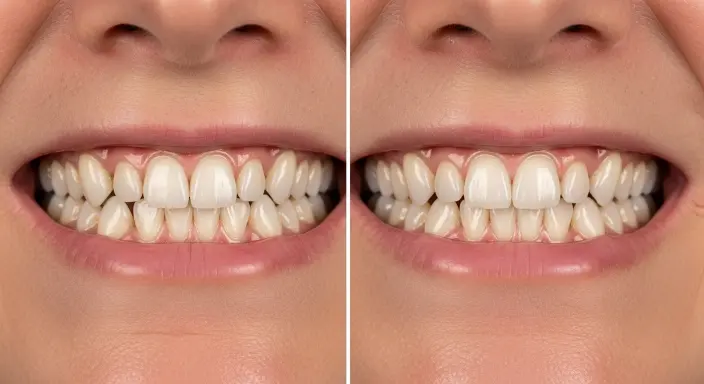
Crooked teeth are not just a cosmetic problem. They affect how you speak, how you clean your teeth, and how confident you feel every time you open your mouth. Most people who want to fix them do not want to spend months in braces or pay thousands for veneers. They want something that works, costs less, and does not take over their life. That is exactly why so many people in Gilbert are asking whether composite bonding can fix crooked teeth. The short answer is yes, but only in certain cases. Composite bonding works well for mild misalignment and minor overlaps. It does not work for severe crowding or bite problems. Choosing the wrong treatment for your situation wastes both time and money. What Is Composite Bonding? Composite bonding is a cosmetic dental treatment where a tooth-colored resin is applied directly to your teeth. Your dentist shapes and sculpts it by hand, then hardens it in place with a curing light. The whole thing is done in a single visit. It can fix quite a few things including chips, cracks, gaps, discoloration, and mildly crooked or uneven teeth. Because the resin is matched to your natural tooth color, the result blends in and looks completely natural. Unlike veneers, no enamel is removed. The dentist builds on top of your existing tooth, making it minimally invasive and fully reversible. Can Composite Bonding Actually Straighten Crooked Teeth? Technically, no. Composite bonding does not move your teeth. It cannot do what braces or clear aligners do. What it does instead is change the shape and appearance of your teeth so they look straighter. By adding resin in the right places, your dentist can make teeth appear more even, more uniform, and better aligned. The result is a smile that looks straighter without any actual tooth movement. This works well for minor cases. Slight overlaps, small rotations, uneven lengths, mildly crowded front teeth. For anything more severe, bonding alone will not give you a natural-looking result. When Composite Bonding Works for Crooked Teeth Your teeth are only slightly crooked or have minor overlaps The misalignment is mostly cosmetic and does not affect your bite You want results in a single appointment without wearing aligners for months You are looking for a more affordable alternative to veneers or braces You need a temporary fix while considering orthodontic treatment When Composite Bonding Is Not Suitable Your teeth are severely crooked or overcrowded Your bite is affected or misaligned The crookedness would make the bonded teeth look bulky or unnatural You have gum disease or significant oral health issues You are expecting the bonding to physically move your teeth Why Do Teeth Become Crooked? Crooked teeth are more common than most people realise. Very few people naturally have perfectly aligned teeth. There are several reasons why teeth grow crooked, overlap, or shift out of position over time. Genetics The most common cause is genetics. The size of your jaw and the shape of your teeth are largely inherited. If your jaw is naturally smaller than the space your teeth need, crowding happens automatically. There is nothing you could have done to prevent it. This is why crooked teeth often run in families. Childhood Habits Prolonged thumb sucking or dummy use puts consistent pressure on developing teeth and the jaw. Over time this pushes teeth forward or causes them to grow at unusual angles. The longer the habit continues, the more pronounced the effect. Early Loss of Baby Teeth Baby teeth hold the space open for permanent teeth. When a baby tooth is lost too early, surrounding teeth drift into that empty space. By the time the permanent tooth comes through, there is less room for it, forcing it to grow in at an angle or push against neighboring teeth. Gum Disease Gum disease damages the bone that supports your teeth. As that bone weakens, teeth lose their foundation and begin to drift or tilt over time. Treating gum disease is essential before any cosmetic treatment like composite bonding can be considered. Mouth Breathing and Jaw Development Children who breathe through their mouth for extended periods can experience changes in jaw development. This often results in a narrower jaw with less space for teeth, leading to crowding as permanent teeth come through. Injury or Trauma A direct impact to the mouth or jaw can knock teeth out of position. Sometimes the misalignment is immediate. Other times it develops gradually over months following the injury. How Composite Bonding Fixes Crooked Teeth The process is simple, painless, and completed in a single visit. No hospital stays, no recovery time, no follow-up appointments in most cases. Here is exactly what happens from start to finish. Consultation and Smile Assessment Before anything is applied to your teeth, your dentist examines your full smile. They check the degree of misalignment, the health of your gums, and the overall condition of your teeth. This step is critical because not everyone is a suitable candidate. If your crookedness is too severe or your bite is affected, your dentist will tell you here and point you toward a better option. Getting this assessment right saves you time and money further down the line. Color Matching Once you are confirmed as a suitable candidate, the dentist selects a composite resin shade that matches your natural teeth as closely as possible. This is done carefully under proper lighting conditions. A poor color match is one of the most common reasons bonding looks unnatural, so any experienced cosmetic dentist takes this step seriously. Surface Preparation The tooth surface is gently etched using a mild acidic gel. This slightly roughens the surface so the resin has something to grip onto. There is no drilling and no discomfort. A bonding agent is then applied to create a secure base for the resin to stick to. Application and Sculpting This is where the skill of the dentist matters most. The composite resin is applied in thin layers directly onto the tooth