
Does Teeth Whitening Damage Enamel?
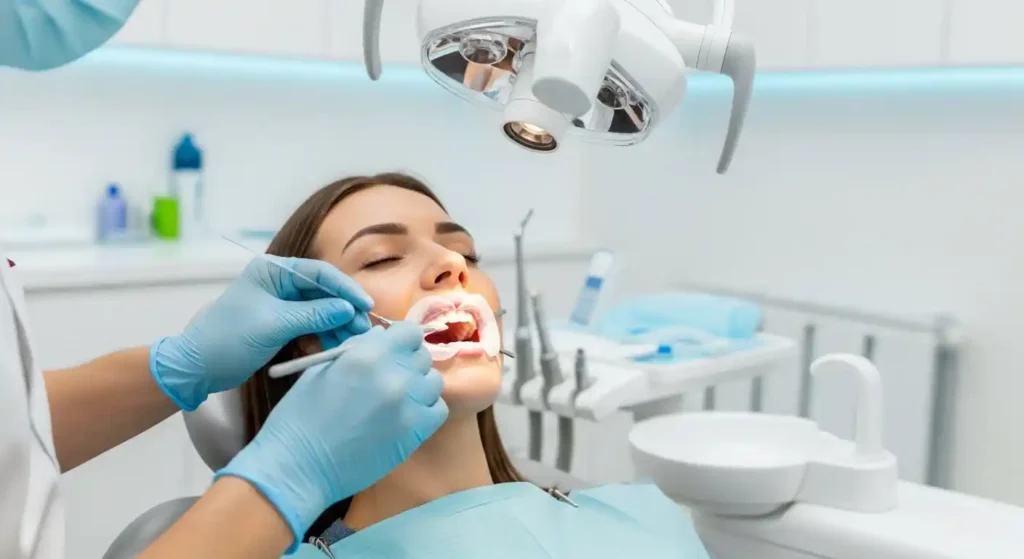
Teeth whitening does not damage enamel in most cases when appropriate peroxide-based products are used according to instructions. However, whitening is not completely free from risks. Some treatments can cause temporary tooth sensitivity, gum irritation, or small changes to enamel surface properties, especially when products are misused. At Vista Dorada Dental in Gilbert, AZ, our team helps patients understand how teeth whitening works and which options may be suitable for their oral health. This guide explains the effects of whitening on enamel, possible side effects, safety precautions, and when to consult a dentist before treatment. How Teeth Whitening Works Most peroxide-based teeth whitening treatments use hydrogen peroxide or carbamide peroxide to break down stain-causing compounds within teeth. These ingredients penetrate the enamel and react with molecules responsible for discoloration, making teeth appear lighter. Tooth stains are generally classified as extrinsic or intrinsic. Extrinsic stains develop on the tooth surface from substances such as coffee, tea, and tobacco. Intrinsic discoloration occurs within the tooth and may require a different whitening approach. Peroxide whitening works through a chemical reaction rather than mechanically removing enamel. However, the effects on teeth depend on the whitening product, its concentration, and how it is used. Types of Teeth Whitening Treatments Teeth whitening treatments come in several forms, each offering different levels of strength, speed, and professional supervision. Understanding these options can help you choose the safest and most effective method for achieving a brighter smile. Professional In-Office Whitening Professional whitening performed by a licensed dentist is considered the gold standard. Dentists use high-concentration peroxide gels sometimes activated with a special light to significantly brighten teeth in a single session that usually lasts about an hour. Because the procedure is supervised, the dentist protects the gums and monitors the process to reduce risks. At-Home Whitening Kits Over-the-counter whitening products such as strips, gels, and trays are popular because they are affordable and convenient. These products contain lower concentrations of peroxide, so results appear more gradually. However, incorrect use or overuse can lead to temporary tooth sensitivity or gum irritation. Natural or DIY Whitening Methods Many social media trends promote “natural” whitening methods such as baking soda, activated charcoal, oil pulling, or lemon-based mixtures. While these options may seem appealing, most are either ineffective or potentially harmful. Abrasive substances and acidic ingredients can gradually wear down enamel and are not a reliable substitute for proven whitening treatments. Professional In-Office Whitening Professional in-office whitening uses dentist-supervised bleaching products to lighten tooth discoloration. These treatments typically contain peroxide-based agents and may produce visible results in one appointment, although some patients need additional sessions. Before treatment, the dentist examines the teeth and gums to determine whether whitening is appropriate. Protective measures may be used to limit contact between the whitening gel and soft tissues. Treatment results and sensitivity vary depending on the type of discoloration, product used, and individual oral health. Effects of Whitening on Tooth Enamel Teeth whitening is generally considered safe for enamel when appropriate products are used as directed, but some whitening treatments can produce small changes to enamel surface properties. The effects depend on the product formulation, peroxide concentration, exposure time, and condition of the teeth. A 2026 systematic review and meta-analysis on enamel damage from tooth whitening found small changes in enamel microhardness in laboratory studies. However, the researchers found no clear evidence that these changes represented clinically meaningful damage under recommended whitening protocols. Temporary tooth sensitivity and gum irritation are more commonly reported side effects. These symptoms do not automatically mean that enamel has been permanently damaged. Patients concerned about enamel health should avoid excessive whitening and discuss suitable products with a dentist before beginning treatment. Tooth Sensitivity vs Enamel Damage After Whitening Tooth sensitivity after whitening is usually temporary and does not automatically mean the enamel has been damaged. Enamel damage involves changes to tooth structure, while whitening sensitivity often occurs as a short-term reaction to bleaching agents. Feature Tooth Sensitivity Enamel Damage Main concern Temporary discomfort after whitening Changes to the enamel’s structure Common signs Sensitivity to hot or cold foods and drinks Possible surface wear, roughness, or visible changes Duration Often improves within a few days Structural enamel loss does not naturally regenerate What to do Pause whitening if discomfort occurs and seek advice if it persists Have a dentist evaluate suspected enamel changes A 2026 systematic review on enamel changes after tooth whitening found small changes in enamel hardness in laboratory studies but no clear evidence of clinically meaningful damage from recommended peroxide-whitening protocols. However, laboratory findings cannot determine whether an individual patient’s enamel is damaged. If sensitivity persists or visible tooth changes develop, stop whitening and schedule a dental examination. Common Myths About Whitening and Enamel Damage Many people avoid teeth whitening because of widespread myths about enamel damage. Understanding the difference between myths and facts can help you make safer and more informed decisions about whitening treatments. Myth: Whitening destroys enamel instantly Fact: A single, properly conducted whitening treatment will not destroy enamel. The concern about enamel damage typically arises from overuse or misuse of products not from one standard treatment. When used at appropriate concentrations and frequencies, whitening is clinically considered safe. Myth: Natural remedies are always safe Fact: “Natural” does not mean harmless. Acidic fruits and abrasive powders like charcoal can actively erode enamel. The fact that something comes from nature says nothing about its safety when applied repeatedly to your teeth. Myth: Tooth sensitivity equals permanent damage Fact: Sensitivity during or after whitening is common and usually temporary. It reflects a transient change in enamel permeability, not structural damage. If sensitivity persists beyond a few days, that warrants attention but brief discomfort is a normal, expected side effect for many people. Factors That Can Increase Risk of Enamel Damage While whitening is generally safe, certain habits and conditions can tip the balance toward harm. Understanding these risk factors is the first step to avoiding them. Overuse of whitening products More is not better when it
Are Teeth Whitening Strips Safe?

Teeth whitening strips are generally safe for teeth and gums when used as directed, with most containing hydrogen peroxide concentrations below 14%. They are a convenient and affordable at-home solution for brightening your smile. Millions of people rely on these strips to remove surface stains caused by coffee, tea, wine, and tobacco. While effective for most users, whitening strips are not completely risk-free. Overuse, improper application, or existing dental problems can lead to tooth sensitivity, gum irritation, or enamel damage. This guide explains their safety, effectiveness, and how residents in Gilbert can maintain a brighter, healthier smile with the right whitening approach. What Are Teeth Whitening Strips? Teeth whitening strips are thin, flexible pieces of plastic coated with a peroxide-based gel that you apply directly to your teeth for a set period. Most over-the-counter strips contain hydrogen peroxide or carbamide peroxide at concentrations of 6% to 14%, while professional-grade strips, prescribed by a dentist, can contain up to 25%. A typical treatment lasts 7 to 14 days, with daily sessions ranging from 30 minutes to an hour. The main difference between drugstore and professional strips is not just strength but also fit and formulation. Generic strips are designed to fit most mouths, which can cause gel to touch gums and lead to irritation. Professional options are often customized for your dental profile and come with guidance to ensure safer and more effective results. How Do Teeth Whitening Strips Work? Whitening strips work by using peroxide in the gel to penetrate the enamel and reach the dentin beneath, where it breaks down stain molecules through an oxidation reaction. These broken-down molecules reflect less light, making teeth appear brighter. Strips are most effective on extrinsic stains caused by coffee, tea, red wine, tobacco, and other surface-level discoloration. Intrinsic stains, which form inside the tooth due to aging, certain medications, trauma, or excess fluoride, are much harder to treat with strips and often respond poorly. Most users notice results within three to five days of consistent use, with optimal whitening usually achieved after a full two-week treatment, depending on the severity of stains and individual tooth composition. Are Teeth Whitening Strips Effective? Teeth whitening strips are effective for many people, especially those with mild to moderate surface stains. A 2020 review in the Journal of Evidence-Based Dental Practice confirmed that strips containing 5.3% to 14% hydrogen peroxide can lighten teeth by several shades over a standard treatment period. However, results vary. Teeth that are heavily stained, intrinsically discolored, or have dental work like crowns, veneers, or fillings may not lighten as much. Compared to other whitening methods, strips are a convenient at-home option but may not match professional treatments. Whitening toothpaste mainly removes surface stains, while gels in trays offer longer contact time. In-office whitening, which uses high-concentration peroxides sometimes with light activation, delivers faster, more dramatic results but at a higher cost. Are Whitening Strips Safe for Teeth and Gums? This is where the conversation gets more nuanced. Used correctly and in moderation, whitening strips are generally considered safe by most dental professionals. The issues arise when people overuse them, misuse them, or use them despite having underlying dental conditions. Impact on Enamel Enamel is the hardest, irreplaceable substance in your body. High concentrations of peroxide or prolonged use can temporarily soften enamel and reduce its microhardness. Following recommended guidelines usually prevents permanent damage; overuse, such as leaving strips on too long or repeated cycles, increases the risk of erosion. Gum Health Because over-the-counter strips are not custom-fitted, the whitening gel can easily come into contact with the gums, leading to irritation, redness, a burning sensation, and sometimes temporary white patches. While these side effects typically resolve within a few days of discontinuing use, they can be uncomfortable and indicate that the peroxide is affecting areas it shouldn’t. Tooth Sensitivity About 30–40% of users experience temporary tooth sensitivity, triggered by hot, cold, or sweet foods and drinks. It usually subsides within a day or two but can be significant for people with already sensitive teeth. Using sensitivity toothpaste or spacing out treatment sessions can help minimize discomfort and protect the enamel. Long-Term Use Risks Excessive use can lead to “bleachorexia,” causing chronic sensitivity, enamel thinning, and uneven color, especially around crowns, veneers, or fillings, which do not lighten with peroxide. Long-term misuse may also weaken overall tooth structure, increasing the likelihood of chips or fractures over time. Common Mistakes People Make With Whitening Strips Teeth whitening strips work well for many people, especially those with mild to moderate surface stains. Studies show that strips with 5–14% hydrogen peroxide can make teeth several shades whiter over a normal treatment period. Results can vary. Teeth with deep stains, discoloration from inside, or dental work like crowns and veneers may not whiten as much. Compared to other methods, strips are a convenient at-home option but may not give the same results as professional treatments. Whitening toothpaste only removes surface stains, while gels in trays stay on longer for better results. In-office whitening with strong peroxide and sometimes light treatment works fastest and most effectively, but it costs more. Who Should Avoid Whitening Strips? Whitening strips are not safe for everyone. Children under 12 should avoid them, and teens should only use them with a dentist’s guidance, as their enamel is still developing and more sensitive to peroxide. Pregnant or breastfeeding women are usually advised to wait until after pregnancy and nursing because there’s limited research on safety. People with sensitive teeth, gum disease, cavities, or cracked enamel should fix these issues before using strips. Those with crowns, veneers, or large fillings should be careful, as whitening strips won’t lighten these restorations, which can lead to uneven color that is hard and expensive to fix. How to Use Whitening Strips Safely If whitening strips are right for you, use them carefully. Start by brushing your teeth, but wait at least 30 minutes before applying the strips, as brushing temporarily makes teeth more sensitive to peroxide.