
How to Deal With Dental Anxiety Before Your Visit

Learning how to deal with dental anxiety starts with identifying what makes dental visits stressful. Talking openly with the dental team, practicing slow breathing, and understanding treatment steps can help you manage fear. You can also ask for breaks or discuss comfort options if dental appointments feel overwhelming. At Vista Dorada Dental in Gilbert, AZ, we understand that dental anxiety can make routine visits difficult. Whether you feel nervous about pain, needles, or past experiences, taking small steps and getting suitable support can make dental care easier to manage. What Is Dental Anxiety? Dental anxiety is the fear, nervousness, or stress a person experiences before or during dental appointments. It can range from mild uneasiness about a routine checkup to intense fear that makes receiving dental care difficult. Some people feel anxious only during certain procedures, while others worry for days before an appointment. Understanding these feelings is an important first step toward managing them and finding appropriate support. Signs You May Have Dental Anxiety Dental anxiety can affect your thoughts, emotions, and physical health before or during an appointment. Common signs include persistent worry, avoiding treatment, and physical symptoms that appear when thinking about dental care. Feeling nervous before an appointment: You may experience tension, restlessness, or difficulty concentrating when thinking about an upcoming dental appointment. Trouble sleeping: Worry about pain, needles, or an unfamiliar procedure may keep you awake the night before a visit. Avoiding dental care: Repeatedly canceling appointments or delaying checkups because of fear can indicate dental anxiety. Physical symptoms: A racing heartbeat, sweating, shaking, nausea, or feeling lightheaded may occur when anxiety becomes intense. Thinking about worst-case outcomes: You may repeatedly imagine painful treatment or worry that something will go wrong. Recognizing these signs can help you understand when anxiety is affecting your dental care and when additional support may be useful. What Causes Dental Anxiety? Dental anxiety can develop from past experiences, personal fears, or uncertainty about dental treatment. Not everyone experiences the same triggers, and some people become anxious even without a previous negative dental visit. Common causes include fear of pain or injections, unpleasant childhood experiences, unfamiliar dental equipment, and feeling unable to communicate during a procedure. Some patients also worry about the condition of their teeth or feel embarrassed about needing treatment. Stories about painful dental experiences can influence expectations, even when someone has never experienced those problems personally. Understanding these causes helps identify the concerns that need attention before or during an appointment. How to Manage Common Dental Anxiety Triggers Dental anxiety management becomes easier when you understand what causes your fear. Some people worry about needles or pain, while others feel uncomfortable with dental sounds, gagging, or losing control during treatment. Identifying these triggers can help you and the dental team choose practical ways to manage them. Managing Fear of Needles and Dental Pain If needles or painful procedures make you nervous, tell the dental team before treatment begins. Ask how the area will be numbed and whether a topical anesthetic may help with injection discomfort. Discussing pain control ahead of time can make dealing with dental anxiety more manageable. Coping With Dental Sounds and Sensory Triggers The sound of dental equipment, bright lights, and unfamiliar sensations can increase anxiety. Ask whether you can wear headphones, listen to calming music, or take breaks when appropriate. Let the dental team know which sounds or sensations bother you most so they can explain what to expect. Managing Gagging and Loss of Control Some patients become anxious because they have a sensitive gag reflex or feel unable to communicate during treatment. Tell the dental team about these concerns beforehand. They may be able to adjust your position, change the approach, or provide short breaks to help you feel more comfortable. How to Deal With Dental Anxiety With Practical Tips Managing dental anxiety often involves a combination of communication, relaxation techniques, and gradual preparation. These practical dental anxiety management tips can help you feel more informed and involved in treatment. Start with the strategies that address your biggest concerns rather than trying everything at once. Talk to Your Dentist Openly Tell the dental team about your fears before treatment begins. Explain whether you worry about pain, injections, or a previous experience. Clear communication allows the team to understand your concerns, explain procedures, and discuss ways to make the visit more manageable. Questions to Ask Before Dental Treatment Asking questions can help reduce uncertainty about dental procedures. Find out what the treatment involves, how discomfort will be managed, and whether breaks are possible. You can also ask the dental team to explain unfamiliar steps before beginning treatment. Start With a Simple Visit If a full dental procedure feels overwhelming, consider scheduling an initial consultation. This gives you an opportunity to meet the dental team, explain your concerns, and become familiar with the environment before deciding on treatment. Taking one manageable step at a time may help build confidence. Relaxation Techniques for Coping With Dental Anxiety Slow breathing and relaxation exercises can help reduce physical tension before an appointment. Try breathing gently and steadily while relaxing your shoulders and jaw. Listening to calming music or focusing on a peaceful image may also help shift your attention away from anxious thoughts. Ask About Sedation Options For some patients, sedation dentistry may help manage moderate or severe dental anxiety. Options can include nitrous oxide or medication-based sedation, depending on the procedure, medical history, and services available. Discuss the possible benefits, risks, and preparation requirements with the dental team before choosing an option. Bring a Support Person Having a trusted friend or family member accompany you may provide reassurance before an appointment. Ask the dental office whether someone can remain with you during the visit or wait nearby. If sedation is planned, you may also need someone to accompany you home, depending on the medication used. Choose a Gentle Dental Clinic Look for a dental office that takes anxiety seriously and allows you to discuss concerns without
Why Are People Scared of Dentists?

People are scared of dentists mainly because of fear of pain, past negative experiences, loss of control, dental tools and sounds, embarrassment about oral health, and anxiety about the unknown. Psychological factors like childhood experiences and the body’s natural fear response can also make dental visits feel more stressful than they actually are. This fear often builds over time, especially for patients in Gilbert, AZ who have avoided dental visits for years. The longer the gap, the stronger the anxiety can become, creating a cycle where fear leads to avoidance and avoidance makes the fear feel even more intense. What Is Dental Fear or Dentophobia? Dental fear exists on a spectrum. On one end is mild anxiety, the nervousness you may feel before a dental appointment or slight tension during a procedure. This type of anxiety is common and most people are able to manage it while still attending regular dental visits. On the other end is dentophobia, a severe clinical fear of dental treatment. People with this condition may experience intense reactions such as panic attacks, nausea, or overwhelming distress, often leading them to avoid dental care entirely even when they are in pain. The difference matters because mild anxiety can often be managed with reassurance and communication, while severe phobia may require psychological support before treatment is possible. The Most Common Reasons People Fear the Dentist Dental fear usually doesn’t come from a single cause. Instead, it develops from a combination of personal experiences, perceptions, and emotional triggers. Fear of Pain Fear of pain is the most common reason people avoid the dentist. Many individuals associate dental visits with discomfort due to past experiences or stories from others. However, modern dentistry has significantly reduced pain through advanced anesthetics and improved techniques, meaning most procedures today cause little to no discomfort. The challenge is that many people still expect pain based on outdated perceptions. Negative Past Experiences A difficult or painful dental visit in childhood or adulthood can leave a lasting emotional impact. Experiences where patients felt rushed, unheard, or uncomfortable often shape long-term dental anxiety. These early memories can strongly influence behavior even years later. Loss of Control Many people feel anxious in the dental chair because they cannot see what is happening and have limited control over the situation. This sense of vulnerability can trigger stress, especially in individuals who are already prone to anxiety or have experienced trauma. Fear of Needles and Dental Instruments Dental needles, drills, and instruments can trigger strong fear responses. The sound of the drill, in particular, is commonly associated with discomfort. Even without pain, the sensory environment of a dental office can feel overwhelming for anxious patients. Embarrassment About Oral Health Some people avoid the dentist due to shame about the condition of their teeth. This fear of judgment can prevent them from seeking care, even when they know it is needed. Unfortunately, this often creates a cycle where delay leads to worsening dental issues and increased anxiety. Cost and Financial Stress For many patients, financial concerns play a major role in avoidance. Uncertainty about treatment costs can make people delay visits, even when problems are minor. Over time, this can lead to more complex and expensive treatments. General Anxiety Disorders In some cases, dental fear is linked to broader anxiety conditions such as generalized anxiety disorder or PTSD. The dental environment can act as a trigger for existing anxiety patterns rather than being the root cause itself. Signs You May Have Dental Anxiety Not everyone realizes their avoidance of the dentist is linked to anxiety. In many cases, it shows up through behavior and physical reactions rather than being clearly labeled as fear. Common signs include regularly canceling or postponing dental appointments without a specific reason, or feeling intense nervousness before a visit. You may also notice physical symptoms such as sweating, a racing heartbeat, nausea, or difficulty sleeping the night before an appointment. In some cases, people continue to avoid the dentist even when they are in pain or know treatment is needed. If these patterns feel familiar, dental anxiety is likely a contributing factor. Effects of Avoiding the Dentist Avoiding the dentist feels like a reasonable short-term choice, but the long-term consequences are significant. Tooth decay that could have been caught with a routine filling can progress to the point of requiring a root canal or extraction. Gum disease, left untreated, can lead to bone loss and tooth loss. And the research is clear that oral health is connected to systemic health poor oral hygiene has been linked to increased risk of heart disease, stroke, and complications from diabetes. Perhaps most frustratingly, avoidance nearly always leads to more expensive treatment down the road. The small problems that routine checkups catch early become the large, complex, costly problems that force an emergency visit. What Does It Mean to Be Scared of the Dentist? Not all dental discomfort is the same, and the label you put on it matters. Dental anxiety is a low-level worry that flares up around dental appointments. You might feel uneasy the morning of your visit, dread the wait, or leave feeling relieved it’s over. Most people with dental anxiety still attend appointments. It’s uncomfortable, but manageable. Dental fear is more specific. You can point to exactly what frightens you: the needle, the drill sound, the sensation of someone working in your mouth. It’s targeted, often rooted in a specific experience, and can cause you to delay or avoid care. Dentophobia (also called odontophobia) is a clinical phobia, a diagnosable anxiety disorder listed in the DSM. It’s irrational, disproportionate to the actual threat, and causes people to avoid the dentist entirely, even when they’re in serious pain. It can spiral into poor oral health, damaged self-esteem, and social withdrawal. The distinction matters because the right coping strategy depends on which category you fall into. Someone with mild anxiety needs very different support than someone with a full phobia. How Common Is Dental Fear? Dental fear
Does Nitrous Oxide Take Away Anxiety During Dental Visits?
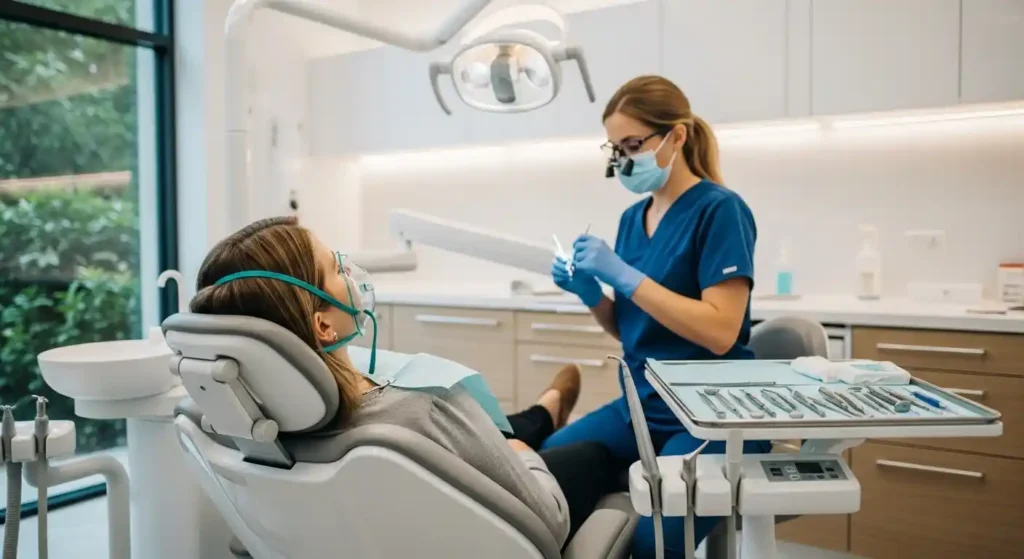
Nitrous oxide does not completely eliminate anxiety during dental visits, but it significantly reduces it. Often known as laughing gas, it helps patients feel calm, relaxed, and less aware of fear or discomfort, making dental procedures much easier to tolerate. By calming the nervous system and creating a light, stress-free feeling, nitrous oxide allows many patients in Gilbert, AZ to undergo treatment without the intense anxiety they may normally experience. While it may not remove fear entirely for everyone, it is one of the most effective and widely used options for managing dental anxiety safely. What Is Nitrous Oxide (Laughing Gas) in Dentistry? Nitrous oxide is a colorless, odorless gas that has been safely used in dentistry and medicine for over 150 years. Commonly known as laughing gas, it helps patients feel calm, relaxed, and slightly lightheaded making dental visits more comfortable. It is administered through a small mask placed over the nose, where you breathe normally while the dentist carefully controls the mixture of nitrous oxide and oxygen throughout the procedure. Dentists use nitrous oxide because it helps ease both anxiety and physical discomfort, making treatment easier for nervous patients. It does not put you to sleep, requires no injections, and wears off quickly once the gas is stopped allowing most patients to resume normal activities soon after their appointment. Its safety, fast action, and ease of use make it a trusted option in modern dental care. How Nitrous Oxide Reduces Dental Anxiety Nitrous oxide helps patients feel calm and relaxed by easing mental stress and physical discomfort during dental procedures. It works quickly and allows dentists to control the level of sedation, making the experience more comfortable. Calms the Nervous System Nitrous oxide helps slow the body’s stress response by reducing the physical effects of anxiety, such as increased heart rate, muscle tension, and heightened alertness. It acts on receptors in the brain to promote relaxation and ease the fear response, making situations that might normally feel stressful much more manageable. Creates a Relaxed, Light Feeling One of the most common effects is a gentle sense of calm and well-being. Patients often feel slightly detached yet aware of their surroundings, allowing them to stay comfortable without losing control. This relaxed state helps make the entire dental experience much easier to tolerate. Reduces Sensitivity and Discomfort Nitrous oxide also has mild pain-relieving properties that help reduce sensitivity during treatment. While it does not replace local anesthesia, it increases your comfort level and can also help control the gag reflex, making procedures like X-rays and impressions easier to complete. Fast Acting and Adjustable Nitrous oxide works quickly, with effects usually felt within a few minutes of inhalation. Your dentist can easily adjust the level of sedation throughout the procedure, ensuring you remain comfortable while staying in full control. Does Nitrous Oxide Completely Remove Anxiety? This is an important question, and the honest answer is that nitrous oxide does not completely remove anxiety for every patient. However, it can significantly reduce anxiety to a level where most dental procedures feel much more manageable and less stressful. Its effectiveness varies from person to person. Patients with mild to moderate anxiety often experience a noticeable sense of calm, while those with severe dental phobia may still feel some fear, even though it is greatly reduced. Factors such as the type of procedure and individual sensitivity also play a role in how well it works. In most cases, nitrous oxide serves as a highly effective anxiety management tool rather than a complete solution. For many patients, this level of relief is enough to comfortably complete treatment. For those with higher levels of anxiety, your dentist may recommend combining it with other sedation options for the best experience. What Does Nitrous Oxide Feel Like? If you’ve never experienced nitrous oxide before, it’s natural to wonder what to expect. Most patients describe it as a light, calming sensation that sets in within a few minutes of breathing through the mask. You may feel slightly lightheaded, relaxed, or as if a sense of calm has settled over you. Some people also notice a mild tingling in their hands, feet, or face, along with a general feeling of comfort and ease. Importantly, you remain fully awake and in control throughout the entire procedure. You can hear your dentist, respond to instructions, and communicate at any time. While some patients may feel slightly cheerful or even giggly earning it the nickname “laughing gas” the overall experience is typically gentle, safe, and pleasantly relaxing. Is Nitrous Oxide Safe for Dental Anxiety? Nitrous oxide has an excellent safety record and is one of the most widely used sedation methods in modern dentistry. When administered by a trained dental professional, it is carefully mixed with oxygen and continuously monitored to ensure a safe and controlled experience. Side effects are rare and typically very mild. One of the biggest advantages is how quickly it leaves your system. Most patients feel back to normal within minutes after the mask is removed. This fast recovery, along with its low risk of complications, makes nitrous oxide a safe and reliable option for managing dental anxiety, including for children and many adult patients. Who Should Consider Nitrous Oxide? Nitrous oxide is a great option for patients who experience dental anxiety or fear, even at a mild level. If you tend to delay or avoid dental visits because of nervousness, this sedation method can help make routine care much more comfortable. It is also especially helpful for patients with a sensitive gag reflex, making procedures like X-rays, impressions, or back-of-the-mouth treatments easier to handle. It’s commonly used for children as well, since it is safe, quick-acting, and non-invasive. Adults undergoing longer or more complex procedures such as fillings, extractions, or crown work can also benefit, as it helps them stay relaxed and comfortable throughout the entire appointment. Who Should Avoid Nitrous Oxide? While nitrous oxide is safe for most patients, it may not be suitable for everyone.